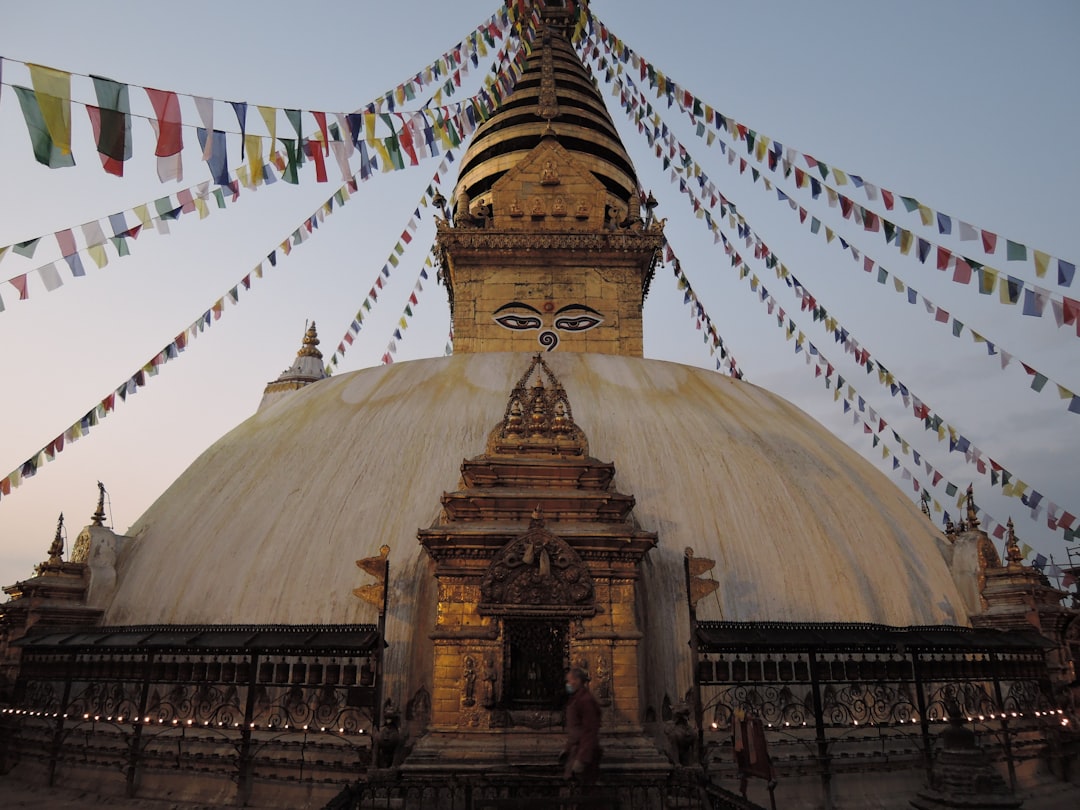


Before You Travel to Nepal
Five things every smart traveler sorts before booking.
- 1
Passport valid 6+ months from entry date
Most countries refuse entry on passports expiring within six months. Renew now if you're close.
- 2
Visa requirements for Nepal
Some are visa-free, some require an e-visa filed days ahead, some need an embassy appointment.
- 3
Travel insurance booked
A hospital visit in Nepal can run $4,000-15,000 without cover. Credit card insurance usually excludes alcohol-related incidents.
- 4
eSIM data plan ready before landing
Airport SIM kiosks need your passport and overcharge tourists. Install an eSIM in 60 seconds, online before you fly.
- 5
Accommodation reserved in the right district
The wrong neighborhood means a 45-minute taxi every night. Map the venues first, then book.
Compare hotels in Nepal
Hotels, hostels, and short-term rentals across the country's main nightlife cities.
Legal Framework
Nepal has no specific law that criminalizes prostitution as an act between consenting adults. The Human Trafficking and Transportation (Control) Act of 2007 targets trafficking, coercion, and exploitation. Running a brothel or profiting from someone else's sex work falls under this law's broader provisions. Individual, private exchanges exist in a gray zone that prosecutors rarely touch.
Our field team visited Nepal most recently in March 2026.
Alcohol licensing in Nepal follows the Liquor Act of 2031 (1974 BS in the Nepali calendar). Bars and restaurants need a license from their local municipality. Enforcement is inconsistent. In Kathmandu's tourist zones, venues serve alcohol freely. Outside the capital, dry days and local prohibitions apply more strictly, especially during Hindu festivals like Dashain and Tihar.
Enforcement Reality
Police in Kathmandu generally leave tourist bars alone. The economic incentive is clear. Thamel generates tax revenue and employment for thousands of Nepalis. Periodic raids happen, usually targeting massage parlors or dance bars suspected of trafficking rather than standard nightlife venues.
Corruption plays a role. Some venue owners pay regular fees to local police posts in exchange for operating past official closing times. This arrangement is common knowledge in the hospitality industry but rarely discussed openly. The Tourist Police unit, established in 2010, focuses on protecting visitors from scams and theft rather than policing nightlife.
Nepal's official bar closing time is 10:00 PM for most of the country. Kathmandu's tourist areas operate under an informal extension to midnight or later. During political strikes (bandhs) and certain national mourning periods, all alcohol sales stop.
Cultural Context
Nepal is one of the world's youngest republics, having abolished its monarchy in 2008. The country's cultural identity draws from both Hindu and Buddhist traditions, with roughly 81% of the population identifying as Hindu. Sexuality is not discussed openly. Families arrange most marriages, and premarital relationships still carry social stigma outside of Kathmandu's educated middle class.
The gap between Kathmandu and the rest of Nepal is enormous. In the capital, young Nepalis date, use smartphones, and go to bars. In rural hill districts, women may have limited freedom of movement and marriages follow traditional negotiations between families. Two different centuries exist within the same borders.
LGBTQ+ rights have progressed faster in Nepal than in most of South Asia. The Supreme Court recognized a third gender category in 2007, and same-sex marriage gained legal recognition in 2023. Social acceptance still lags behind legal protections, particularly outside Kathmandu. Discretion remains wise.
Dating Culture
Nepali dating norms are shifting fast in Kathmandu but remain traditional elsewhere. Young professionals in the capital use dating apps, meet at cafes, and date without parental involvement. This is a recent development. Even five years ago, public dating was far less common.
Men are expected to pay. This holds across social classes and settings. Splitting a bill feels foreign to most Nepalis, though women in professional circles may insist. Family approval still matters for serious relationships, and introducing a foreign partner to parents carries weight that casual Western dating doesn't prepare you for.
Foreign men attract curiosity in Nepal. Genuine interest exists, but so do assumptions about wealth, visas, and a better life abroad. Context matters. A foreigner in a Thamel bar is unremarkable. The same person in a Pokhara village will draw sustained attention from the entire neighborhood.
Common mistakes to avoid:
- Confusing politeness or hospitality with romantic interest
- Ignoring the family dimension of any relationship that extends beyond casual
- Public displays of affection outside of tourist nightlife areas
- Expecting Western dating timelines or casualness
- Discussing caste, which remains socially sensitive despite legal equality
Dating Apps
Tinder has the largest user base in Kathmandu, though the pool is small compared to other South Asian capitals. Bumble has gained users since 2024, especially among English-speaking women with college education. Badoo still operates but skews toward an older demographic.
Fake profiles are a problem on all platforms. Some accounts exist purely to gain Instagram followers. Others are operated by individuals seeking financial support rather than romantic connection. Video calls before meeting in person are a reasonable precaution.
Tinder Plus costs roughly 800 to 1,200 NPR per month (about 6 USD / 5.50 EUR). The premium features help in a small market where the free version's daily limits restrict your options quickly.
Key Cities
Kathmandu is the only city with anything resembling a nightlife scene. Thamel district concentrates the bars, clubs, and live music venues that cater to tourists and young Nepalis. Outside Thamel, options thin out rapidly.
Pokhara has a lakeside tourist strip with a few bars, but it closes early and caters primarily to trekkers recovering from or preparing for Annapurna Circuit hikes. Don't expect much after 10 PM.
Chitwan and other Terai towns have almost no nightlife aimed at visitors. Local drinking happens in small shops and homes, not public venues.
Safety Considerations
Nepal is generally safe for travelers, with some caveats:
- Petty theft and pickpocketing occur in crowded tourist areas, especially Thamel at night
- Use Pathao or InDrive ride-hailing apps for all nighttime transport
- Drink quality varies wildly; counterfeit alcohol causes hospitalizations every year
- Power outages still happen despite improvements; carry a phone with a charged battery
- Earthquake risk is real; know your hotel's evacuation plan
- Medical facilities in Kathmandu are basic by Western standards; CIWEC and Nepal International Clinic serve tourists
- Travel insurance with helicopter evacuation coverage is strongly recommended for anyone heading outside Kathmandu Valley
- Save 100 (police) and 102 (ambulance) in your phone
Common Scams
Taxi overcharging: Metered taxis exist but drivers frequently refuse to use them for tourists. Use Pathao or negotiate a fixed price before getting in. Airport to Thamel should cost 500 to 700 NPR (about 3.75 to 5.25 USD).
Tiger Balm massage touts: Persistent sellers in Thamel claim to offer massage services but aim to lead tourists to overpriced shops or questionable establishments. Decline firmly.
The helpful stranger: People who approach you unprompted near tourist sites with unsolicited help or advice typically have an agenda involving a shop, a tour, or a donation request.
Trekking agency bait-and-switch: Agencies quote low prices then add fees for permits, equipment, and porters that weren't mentioned. Get everything in writing with itemized costs before paying.
Counterfeit goods sold as authentic: Thamel's shops sell fake North Face, Patagonia, and other outdoor brands at prices that suggest authenticity. Everything is counterfeit. Adjust expectations and prices accordingly.
What Not to Do
- Do not carry or use recreational drugs; penalties include fines and imprisonment, and police actively target tourists
- Do not photograph military installations or government buildings
- Do not touch anyone's head, which is considered sacred in Nepali culture
- Do not point the soles of your feet at people or religious objects
- Do not enter temples without removing your shoes, and respect "no leather" signs
- Do not eat beef openly; cows are sacred in Nepal and beef consumption offends many Nepalis
- Do not engage with anyone who appears underage; report concerns to police at 100
- Do not assume that Kathmandu's relative openness extends to the rest of the country
Sources
- U.S. Department of State: Nepal Travel Advisory - Entry requirements, safety alerts, and local law summary
- UK Foreign, Commonwealth & Development Office: Nepal Travel Advice - Safety, health, and legal information for travelers
- Australian Government Smartraveller: Nepal - Travel advisory and practical information
Get the Legal Status PDF, 50 countries
Newsletter signup coming soon. Check back shortly.
Emergency Information: Nepal
- Emergency:
- 100
- Tourist Police:
- N/A
- Embassy Note:
- Most embassies are in Kathmandu. India has consulates in Birgunj and Biratnagar.
Related Destinations
India
A country of 1.4 billion people where adult nightlife exists in pockets, shaped by conservative social norms, uneven enforcement, and a growing urban bar scene in Mumbai and Goa.
Maldives
Nightlife guide to the Maldives, covering Islamic law restrictions, resort-only alcohol access, safety, and what visitors should know about entertainment options.
Pakistan
South Asian nation where strict Islamic law prohibits alcohol and nightlife, pushing social activity into hotel bars, private clubs, and underground gatherings in Lahore and Islamabad.
Sri Lanka
A conservative Buddhist island where nightlife barely exists outside Colombo's hotel bars and a handful of clubs, shaped by strict liquor licensing, post-civil war recovery, and deep cultural expectations around public behavior.
Similar Countries in Other Regions
Countries with a similar overall score to Nepal (3.4) but in different parts of the world.
Cyprus
3.4Mediterranean
Guide to nightlife in Cyprus covering Ayia Napa's party strip and Limassol's bar scene, with practical information on costs, safety, and local customs for male travelers.
Czechia
3.4Central Europe
Prague's Wenceslas Square and a regulated scene with licensed FKK clubs. More expensive than Budapest but with strong nightlife, beautiful Czech women, and excellent beer.
Taiwan
3.4East Asia
Taipei's Linsen North Road hostess bars, Xinyi district clubs, and a KTV culture shaped by Japanese influence. High safety, moderate costs, and a nightlife scene that rewards patience and cultural awareness.
Was this guide helpful?