

Before You Travel to India
Five things every smart traveler sorts before booking.
- 1
Passport valid 6+ months from entry date
Most countries refuse entry on passports expiring within six months. Renew now if you're close.
- 2
Visa requirements for India
Some are visa-free, some require an e-visa filed days ahead, some need an embassy appointment.
- 3
Travel insurance booked
A hospital visit in India can run $4,000-15,000 without cover. Credit card insurance usually excludes alcohol-related incidents.
- 4
eSIM data plan ready before landing
Airport SIM kiosks need your passport and overcharge tourists. Install an eSIM in 60 seconds, online before you fly.
- 5
Accommodation reserved in the right district
The wrong neighborhood means a 45-minute taxi every night. Map the venues first, then book.
City Guides in India
Goa
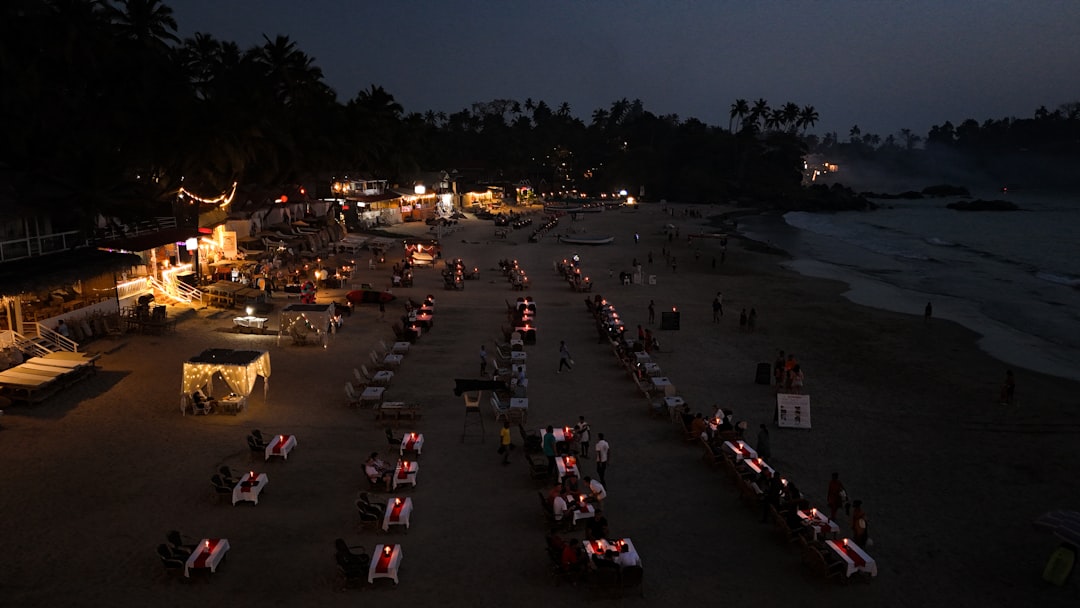
Guide to nightlife in Goa, India's beach party destination, covering North Goa's club scene, safety, drug risks, and cultural norms for visitors.
Mumbai
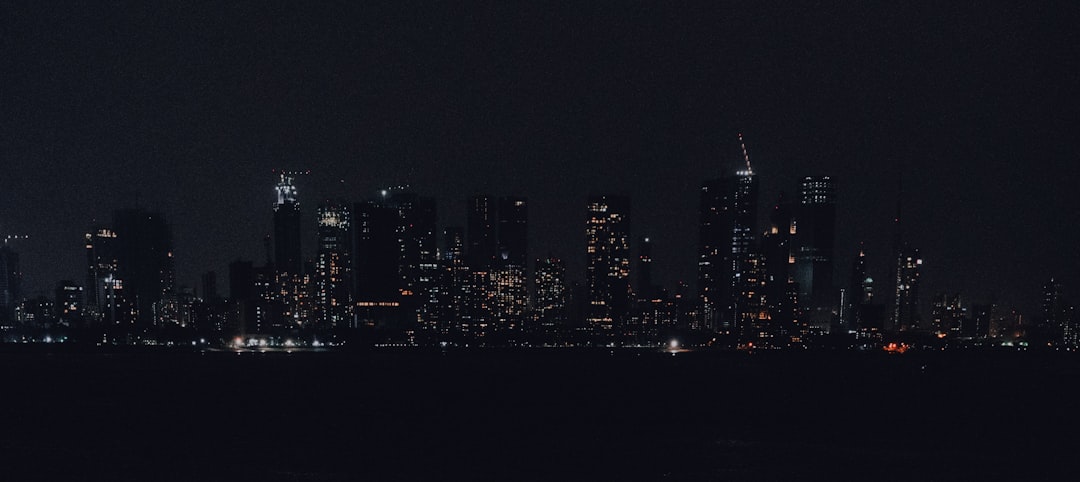
City guide to nightlife in Mumbai, covering Bandra's upscale scene, the Colaba-Fort heritage district, safety, and practical information for visitors.
Compare hotels in India
Hotels, hostels, and short-term rentals across the country's main nightlife cities.
Legal Framework
Prostitution itself is not illegal in India. The Immoral Traffic (Prevention) Act of 1956, known as ITPA, criminalizes brothel-keeping, soliciting, pimping, and living off the earnings of sex work. A person exchanging sex for money in a private setting does not technically break the law. The distinction matters.
This guide reflects conditions observed during our March 2026 visit.
Running or managing a brothel carries penalties of one to three years' imprisonment. Soliciting in public is punishable with up to six months in jail. These laws target the organized industry, not individuals acting privately. Police interpretation varies wildly between states and cities.
Enforcement Reality
Enforcement follows no consistent pattern. In some cities, police conduct periodic raids on known red-light areas, usually coinciding with media pressure or political campaigns. In others, establishments operate openly for years without interference. Bribes play a role. Officers in some jurisdictions expect regular payments from venue operators in exchange for non-interference.
India's nightlife laws vary by state. Maharashtra (Mumbai) allows bars to stay open until 1:30 AM with an extended license to 5:00 AM in designated zones. Goa has the most relaxed licensing, with some venues operating well past 3:00 AM. Several states maintain full or partial alcohol prohibition, including Gujarat, Bihar, and Mizoram.
Cultural Context
India's relationship with sexuality is contradictory. The country produced the Kama Sutra and has a long artistic tradition depicting physical love. Modern Indian society, shaped by Victorian-era colonial laws and conservative religious values, treats public discussion of sex as taboo. This gap between historical openness and present-day conservatism defines the nightlife experience.
Urban India is changing fast. Mumbai, Delhi, Bangalore, and Goa have young populations with disposable income, smartphone dating habits, and exposure to global culture. Rural India remains deeply conservative. The contrast is sharp.
Public displays of affection draw stares and sometimes confrontation. Same-sex relations were decriminalized by the Supreme Court in 2018, but social acceptance lags far behind the legal change. Discretion isn't optional here. It's the baseline expectation.
Dating Culture
Indian dating norms vary enormously by city, religion, and social class. In major cities, dating apps are widely used and casual dating is common among educated professionals under 35. Outside these urban bubbles, arranged marriages remain the norm and unsupervised contact between unmarried men and women still raises eyebrows.
Men are expected to pay on dates. This holds true across income levels. The concept of splitting a bill is gaining ground in cosmopolitan circles but remains unusual in most settings. Family involvement in relationships is the default, not the exception. Meeting a partner's parents carries weight, and most Indians consult their families before committing to a relationship.
Foreign men attract attention in India, sometimes positive, sometimes suspicious. Genuine interest exists alongside assumptions about wealth and visa access. Context and location matter. A foreigner in a Mumbai lounge bar is unremarkable. The same person in a small town will draw a crowd.
Common mistakes to avoid:
- Assuming that friendliness or curiosity equals romantic interest
- Ignoring the family dimension of relationships
- Public displays of affection outside of urban nightlife zones
- Expecting the same dating pace as Western countries
- Discussing religion or caste systems on early dates
Dating Apps
Tinder dominates India's dating app market, especially in Mumbai, Delhi, and Bangalore. Bumble is popular among women who prefer to initiate contact. Hinge has gained users in urban centers since 2023. OkCupid still has a following for its detailed profiles.
Local alternatives include Aisle, which positions itself as a serious relationship app for educated Indians, and TrulyMadly, which uses a trust score system. Both attract users looking for something beyond casual hookups.
Fake profiles and catfishing are common problems across all platforms. Some users create profiles primarily to gain Instagram followers. Others use dating apps as a route to solicitation, which is technically illegal under ITPA if done publicly. Expect to verify identities through video calls before meeting in person.
Tinder Plus costs roughly 500 to 800 INR per month (about 6 USD / 5.50 EUR). Bumble Premium runs around 1,000 INR monthly (12 USD / 11 EUR).
Key Cities
Mumbai is India's financial capital and its most active nightlife city. The bar and club scene centers on Bandra, Lower Parel, and the Colaba-Fort heritage district. Expect higher prices than the national average.
Goa functions as India's party destination. Beach clubs, trance parties, and a relaxed attitude toward alcohol make it the most tourist-friendly nightlife region in the country.
Delhi has a growing nightlife scene in areas like Hauz Khas and Connaught Place, though it closes earlier than Mumbai and faces stricter policing.
Bangalore attracts a young tech workforce and has a lively bar scene, but recent noise regulations have pushed many venues to close by 11:30 PM.
Safety Considerations
India requires more situational awareness than most tourist destinations:
- Petty crime and pickpocketing are common in crowded areas
- Use Uber or Ola for all nighttime transport, never hail unmarked vehicles
- Drink spiking occurs; watch your glass at all times
- Solo female travelers face higher harassment risks, especially at night
- Hospital quality varies dramatically; major private hospitals in Mumbai and Delhi are excellent, government hospitals less so
- Travel insurance with medical evacuation coverage is strongly recommended
- Save 112 (national emergency number) in your phone
Common Scams
Taxi meter refusal: Drivers in Mumbai and Delhi frequently refuse to use meters or claim they're broken. Use Uber or Ola apps instead, which set prices before pickup.
Inflated bar tabs: Some venues add items or inflate prices on the final bill. Track your orders and review the bill carefully.
The friendly local: Strangers who approach tourists unprompted near monuments or in tourist areas often have an agenda, whether it's directing you to a specific shop, offering "cheap" drugs, or running a confidence scheme.
Gem and carpet shops: Organized scams where drivers or "friends" take tourists to overpriced stores for commission. Decline all unsolicited shopping recommendations.
Drug setups: In Goa particularly, dealers may work with police. A purchase can lead to an arrest followed by demands for a bribe. Avoid street drug purchases entirely.
What Not to Do
- Do not carry or use recreational drugs; penalties include up to 20 years' imprisonment under the NDPS Act
- Do not photograph military installations, government buildings, or bridges
- Do not disrespect religious sites or customs, including removing shoes where required
- Do not eat beef in Hindu-majority areas or discuss beef consumption casually
- Do not engage with anyone who appears underage; report concerns to police at 112
- Do not assume that all Indian states have the same alcohol and nightlife laws
- Do not display large amounts of cash in public
Sources
- U.S. Department of State: India Travel Advisory - Entry requirements, safety alerts, and local law summary
- UK Foreign, Commonwealth & Development Office: India Travel Advice - Safety, health, and legal information for travelers
- Australian Government Smartraveller: India - Travel advisory and practical information
Get the Legal Status PDF, 50 countries
Newsletter signup coming soon. Check back shortly.
Emergency Information: India
- Emergency:
- 112
- Tourist Police:
- N/A
- Embassy Note:
- Most embassies are in New Delhi. Consulates in Mumbai and Chennai serve some countries.
Similar Countries to Explore
Maldives
Nightlife guide to the Maldives, covering Islamic law restrictions, resort-only alcohol access, safety, and what visitors should know about entertainment options.
Nepal
A Hindu-majority Himalayan republic where nightlife barely registers outside Kathmandu's Thamel district, shaped by conservative social norms, limited licensing, and a backpacker economy that keeps a handful of bars alive.
Pakistan
South Asian nation where strict Islamic law prohibits alcohol and nightlife, pushing social activity into hotel bars, private clubs, and underground gatherings in Lahore and Islamabad.
Sri Lanka
A conservative Buddhist island where nightlife barely exists outside Colombo's hotel bars and a handful of clubs, shaped by strict liquor licensing, post-civil war recovery, and deep cultural expectations around public behavior.
Similar Countries in Other Regions
Countries with a similar overall score to India (3.3) but in different parts of the world.
Austria
3.3Central Europe
Vienna's regulated nightlife scene, from Gurtel bar strips to Prater party zones. Fully legal and licensed, with German-speaking Europe's most structured approach.
Chile
3.3South America
Santiago and Valparaiso offer South America's most orderly nightlife scene, with cocktail bars, live music, and a late-night culture shaped by Chilean reserve and European influence.
Haiti
3.3Caribbean
Haiti's nightlife is extremely limited and concentrated in Petionville, the upscale hillside suburb of Port-au-Prince. Gang violence, kidnapping risk, and political instability make this one of the most dangerous destinations in the Western Hemisphere.
Was this guide helpful?