
Entertainment Districts
Pick a neighborhood to start exploring
District Map of Goa
Pick a district to recenter the map and see hotels nearby.
Where to stay in Goa
Compare hotels and rentals across the city's nightlife districts.
See places to stay and current pricesOverview
Goa is a former Portuguese colony on India's western coast that functions as the country's primary party destination. It isn't a city but a state of 1.5 million people, and its nightlife concentrates along a 30-kilometer stretch of North Goa's coastline. Beach shacks, trance parties, and a culture of permissiveness that doesn't exist elsewhere in India draw both domestic and international visitors.
Our team walked every district covered here.
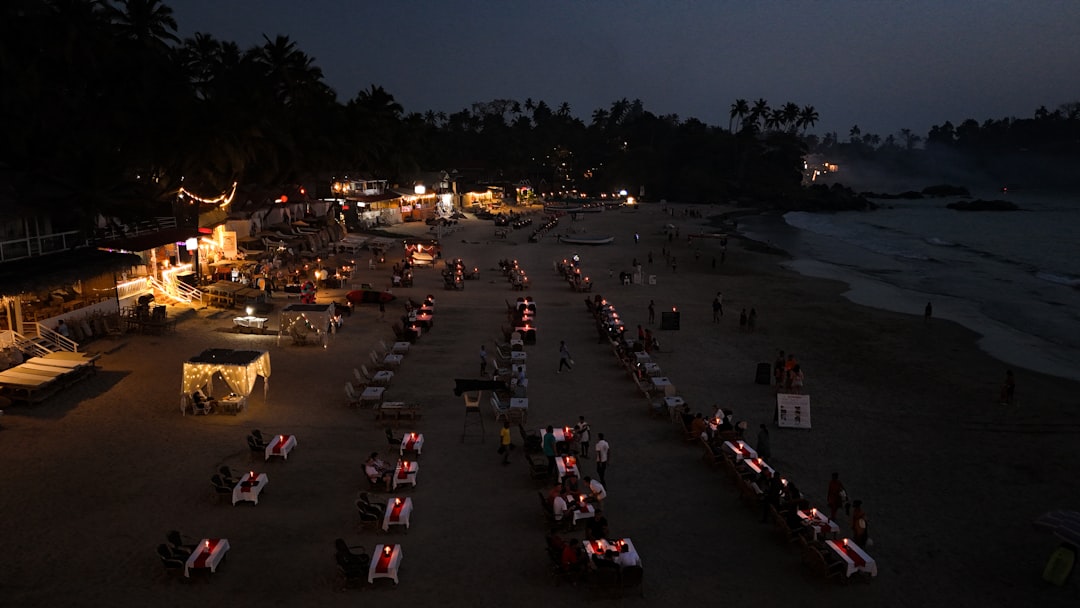
The scene splits cleanly. North Goa is the party. South Goa is the quiet beach holiday. Within North Goa, each beach has its own character: Baga is commercial and loud, Anjuna hosts the remnants of the trance scene, and Vagator sits somewhere between the two. The season runs from October through March. Outside those months, monsoon rains shut down most beach operations.
Legal Context
Goa has India's most relaxed alcohol laws. The legal drinking age is 18, the lowest in the country. Excise duty on alcohol is minimal, which keeps drink prices low. Bars and clubs can obtain licenses to operate past midnight, and enforcement of closing times is less rigid than in Mumbai or Delhi.
The ITPA applies in Goa as it does across India. Sex work exists, particularly around Calangute and Baga, but it operates discreetly. Police attention focuses on drug offenses, not nightlife per se. Goa's relationship with recreational drugs is complicated; the state's trance party legacy means drugs are widely available but also heavily policed when authorities decide to act.
Key Areas
Baga Beach. The commercial nightlife center of North Goa. Tito's Lane, a short strip packed with clubs and bars, is the most famous nightlife address in the state. The crowd is predominantly young domestic tourists. Weekends are packed.
Anjuna. A beach with deeper roots in Goa's counterculture. The Wednesday Flea Market has operated since the 1960s. Curlies Beach Shack on Anjuna Beach is an institution. Trance and electronic music events happen in the hills above the beach during season.
Vagator. Between Anjuna and Chapora, this area hosts some of Goa's best beach clubs and sunset venues. Hilltop, the legendary trance venue, sits above the beach. The atmosphere is more international and more relaxed than Baga.
Panjim. Goa's capital city has a growing bar scene in the Latin Quarter (Fontainhas), with heritage buildings converted to cocktail bars. Quieter and more sophisticated than the beach areas.
Safety
Goa is among India's safer tourist destinations, but specific risks exist:
- Motorcycle accidents are the leading cause of tourist injury; roads are poorly lit, locals drive unpredictably, and many tourists ride without experience or helmets
- Drink spiking occurs at beach parties and crowded clubs; never leave your glass unattended
- Drug police setups: dealers sometimes collaborate with police, resulting in arrests followed by bribe demands of 50,000 to 200,000 INR (600 to 2,400 USD)
- Rip currents cause drownings every season; swim only at beaches with lifeguards
- Petty theft from beach belongings is common; don't leave valuables unattended
- The nearest quality hospitals are in Panjim (GMC) and Margao; carry travel insurance
- Save 112 in your phone
Cultural Norms
Goa is more permissive than the rest of India, but limits exist:
- Swimwear is fine on the beach but not in towns, restaurants, or temples
- Public nudity is illegal despite what some travelers assume from Goa's hippie reputation
- Drinking in public (outside of beach shacks and licensed venues) can result in fines
- Goan locals are friendly but tire of tourist misbehavior; respect goes both ways
- Religious sites (churches, temples) require modest dress and respectful behavior
- Loud music after 10 PM in residential areas draws complaints and police action
- Cannabis is illegal despite its cultural visibility; possession carries jail time
Social Scene
Goa attracts a diverse mix of travelers, long-stay digital nomads, and seasonal residents, creating a social environment unlike anywhere else in India.
Beach shacks. The simplest way to meet people. Shacks along Anjuna, Vagator, and Morjim beaches fill with travelers from late afternoon onward. Conversation starts easily when everyone's sitting in the sand watching the sunset.
Digital nomad community. Goa's affordable cost of living and reliable internet have built a year-round community of remote workers. Coworking spaces in Assagao and Anjuna (Clay, Workbay) host social events. The Goa Digital Nomads Facebook group organizes weekly meetups.
Trance and music events. Goa's trance scene isn't what it was in the 1990s, but events still draw an international crowd from November through February. Hilltop in Vagator and the Hill behind Anjuna host the biggest parties. Entry runs 500 to 2,000 INR (6 to 24 USD).
Dating Apps in Goa
Tinder and Bumble work in Goa, though the user base is smaller and more seasonal than in Mumbai. During peak season (November through February), the pool of active users swells with tourists and seasonal visitors. Off-season, matches are scarce. Bumble's BFF mode actually sees real activity among the nomad community. Most connections happen in person at beach shacks and parties rather than through apps.
Scam Warnings
The drug-and-arrest setup: Dealers, sometimes the same ones who sell to tourists, tip off police in exchange for a cut of the bribe. Arrests lead to demands for 50,000 to 200,000 INR cash to "resolve" the matter. This is organized and common. Avoid buying drugs from strangers on the beach or at parties.
Motorcycle rental scams: Rental shops claim damage on return that didn't exist. Photograph the bike thoroughly before and after rental. Typical scooter rental costs 300 to 500 INR per day (3.50 to 6 USD).
Beach shack overcharging: Some shacks near Calangute and Baga inflate prices for tourists. Check the menu before ordering and review your bill.
Fake tour operators: Unlicensed operators sell boat trips and excursions at inflated prices. Book through your accommodation or verified operators.
Best Times
- November through February: Peak season, best weather, all venues open, maximum crowd
- October and March: Shoulder season, quieter but most venues still operating
- Saturday nights: Biggest club nights across North Goa
- Full moon and new moon: Trance parties cluster around these dates
- Avoid: June through September (monsoon); most beach shacks close, roads flood, and the scene goes dormant
- Christmas and New Year's Eve: Goa's busiest and most expensive period; book everything weeks in advance
Getting Around
- Scooter/motorcycle rental: The standard transport in Goa; 300 to 500 INR per day for a scooter, 800 to 1,500 INR for a Royal Enfield. International driving permits are technically required
- Uber/Ola: Limited coverage compared to Mumbai; available in Panjim and somewhat in North Goa
- Local taxis: Goa's taxi cartel keeps prices high; negotiate before boarding. Calangute to Anjuna runs about 400 INR
- Pilot services: Motorbike taxi drivers who can take you home after drinking; find them outside major venues at night, typically 200 to 500 INR depending on distance
- Walking: Possible between nearby beaches but impractical for longer distances
What Not to Do
- Do not buy drugs from beach dealers or strangers at parties; the risk of police setups is real
- Do not ride a scooter without a helmet or while drunk; road fatalities among tourists are common
- Do not swim after dark or in unpatrolled areas
- Do not leave valuables on the beach while swimming
- Do not play loud music in residential areas after 10 PM
- Do not assume Goa's relaxed atmosphere means all laws are suspended
- Do not engage with anyone who appears underage; report concerns to police at 112
Get the Legal Status PDF, 50 countries
Newsletter signup coming soon. Check back shortly.
Flights to Goa
Compare prices across airlines. Filter by stops, time, and cabin.
Airport transfer to Goa
Pre-booked transfers cost about the same as a metered taxi but cut out the airport queue, the meter argument, and the "no English" routine that takes some drivers to the wrong address. Fixed price quoted before booking, driver tracks your flight, waits with a name sign at arrivals.
Book a KiwiTaxi transferFrequently Asked Questions
Was this guide helpful?