
Entertainment Districts
Pick a neighborhood to start exploring
Gurtel / Josefstadt
4/5SafeGuide to Vienna's Gurtel bar strip. Railway arch bars, clubs, and late-night spots along the ring road in the 8th and 16th districts.
6 nightlife spots listed
Prater / Leopoldstadt
3/5ModerateGuide to Vienna's Prater and Leopoldstadt nightlife area. Clubs, late-night bars, and the Danube Canal scene in the 2nd district.
6 nightlife spots listed
District Map of Vienna
Pick a district to recenter the map and see hotels nearby.
Where to stay in Vienna
Compare hotels and rentals across the city's nightlife districts.
See places to stay and current pricesOverview
Vienna operates on two timelines. By day, it's imperial palaces, coffee houses, and classical concerts. After dark, a different city emerges. Underground electronic music venues pulse in converted cellars. The Gurtel ring road lights up with bar after bar built into old railway arches. Wine taverns in the hills serve new wine until the last guest leaves. The Prater amusement park's giant Ferris wheel turns against a backdrop of clubs and late-night venues.
We spent 3 days in Vienna researching this guide.
The city's 24-hour weekend public transport system removes the constraint that kills nightlife in other cities. On Friday and Saturday nights, every U-Bahn line runs through the night, which means 04:00 is the middle of the evening, not the end.
Legal Context
Vienna has the most developed regulatory framework for adult entertainment in Austria. The Vienna Prostitution Act governs registration, health requirements, and venue licensing. All activities are legal when conducted within this framework.
Licensed establishments operate openly and are listed in public directories. The city maintains dedicated health services for sex workers and conducts regular inspections of registered premises. Enforcement targets unlicensed operations and trafficking, not registered activity.
Key Areas
The Gurtel is a ring road that follows the path of old fortifications. Between Josefstadt and Hernals, the railway arches beneath the U6 line have been converted into a continuous strip of bars, clubs, and restaurants. It's Vienna's most concentrated nightlife zone.
Prater/Leopoldstadt encompasses the area around the Prater park and Praterstern station in the 2nd district. Clubs, late-night bars, and the Prater park's own entertainment venues create a distinct nightlife zone east of the Danube Canal.
Bermuda Triangle (Bermuda Dreieck) near Schwedenplatz packs bars, pubs, and small clubs into a few blocks of the 1st district. It's the most central and tourist-accessible nightlife cluster.
Museumsquartier/Naschmarkt attracts a cocktail bar and wine bar crowd. The Naschmarkt food market has restaurants and bars along its length, while the Museumsquartier courtyard fills with outdoor drinkers on warm evenings.
Safety
Vienna is remarkably safe for a European capital of its size. Walking alone at night in most neighborhoods carries minimal risk.
- The area around Praterstern/Wien Nord station has a visible drug scene and is the one place where awareness should increase after midnight
- Karlsplatz has a similar dynamic, though concentrated in the U-Bahn passage rather than the surface
- Pickpockets work the U-Bahn during rush hour and at crowded events but are less prevalent than in Paris or Rome
- The Gurtel bar strip is safe; the main hazard is traffic on the ring road itself
- Licensed adult venues are regulated and safe. Unlicensed operations offer no such guarantee
Costs and Pricing
Beer at a standard bar costs EUR 4-5.50 for a half-liter Krugel. Austrian beer is good and reasonably priced compared to cocktails. Wine (Gruner Veltliner, Zweigelt) runs EUR 3.50-6 per glass at bars, less at Heuriger.
Cocktails cost EUR 10-15 at mainstream bars, EUR 14-20 at upscale spots. Clubs charge EUR 5-15 entry, with larger venues like Flex, Grelle Forelle, or Pratersauna reaching EUR 15-20 for international DJ nights.
The best budget option is the Heuriger (wine tavern). These family-run establishments in districts like Neustift am Walde, Grinzing, and Stammersdorf serve new-vintage wine (Heuriger or Sturm in autumn) for EUR 3-5 per glass, with self-service buffets of bread, spreads, cold cuts, and salads for EUR 8-15 per person. They close when the wine runs out.
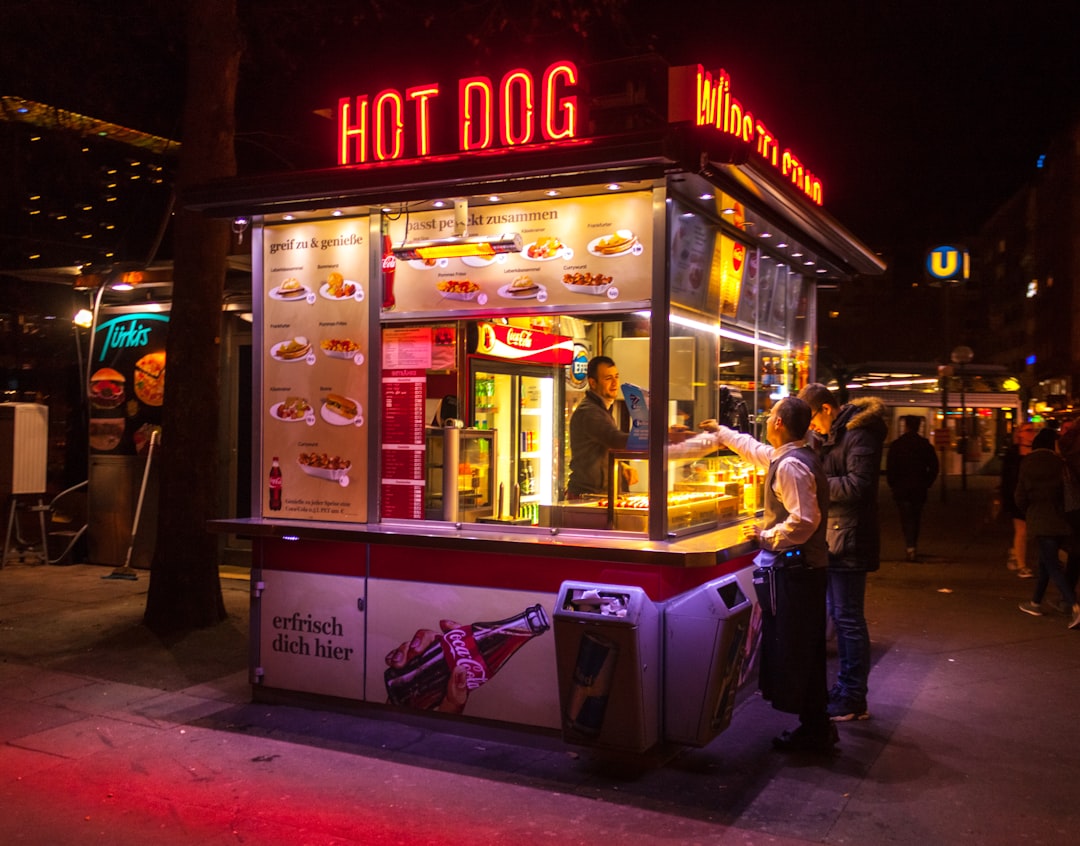
Late-night food: Wurstelstand sausage stands operate at major intersections and transit stations through the night. A Kasekrainer (cheese-filled sausage) with bread and mustard costs EUR 4-5. Balkan grill restaurants (Cevapcici, Pljeskavica) are scattered throughout the city and open until 02:00-04:00, with plates costing EUR 8-12.
Public transport: single U-Bahn/tram ticket EUR 2.40, 24-hour pass EUR 8. Worth buying the weekly pass at EUR 17.10 for stays over two days.
Cultural Norms
Viennese social norms blend Central European formality with a distinctive local warmth called "Wiener Schmah" (Viennese charm), which involves dry humor, gentle irony, and a talent for complaining that's actually a form of bonding. Grumbling about Vienna is a Viennese national sport; don't mistake it for genuine unhappiness.
Formality persists in greetings. "Gruss Gott" (God greet you) is the standard hello, not "Hallo." Use "Sie" (formal you) with strangers and in service interactions. Switching to "du" (informal) is an invitation that the other person initiates. Getting this wrong isn't catastrophic, but getting it right earns respect.
At bars, you seat yourself. Flagging down a waiter is done with eye contact and a slight nod, not by waving or calling out. Tipping is expected: round up to the nearest euro on small tabs, or add 5-10% on larger ones. Say the total you want to pay when handing over cash ("Stimmt so" means keep the change).
Social Scene
The Bermuda Triangle is Vienna's most accessible social zone. Dense bars, short walking distances, and a mix of locals and visitors create natural social opportunities. Krah Krah, Bermuda Brau, and Roter Engel anchor the triangle with different atmospheres on the same block.
For the local university crowd, the area around the Universitat U-Bahn station and the surrounding 8th and 9th districts has affordable bars, student pubs, and cultural venues. The Universitatsbrauhaus and Charlie P's draw regular crowds on weekday evenings.
Vienna's underground electronic music scene is world-class despite limited global recognition. Clubs like Grelle Forelle (on the Danube Canal), Flex (under the Augartenbrucke), and Pratersauna (in a former public bath in the Prater) host international DJs and foster a dedicated community. Door policies at these venues prioritize genuine music interest over appearance.
The Naschmarkt area comes alive after work on Fridays. The market's bars serve wine and beer alongside food stalls, and the crowd overflows onto the surrounding streets. It's Vienna's most diverse social gathering, mixing students, professionals, immigrants, and tourists.
Local Dating Notes
Viennese are reserved on initial contact. Cold approaches in bars succeed less often than in Southern European cities. Social circles, friend introductions, and shared activities (language classes, sports clubs, university events) are more typical entry points for dating.
Once contact is established, Viennese dating is straightforward. People say what they mean, plans are kept, and ambiguity is less tolerated than in cultures with more game-playing. Coffee house meetings are the classic first date format. Pick a traditional Kaffeehaus, order a Melange, and let conversation develop without rushing.
Scam Warnings
Vienna has minimal nightlife scams. Overcharging at tourist bars near Stephansplatz and the State Opera is the most common issue. Check menus before ordering, and verify the bill against your order.
Best Times
Thursday through Saturday for clubs and bars. Thursday is a major going-out night for the student and young professional crowd. Summer (June-August) shifts activity outdoors, with open-air bars along the Danube Canal (Copa Cagrana, Strandbar Herrmann) and extended Heuriger hours. Winter drives people into the warmth of bars and clubs. The ball season (January-February) adds formal social events to the calendar.
Getting Around
Vienna's U-Bahn has five lines covering the city thoroughly. Runs 24 hours on Friday and Saturday nights. Trams supplement the metro with extensive coverage of inner districts. Taxis are metered and honest. Uber operates. City bikes (WienMobil Rad) have stations throughout the center for short trips.
What Not to Do
- Don't be loud on public transport. Viennese take quiet train rides seriously
- Don't skip the Heuriger. Wine taverns in the outer districts are a genuine Viennese institution, not a tourist invention
- Don't try to tip by leaving coins on the table. Tell the waiter the total you want to pay
- Don't confuse Vienna for "just another German city." Viennese identity is distinct, and the comparison is unwelcome
- Don't ignore the electronic music scene. Grelle Forelle and Flex are internationally recognized for a reason
Get the Legal Status PDF, 50 countries
Newsletter signup coming soon. Check back shortly.
Flights to Vienna
Compare prices across airlines. Filter by stops, time, and cabin.
Airport transfer to Vienna
Pre-booked transfers cost about the same as a metered taxi but cut out the airport queue, the meter argument, and the "no English" routine that takes some drivers to the wrong address. Fixed price quoted before booking, driver tracks your flight, waits with a name sign at arrivals.
Book a KiwiTaxi transferFrequently Asked Questions
Related Guides
Gurtel / Josefstadt
Guide to Vienna's Gurtel bar strip. Railway arch bars, clubs, and late-night spots along the ring road in the 8th and 16th districts.
Read guidePrater / Leopoldstadt
Guide to Vienna's Prater and Leopoldstadt nightlife area. Clubs, late-night bars, and the Danube Canal scene in the 2nd district.
Read guideWas this guide helpful?