
The Key Neighborhoods
Detailed guides for every area
Barra
3/5ModerateGuide to Barra's oceanfront nightlife in Salvador, covering beach bars, clubs, the Farol lighthouse area, safety, and pricing.
10 nightlife spots listed
Pelourinho
2/5RiskyGuide to Pelourinho's nightlife in Salvador, including live samba bars, cachaça houses, capoeira squares, safety advice, and pricing.
10 nightlife spots listed
Rio Vermelho
2/5RiskyGuide to Rio Vermelho, Salvador's bohemian nightlife district, covering live-music bars, late-night botecos, safety, and pricing.
10 nightlife spots listed
District Map of Salvador
Pick a district to recenter the map and see hotels nearby.
Where to stay in Salvador
Compare hotels and rentals across the city's nightlife districts.
See places to stay and current pricesOverview
Salvador is the capital of Bahia and the cultural heart of Afro-Brazilian Brazil. Founded in 1549, it was the country's first capital and the main port of the transatlantic slave trade, history that runs through every part of its music, food, religion, and street life today. The nightlife scene reflects this heritage: live samba, axe, forro, and reggae in colonial squares, capoeira circles on cobblestones, and a rhythm that's slower and more participatory than the dance-club model of Rio or Sao Paulo.
This guide is based on multiple visits to Salvador's three main nightlife neighborhoods.
The adult entertainment industry here operates under the same legal-unregulated framework as the rest of Brazil. Most of what visitors find is not the industrialized scene of Copacabana or Vila Mimosa but something more dispersed: bars where freelancers operate informally, late-night beach kiosks, and a handful of dedicated venues scattered across Barra and Rio Vermelho. The city's real draw is its music and street culture, not its sex tourism.
Salvador also carries real safety challenges. Violent crime rates here are among the highest of Brazil's major tourist cities, and street robbery is common even in the policed historic center. Visitors who treat Salvador like Rio's Zona Sul will get themselves in trouble. Those who plan their movements, use ride-hailing apps, and carry only what they can afford to lose will find one of the most rewarding cities in South America.
Legal Context
Brazilian law treats individual sex work as legal for consenting adults over 18. There is no criminal penalty for selling or buying sexual services. What the penal code prohibits is operating a brothel (casa de prostituicao), pimping, profiting from another person's sex work, and any form of trafficking or sexual exploitation, especially involving minors.
In Salvador, this framework produces the familiar gray zone. Venues hold standard licenses as bars, restaurants, or clubs. Any private arrangements between consenting adults happen outside the venue's formal operations. Police enforcement focuses on trafficking, exploitation of minors, drug trafficking, and organized crime, not consensual transactions.
Bahia's state police (Policia Militar) and tourist police (DELTUR) maintain a visible presence in Pelourinho and Barra during peak hours and events. Enforcement is uneven and tends to spike around Carnival and major holidays. The penalty for any sexual offense involving a minor under 18 is severe under Brazilian law, including long prison sentences and aggravated charges for foreign nationals.
Key Areas
Pelourinho is the UNESCO-listed colonial historic center, a sloped grid of pastel-painted facades, cobblestone streets, and baroque churches. Tuesdays bring "Pelourinho Day" with free outdoor concerts on Terreiro de Jesus and Largo do Pelourinho, and live music spills out of bars on Largo Quincas Berro d'Agua, Largo da Tieta, and Rua das Laranjeiras most nights of the week. The area is heavily policed during operating hours but empties out fast after 1 AM.
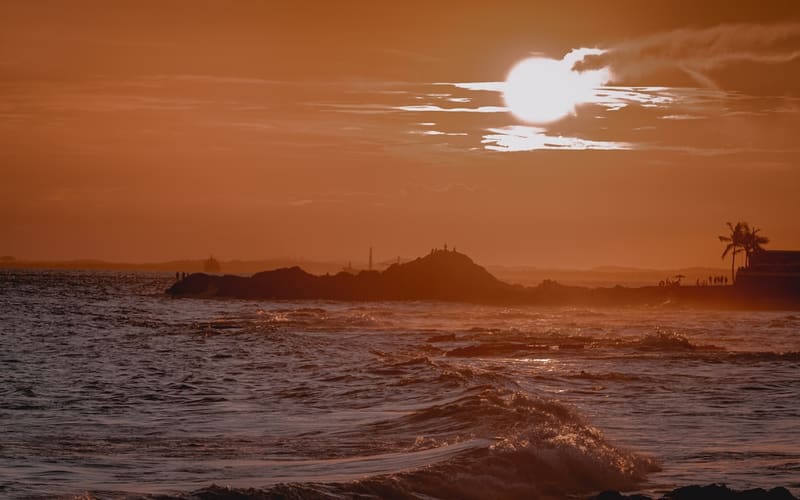
Barra wraps around the southern tip of the peninsula where the Atlantic meets the Bay of All Saints. The Farol da Barra lighthouse and its restored fort anchor the neighborhood, with the Avenida Oceanica running along the beach lined with hotels, beachfront bars, restaurants, and a handful of clubs. This is the most tourist-oriented part of Salvador, with the highest concentration of foreign visitors and the most polished (and most expensive) venues.
Rio Vermelho is Salvador's bohemian district, set on a hilly stretch of coast a 15-minute ride north of Barra. This is where locals go out, particularly the artists, musicians, and middle-class soteropolitanos who can't afford the Pelourinho tourist markup. The Largo da Mariquita and the renovated Vila Caramuru complex (the old fish market) are the social anchors, with dozens of bars, live music venues, late-night food stalls, and clubs spreading inland from the seafront.
Safety
Salvador requires a higher level of caution than most South American capitals. The state of Bahia consistently ranks among Brazil's most violent, and Salvador itself has one of the highest homicide rates of any major Brazilian city. Tourists rarely encounter the worst of it (most violence is concentrated in peripheral neighborhoods), but armed robbery, mugging, and phone snatching reach into Pelourinho, Barra, and Rio Vermelho regularly.
The patterns are predictable. Phone snatching happens on the sidewalk to anyone walking with a phone in hand. Necklace and chain grabs happen near tourist sites in daylight, usually by teenagers on foot. Armed mugging happens on quiet side streets, in unlit stretches near the beach, and at ATMs after dark. Drink spiking happens in bars frequented by foreigners.
The Pelourinho area is patrolled and has security cameras, but the surrounding neighborhoods (Santo Antonio, Saude, Liberdade) get rough fast. Walking from Pelourinho to Comercio or Barra at night is a robbery setup. So is walking the beach at Porto da Barra, Farol da Barra, or Ondina after dark.
- Use Uber or 99 exclusively for transport at night, including short distances within neighborhoods
- Never walk between Pelourinho, Barra, and Rio Vermelho. Always take a car
- Leave your passport at the hotel. Carry a photocopy and only the cash you need
- Don't carry a phone in your hand. Keep it pocketed and out of sight when walking
- Don't wear jewelry, watches, or visible electronics
- Don't resist if confronted. Hand everything over. Armed robbers in Salvador shoot
- Avoid all beaches after dark, including the supposedly safer Porto da Barra
- Don't use ATMs at night or in isolated areas. Withdraw cash during the day, inside bank branches or shopping malls
- Travel insurance with medical evacuation coverage is strongly recommended
Cultural Norms
Bahian culture moves at its own pace. Soteropolitanos (Salvador residents) are warm, physically expressive, and genuinely social, but the rhythm is slower than Sao Paulo's and less performative than Rio's. People sit at sidewalk tables for hours nursing one beer. Conversations stretch. Promises run on "Bahian time," which means everything starts later than scheduled.
A few practical norms:
- Basic Portuguese helps enormously. English is less common here than in Rio, even at tourist bars
- Salvador is one of the most religious cities in Brazil, with a strong Catholic tradition layered over Candomble (Afro-Brazilian religion). Treat religious sites and ceremonies with respect
- Nightlife runs late but starts earlier than in Sao Paulo. Bars fill from 9 PM, peak from 11 PM to 2 AM
- Tipping isn't mandatory; the 10% service charge on restaurant bills is usually included. Round up at bars
- Capoeira circles (rodas) form spontaneously on Pelourinho's squares. Watch, applaud, tip the musicians; don't try to join unless invited
- Afro-Brazilian heritage is central to Bahian identity. Avoid treating it as exotic decoration
- Carnival (the week before Lent) transforms the entire city. Expect blocked streets, inflated prices, and a different set of safety calculations
Social Scene
Salvador's social scene runs on live music. Pelourinho hosts public concerts on Tuesday nights, when the historic center fills up with locals and tourists for what's known as Tuesday Blessing (Terca da Benção), built around the 6 PM mass at Igreja do Rosario dos Pretos followed by hours of outdoor performances. The energy is more participatory than passive, with people dancing in the squares rather than sitting in venues.
Rio Vermelho is where locals socialize during the rest of the week. The Largo da Mariquita and Largo de Santana fill with people from sunset onwards, sidewalks lined with plastic chairs, vendors selling acaraje and tapioca, and live music drifting out of the bars surrounding the squares. This is the most authentic social scene in Salvador and the easiest place for a foreign visitor to meet locals.
The beach is the daytime social anchor. Porto da Barra, the small protected cove between Forte de Santa Maria and Forte de Sao Diogo, is where families and twentysomethings gather to watch the sunset. Praia do Farol da Barra, on the open Atlantic side, is rougher and more crowded. Both are walkable from the Barra nightlife strip.
The expat community in Salvador is small compared to Rio or Sao Paulo, with a stronger presence of Europeans (particularly French and Italians) than Anglo expats. InterNations holds occasional meetups, and Facebook groups like "Expats in Salvador" coordinate small gatherings. The city's gay scene is concentrated around the Pelourinho area and parts of Barra; Beco dos Artistas is the traditional LGBTQ+ meeting point.
Local Dating Notes
Bahian women, like Bahian men, are generally direct about attraction. The social barriers in Salvador are lower than in most cities and conversations move quickly. Foreign visitors often experience this as flirtation; sometimes it is, sometimes it's just friendliness, and sometimes it's a setup. Drink spiking (Boa Noite Cinderela) is a real risk in Salvador. Stay with public meeting places for first dates, watch your drink, and trust your instincts.
Dating Apps
- Tinder is the most-used app in Salvador, particularly among the 18-30 demographic. Active in all three nightlife districts
- Bumble has a smaller but well-educated user base, skewed toward Rio Vermelho and Barra
- Happn has strong adoption in Brazil and is useful for finding people you've crossed paths with in specific neighborhoods
- Hinge has limited traction outside major business hubs; not particularly useful in Salvador
- OkCupid maintains a small Bahian user base, mostly older demographics
The same safety rules apply as elsewhere in Brazil. Meet in public, verify with a video call before meeting in person, never invite a first date directly to your hotel, and watch for fake profiles built around stock photos. Be especially cautious of profiles that move quickly to asking for money, transport help, or meetings in unfamiliar neighborhoods.
Scam Warnings
The "friendship bracelet" scam in Pelourinho: A woman or child approaches you on the cobblestones, smiling, and ties a brightly colored ribbon around your wrist as a "blessing" from Senhor do Bonfim. They then demand R$50-200 in payment. The bracelet is tied with a knot that's hard to remove. Politely decline before the bracelet touches your wrist, and walk away.
Drink spiking (Boa Noite Cinderela): This is a documented problem in Salvador's bars, particularly in Rio Vermelho and Barra. Victims are drugged, taken to ATMs, and forced to withdraw cash before being abandoned. Never leave your drink unattended, don't accept open drinks from strangers, and tell your hotel front desk where you're going before you leave.
Necklace and chain grabs: Thieves on foot grab gold chains, watches, and necklaces in broad daylight near tourist sites. Don't wear visible jewelry in Pelourinho, Barra, or near the Farol lighthouse.
Fake "police" stops: Plainclothes individuals claiming to be police may stop you, ask to see your wallet "for drug inspection," and pocket cash. Real police in Bahia wear visible uniforms and badges. Ask for identification, refuse to hand over your wallet, and walk to the nearest open business.
Overcharging at beachfront kiosks: Some Porto da Barra and Farol kiosks charge double for visitors who don't ask the price first. Always confirm the price before ordering, count your drinks, and check the bill before paying.
Capoeira "donation" pressure: After watching a capoeira circle on Pelourinho's squares, performers may approach asking for R$50-100 per person. A normal tip is R$5-10. Tip what you want, don't be intimidated into matching their request.
Best Times
Salvador's climate is hot and humid year-round. The high season for nightlife is November through March, peaking with Carnival, which falls in February or March depending on the year. The lower season (April through October) is cooler, drier, and significantly cheaper.
- Carnival (week before Lent): Salvador hosts the largest street Carnival in the world, with three main circuits (Barra-Ondina, Campo Grande-Castro Alves, Pelourinho) and millions of people on the streets. Hotel prices triple, the city operates on a different schedule, and safety calculations change completely
- December through March (summer): Peak season, hot, humid, busiest at bars and beaches
- August through October (cooler dry season): Quieter, more comfortable temperatures, lower prices
- Tuesday nights: Terca da Benção brings the biggest weekly crowds to Pelourinho
- Friday and Saturday: Peak nights for Rio Vermelho and Barra venues
- Festival calendar: Festa de Iemanja (February 2), Lavagem do Bonfim (second Thursday in January), Sao Joao (June) all draw large crowds and shift the nightlife rhythm
Getting Around
- Uber and 99: The default mode of transport at night. Reliable, affordable (R$10-25 between most nightlife points), and significantly safer than walking or taxis. Both apps work throughout Salvador
- Taxis: Available but more expensive than Uber, and reports of overcharging or refusing the meter are common with hailed cabs. Use only from official ranks at hotels or airports if you must take one
- Local buses: Functional during the day but unsafe at night. Robbery on buses is a documented problem. Never take a bus after dark
- Metro (Linha 1 and 2): Limited reach. Connects the airport, central business district, and a few residential areas. Useful for daytime airport transfers, not for nightlife
- Elevador Lacerda: The historic elevator connecting Cidade Alta (Pelourinho) and Cidade Baixa (Comercio) operates during daylight hours. The Comercio area is unsafe at night and you should not be there after dark anyway
- Walking: Fine during the day in Pelourinho, Barra, and Rio Vermelho. Not recommended at night, even short distances
What Not to Do
- Don't walk anywhere at night, even between bars on the same block
- Don't carry your passport or any document you can't afford to lose
- Don't wear jewelry, watches, or expensive sunglasses
- Don't take your phone out on the street, especially in Pelourinho
- Don't go to any beach after dark, including the protected Porto da Barra
- Don't take buses at night under any circumstances
- Don't walk between Pelourinho and Comercio, or down the hill toward Agua de Meninos
- Don't accept friendship bracelets or "blessings" from strangers in Pelourinho
- Don't accept drinks from people you've just met at bars
- Don't resist during a robbery; armed muggers in Salvador shoot
- Don't venture into peripheral neighborhoods (Pero Vaz, Federacao, Liberdade) without a local guide
- Don't engage with anyone who appears underage; Brazilian law treats offenses against minors with extreme severity
- Don't assume Pelourinho is safe after the bars close; the area empties out fast and street crime spikes
Get the Legal Status PDF, 50 countries
Newsletter signup coming soon. Check back shortly.
Flights to Salvador
Compare prices across airlines. Filter by stops, time, and cabin.
Airport transfer to Salvador
Pre-booked transfers cost about the same as a metered taxi but cut out the airport queue, the meter argument, and the "no English" routine that takes some drivers to the wrong address. Fixed price quoted before booking, driver tracks your flight, waits with a name sign at arrivals.
Book a KiwiTaxi transferRelated Guides
Barra
Guide to Barra's oceanfront nightlife in Salvador, covering beach bars, clubs, the Farol lighthouse area, safety, and pricing.
Read guidePelourinho
Guide to Pelourinho's nightlife in Salvador, including live samba bars, cachaça houses, capoeira squares, safety advice, and pricing.
Read guideRio Vermelho
Guide to Rio Vermelho, Salvador's bohemian nightlife district, covering live-music bars, late-night botecos, safety, and pricing.
Read guideFrequently Asked Questions
Was this guide helpful?