Rio Vermelho
Legal, Unregulated2/5RiskyGuide to Rio Vermelho, Salvador's bohemian nightlife district, covering live-music bars, late-night botecos, safety, and pricing.

Where to stay near Rio Vermelho
Hotels walking distance from the venues on this page.
See places to stay and current pricesTop Spots for a Night Out
What's open and worth your time
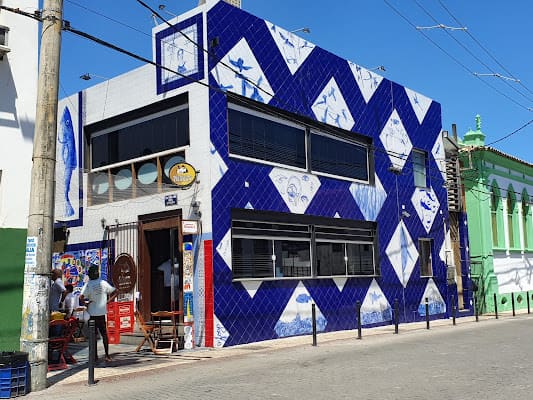
Boteco do França
Long-running boteco repeatedly voted the best in Salvador, with cold beer, traditional petiscos, and personalized service. Sidewalk tables fill up nightly and conversations stretch past midnight.
Rua Borges dos Reis, 24-A, Rio Vermelho
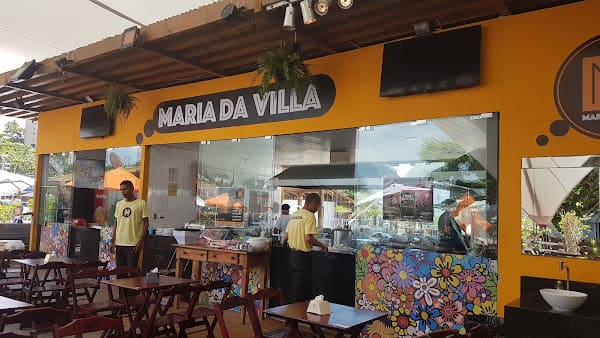
Vila Caramuru
Renovated complex on the site of the old fish market with around 11 restaurants and 8 kiosks under one roof. Multiple stages host live music, the seafront patio overlooks Praça Caramuru, and the food options span Bahian classics to pizza and burgers.
Praça Caramuru, Rio Vermelho
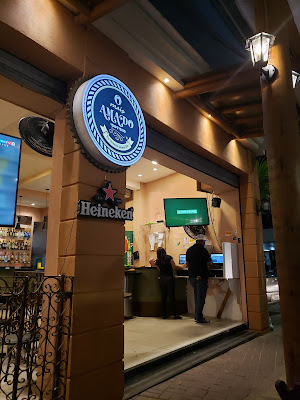
O Mais Amado Boteco
Casual boteco on Largo da Mariquita with plastic chairs spilling onto the square, cold draft beer, and a stream of locals stopping in from sunset onwards. One of the easiest places to land at without a plan.
Largo da Mariquita, 10A, Rio Vermelho
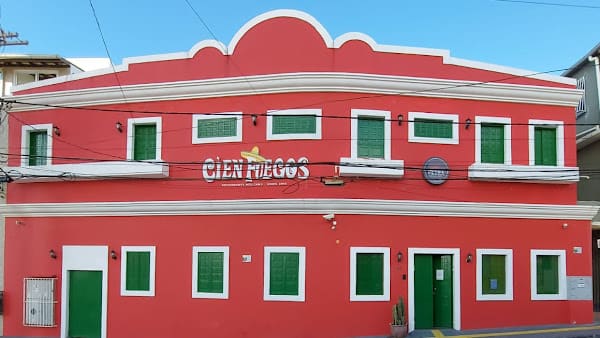
Cien Fuegos
Late-night club with a dance floor, live music nights, and Latin-leaning programming. Karaoke runs on certain weeknights, and the weekend lineup pulls in a mixed crowd until early morning.
Rua Alexandre Gusmão, 60, Rio Vermelho
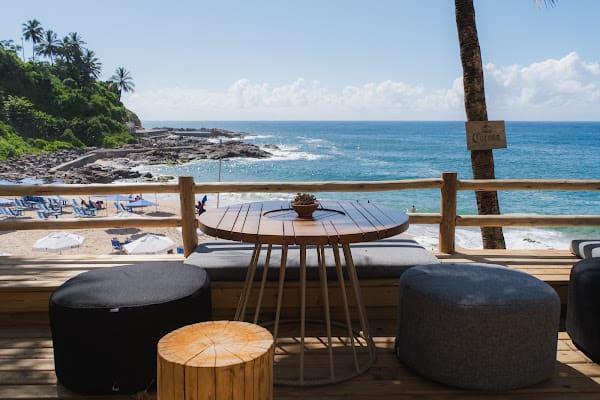
Blue Praia Bar
Seafront bar with Bahian cuisine, draft beer, and a deck looking out over the Atlantic. The setting is upscale by Rio Vermelho standards and the cocktails are reliably well made.
Rua da Paciência, Rio Vermelho
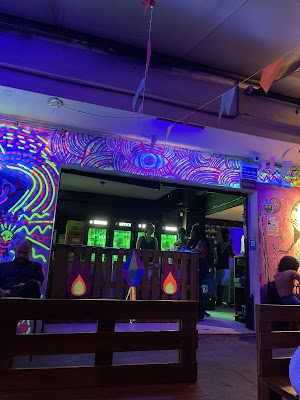
BomBar
Multi-room live-music venue with Bahian food, cocktails, and an active stage program covering MPB, samba, and pop. The crowd cycles between a quieter restaurant atmosphere early and a dance-oriented bar later.
Rua Borges dos Reis, Rio Vermelho
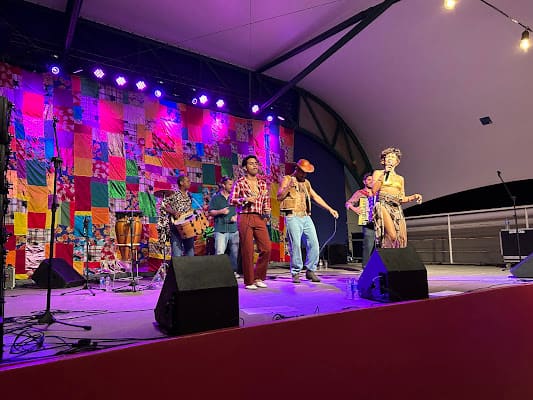
Casa Rosa
Cultural space in a restored waterfront building dating to the early 20th century. Hosts live music, theater, exhibitions, and Bahian-themed events including the weekly Quinta da Casa series.
Praça Colombo, 106, Rio Vermelho
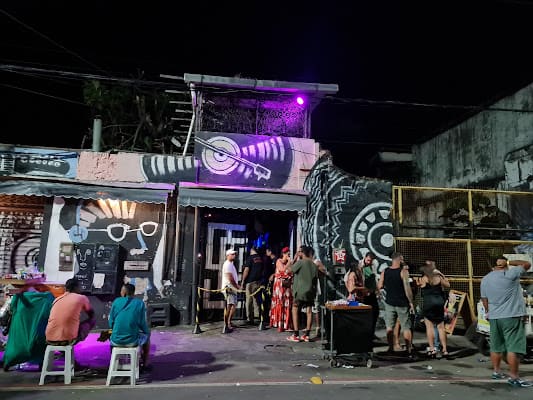
Borracharia
Bar set in an old tire shop with a deliberately industrial aesthetic, rock-leaning playlists, and a young alternative crowd. Stays open late on weekends and draws a different demographic than the Largo da Mariquita botecos.
Rua Conselheiro Pedro Luiz, 101, Rio Vermelho
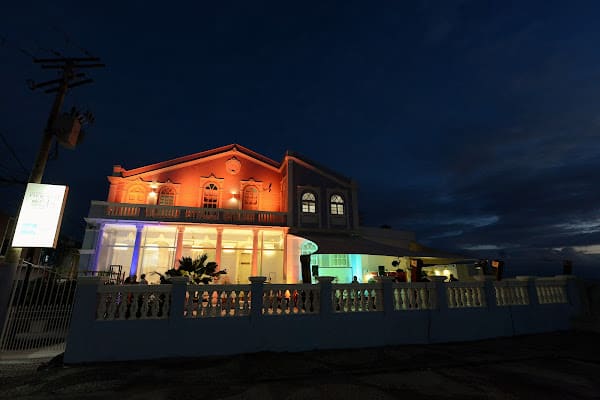
Varanda do Sesi
Intimate stage hosting a varied program of established and emerging Brazilian musicians, with strong showings from MPB, samba, and jazz acts. The room is small, the sound is good, and tickets are reasonable.
Rua Conselheiro Pedro Luiz, Rio Vermelho
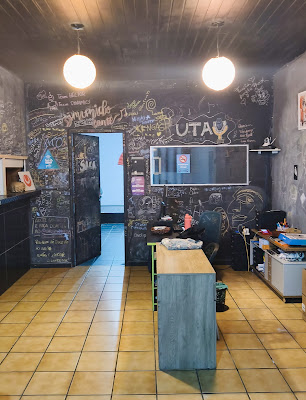
Utau Karaokê
Karaoke bar that became a Rio Vermelho fixture with affordable per-person pricing, Japanese-style private rooms, and a mainstream Brazilian and international song catalog. Reservations recommended for weekend nights.
Rua João Gomes, 63, Rio Vermelho
Overview and Location
Rio Vermelho is Salvador's bohemian nightlife district, set on a stretch of Atlantic coast about 15 minutes north of Barra and the same distance from Pelourinho. The neighborhood is denser than Barra and more authentically local than Pelourinho, and it functions as the everyday going-out destination for middle-class soteropolitanos.
This guide is based on multiple evenings spent in Rio Vermelho.
The nightlife concentrates around two anchors. Largo da Mariquita, an open square a block back from the sea, has dozens of bars with sidewalk tables that fill up nightly, plus the famous Acarajé da Cira kiosk that's been a Salvador institution for decades. Largo de Santana, a few minutes further along, is the second hub, with live music, beachfront views, and a denser concentration of bar tables.
The renovated Vila Caramuru complex on Praça Caramuru (the old fish market) adds a third anchor with around 11 restaurants and 8 kiosks under one open structure, all facing the sea. Inland from these squares, the streets (Rua Borges dos Reis, Rua Conselheiro Pedro Luiz, Rua João Gomes) hold smaller bars, clubs, and karaoke venues that extend the scene away from the seafront.
Legal Status
The standard Brazilian framework applies. Prostitution between consenting adults over 18 is legal. Running a brothel, pimping, and trafficking are criminal offenses.
Rio Vermelho's nightlife is entirely structured around licensed bars, restaurants, and live-music venues. There are no termas or organized adult-entertainment establishments here. Any activity that takes place is informal: freelancers operate at certain late-night spots, and arrangements between consenting adults happen privately outside the venues' formal operations.
Police presence in Rio Vermelho is lower than in Pelourinho or central Barra. The Polícia Militar patrols Largo da Mariquita and Largo de Santana during peak nightlife hours but coverage on the inland streets is thinner. Enforcement focuses on drug dealing, trafficking, and offenses against minors. Bahia's penal code treats any sexual offense involving a minor under 18 with severe penalties, applied without exception.
Costs and Pricing
Rio Vermelho is moderately priced by Salvador standards, generally cheaper than Barra and roughly comparable to Pelourinho.
Beer. Draft chopp at the Largo da Mariquita botecos costs R$8-15. Bottled long-necks run R$10-18. The seafront venues and rooftop spots push prices to R$15-25 per beer. Inland street bars are the cheapest, with chopp from R$6-10.
Caipirinhas and cocktails. Standard caipirinhas at the botecos cost R$15-25. Craft cocktails at the more polished bars run R$25-40. The Vila Caramuru complex spans the range depending on which kiosk you order at.
Cover charges. Most botecos charge no cover. Live-music venues and clubs add R$20-50 on weekends, more for headline acts. Casa Rosa programming varies by event; tickets are typically R$30-80 for a music night. Karaoke at Utau Karaokê runs R$10-25 per person depending on the room and night.
Food. Acarajé da Cira on Largo da Mariquita costs R$10-15 per acarajé (the fried bean cake stuffed with vatapá, caruru, and shrimp). A proper Bahian dinner at a midrange restaurant in Rio Vermelho is R$60-120 per person. Vila Caramuru kiosks span R$25-90 depending on what you order. Late-night street food (tapioca, hot dog completo) runs R$15-35.
Transport. Uber from Pelourinho to Rio Vermelho costs R$15-30. From Barra, R$15-25. Within Rio Vermelho itself, the venues are close enough that walking between them is feasible on the main blocks, though Uber is the right call after 1 AM.
A full night in Rio Vermelho (Uber both ways, three or four drinks, acarajé and a snack, no cover) lands at R$80-180. Add R$30-60 if you catch a ticketed live-music show.
Street-Level Detail
The natural starting point is Largo da Mariquita, the square one block inland from the seafront at the southern end of the neighborhood. The Acarajé da Cira kiosk sits on the corner and has been operating since the 1960s; the line moves quickly and the acarajé is the benchmark by which all others in Salvador are judged. The square itself has dozens of plastic-chair tables spilling out from surrounding botecos, with live music drifting between them on weekend nights.
Walking northeast along the seafront, the Vila Caramuru complex opens up at Praça Caramuru. The renovated structure replaced the old Mercado do Peixe and houses around 11 restaurants and 8 kiosks under one open roof, all facing the bay. Multiple small stages host live performers throughout the evening, and the food spans Bahian moqueca and acarajé to pizza, sushi, and burgers. The view from the seafront patio at sunset is one of the best in the city.
A few minutes further, Largo de Santana opens out into another bar-filled square. The Igreja de Santana sits at the inland end. The square hosts the annual Festa de Iemanjá on February 2, one of the biggest religious-cultural events in Bahia, when thousands of devotees bring flowers and gifts for the orixá of the sea.
Inland from the seafront, the streets get narrower and more residential. Rua Borges dos Reis runs roughly parallel to the coast and holds Boteco do França, BomBar, and several other reliable spots. Rua Conselheiro Pedro Luiz extends further inland with Borracharia, Varanda do Sesi, and other smaller bars. Rua João Gomes has the karaoke options and a denser cluster of late-night venues.
The seafront itself, with its rocky shoreline and small beach pockets, is unsafe at night but a popular daytime hangout for locals. The Memorial Jorge Amado (the writer's restored home, now a museum) sits in this stretch and is worth a daytime visit.
Safety
Rio Vermelho occupies a middle ground in Salvador's safety map. The busy bar zones around Largo da Mariquita, Vila Caramuru, and Largo de Santana have natural safety from crowd density and pedestrian traffic. The inland streets and the seafront get unsafe after 1 AM when the squares thin out.
Phone snatching is the most common crime tourists experience here. Thieves on foot target people walking with phones in hand, particularly along the quieter blocks between the squares. Keep your phone pocketed. If you need to call an Uber, stay inside the bar until the car arrives.
Drink spiking at bars: Rio Vermelho has documented cases of Boa Noite Cinderela (date-rape drug) incidents. Victims are drugged at a bar, walked or carried out by an "accomplice friend," and either robbed at ATMs or in their hotel rooms. Watch your drink. Don't accept open drinks from strangers. If you suddenly feel disoriented out of proportion to what you've had, tell the bartender immediately and ask security to help you get a verified Uber.
Express robbery on inland streets: After 1 AM, robbers armed with knives or handguns work the smaller inland streets (Rua Conselheiro Pedro Luiz, Rua Almirante Barroso, the cross streets between Largo da Mariquita and the seafront). They target solo walkers. Use Uber even for distances that look short on a map.
The seafront is unsafe at night. There's no reason to walk along the coast after dark; the bars and squares all sit one block inland. The rocky coves and small beaches that look inviting in daylight become robbery setups after sunset.
Walking north from Rio Vermelho along the coast toward Amaralina or further to Pituba is unsafe at any hour late at night. If you're going to nightlife outside Rio Vermelho, take an Uber.
ATMs in Rio Vermelho should be used during the day only. The bank machines along Avenida Cardeal da Silva are functional but a target for express kidnappings at night, where victims are forced to make multiple withdrawals across daily limits over 24 hours.
Necklace and chain grabs occur but less frequently than in Pelourinho. Still, don't wear visible jewelry.
Cultural Context
Rio Vermelho was historically a fishing village, then a 19th-century beach resort for Salvador's elite, and finally absorbed into the urban grid as the city expanded. The "Red River" of its name refers to the seasonal coloring of the river that once ran through the neighborhood, tinted by the runoff of the surrounding red-clay soil.
The neighborhood's bohemian identity dates to the mid-20th century, when writers, artists, and musicians began clustering here. Jorge Amado, Brazil's most internationally recognized novelist of the 20th century, lived in Rio Vermelho for decades; his restored home on Rua Alagoinhas is now the Memorial Jorge Amado, a museum and cultural space. Dorival Caymmi, the songwriter who shaped Bahian popular music, also lived nearby and his presence still echoes in the neighborhood's music scene.
The annual Festa de Iemanjá on February 2 transforms Rio Vermelho into the spiritual center of the city. Thousands of devotees (Candomblé practitioners, Catholics, and curious tourists) bring flowers, perfumes, and other offerings to the orixá of the sea, which are loaded onto fishing boats and released into the Atlantic. The festival doubles as one of the largest street parties of the Bahian year, with music, food, and dancing throughout the neighborhood from morning to night.
The neighborhood's bar culture leans toward conversation rather than dancing. The botecos around Largo da Mariquita and Largo de Santana fill with people who come to talk, drink beer slowly, and listen to live music drifting between venues. The energy is less performative than Pelourinho's tourist-driven scene and more sustained than Barra's beachfront bars.
English is less common in Rio Vermelho than in Barra or Pelourinho. Basic Portuguese will help significantly. The crowd is more local, the conversations move at a Bahian pace, and visitors who try to speak the language are welcomed warmly.
Nearby Areas
Barra is a 15-minute Uber ride south. The oceanfront tourist neighborhood with hotels, beach bars, and a more polished bar scene. See the Barra district guide for details.
Pelourinho is a 15-20 minute Uber ride. The UNESCO historic center with samba, axé, and the Tuesday Terça da Benção. See the Pelourinho district guide for details.
Amaralina sits immediately to the north along the coast. The beach has good surf and a few daytime kiosks but no significant nightlife to speak of.
Pituba is further north, a residential neighborhood with shopping malls, hotels, and a small bar scene oriented toward locals. Some good restaurants, fewer reasons to go for nightlife specifically.
Ondina is between Rio Vermelho and Barra along the coast, with a few hotels, the Aquário de Salvador, and beach kiosks. Quieter at night.
Meeting People Nearby
Rio Vermelho is one of the easiest places in Salvador to meet locals organically. The sidewalk-table culture around Largo da Mariquita and Largo de Santana means strangers strike up conversations across tables, and the crowd is a mix of locals, Brazilian visitors from other states, and a smaller foreign presence. For a fuller picture of Salvador's social and dating scene, see the main Salvador city guide.
Best Times
- Thursday through Saturday 9 PM to 2 AM: Peak bar hours
- Friday and Saturday nights: Strongest turnout at clubs and live-music venues
- Sunday afternoon: Bar tables stay busy until early evening; quieter at night
- February 2 (Festa de Iemanjá): One of the biggest religious-cultural events of the year; entire neighborhood transforms
- Carnival week (February or March): Rio Vermelho is outside the main Carnival circuits but holds its own informal events
- August through October: Cooler dry season, comfortable temperatures
- December through March: Peak tourist season, hot and humid
- Avoid Monday nights: Many venues close or operate reduced hours
What Not to Do
- Don't walk on the seafront or any beach after dark
- Don't walk on inland streets alone after 1 AM
- Don't carry your phone in your hand while walking
- Don't wear jewelry, watches, or visible electronics
- Don't use street ATMs at night
- Don't leave your drink unattended at any bar
- Don't accept drinks from people you've just met
- Don't follow strangers down side streets for "after-parties" or "better venues"
- Don't take an unmarked taxi; use Uber or 99
- Don't walk between Rio Vermelho and any other neighborhood, even short distances
- Don't bring your passport; carry a photocopy and one credit card
- Don't engage with anyone who appears underage; Brazilian law treats offenses against minors with extreme severity
- Don't argue or resist during a robbery; armed robbers in Salvador shoot
- Don't ignore the local Bahian rhythm; everything starts later than expected and that's normal
- Don't expect English; learn a few Portuguese phrases before you arrive
Get the Legal Status PDF, 50 countries
Newsletter signup coming soon. Check back shortly.
Related Guides
Salvador Overview
City guide to nightlife in Salvador, Bahia, covering Pelourinho, Barra, Rio Vermelho, safety warnings, scams, and cultural context.
Read guideBarra
Guide to Barra's oceanfront nightlife in Salvador, covering beach bars, clubs, the Farol lighthouse area, safety, and pricing.
Read guidePelourinho
Guide to Pelourinho's nightlife in Salvador, including live samba bars, cachaça houses, capoeira squares, safety advice, and pricing.
Read guideFrequently Asked Questions
Was this guide helpful?