
Where the Nightlife Is
Tap a district for venues, prices, and safety info
Centro
3/5ModerateGuide to Centro Florianópolis nightlife, the downtown bars, samba spots near Mercado Público, and Beira-Mar Norte rooftops, with pricing and safety.
10 nightlife spots listed
Jurerê Internacional
4/5SafeJurerê Internacional nightlife guide: P12, Café de la Musique, Donna, and the Florianópolis mega-club circuit with pricing, door policies, and safety.
10 nightlife spots listed
Lagoa da Conceição
3/5ModerateLagoa da Conceição nightlife guide: the year-round heart of Florianópolis, rock pubs, live music bars, and the Avenida das Rendeiras strip with pricing.
10 nightlife spots listed
District Map of Florianópolis
Pick a district to recenter the map and see hotels nearby.
Where to stay in Florianópolis
Compare hotels and rentals across the city's nightlife districts.
See places to stay and current pricesOverview
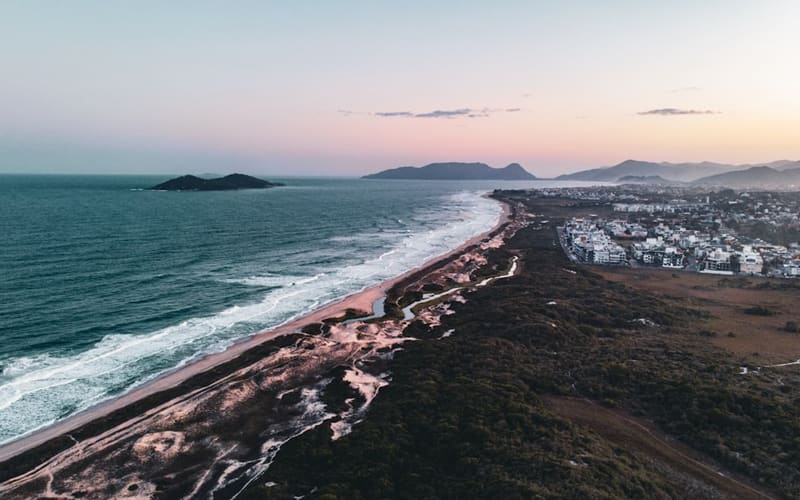
Florianópolis sits on the southern coast of Brazil, split between a small mainland district connected by two bridges to Santa Catarina Island, the geographic and demographic core of the city. The island stretches roughly 54 kilometers north to south, with the Atlantic on its eastern flank, a large brackish lagoon (Lagoa da Conceição) in the center, and 42 named beaches scattered around its perimeter. The population sits near 530,000, swelling to over a million in summer when domestic and Southern Cone tourists fill rentals and hotels.
This guide is based on multiple visits to Florianópolis across summer and shoulder seasons.
The city's character is split. Centro on the mainland-facing side of the island is a working downtown with the state government, the Mercado Público, and a low-rise commercial grid. Lagoa da Conceição sits east of Centro and serves as the year-round nightlife heart, with bars, live music, and the largest concentration of locals who go out regularly. Jurerê Internacional on the north coast is a master-planned luxury enclave with mega-clubs, beachfront restaurants, and a price ceiling that has no parallel anywhere else in Brazil except parts of Rio. These three zones operate almost as separate cities at night.
Florianópolis is the safest of the big Brazilian nightlife destinations, with a homicide rate roughly a fifth of Salvador's and significantly lower scam pressure than Rio or São Paulo. That said, "safer" does not mean safe; the same precautions you'd take in any large Latin American city still apply, and high season concentrates risk in tourist zones that thieves know to target.
Legal Context
Brazilian federal law applies. Prostitution between consenting adults over 18 is not criminalized. The Brazilian Ministry of Labor recognizes "sex professional" as an occupational category. What remains criminal is third-party profiting: operating a brothel, pimping, recruiting, and any form of trafficking or exploitation, with penalties scaling sharply for offenses involving anyone under 18.
In Florianópolis, this framework produces a quiet, low-volume adult scene rather than the visible street-level economy of Copacabana or the termas of Rio's Centro. The city has a handful of discreet venues operating under "night club" or "American bar" branding, with most arrangements happening through online platforms, apps, and a small circuit of regulars. There is no equivalent to Nana Plaza or even to São Paulo's Itaim termas. Foreign visitors hoping for a one-stop venue will find the scene more dispersed and quieter than expected for a city of this profile.
Police enforcement focuses on trafficking, drug operations, and offenses involving minors. The Polícia Militar patrols the island's main districts in summer, with reinforced presence in Jurerê and along the Lagoa avenues. The age of consent in Brazil is 14, but any commercial sexual context involving someone under 18 is treated as a severe crime. Don't take risks with age verification; consequences are immediate and lasting.
Key Areas
Centro Florianópolis
Centro is the mainland-facing core of the city, the working downtown where the state government, the Mercado Público, and the historic Catedral Metropolitana sit. The grid is low-rise, walkable during the day, and shifts at night toward a mix of after-work bars around Rua Felipe Schmidt, samba venues near the Mercado, and a few late-night clubs along Avenida Beira-Mar Norte. It's the least tourist-driven of the three nightlife districts and the most "Brazilian" in feel. Costs are lower than Lagoa or Jurerê.
Lagoa da Conceição
Lagoa da Conceição runs around the central lagoon east of Centro and functions as the year-round social hub of the island. The crowd is local, expat, surfer, and university student, and the venues cluster along Avenida das Rendeiras on the south side of the lagoon and Rua Henrique Veras do Nascimento near Centrinho da Lagoa. Live music is the dominant format, with rock, samba, reggae, and electronic nights spread across a handful of venues that have been running for years. This is where to drink in the off-season.
Jurerê Internacional
Jurerê Internacional is a master-planned luxury beach district on the north coast of the island, with broad sand, calm water, and a strip of mega-clubs that constitute the most concentrated luxury nightlife scene in Brazil outside São Paulo's Itaim. P12, Café de la Musique, Donna, and 300 Cosmo run flagship daytime-to-night parties with international DJs from December through February. The crowd skews wealthy Brazilian, Argentine, and Paraguayan; covers are high, drinks are higher, and the venues operate at scale (P12 can hold 5,500). The district is sleepy outside summer.
Safety
Florianópolis is safer than Brazil's larger cities, but it isn't a free pass. Santa Catarina's homicide rate is the lowest of any Brazilian state, and the violent street robberies that define Rio's Copacabana or central Salvador are rare here. What does happen consistently is petty crime: phone snatching from open beachside tables, bag thefts at clubs, opportunistic break-ins at parked cars near beaches, and drink spiking at venues popular with foreign tourists.
Centro at night thins out fast after the office crowd leaves around 7 PM, and the streets around the Mercado Público can feel deserted by 10 PM on weeknights. Phone snatchings and bag grabs happen most often in the blocks between the Mercado and the bus terminal. Lagoa da Conceição is busier and feels safer, but parking lots away from the main avenues are spots where break-ins occur. Jurerê is the most patrolled and the lowest-risk district, with private security throughout the neighborhood and an organized police presence during summer.
The single biggest sustained risk for nightlife travelers is drink spiking. The drug locally called "Boa Noite Cinderela" (Good Night Cinderella) is used to incapacitate victims, who are then walked to ATMs or robbed at their accommodation. Never accept open drinks from strangers, watch your glass, and if you start feeling suddenly drunk after a small amount, tell venue security and get to a hospital. Public hospitals will treat the incident as a poisoning case with no police involvement required.
Use Uber or 99 for all transport between districts. The buses run during the day but are unreliable at night, and the distances between Centro, Lagoa, and Jurerê are too long to walk. A typical inter-district Uber runs R$25-60 depending on traffic, with summer surge pricing pushing higher.
Cultural Norms
Florianópolis sits in southern Brazil, with a cultural feel that's closer to Porto Alegre and the Uruguayan border than to Rio or Salvador. The Azorean settlers who founded the island in the 18th century left a strong imprint on the architecture, fishing traditions, and dialect, and the local term "manezinho" still describes the original island residents. The modern population is layered with São Paulo expats, Argentine seasonal residents, surfers, and university students at UFSC and UDESC.
Compared to Rio, the social culture is more reserved. Conversations open more slowly, casual touching is less frequent, and approaches at bars work better when paced rather than direct. The Argentine summer influx changes the dynamics from December through February: Buenos Aires nightlife rhythms (later starts, longer dinners, post-3 AM peaks) get layered onto the island's typical schedule, particularly in Jurerê.
Portuguese is the working language. English is more common in Jurerê and at tourist-oriented venues in Lagoa than in Centro, where basic Portuguese will help significantly. Spanish works in Jurerê during high season because half the customers are Argentine or Uruguayan.
Casual dress is acceptable at most Lagoa and Centro venues. Jurerê beach clubs enforce a more polished standard: closed shoes required after dark at the higher-end venues, no flip-flops in the night sections of P12 or Café de la Musique, and a general dress-up culture that mirrors Punta del Este more than the rest of Brazil.
Social Scene
The split between districts means meeting people works differently in each. Centro draws a mostly-local after-work crowd of office workers, government staff, and university types who come for happy hour and stay until midnight. Conversations start at sidewalk tables and shared booths at venues like Bugio Centro Bar and Black Sheep Rooftop. Foreigners are uncommon enough that English speakers attract polite curiosity rather than transactional approaches.
Lagoa da Conceição is the social heart of the island year-round. The Avenida das Rendeiras strip, with John Bull, Bar do Boni, and the cluster of venues nearby, draws a wide mix of locals, expats, surfers, and the kind of summer tourists who prefer atmosphere over status. The vibe is casual; people drink at sidewalk tables, walk between venues, and meeting strangers is normal. This is the district where a solo foreign traveler will have the easiest time striking up conversation.
Jurerê Internacional in summer is a status-driven scene built around bottle service, mega-club tables, and the visible presence of wealth. The dynamics there resemble Miami or Tulum more than the rest of Brazil. Solo foreign men without reservations or a group will find the door policies tough and the social structure closed; with a table booking, the same venues open up significantly. Outside summer, Jurerê is largely empty.
Dating Apps
Tinder, Bumble, and Happn all function in Florianópolis with significant usage during summer. The platforms skew younger and more international from December through February as Argentines, Uruguayans, and Paulistas flood the island. Off-season, profiles concentrate around UFSC students and the Lagoa expat community.
For the more direct end of the spectrum, Brazilian site Fatal Model is the dominant platform for paid arrangements and lists hundreds of independent profiles in Florianópolis at any given time. Skokka and similar boards also see Floripa traffic. As with any online encounter, verify identity through video call before meeting, choose a hotel rather than a private residence for first meetings, and don't carry more cash than you're willing to lose.
Scam Warnings
Drink spiking ("Boa Noite Cinderela"): Documented at venues across the island, particularly in Centro and at smaller Lagoa bars during high season. Victims are drugged, walked out by the perpetrator, and robbed at home or via ATM withdrawals. Never accept open drinks from strangers, never leave your drink unattended, and if you suddenly feel drunk on light intake, alert venue staff and get to a hospital immediately.
Beach belongings theft: The most common crime tourists experience in Florianópolis. Bags, phones, and clothing left on the sand while swimming get taken within minutes, often by people working in pairs. The thefts happen on every popular beach, including Jurerê during the day. Leave valuables at your accommodation and use a small waterproof pouch worn around the neck.
Fake Uber drivers: People claiming to be your Uber will approach you outside busy Jurerê venues at 4 AM. Always verify the license plate and driver name in the app before entering any vehicle.
Inflated bills at Jurerê beach clubs: Drinks aren't ordered and paid for individually at most mega-clubs; you run a tab on a wristband or card and settle at the end. Check the totals on your tab regularly, particularly if you've been moving between sections or letting friends order on your card. Discrepancies of R$200-500 are common.
Online dating extortion: Some profiles on Tinder and similar apps are run by groups who arrange meetings, drug the target, and clean out their hotel room. Match histories with very few photos, immediate hotel suggestions, and pressure to meet within hours are red flags.
Best Times
- December through February: Peak season, mega-clubs at full capacity, Jurerê running flagship parties, prices and crowds peak. Argentine and Uruguayan tourists at maximum.
- Carnival (February or March): Most of the action shifts to street blocos and beach parties; clubs run themed weeks. Book accommodation months ahead.
- March-April: Shoulder season, warm weather, lower prices, manageable crowds. Best balance of value and atmosphere.
- June through August: Cool to cold; off-season for beach clubs (most close in Jurerê), but Lagoa stays active year-round. Cheapest accommodation.
- September through November: Spring shoulder season, mild temperatures, gradual ramp-up to summer. Good time for surfing and longer stays.
- Weekly rhythm: Thursday through Saturday are the peak nights at Lagoa. Friday and Saturday at Jurerê in summer. Sunday afternoon-to-night parties at the beach clubs are major events.
Getting Around
There is no metro. Public transit relies on city buses (TICEN is the central terminal in Centro) and a regional bus network that serves the beaches. Buses run during the day but are unreliable, slow, and don't cover most nightlife runs at the hours you'd need them. Don't plan to use buses for nightlife.
Uber and 99 are the standard nightlife transport. Both apps work well across the island. A typical Centro-to-Lagoa ride is R$20-35; Centro-to-Jurerê is R$45-80 depending on traffic. Summer surge pricing pushes inter-district rides toward R$100. The drive from Lagoa to Jurerê is 30-45 minutes in good traffic, well over an hour on summer weekend nights.
Taxis are available but generally more expensive than Uber and less reliable about routing. The taxi rank at the Hercílio Luz Airport is the only situation where a regular taxi is the default option, and even there Uber tends to be cheaper.
Renting a car is an option if you're staying multiple days and plan to visit beaches outside the main nightlife zones. Parking in Jurerê is paid and limited in summer; parking in Lagoa is informal and break-in risk exists at unmanaged lots. Don't drink and drive; Brazil's tolerance is zero and roadblocks are common on summer weekends.
The Hercílio Luz Airport (FLN) is on the south side of the island. From there, Uber to Jurerê runs about 45 minutes (R$80-130 in summer), to Lagoa about 30 minutes (R$60-90), and to Centro about 20 minutes (R$40-60).
What Not to Do
- Don't leave valuables on the beach while swimming, anywhere on the island
- Don't accept open drinks from strangers at any venue
- Don't walk between Centro, Lagoa, and Jurerê; the distances are too long and the routes are unsafe at night
- Don't carry your passport when going out; bring a photo on your phone instead
- Don't try to argue your way past the door at Jurerê mega-clubs without a reservation; it doesn't work
- Don't show up to Jurerê venues in flip-flops or beachwear after dark
- Don't drink and drive; roadblocks are aggressive in summer
- Don't engage with anyone who appears under 18; Brazilian law treats commercial sexual contact with minors with extreme severity
- Don't pay cover charges or covers in cash without a receipt; some smaller venues will quietly re-charge
- Don't store your phone or wallet in back pockets when walking through Centro late at night
- Don't trust people who approach you offering "VIP access" to Jurerê venues on the street; book directly through the venue or a verified agency
Get the Legal Status PDF, 50 countries
Newsletter signup coming soon. Check back shortly.
Flights to Florianópolis
Compare prices across airlines. Filter by stops, time, and cabin.
Airport transfer to Florianópolis
Pre-booked transfers cost about the same as a metered taxi but cut out the airport queue, the meter argument, and the "no English" routine that takes some drivers to the wrong address. Fixed price quoted before booking, driver tracks your flight, waits with a name sign at arrivals.
Book a KiwiTaxi transferFrequently Asked Questions
Related Guides
Centro
Guide to Centro Florianópolis nightlife, the downtown bars, samba spots near Mercado Público, and Beira-Mar Norte rooftops, with pricing and safety.
Read guideJurerê Internacional
Jurerê Internacional nightlife guide: P12, Café de la Musique, Donna, and the Florianópolis mega-club circuit with pricing, door policies, and safety.
Read guideLagoa da Conceição
Lagoa da Conceição nightlife guide: the year-round heart of Florianópolis, rock pubs, live music bars, and the Avenida das Rendeiras strip with pricing.
Read guideWas this guide helpful?