Before You Travel to Venezuela
Five things every smart traveler sorts before booking.
- 1
Passport valid 6+ months from entry date
Most countries refuse entry on passports expiring within six months. Renew now if you're close.
- 2
Visa requirements for Venezuela
Some are visa-free, some require an e-visa filed days ahead, some need an embassy appointment.
- 3
Travel insurance booked
A hospital visit in Venezuela can run $4,000-15,000 without cover. Credit card insurance usually excludes alcohol-related incidents.
- 4
eSIM data plan ready before landing
Airport SIM kiosks need your passport and overcharge tourists. Install an eSIM in 60 seconds, online before you fly.
- 5
Accommodation reserved in the right district
The wrong neighborhood means a 45-minute taxi every night. Map the venues first, then book.
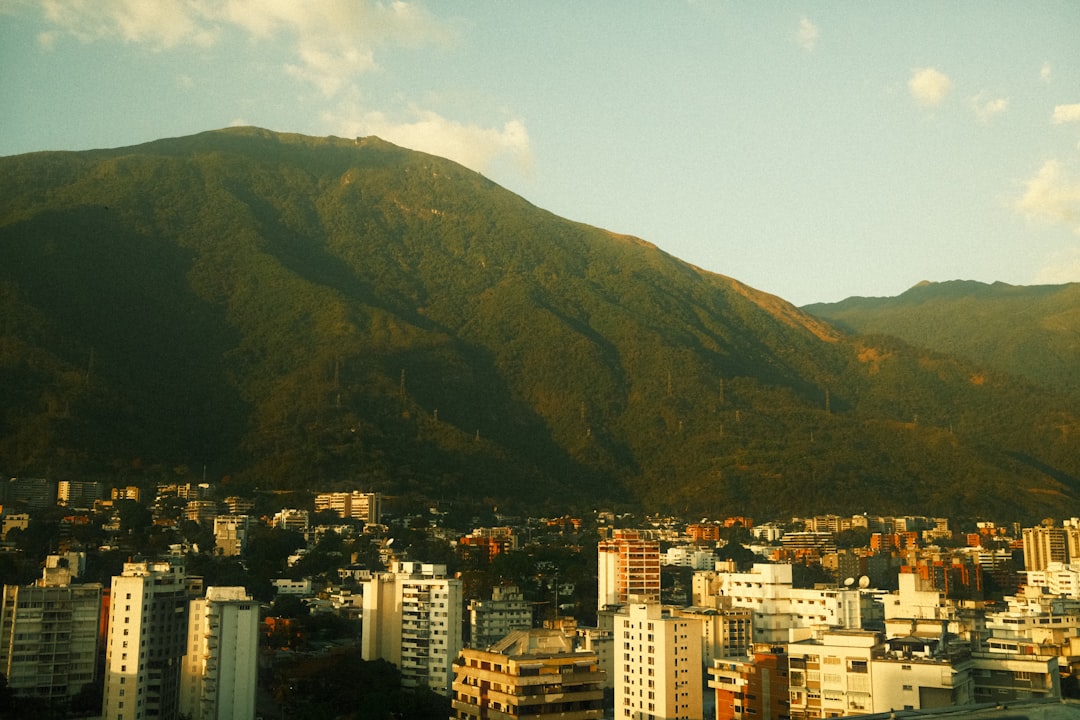
Compare hotels in Venezuela
Hotels, hostels, and short-term rentals across the country's main nightlife cities.
Legal Framework
Prostitution is legal in Venezuela for adults over 18. There is no formal regulatory framework, licensing system, or government oversight of the industry. Sex work operates in a legal vacuum: not criminalized, not regulated. Pimping and operating brothels are technically illegal under the Penal Code, but enforcement has collapsed along with most other government functions.
Last updated after our March 2026 research trip.
Human trafficking laws exist on paper. Venezuela's Organic Law Against Organized Crime and Financing of Terrorism addresses trafficking. In practice, the country's institutional breakdown means these laws are rarely enforced domestically, and Venezuela has been designated as a Tier 3 country (worst ranking) by the U.S. State Department's Trafficking in Persons Report for multiple consecutive years.
Enforcement Reality
Law enforcement in Venezuela has functionally broken down. Police forces are underpaid, understaffed, and frequently involved in criminal activity themselves. The Cuerpo de Investigaciones Cientificas, Penales y Criminalisticas (CICPC), Venezuela's criminal investigations agency, and local police forces are widely reported to engage in extortion, robbery, and kidnapping.
There is no meaningful enforcement of any laws related to adult entertainment. The concern for travelers isn't legal risk from authorities. It's the physical danger of being in a country where armed robbery, kidnapping, and violent crime are routine.
Corruption permeates every level of interaction with authority. Police checkpoints on highways are often shakedown operations. Being a foreigner with visible money makes you a target, not from the legal system, but from the people who operate within it.
Cultural Context
Venezuela's culture places enormous emphasis on physical appearance and beauty. The country has produced more Miss Universe winners than any other nation relative to its population. Beauty pageants are a national obsession, and cosmetic surgery is common across all social classes. This cultural focus on appearance extends to the nightlife scene.
Before the economic crisis that began in earnest around 2014, Caracas had one of South America's most dynamic nightlife scenes. Las Mercedes, Altamira, and other eastern Caracas neighborhoods hosted world-class restaurants, clubs, and bars. Much of this infrastructure still exists, but operates at reduced capacity and under constant security threat.
The ongoing crisis has driven an estimated 7.7 million Venezuelans to emigrate since 2015. This exodus has drained the professional, middle, and upper-middle classes, fundamentally changing the social fabric. Those who remain either can't leave or have adapted to operating in a high-risk environment.
Dating Culture
Venezuelan dating culture is warm, direct, and appearance-focused. Physical compliments are common and generally welcomed. Men are expected to be attentive, chivalrous, and willing to pay for dates. Splitting the bill is unusual and can signal disinterest.
Family involvement in relationships is strong. Meeting the family happens relatively early by Western standards. Family approval matters, and extended family networks remain tight despite the economic pressures that have scattered many Venezuelan families across the continent.
Public displays of affection are normal. Kissing, hand-holding, and physical closeness in public don't draw attention. Venezuela's social culture is tactile and expressive compared to northern European or North American norms.
Foreign men receive significant attention. The combination of economic desperation and cultural openness means approaches are common, but motivations vary widely. Some interactions are genuine, some are transactional, and distinguishing between the two requires awareness and honest communication.
Dating Apps
Tinder and Badoo are both active in Venezuela, though the user base has shrunk with emigration. Internet access is unreliable in many areas, which limits app usage outside major cities. Many Venezuelans use Instagram as a primary social and dating platform.
Conversations often move to WhatsApp quickly. Be cautious about sharing personal information, hotel locations, or financial details. Setup robberies arranged through dating apps are a documented risk in Caracas.
Key Cities
Caracas is the capital and the only city where international travelers have any realistic chance of finding organized nightlife. Even here, the risks are severe.
Maracaibo has a residual nightlife scene but is even less accessible to foreigners. Carjacking and armed robbery are rampant.
Isla Margarita was once a tourist resort island. Some hotel-based nightlife still operates, but the island has deteriorated significantly.
Safety Considerations
Venezuela is one of the most dangerous countries in the world for travelers. This is not an exaggeration or generic warning. The U.S. State Department issues a Level 4 advisory: Do Not Travel. The UK FCDO advises against all travel to most of the country. These advisories are based on real, ongoing threat conditions.
Specific risks include:
- Kidnapping: Both express kidnappings (short-term, for ATM withdrawals) and longer-term kidnap-for-ransom operations target foreigners. This happens regularly
- Armed robbery: Violent street crime is pervasive in all major cities, including in daylight hours. Criminals are often armed with firearms
- Carjacking: Vehicles are stopped and stolen at gunpoint, particularly at traffic lights and on highways
- Police extortion: Security forces routinely shake down citizens and visitors at checkpoints. Carry only as much cash as you're willing to lose
- Medical emergency risk: Hospitals lack basic supplies including antibiotics, anesthesia, and surgical materials. A serious medical emergency in Venezuela is life-threatening because of infrastructure collapse
- Infrastructure failure: Blackouts, water shortages, and telecommunications failures occur regularly across the country
- No consular support: Many embassies operate at reduced capacity or have closed. U.S. citizens have no embassy in-country
Common Scams
Scams are the least of your worries in Venezuela. The primary threats are violent crime and kidnapping. But some common schemes exist:
Express kidnapping setup: Someone you meet socially or through a dating app arranges a meeting, then accomplices abduct you for forced ATM withdrawals over 24-48 hours.
Fake police checkpoints: Armed groups posing as police stop vehicles and rob passengers. Real police checkpoints can also result in extortion.
Currency exchange scams: Venezuela's hyperinflation and multiple exchange rates create opportunities for fraud. You'll be offered unfavorable rates or counterfeit bills. Use only trusted exchange services.
Hotel employee collusion: In some cases, hotel staff have provided information about guests' movements and valuables to criminal groups.
What Not to Do
- Do not travel to Venezuela without serious security planning. This means pre-arranged, trusted local contacts and a security plan, not just showing up
- Do not display wealth of any kind. No expensive watches, phones, or jewelry. Keep everything concealed
- Do not use ATMs on the street. If you must withdraw cash, do so inside banks during business hours
- Do not take unlicensed taxis or ride-hailing services from unknown drivers
- Do not walk in any city after dark, even in upscale neighborhoods
- Do not carry your real passport. Carry a photocopy and leave the original in a hotel safe (if the hotel safe is trustworthy)
- Do not resist during a robbery. Comply immediately. Objects are replaceable; your life is not
- Do not assume that upscale neighborhoods are safe. Las Mercedes and Altamira in Caracas still experience violent crime
- Do not share your hotel location or travel plans with people you've just met
- Do not post real-time location updates on social media
Sources
- U.S. Department of State: Venezuela Travel Advisory (Level 4: Do Not Travel) - Entry requirements, safety alerts, and local law summary
- UK Foreign, Commonwealth & Development Office: Venezuela Travel Advice - Safety, health, and legal information for travelers
- Australian Government Smartraveller: Venezuela - Travel advisory and practical information
Get the Legal Status PDF, 50 countries
Newsletter signup coming soon. Check back shortly.
Emergency Information: Venezuela
- Emergency:
- 171
- Embassy Note:
- The U.S. embassy in Caracas suspended operations in 2019. U.S. citizens should contact the U.S. Embassy in Bogota, Colombia for emergency assistance. Several European embassies maintain reduced operations in Caracas.
Similar Countries to Explore
Argentina
Buenos Aires blends European sophistication with Latin passion. Palermo's upscale bars, San Telmo's tango culture, and some of South America's most striking women.
Bolivia
La Paz and Santa Cruz offer South America's cheapest nightlife in a country where the adult scene is small, unregulated, and concentrated in a handful of districts. Safety requires extra caution.
Brazil
Rio's Copacabana, Sao Paulo's Vila Olimpia, and stunning women across every price range. Legal, unregulated, and deeply woven into the nightlife culture of South America's largest country.
Chile
Santiago and Valparaiso offer South America's most orderly nightlife scene, with cocktail bars, live music, and a late-night culture shaped by Chilean reserve and European influence.
Similar Countries in Other Regions
Countries with a similar overall score to Venezuela (3.8) but in different parts of the world.
Albania
3.8Southern Europe
Albania's nightlife is small but growing fast, centered on Tirana's Blloku district where the former communist elite's residential quarter has become a strip of cocktail bars and clubs. Extremely cheap and largely undiscovered by mass tourism.
Bosnia and Herzegovina
3.8Southern Europe
Sarajevo's Ottoman-era old town hides a growing bar scene where craft cocktails cost less than a coffee in Vienna. Low prices, warm hospitality, and a post-war cultural renaissance make Bosnia a Balkan sleeper.
Dominican Republic
3.8Caribbean
Sosua and Santo Domingo attract visitors with affordable prices, direct flights from the US, and a Caribbean atmosphere. One of the most accessible scenes in the Americas.
Was this guide helpful?