
The Key Neighborhoods
Detailed guides for every area
District Map of Caracas
Pick a district to recenter the map and see hotels nearby.
Where to stay in Caracas
Compare hotels and rentals across the city's nightlife districts.
See places to stay and current pricesOverview
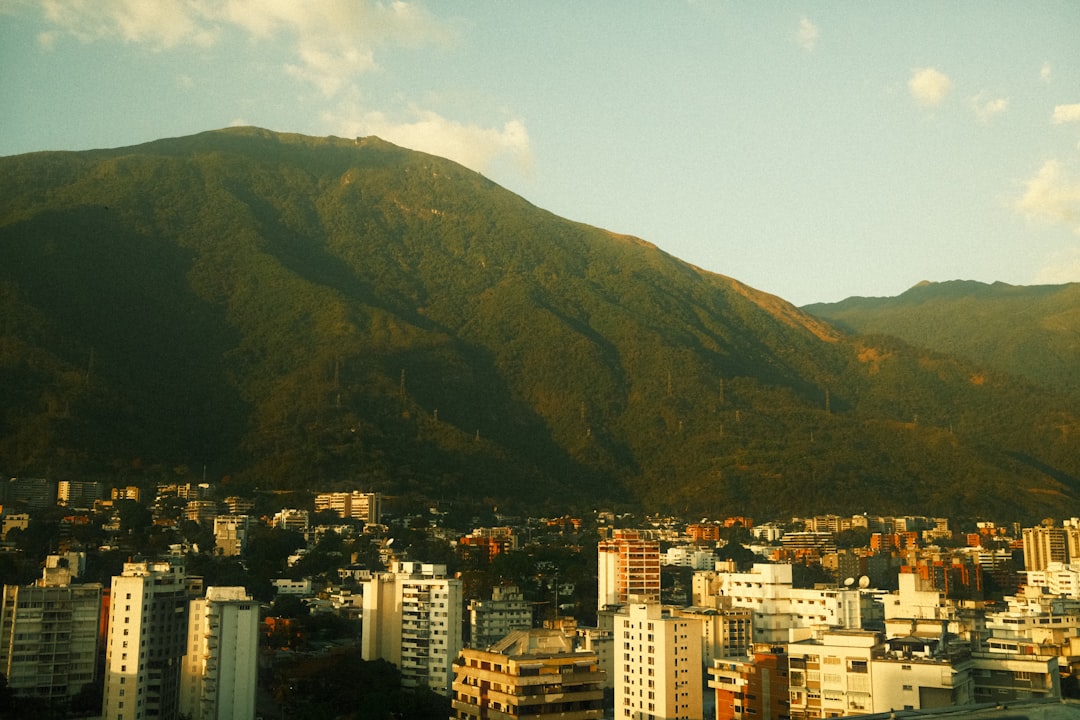
Caracas sits in a narrow valley at roughly 900 meters elevation in the coastal mountain range of northern Venezuela. The city holds an estimated 3 million people in the metro area, making it the largest city in the country. Before the economic crisis, Caracas was known for having one of the best nightlife scenes in South America, with world-class restaurants, high-end clubs, and a social scene fueled by oil wealth.
Local contacts verified current conditions for this guide.
That era is over. What remains is a diminished version of the former scene, operating under constant threat of crime and institutional collapse. Some venues in the eastern neighborhoods of Las Mercedes and Altamira still function, attracting the remaining upper class and a handful of foreigners with business or personal ties to the country. Going out at night in Caracas requires planning, trusted contacts, and constant situational awareness.
This is not a destination we recommend for nightlife tourism. The risks are real and severe.
Legal Context
Prostitution is legal but unregulated. There is no licensing, no health requirements, and no government oversight. This legal vacuum exists because the government has bigger problems than regulating an industry that technically isn't criminal.
What matters more than legality is security. The police are as likely to rob you as protect you. Legal frameworks are meaningless in an environment where law enforcement itself is compromised. Carry only what you're willing to lose, and understand that your safety depends entirely on your own planning and the reliability of your local contacts.
Key Areas
Las Mercedes is the primary remaining nightlife district in Caracas. Upscale by Venezuelan standards, it has restaurants, bars, and clubs that still attract a moneyed crowd on weekends. Private security at individual venues provides a layer of protection, but the streets between venues remain dangerous.
Altamira and Los Palos Grandes in the Chacao municipality have bars and restaurants, but the scene is thinner than Las Mercedes. Some expats and upper-class Venezuelans socialize here.
El Hatillo is a colonial town on Caracas's southern edge with restaurants and a weekend social scene, mostly daytime. Safer than central Caracas but still requires vehicle transport.
Avoid western Caracas entirely, particularly the 23 de Enero and Petare neighborhoods. These are among the most dangerous urban areas in the Western Hemisphere.
Safety
Caracas is dangerous. This cannot be overstated. The city consistently ranks among the top five most violent cities globally that are not in active war zones. The risks are specific and severe:
- Express kidnapping is the most common serious threat to foreigners. You're grabbed, driven to multiple ATMs, and forced to withdraw maximum amounts over 24-48 hours. This happens at night, near nightlife areas, and is sometimes facilitated by people you meet socially
- Armed robbery can happen anywhere, at any time. Resistance leads to violence. Comply immediately and hand over everything requested
- Carjacking at traffic lights is common. Drivers in Caracas routinely run red lights at night to avoid being stopped. Your driver should do the same
- Police corruption: Officers at checkpoints may demand money, search your belongings, or confiscate valuables. Stay calm, be polite, and treat any demanded payment as the cost of avoiding detention
- Venue security is not area security. A club may have armed guards at the door, but the street outside is uncontrolled territory. Door-to-door transport is mandatory
Specific nightlife precautions:
- Never go out without a trusted local contact who knows the current situation
- Use only pre-arranged, trusted drivers. Never hail taxis on the street
- Carry minimal cash in small denominations. Leave your real phone at the hotel and carry a cheap backup
- Don't wear jewelry, watches, or visible brand clothing
- Tell someone at your hotel where you're going and when you expect to return
- Keep your phone charged and a backup battery available. Power outages are frequent
Cultural Norms
Venezuelans are among the most socially warm and physically affectionate people in South America. Even in the current crisis, the cultural emphasis on personal appearance, social connection, and enjoying the moment persists. People dress well to go out, even if the venue is modest. Looking good is a deep cultural value.
The beauty culture here is real and pervasive. Venezuela's obsession with beauty pageants and aesthetics means people put significant effort into their appearance, regardless of economic circumstances. Don't be surprised by the disconnect between the country's economic situation and how well-presented people are at nightlife venues.
Buying drinks for others, particularly for women, is expected and standard. Generosity is valued, but be aware that in the current economic context, foreign currency makes you a high-value target in multiple senses.
Social Scene
What remains of Caracas's social scene concentrates in the eastern neighborhoods. The Venezuelan upper class that hasn't emigrated continues to socialize at restaurants and bars in Las Mercedes, often arriving in caravans with private security. Weekend brunches at places in Las Mercedes transition into afternoon drinking sessions that might continue into the evening.
Expat communities are tiny. Most foreigners in Caracas work for diplomatic missions, international organizations, or have Venezuelan family connections. There's no backpacker scene. No digital nomad community. The people who are here have specific reasons to be here.
Dating Apps in Caracas
Tinder and Instagram function as dating platforms, but using them carries unique risks. Setup robberies arranged through dating apps have been documented in Caracas. Never share your hotel location, never agree to meet someone at a private address, and always have a trusted local verify any meeting plans. The economic desperation makes the scam incentives higher than in almost any other city in the world.
Getting Around
- Pre-arranged drivers only. No street taxis, no ride-hailing apps from unknown drivers. Your hotel or local contacts should arrange all transport
- Never drive yourself unless you know the city extremely well. Traffic laws are ignored, roads are poorly maintained, and carjacking is common
- The Metro operates during the day but is unreliable, overcrowded, and not safe for obvious foreigners, especially with valuables
- Door to door. Every nightlife outing must be door-to-door vehicle transport. Walking between venues at night is not acceptable risk
What Not to Do
- Do not come to Caracas for tourism purposes. The State Department advisory is Level 4: Do Not Travel
- Do not go out at night without a trusted local guide who knows the current security situation
- Do not carry more cash than you can afford to lose
- Do not resist during a robbery. Comply immediately
- Do not share travel plans, hotel details, or financial information with anyone you've just met
- Do not post real-time locations on social media
- Do not use street taxis under any circumstances
- Do not walk between venues. Vehicle transport only
- Do not assume that upscale neighborhoods are safe. They're less dangerous than barrios, but violent crime occurs everywhere
- Do not carry your passport. Leave it in a secure hotel safe and carry a photocopy
Get the Legal Status PDF, 50 countries
Newsletter signup coming soon. Check back shortly.
Flights to Caracas
Compare prices across airlines. Filter by stops, time, and cabin.
Airport transfer to Caracas
Pre-booked transfers cost about the same as a metered taxi but cut out the airport queue, the meter argument, and the "no English" routine that takes some drivers to the wrong address. Fixed price quoted before booking, driver tracks your flight, waits with a name sign at arrivals.
Book a KiwiTaxi transferFrequently Asked Questions
Was this guide helpful?