Neighborhoods to Explore
Explore each area for detailed nightlife guides
Chinatown & 19th Street
1/5DangerousGuide to Yangon's Chinatown and 19th Street beer station district, with open-air BBQ bars, cheap draught beer, and the city's most active nightlife strip.
5 nightlife spots listed
Inya Lake Area
1/5DangerousGuide to the Inya Lake area in Yangon, featuring hotel bars, expat lounges, and upscale drinking options near Myanmar's diplomatic quarter and university district.
5 nightlife spots listed
District Map of Yangon
Pick a district to recenter the map and see hotels nearby.
Where to stay in Yangon
Compare hotels and rentals across the city's nightlife districts.
See places to stay and current pricesOverview
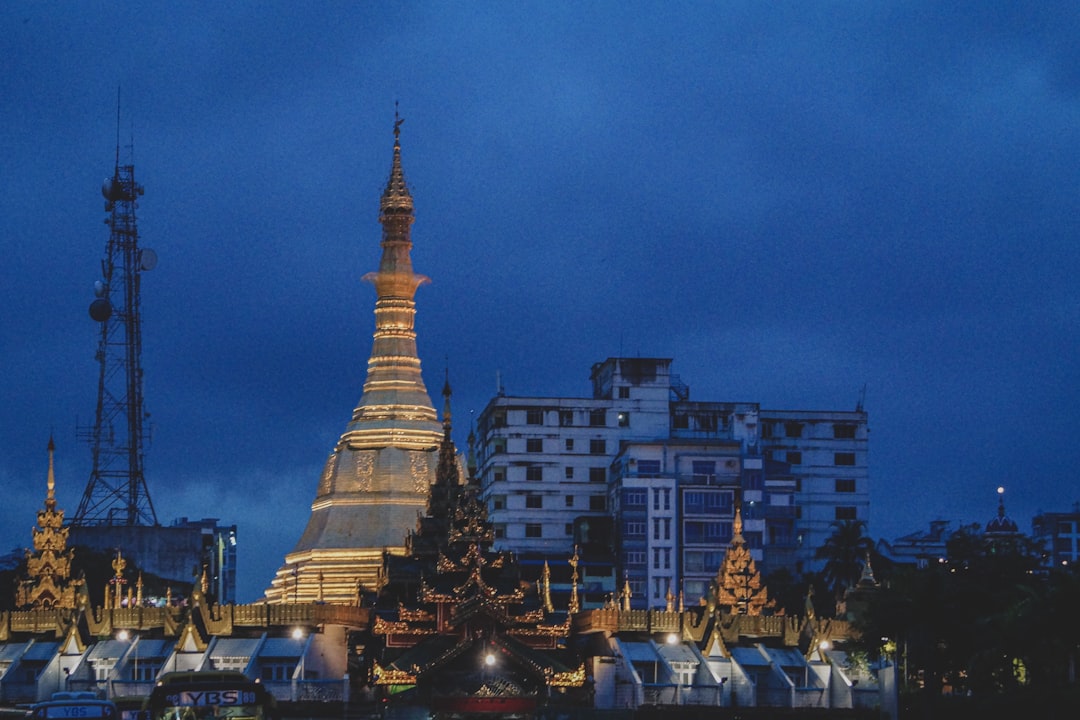
Yangon is Myanmar's largest city and its only real nightlife destination. The former capital sits on the Yangon River delta, a sprawling low-rise city of 7 million people dominated by the golden Shwedagon Pagoda. Before the February 2021 military coup, Yangon was experiencing a genuine cultural opening. International restaurants, craft cocktail bars, and live music venues were multiplying across the city.
We spent 3 days in Yangon researching this guide.
That era is over. The coup reversed years of progress, and many businesses closed permanently. What remains is a reduced but functioning bar scene that operates under curfew, military surveillance, and the constant uncertainty of life under authoritarian rule. Visitors who choose to come will find cheap drinks, friendly locals, and a city with genuine character, but the political situation colors everything.
Legal Context
The same national laws apply in Yangon as the rest of Myanmar. Prostitution is illegal. Adult entertainment as such doesn't really exist in the open. What you'll find instead are beer stations and bars where socializing happens naturally, without the organized structure of entertainment districts in Bangkok or Phnom Penh.
Military authorities have broad powers to shut down any establishment at any time. Venues operate with an understanding that compliance with informal rules matters more than written licenses. The police and military presence in Yangon is heavy, and any establishment that draws attention risks closure.
Key Areas
Chinatown and 19th Street. The most active nightlife zone in Yangon. A strip of open-air beer stations and BBQ bars where locals and the few remaining expats mix over cheap draught beer. The energy picks up around sunset and runs until late evening.
Inya Lake area. Hotel bars and quieter lounge venues near the lake and Yangon University. This is where the diplomatic community and business travelers drink. Prices are higher than Chinatown but still cheap by international standards.
Safety
Yangon requires a level of caution that goes well beyond typical Southeast Asian travel:
- Observe curfew strictly. Being out after curfew can result in arrest and detention without clear legal process
- Keep your passport on you at all times. Military and police checkpoints can appear anywhere
- Avoid crowds and protests. Security forces have used lethal force against demonstrators
- Do not photograph anything related to the military, police, or government buildings
- Internet access is unreliable. Download offline maps and have emergency contacts written down on paper
- Keep a low profile. Foreigners attract attention, and not all of it is friendly
- Yangon General Hospital handles emergencies, but for anything serious you'll need evacuation to Bangkok
- Register with your embassy before arrival if your country still maintains a presence in Myanmar
Cultural Norms
Yangon is a conservative city. Buddhist monks are everywhere and command deep respect. Remove shoes before entering pagodas and many homes. Dress modestly, covering shoulders and knees, especially near religious sites.
Burmese people are generally warm and curious about foreigners, but the political situation has made many cautious about openly socializing with outsiders. Don't take it personally if conversations feel guarded. People are protecting themselves.
Tipping is not expected in most local establishments but appreciated. In hotel bars and restaurants that cater to foreigners, 10% is reasonable.
Getting Around
- Grab operates in Yangon but service is inconsistent, especially during internet disruptions
- Taxis are plentiful and cheap. Negotiate the fare before getting in. Most rides within central Yangon cost 3,000 to 5,000 MMK
- City buses exist but are difficult for non-Burmese speakers to use
- Walking is fine in central areas during daylight but avoid walking alone after dark in quieter neighborhoods
- The Yangon Circular Railway is an interesting experience but not practical for nightlife transport
Best Times
Myanmar's cool season runs from November through February, when temperatures drop to a comfortable 20 to 32 degrees Celsius. This is the most pleasant time to visit. The hot season from March to May pushes temperatures above 38 degrees with high humidity. The monsoon from June to October brings daily downpours that can flood streets within minutes.
Thingyan (Burmese New Year water festival) typically falls in mid-April. It was the country's biggest celebration before the coup, but military restrictions have dampened public festivities in recent years.
Get the Legal Status PDF, 50 countries
Newsletter signup coming soon. Check back shortly.
Flights to Yangon
Compare prices across airlines. Filter by stops, time, and cabin.
Airport transfer to Yangon
Pre-booked transfers cost about the same as a metered taxi but cut out the airport queue, the meter argument, and the "no English" routine that takes some drivers to the wrong address. Fixed price quoted before booking, driver tracks your flight, waits with a name sign at arrivals.
Book a KiwiTaxi transferRelated Guides
Chinatown & 19th Street
Guide to Yangon's Chinatown and 19th Street beer station district, with open-air BBQ bars, cheap draught beer, and the city's most active nightlife strip.
Read guideInya Lake Area
Guide to the Inya Lake area in Yangon, featuring hotel bars, expat lounges, and upscale drinking options near Myanmar's diplomatic quarter and university district.
Read guideFrequently Asked Questions
Was this guide helpful?