Chinatown & 19th Street
Illegal but Tolerated1/5DangerousGuide to Yangon's Chinatown and 19th Street beer station district, with open-air BBQ bars, cheap draught beer, and the city's most active nightlife strip.
Where to stay near Chinatown & 19th Street
Hotels walking distance from the venues on this page.
See places to stay and current pricesBest Nightlife Spots in the Area
Popular clubs, bars, and venues nearby
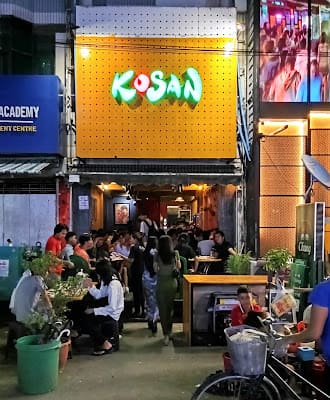
Kosan
Popular backpacker bar on 19th Street with a rooftop terrace and mixed crowd of travelers and locals. One of the few spots with English-language staff.
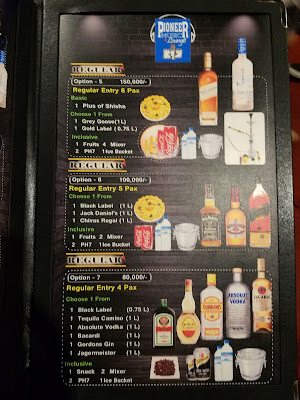
Pioneer
Well-known beer station at the heart of 19th Street serving cheap draught Myanmar Beer alongside BBQ skewers. A Yangon institution.
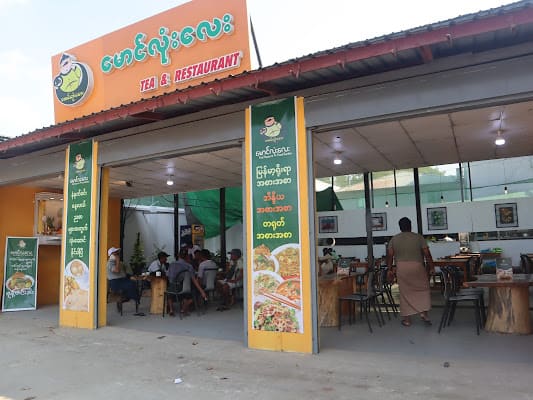
Mojo Bar
One of Yangon's few dedicated live music venues, hosting local bands playing rock, blues, and pop covers most evenings.
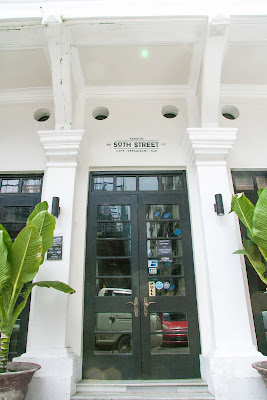
50th Street Bar
Expat-friendly bar and restaurant in the Chinatown area serving craft beer, pub food, and hosting occasional trivia nights.
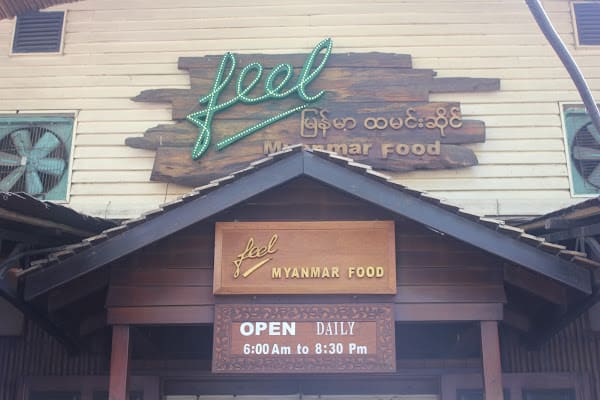
Feel Bar
Open-air beer bar on 19th Street with plastic furniture and a casual atmosphere. Draws a mostly local crowd with some of the cheapest draught beer in the area.
Overview and Location
Nineteenth Street cuts through the heart of Yangon's Chinatown, running roughly one block between Mahabandula Road and Anawrahta Road. After dark, the stretch transforms into a corridor of open-air beer stations with plastic stools spilling onto the road, charcoal grills smoking over skewers, and cold Myanmar Beer flowing from draught towers. It's the closest thing Yangon has to a dedicated nightlife district.
Prices confirmed through direct visits in March 2026.
The area sits within the city's colonial-era grid, surrounded by crumbling British buildings, Chinese temples, and some of the densest urban living in Southeast Asia. Before the coup, 19th Street was becoming a genuine tourist attraction. Travel blogs featured it, backpackers made it a mandatory stop, and the Yangon city government was starting to promote it. The crowd has thinned since 2021, but the beer stations keep pouring.
Legal Status
Beer stations and bars on 19th Street operate with standard business licenses. There's no organized adult entertainment here in any formal sense. What exists is a street drinking culture where socializing happens naturally, sometimes between locals and the few foreigners who still visit.
Military authorities can shut down any establishment without notice. During periods of heightened tension, the entire street has gone dark. On most evenings though, business continues as it has for years. The unwritten rules are simple: don't cause trouble, don't draw attention, and close when told to close.
Costs and Pricing
This is some of the cheapest nightlife in Southeast Asia. A large draught Myanmar Beer costs 700 to 1,000 MMK ($0.20 to $0.30 USD at the parallel rate). Bottles of Myanmar Beer or Dagon run 1,500 to 2,000 MMK. Imported beer, when available, costs 3,000 to 5,000 MMK.
BBQ skewers range from 300 to 1,000 MMK per stick depending on the meat. A full spread of grilled chicken, pork, seafood, and vegetables with several beers will run 15,000 to 25,000 MMK ($4 to $7 USD). It's genuinely difficult to spend more than $10 on a full evening here unless you're buying rounds for a large table.
50th Street Bar and similar Western-oriented establishments charge more. Expect 3,000 to 6,000 MMK for craft beers and 5,000 to 10,000 MMK for cocktails. Still cheap by any international standard, but noticeably above the street-level prices.
Street-Level Detail
Walking south from Mahabandula Road, the first thing you notice is the smoke. Charcoal grills line both sides of the street, and the air is thick with the smell of grilling meat and seafood. Beer station workers call out to passersby, gesturing toward empty plastic stools. Sit down at any station and someone will appear within seconds with a menu (sometimes just pointing at the grill) and an offer of cold beer.
The stations are essentially identical in format. Low tables, plastic chairs, a draught beer tower, and a grill. What varies is the quality of the food and the specific crowd each station attracts. Pioneer, roughly at the center of the strip, is the most established and draws the most mixed clientele. Others cater primarily to Chinese-Myanmar families, groups of young men, or the occasional table of foreigners.
Music plays from speakers at competing volumes. Burmese pop, Chinese ballads, and occasionally a Western hit bleed together into an ambient soundtrack that nobody seems to mind. By 9:00 PM on a busy night, the street fills enough that cars can't pass through, and the whole strip becomes a de facto pedestrian zone.
Safety
Chinatown is generally safe during active hours, but the political context changes the risk calculus:
- Pickpocketing is rare but not unheard of in crowded areas. Keep valuables in front pockets
- Don't stay past 11:00 PM. The area empties quickly, and being out late increases checkpoint risk
- If soldiers or police approach, stay calm, show identification, and answer questions honestly
- Don't take photos of people without permission, especially women. Cultural sensitivity matters
- The area floods during monsoon season. Heavy rain can turn streets into ankle-deep water within 30 minutes
- Carry cash in small denominations. Showing large bills draws unwanted attention
- Medical facilities nearby are basic. Yangon General Hospital is the closest major facility, about 15 minutes by taxi
Some beer station workers may inflate your bill at the end of the evening, counting more beers or adding items you didn't order. Keep a mental count of your orders. Bills should be simple to verify since individual items cost very little. If there's a discrepancy, point it out calmly. These are low-stakes disputes, typically involving a few thousand kyat at most.
Cultural Norms
Street drinking in Yangon's Chinatown has its own etiquette. Toasting before the first sip is customary. If someone at a nearby table raises their glass to you, raise yours back. Refusing this social gesture is considered rude.
Burmese people are genuinely curious about foreigners, especially now when so few visit. You may get invited to join a table, especially if you're alone. This is usually sincere friendliness, not a setup. Accepting leads to conversation and often to people insisting on paying for your drinks. Reciprocating by buying a round or two is the right move.
Women in traditional dress (htamein longyi) are often present at family tables and beer stations. Staring or making unsolicited approaches is inappropriate. The social scene here is communal and family-oriented, not pickup culture.
Loud behavior, especially drunkenness, draws negative attention. Burmese drinking culture values composure. Getting visibly drunk is seen as a loss of face, and foreigners who can't hold their beer are remembered unfavorably.
Practical Information
Getting there: From downtown Yangon, it's a 5 to 10 minute walk from Sule Pagoda. Taxis from other parts of the city cost 3,000 to 5,000 MMK. Grab works when the internet is functional.
Best time: Arrive around 6:00 PM when the grills are firing up and seats are still available. The strip is busiest between 7:00 and 9:30 PM. Weekends are livelier than weekdays, though the difference is modest.
What to bring: Cash in small kyat notes. Some stations accept US dollars but give poor exchange rates. A phone with offline maps loaded, since mobile data can cut out without warning.
Language: Basic English works at tourist-oriented spots like Kosan and 50th Street Bar. At local beer stations, pointing and smiling gets you surprisingly far. Learning "cheers" in Burmese (say "aung myin par say") earns genuine warmth.
Rainy season note: From June to October, sudden downpours can empty the street in minutes. Some stations have tarps or awnings, but be prepared to duck inside a nearby building. The rain usually passes within an hour.
Get the Legal Status PDF, 50 countries
Newsletter signup coming soon. Check back shortly.
Frequently Asked Questions
Related Guides
Yangon Overview
City guide to nightlife in Yangon, Myanmar's largest city. Beer stations, hotel bars, and a small bar scene operate under curfew and military oversight since the 2021 coup.
Read guideInya Lake Area
Guide to the Inya Lake area in Yangon, featuring hotel bars, expat lounges, and upscale drinking options near Myanmar's diplomatic quarter and university district.
Read guideWas this guide helpful?