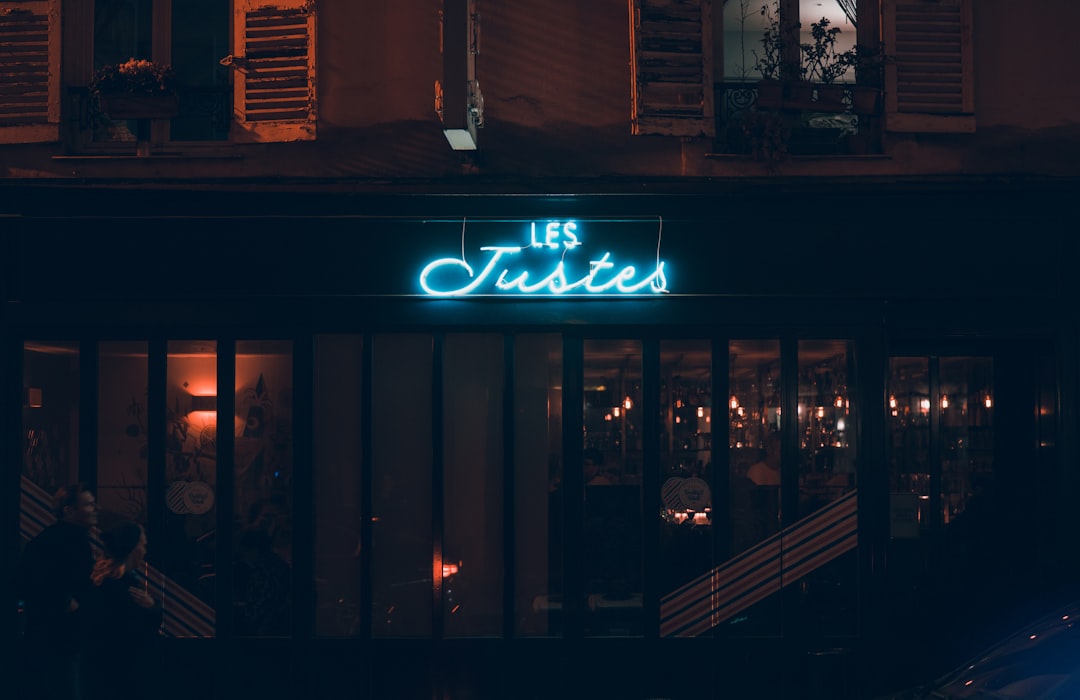

Where the Nightlife Is
Tap a district for venues, prices, and safety info
Champs-Elysees / George V
4/5SafeGuide to the Champs-Elysees and George V nightlife area in Paris. Exclusive clubs, hotel bars, and high-end lounges in the city's luxury corridor.
5 nightlife spots listed
Pigalle
3/5ModerateGuide to Pigalle and South Pigalle in Paris. Cabarets, cocktail bars, live music, and the Moulin Rouge area with safety and scam warnings.
6 nightlife spots listed
District Map of Paris
Pick a district to recenter the map and see hotels nearby.
Where to stay in Paris
Compare hotels and rentals across the city's nightlife districts.
See places to stay and current pricesOverview
Paris after dark is a city of distinct neighborhoods, each running its own nightlife program. The 18th arrondissement's Pigalle offers neon-lit cabarets, sex shops, and rock bars in the shadow of Sacre-Coeur. The Champs-Elysees corridor concentrates exclusive clubs where entry depends on your outfit, your connections, and sometimes your table reservation's minimum spend. Between these extremes, the Marais serves cocktails in medieval cellars, Oberkampf delivers indie dive bars, and Saint-Germain-des-Pres keeps the jazz tradition alive.
Research conducted through direct venue visits and local interviews.
The city's scale matters. Twenty arrondissements spiral outward from the Seine, each with different prices, atmospheres, and safety profiles. Central Paris (1st through 11th arrondissements) is well-served by metro, generally safe, and packed with options.
Legal Context
Paris follows French federal law. Individual sex work is legal, but the 2016 Nordic-model law criminalizes clients. Enforcement in Paris is more active than in other French cities, with police operations periodically targeting known solicitation areas around the Bois de Boulogne and northern arrondissements.
Licensed entertainment venues operate freely. Paris's cabaret tradition enjoys explicit cultural protection, and major cabarets hold entertainment licenses that predate most current regulations. Smaller establishments in Pigalle face more scrutiny.
Key Areas
Pigalle and South Pigalle (SoPi) span the boundary between the 9th and 18th arrondissements. Boulevard de Clichy hosts the Moulin Rouge, sex shops, and tourist-oriented venues. South of the boulevard, SoPi has gentrified into one of Paris's best cocktail bar neighborhoods.
Champs-Elysees and Avenue George V form Paris's luxury nightlife corridor. Exclusive clubs, hotel bars, and high-end restaurants cluster around the triangle d'or (golden triangle) between the Champs-Elysees, Avenue Montaigne, and Avenue George V.
The Marais (3rd-4th arrondissements) is Paris's most walkable bar district. Narrow medieval streets packed with cocktail bars, wine bars, and restaurants. Also the center of Paris's LGBTQ+ nightlife.
Oberkampf (11th arrondissement) is the alternative nightlife strip. Rue Oberkampf and Rue Jean-Pierre Timbaud line up affordable bars and live music venues. Younger crowd, lower prices, less attitude.
Safety
Paris is safe for nightlife with awareness. The central arrondissements are well-policed and busy until late. Specific concerns:
- Pickpockets are professional and active. Metro lines 1 and 4 are particular targets. Keep phones in front pockets, especially on packed trains
- The area around Gare du Nord and Gare de l'Est can feel rough after midnight. Transit through quickly
- Pigalle's side streets (north of Boulevard de Clichy toward Barbes) are less touristy and occasionally host aggressive street dealers
- The Bois de Boulogne is a known sex work and cruising area at night. It's not a nightlife destination and carries personal safety risks
- Chatelet-Les Halles station and its surroundings attract petty criminals after midnight. Use surface transport instead
Police are responsive but not always sympathetic to nightlife-related incidents. File reports at a commissariat for insurance purposes. The tourist police office at 36 Rue des Morillons handles visitor complaints.
Costs and Pricing
A night out in Paris adds up fast. Drinks at a standard bar: draft beer EUR 6-9, wine EUR 5-10, cocktails EUR 12-18. Upscale venues and hotel bars push cocktails to EUR 18-25.
Club entry varies wildly. Some smaller clubs are free before midnight. Major venues charge EUR 20-30, and exclusive clubs operate on table-reservation-only policies with EUR 500-2000 minimums.
Cabaret shows are their own category. Moulin Rouge dinner shows run EUR 185-450. A show with champagne (no dinner) starts at EUR 87. Crazy Horse performances begin at EUR 110 for the show and two drinks. Book online in advance; door prices are higher.
Food: a brasserie dinner costs EUR 15-25 per person. Late-night food is limited. Kebab shops near nightlife areas charge EUR 7-10. McDo (McDonald's) stays open until 01:00-02:00 in central locations.
Metro: EUR 2.15 per ride, carnet of 10 for EUR 17.35. Service until 01:15 (02:15 Friday-Saturday). Uber operates legally and reliably. Taxis are metered and honest but expensive, with minimum fares starting at EUR 7.30.
Cultural Norms
Parisians dress for going out, but the style is calculated understatement rather than flashy display. Dark jeans, a good jacket, and leather shoes work for 90% of venues. Logos and brand displays are considered tacky. The goal is looking like you didn't try too hard while clearly having tried.
Volume matters. Speaking loudly in a bar or restaurant marks you as a tourist faster than any accent. Parisians socialize at conversational volume, and bars are quieter than their Anglo-Saxon equivalents.
French service culture differs from the American model. Waiters won't check on you every five minutes; you signal when you need attention. This isn't rudeness; it's respect for your space. The phrase "s'il vous plait" accompanied by eye contact summons service.
Social Scene
The Marais is Paris's most accessible social neighborhood. Its density of bars, the walkability of its streets, and the mix of locals, expats, and tourists create a naturally social environment. Start at a wine bar, drift to a cocktail spot, and end up at a late-night pizza place, all within a 10-minute walking radius.
Canal Saint-Martin (10th arrondissement) is the after-work drinking spot. The canal banks fill with people sitting on the edges with supermarket wine and takeaway food from 18:00 onward in warm months. It's Paris's most casual social space and costs nothing beyond what you bring.
Belleville, straddling the 19th and 20th arrondissements, has emerged as the creative and immigrant neighborhood equivalent of Brooklyn or Kreuzberg. Chinese, North African, and French bars sit side by side, and the prices are 30-40% below central Paris.
Local Dating Notes
Parisian dating follows its own script. The "date" as Americans understand it barely exists. French people prefer to hang out in groups, and romantic interest develops through repeated encounters rather than formal one-on-one meetings. Asking someone to dinner on a first meeting can feel too intense. Coffee or a drink is the standard opening.
French directness about attraction coexists with subtlety in execution. People signal interest through sustained eye contact, physical proximity, and focused conversation rather than explicit declarations. Reading these signals correctly is part of the cultural literacy required.
Speaking French, even imperfectly, matters more in Paris than in almost any other European capital. Parisians will switch to English if needed, but the effort of trying French earns genuine goodwill. Download Duolingo, learn the basics, and use them.
Scam Warnings
Pigalle hostess bars are the primary nightlife scam in Paris. Touts standing in doorways along Boulevard de Clichy invite passersby into small bars where women sit at the counter. Drinks are priced at EUR 30-80 each, and a "champagne" order for your companion can top EUR 200. Some venues use intimidation to ensure payment. Avoid any bar where a doorman is actively recruiting customers.
The Champs-Elysees has its own version: beautiful women approaching solo men and suggesting nearby bars. The destination is always a clip joint. If a stranger suggests a specific venue, it's a setup.
Around the Moulin Rouge, three-card monte operators and their teams of fake bystanders set up on the sidewalk. The game is rigged without exception.
Best Times
Thursday through Saturday for full nightlife. Wednesday has dedicated events at some venues. August empties Paris as residents flee for vacation, and some bars and clubs close entirely. September through November is the social season. Fashion Week (late September) floods the Marais and Champs-Elysees areas with international visitors.
Getting Around
Paris's metro covers the city thoroughly, with stations rarely more than 500 meters apart in central arrondissements. Last trains leave around 01:15 (02:15 Friday-Saturday). The Noctilien night bus network runs from 00:30 to 05:30, covering major axes. Uber and Bolt operate legally. Velib' bike-sharing stations are everywhere and work well for short trips between neighborhoods.
What Not to Do
- Don't follow touts into bars in Pigalle or anywhere else. Choose venues yourself
- Don't eat dinner at restaurants on the Champs-Elysees itself. Walk one block in any direction for better food at lower prices
- Don't be loud on the metro or in bars. Volume control is a social signal in Paris
- Don't skip learning basic French phrases. "Bonsoir," "s'il vous plait," and "l'addition" go a long way
- Don't assume Paris shuts down early. The metro stops at 01:15, but bars and clubs run much later
Get the Legal Status PDF, 50 countries
Newsletter signup coming soon. Check back shortly.
Bookable nightlife experiences in Paris
Curated tours and shows from verified operators. Skip-the-line entry, bilingual guides, and fixed prices booked online.
Flights to Paris
Compare prices across airlines. Filter by stops, time, and cabin.
Airport transfer to Paris
Pre-booked transfers cost about the same as a metered taxi but cut out the airport queue, the meter argument, and the "no English" routine that takes some drivers to the wrong address. Fixed price quoted before booking, driver tracks your flight, waits with a name sign at arrivals.
Book a KiwiTaxi transferFrequently Asked Questions
Related Guides
Champs-Elysees / George V
Guide to the Champs-Elysees and George V nightlife area in Paris. Exclusive clubs, hotel bars, and high-end lounges in the city's luxury corridor.
Read guidePigalle
Guide to Pigalle and South Pigalle in Paris. Cabarets, cocktail bars, live music, and the Moulin Rouge area with safety and scam warnings.
Read guideWas this guide helpful?