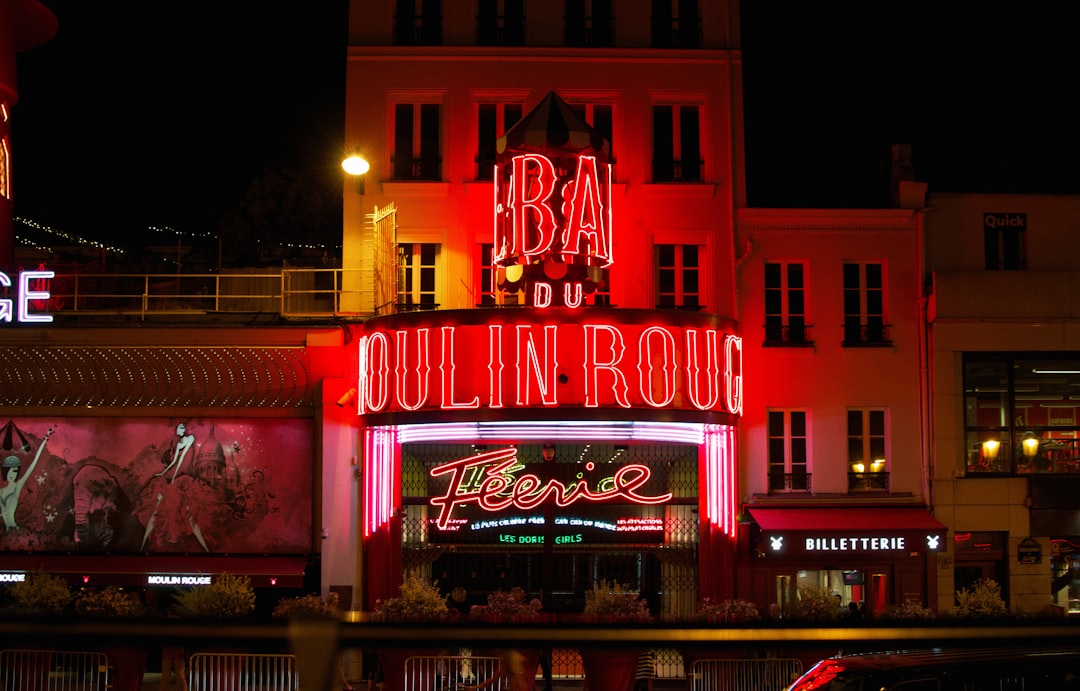


Before You Travel to France
Five things every smart traveler sorts before booking.
- 1
Passport valid 6+ months from entry date
Most countries refuse entry on passports expiring within six months. Renew now if you're close.
- 2
Visa requirements for France
Some are visa-free, some require an e-visa filed days ahead, some need an embassy appointment.
- 3
Travel insurance booked
A hospital visit in France can run $4,000-15,000 without cover. Credit card insurance usually excludes alcohol-related incidents.
- 4
eSIM data plan ready before landing
Airport SIM kiosks need your passport and overcharge tourists. Install an eSIM in 60 seconds, online before you fly.
- 5
Accommodation reserved in the right district
The wrong neighborhood means a 45-minute taxi every night. Map the venues first, then book.
City Guides in France
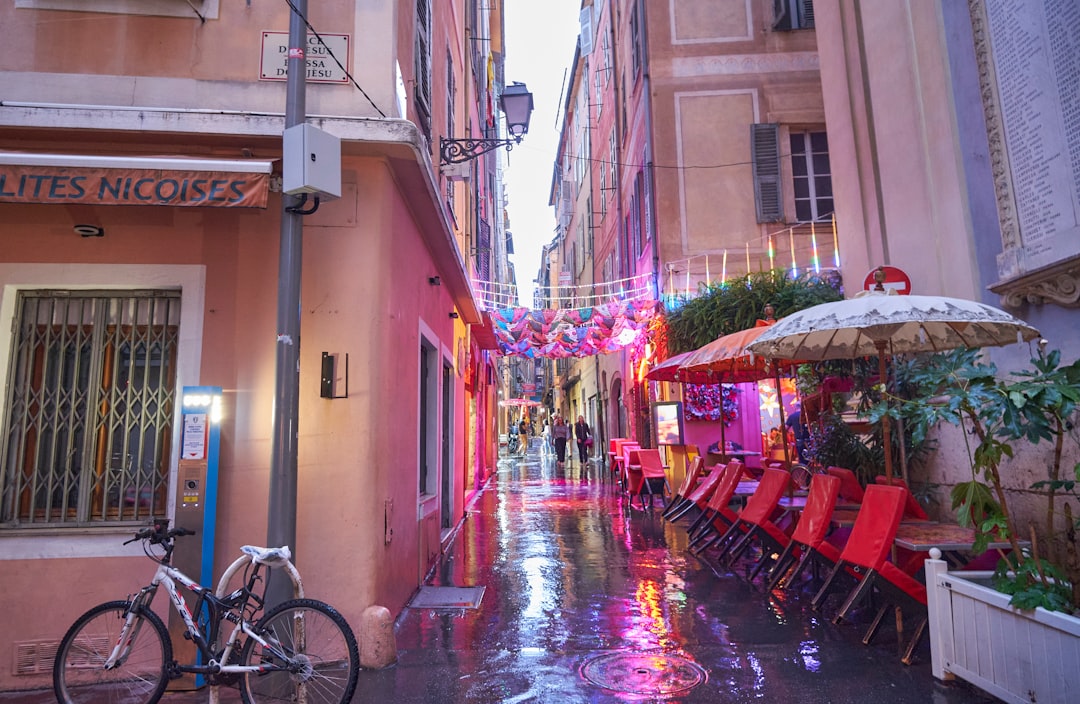
Nice
City guide to Nice nightlife on the French Riviera. Old Town bars, port-side clubs, and the Cote d'Azur social scene with costs and safety tips.
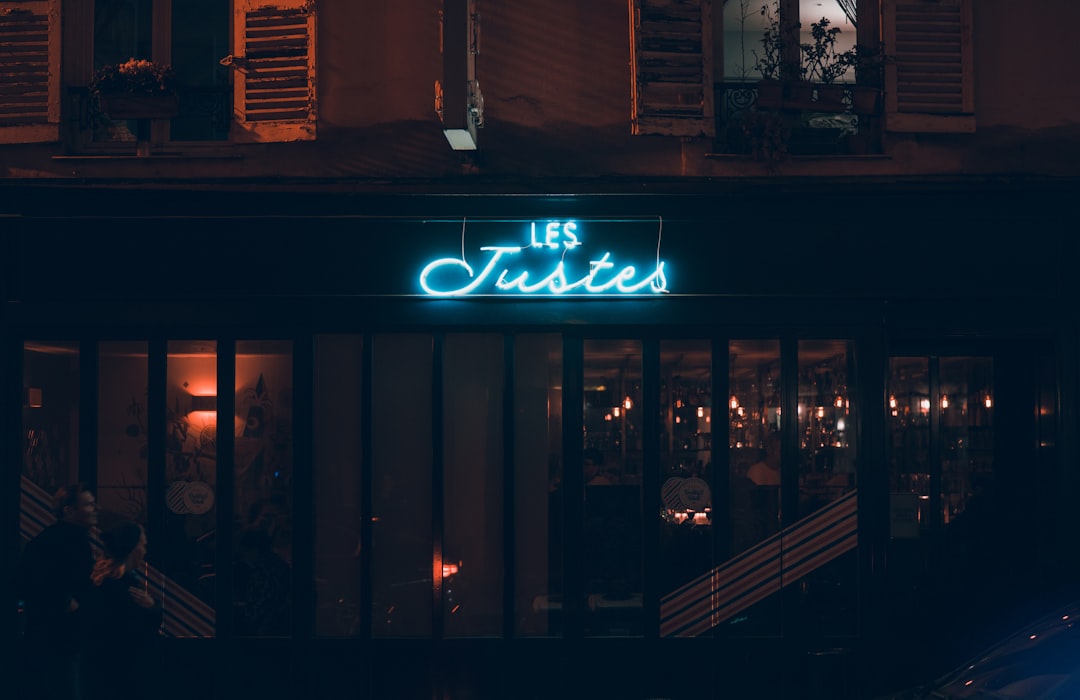
Paris
City guide to Paris nightlife from Pigalle's cabarets to Champs-Elysees clubs. Safety tips, costs, scam warnings, and cultural norms for France's capital.
Compare hotels in France
Hotels, hostels, and short-term rentals across the country's main nightlife cities.
Legal Framework
France legalized individual sex work in 2016 under the "loi pour renforcer la lutte contre le systeme prostitutionnel." The law took a Nordic-model approach: selling sex is legal, but buying it is a criminal offense for the client. Penalties for clients include fines of EUR 1,500 for a first offense and EUR 3,750 for repeat offenses.
Information verified through local contacts as of March 2026.
This creates a unique situation. Sex workers themselves face no criminal liability, but their clients technically commit an offense. In practice, enforcement of the client penalty varies dramatically by location and political climate. Paris sees periodic crackdowns, while smaller cities enforce inconsistently.
Strip clubs, cabarets, and hostess bars operate legally under entertainment licenses. France has a long tradition of cabaret entertainment, and venues like the Moulin Rouge, Crazy Horse, and Lido have operated continuously for over a century. These are regulated entertainment businesses, not sex work venues, though the line between entertainment and adult services blurs at less prominent establishments.
Enforcement Reality
French police enforcement follows political cycles. Periodic crackdowns on street solicitation occur in Paris, particularly around the Bois de Boulogne, Porte Dauphine, and certain northern arrondissements. These operations target clients under the 2016 law, though convictions remain relatively rare.
Indoor venues face scrutiny proportional to their visibility. High-profile cabarets operate without interference. Smaller establishments in the 18th arrondissement (Pigalle, Barbes) receive more attention from Brigade des Moeurs (vice squad), particularly when complaints arise from residents or competing businesses.
Online platforms have become the primary channel for sex work arrangements, pushing activity away from streets and into a digital gray area that French authorities struggle to regulate. The 2016 law explicitly targets in-person solicitation, and its application to online contexts remains legally contested.
Cultural Context
France has a complicated, almost paradoxical relationship with adult entertainment. The country that invented the cabaret and the striptease maintains a cultural comfort with eroticism that coexists with progressive feminist movements that pushed for the Nordic model. Nudity in French advertising, cinema, and public life carries far less stigma than in English-speaking countries.
Parisians treat nightlife as a cultural activity rather than a guilty pleasure. A night at a cabaret show is a legitimate tourist experience, discussed openly and reviewed in mainstream publications. The distinction between "entertainment" and "adult entertainment" is less rigid than in countries like the UK or US.
Provincial France operates differently. Outside Paris, Nice, Lyon, and Marseille, adult entertainment is limited and more discreet. Rural and small-town France is socially conservative despite the country's liberal legal framework.
Venue Types
Cabarets are France's signature contribution to nightlife culture. The Moulin Rouge (tickets from EUR 87), Crazy Horse (from EUR 110), and Lido (from EUR 95) offer professional shows combining dance, acrobatics, and partial nudity in theatrical settings. These are entertainment productions, not adult venues.
Clubs prives (private clubs) range from upscale swingers' clubs to member-only nightclubs. Paris has a well-established network, with venues like Les Chandelles and Le Mask operating openly. Membership or couple-only policies are common. Entry runs EUR 80-150 per couple, often including drinks.
Hostess bars exist in Pigalle and parts of the Champs-Elysees area. These bars employ women to chat with and drink alongside customers. Drink prices are inflated (EUR 20-50 per glass), and the social company is the product being sold. Some are legitimate establishments; others use aggressive tactics.
Standard nightclubs in Paris are among Europe's most exclusive. Venues like L'Arc, Chez Raspoutine, and Le Baron operate strict door policies based on appearance, connections, and table reservations. Entry costs EUR 20-30, but table minimums can exceed EUR 500.
Costs
France, particularly Paris, is expensive. Nightlife costs reflect the country's high-wage, high-price economy.
A beer at a standard bar costs EUR 6-9 in Paris, EUR 4-6 in Nice or Lyon. Wine starts at EUR 5-8 per glass. Cocktails run EUR 12-18 at normal bars and EUR 18-25 at upscale venues. Club entry ranges from EUR 15-30, with exclusive venues charging more or operating on guest-list-only policies.
Cabaret shows are a separate budget category. Moulin Rouge dinner shows run EUR 185-450. Crazy Horse performances start at EUR 110 for a show with two drinks. These are luxury entertainment experiences priced accordingly.
Food in France is both a necessity and a cultural event. A brasserie lunch (plat du jour) costs EUR 12-18. Dinner at a mid-range restaurant runs EUR 30-50 per person. Late-night food options are limited compared to southern European cities; most restaurants close by 22:30-23:00.
Paris metro tickets cost EUR 2.15 per ride. A carnet of 10 is EUR 17.35. The metro runs until about 01:15 (02:15 on Friday and Saturday nights). Taxis from Charles de Gaulle airport to central Paris run EUR 53-58 (fixed rates by zone).
Hotels in nightlife areas range from EUR 40-60 for hostels to EUR 150-300 for mid-range and EUR 300-800+ for luxury.
Dating Culture
French dating operates without many of the formal structures found in American or Northern European culture. There's no equivalent of the American "dating" stage. People meet, spend time together, and the relationship either develops or doesn't. Exclusivity is assumed relatively early; the concept of dating multiple people simultaneously is culturally foreign to most French people.
Physical affection is open and normalized. Couples kiss in public parks, on metro platforms, and at restaurant tables. Nobody bats an eye. The French are tactile in conversation, with cheek kisses (la bise) as standard greetings. The number of kisses varies by region: two in Paris, three in parts of the south, four in some northern areas.
French women are direct about their interest, or lack of it. Aggressive pursuit after a clear rejection is poorly received and can result in intervention from bystanders. "No" means no, delivered without the hedging or softening common in other cultures.
Appearance matters, but the French definition of attractive differs from the American or Italian model. Effortless elegance beats obvious effort. Overly muscled physiques, excessive grooming, or flashy designer logos are less appealing than a well-fitted shirt and natural confidence.
Dating Apps
Tinder dominates the French market with millions of active users, particularly in Paris. Bumble has growing traction among professionals and English-speaking expats. Happn, a French-developed app based on proximity, has a loyal user base in Paris where the density of users makes its "crossed paths" feature actually functional.
Fruitz is a French app that uses fruit emojis to signal intentions: cherry for hookups, grape for wine dates, watermelon for something casual, peach for serious relationships. It's popular among under-30 French users.
English-language profiles work well in Paris and tourist cities. Outside major metros, French-language profiles perform dramatically better. Profile photos should emphasize casual, natural settings over posed gym shots or staged travel photos.
Key Cities
Paris dominates French nightlife with a scene that stretches from Pigalle's neon-lit sex shops and cabarets through the Marais' cocktail bars to the Champs-Elysees' exclusive clubs. The city's scale, density, and international population make it one of Europe's premier nightlife destinations. Each arrondissement has its own character.
Nice anchors the French Riviera scene. The Vieux Nice (Old Town) concentrates bars and restaurants in medieval streets, while the Promenade des Anglais and Port area host clubs and late-night venues. Summer season (June through September) is peak, with prices and crowds peaking in July and August.
Lyon has a growing nightlife reputation, particularly around the Presqu'ile peninsula and the Vieux Lyon cobblestone quarter. It's significantly cheaper than Paris and has an authentic, less tourist-dependent scene.
Marseille offers a raw, diverse nightlife centered on the Vieux Port and Cours Julien neighborhoods. It's France's grittiest major city but also one of its most culturally rich.
Safety Considerations
France is generally safe for nightlife, with standard precautions applying in major cities.
- Pickpockets are extremely active in Paris, especially on metro lines, at tourist sites, and in crowded nightlife areas. The 1st, 4th, and 18th arrondissements are hotspots
- The Pigalle area, while tourist-friendly on the main boulevard, has side streets where aggressive touts work the doorways. Stay on well-lit main streets
- Drink spiking occurs in clubs and bars across France. Watch your glass
- Avoid the Bois de Boulogne at night. It's a known area for street sex work and petty crime
- Some outer suburbs (banlieues) have elevated crime rates and limited nightlife appeal. Stick to central areas unless you know where you're going
- Emergency services are reliable and responsive. Call 112 for any emergency, 15 for medical (SAMU), 17 for police
Common Scams
Paris bar scams are well-documented. The most common involves an attractive person inviting a tourist to "a great bar I know." The bar turns out to be a clip joint where champagne costs EUR 200-500 per glass. Bouncers prevent you from leaving until you pay. If a stranger suggests a specific bar, decline.
The "gold ring" scam involves someone "finding" a gold ring near you and offering to sell it. It's worthless. Walk away.
Petition scams (usually around Sacre-Coeur and tourist areas) are pickpocket operations. Signing the petition distracts you while a partner lifts your wallet.
Fake charity collectors with official-looking vests sometimes work nightlife areas, particularly around metro stations. Legitimate charity collection doesn't happen at midnight.
Three-card monte games near the Moulin Rouge and tourist areas are rigged. The "winners" you see are part of the crew.
What Not to Do
- Don't follow strangers to bars, especially in Pigalle or near the Champs-Elysees. Choose your own venues
- Don't carry large amounts of cash. Card payments are accepted almost everywhere
- Don't engage with aggressive touts at Pigalle doorways. A firm "non merci" and continued walking is the correct response
- Don't assume that friendliness from bar staff or hostesses is personal interest. It's professional hospitality
- Don't skip dinner. The French social calendar expects dinner before going out, and showing up hungry at a bar looks out of place
- Don't speak loudly in restaurants or bars. Volume control signals social class in France more than in almost any other country
- Don't tip like an American. Service is included in French restaurant bills (service compris). Leaving EUR 1-2 on a drink or rounding up a restaurant bill is generous
Sources
- U.S. Department of State: France Travel Advisory - Entry requirements, safety alerts, and local law summary
- UK Foreign, Commonwealth & Development Office: France Travel Advice - Safety, health, and legal information for travelers
- Australian Government Smartraveller: France - Travel advisory and practical information
Get the Legal Status PDF, 50 countries
Newsletter signup coming soon. Check back shortly.
Emergency Information: France
- Emergency:
- 112
- Embassy Note:
- Most embassies are located in Paris. Consulates operate in Marseille, Lyon, Strasbourg, and other major cities.
Other Options in the Area
Belgium
Brussels nightlife from the Gare du Nord's red-light windows to Ixelles' cocktail bars. Legal and regulated, expensive, with a distinct bilingual cultural divide.
Germany
Hamburg's Reeperbahn, Berlin's FKK clubs, and Frankfurt's Bahnhofsviertel. Fully legal and regulated, expensive but transparent, with Europe's most organized adult entertainment industry.
Ireland
Dublin's pub culture, late-night clubs, and the reality of Ireland's 2017 sex purchase ban. A safe, expensive destination where nightlife centers on drinking culture rather than adult entertainment.
Luxembourg
Luxembourg's nightlife is compact but sophisticated, centered on the Clausen valley in Luxembourg City. High prices reflect the country's wealth, but the bar scene delivers quality over quantity.
Similar Countries in Other Regions
Countries with a similar overall score to France (3.5) but in different parts of the world.
Azerbaijan
3.5Caucasus
An oil-rich Caspian nation where conservative Muslim traditions sit alongside Baku's cosmopolitan bar scene, waterfront clubs, and a nightlife shaped by petrodollars and regional tourism.
China
3.5East Asia
Guide to nightlife across mainland China, Hong Kong, and Macau covering bar districts, KTV culture, legal context, costs, and practical tips for foreign visitors.
Croatia
3.5Southern Europe
Zagreb and Split offer a growing nightlife scene with Mediterranean beauty, Adriatic coastline bars, and an unregulated but tolerated adult entertainment industry.
Was this guide helpful?