
Before You Travel to Ireland
Five things every smart traveler sorts before booking.
- 1
Passport valid 6+ months from entry date
Most countries refuse entry on passports expiring within six months. Renew now if you're close.
- 2
Visa requirements for Ireland
Some are visa-free, some require an e-visa filed days ahead, some need an embassy appointment.
- 3
Travel insurance booked
A hospital visit in Ireland can run $4,000-15,000 without cover. Credit card insurance usually excludes alcohol-related incidents.
- 4
eSIM data plan ready before landing
Airport SIM kiosks need your passport and overcharge tourists. Install an eSIM in 60 seconds, online before you fly.
- 5
Accommodation reserved in the right district
The wrong neighborhood means a 45-minute taxi every night. Map the venues first, then book.
City Guides in Ireland
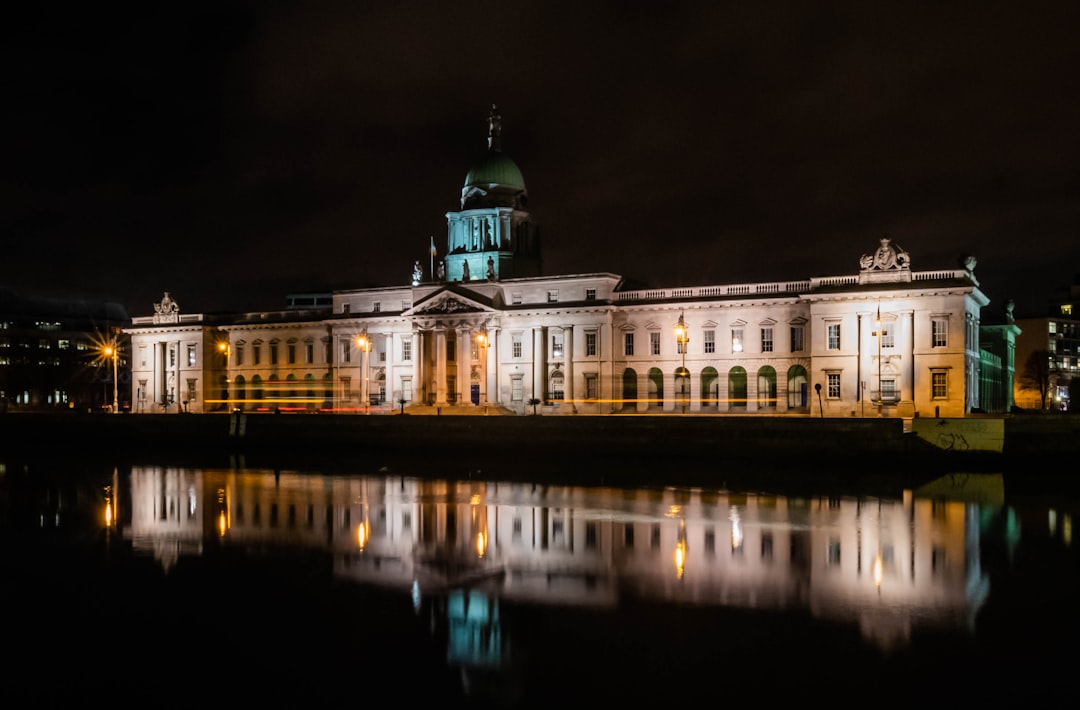
Compare hotels in Ireland
Hotels, hostels, and short-term rentals across the country's main nightlife cities.
Legal Framework
Ireland adopted the Swedish model in 2017 through the Criminal Law (Sexual Offences) Act. Selling sex is legal, but purchasing sexual services is a criminal offense punishable by a fine of up to EUR 500 for a first offense. Organizing or managing sex work, including operating a brothel or advertising services, remains illegal under the Criminal Law (Sexual Offences) Act 1993 as amended.
Last updated after our March 2026 research trip.
The law creates an asymmetric system. A person selling sex commits no offense, but the buyer faces prosecution. Two or more sex workers sharing premises for safety can be charged with brothel-keeping, a provision that drew criticism from advocacy groups during the legislative process.
Enforcement Reality
Enforcement of the purchase ban has been inconsistent since its introduction. Gardai (Irish police) have made relatively few prosecutions under the 2017 provisions. Most convictions result in fines at the lower end of the scale. Police resources tend to focus on trafficking investigations and organized crime rather than individual transactions between consenting adults.
Online advertising of sexual services continues openly through international platforms hosted outside Irish jurisdiction. Escort services operate in a gray area, with providers advertising "companionship" while the transactional element remains technically illegal for the client.
Street-based sex work is minimal in Ireland. The market operates almost entirely through online platforms and private apartments.
Cultural Context
Ireland's relationship with sexuality has undergone a dramatic transformation over the past three decades. The country that criminalized homosexuality until 1993 and divorce until 1997 became the first nation to legalize same-sex marriage by popular vote in 2015. This cultural shift reshaped attitudes toward personal freedom, though conservative views persist in rural areas and among older demographics.
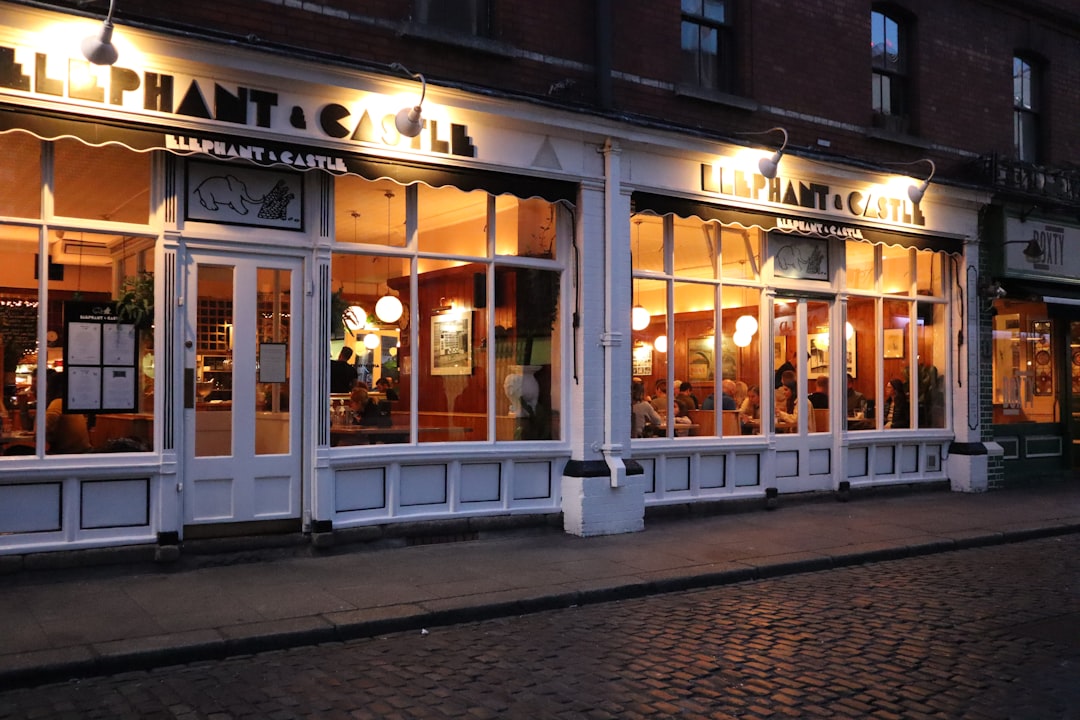
Pub culture is central to Irish social life. The pub isn't just a place to drink; it's a community institution where music, conversation, and social connection happen organically. This makes Ireland's nightlife scene distinctive. The energy concentrates in pubs and late-night bars rather than dedicated adult entertainment venues.
Strip clubs exist in Dublin but occupy a small and somewhat controversial niche. Lap dance venues operate under standard entertainment licenses, and the industry has faced periodic calls for tighter regulation.
Dating Culture
Irish dating culture has shifted heavily toward apps. Tinder, Bumble, and Hinge are widely used, particularly in Dublin and other cities. The traditional pub remains the default first-date venue, with drinks serving as the standard social lubricant.
Irish people tend toward humor and self-deprecation in social interactions. Direct approaches can work but aren't the norm. Conversation, wit, and the ability to hold your own in a group setting count for more than appearance or money. "The chat" (being good at conversation) is genuinely valued.
Foreign visitors generally receive a warm reception. Ireland's tourism-dependent economy means that locals in Dublin and other cities are accustomed to international visitors. Language is never a barrier, and the social culture in pubs encourages interaction between strangers.
Costs
Ireland is expensive by European standards, and Dublin particularly so. A pint of Guinness or lager in a city-center pub costs EUR 6-8. Cocktails run EUR 12-16. Nightclub entry fees range from EUR 10 to EUR 20, with some venues charging EUR 25-30 on peak nights.
Food costs are high. A pub lunch costs EUR 12-18. Restaurant dinners start at EUR 20-30 per person for mid-range options. Fast food and takeaway (chipper, kebab) runs EUR 8-14.
Accommodation in Dublin is notoriously expensive. Hostel dorms start at EUR 25-40 per night. Budget hotels run EUR 80-120. Mid-range hotels cost EUR 120-200, and anything central on a weekend can exceed EUR 200 easily.
Transport within Dublin is reasonable. A Leap card single bus fare is EUR 1.70, Luas (tram) is EUR 1.70-2.50, and DART (commuter rail) costs vary by distance. Taxis are expensive, with a minimum fare of EUR 3.80 and a rate of roughly EUR 1.14 per kilometer during the day.
Get the Legal Status PDF, 50 countries
Newsletter signup coming soon. Check back shortly.
Emergency Information: Ireland
- Emergency:
- 112
- Tourist Police:
- 999 (general emergency, also works)
- Embassy Note:
- Most embassies are located in Dublin.
Other Options in the Area
Belgium
Brussels nightlife from the Gare du Nord's red-light windows to Ixelles' cocktail bars. Legal and regulated, expensive, with a distinct bilingual cultural divide.
France
Paris nightlife from Pigalle's cabarets to the Champs-Elysees clubs, plus the Riviera scene. Legal, regulated, and expensive with a deep entertainment tradition.
Germany
Hamburg's Reeperbahn, Berlin's FKK clubs, and Frankfurt's Bahnhofsviertel. Fully legal and regulated, expensive but transparent, with Europe's most organized adult entertainment industry.
Luxembourg
Luxembourg's nightlife is compact but sophisticated, centered on the Clausen valley in Luxembourg City. High prices reflect the country's wealth, but the bar scene delivers quality over quantity.
Similar Countries in Other Regions
Countries with a similar overall score to Ireland (2.8) but in different parts of the world.
Egypt
2.8North Africa / Middle East
Nightlife exists beneath the surface in Cairo and resort towns like Sharm el-Sheikh. Officially illegal with real enforcement risk, but a scene persists for those who know where to look.
Jamaica
2.8Caribbean
Jamaica's nightlife concentrates in Montego Bay's tourist strip and Kingston's club scene. Expect high prices by Caribbean standards, limited safety infrastructure, and a culture where dancehall music shapes everything after dark.
Sweden
2.8Scandinavia
Stockholm's upscale Stureplan clubs and Södermalm's indie bars set against Sweden's Nordic model, where selling sex is legal but buying is a criminal offence carrying fines or prison time.
Was this guide helpful?