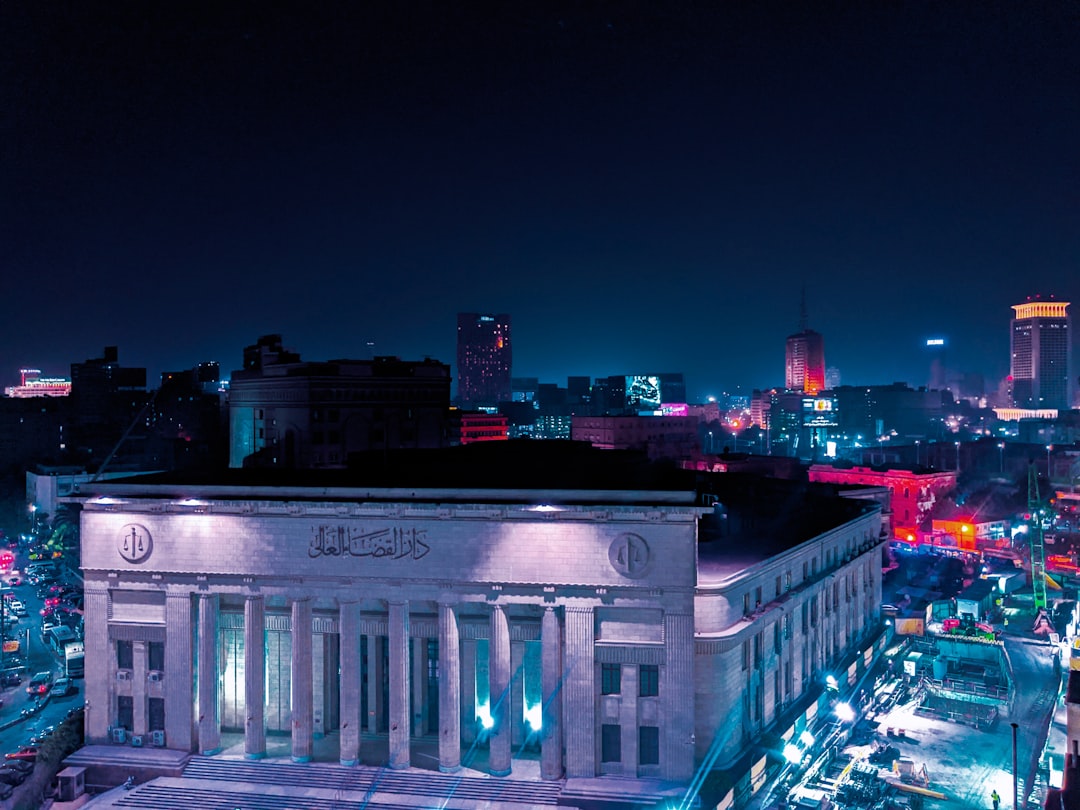


Before You Travel to Egypt
Five things every smart traveler sorts before booking.
- 1
Passport valid 6+ months from entry date
Most countries refuse entry on passports expiring within six months. Renew now if you're close.
- 2
Visa requirements for Egypt
Some are visa-free, some require an e-visa filed days ahead, some need an embassy appointment.
- 3
Travel insurance booked
A hospital visit in Egypt can run $4,000-15,000 without cover. Credit card insurance usually excludes alcohol-related incidents.
- 4
eSIM data plan ready before landing
Airport SIM kiosks need your passport and overcharge tourists. Install an eSIM in 60 seconds, online before you fly.
- 5
Accommodation reserved in the right district
The wrong neighborhood means a 45-minute taxi every night. Map the venues first, then book.
City Guides in Egypt
Cairo
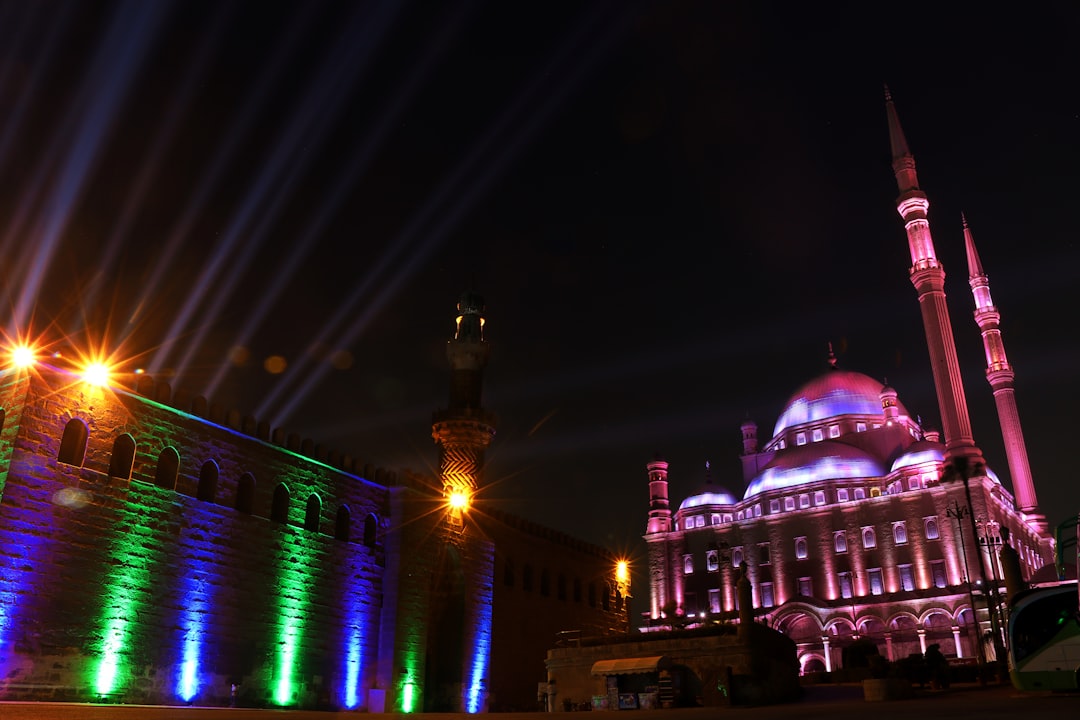
City guide to nightlife in Cairo, covering upscale venues in Zamalek and Mohandiseen, safety in a conservative environment, and navigating Egyptian social norms.
Sharm el-Sheikh
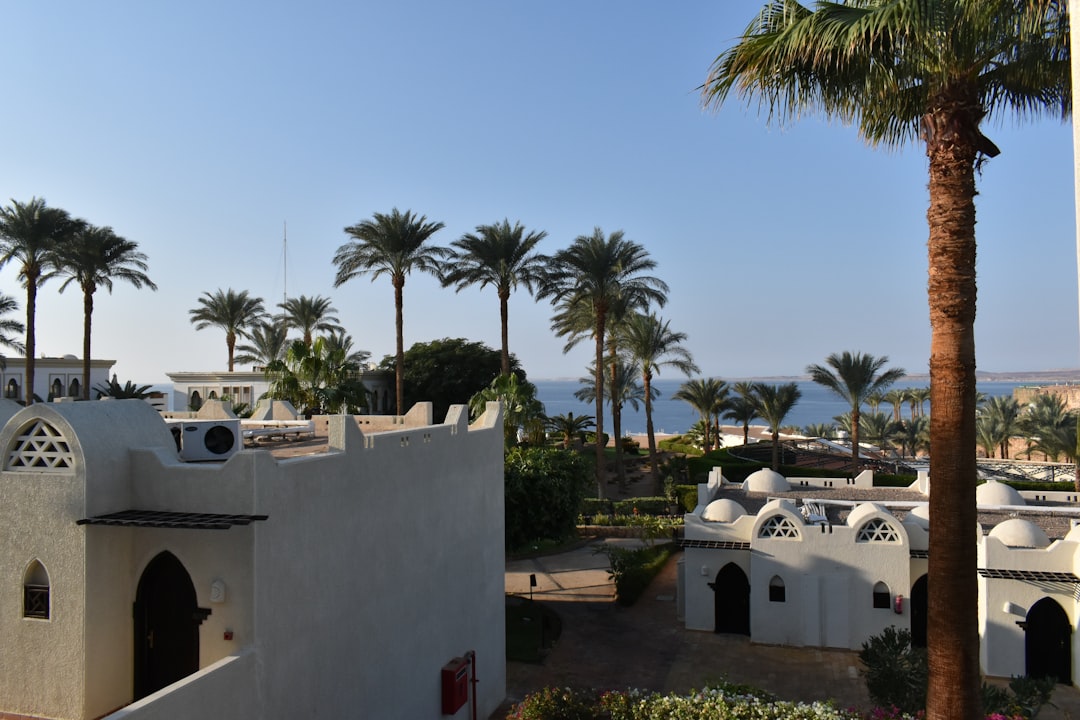
City guide to nightlife in Sharm el-Sheikh, Egypt's Red Sea resort town with hotel bars, Naama Bay clubs, and a more relaxed atmosphere than Cairo.
Compare hotels in Egypt
Hotels, hostels, and short-term rentals across the country's main nightlife cities.
Legal Framework
Prostitution is illegal in Egypt under Law 10 of 1961 (the Anti-Prostitution Law). The law criminalizes sex work, operating a brothel, soliciting, and profiting from the prostitution of others. Penalties range from one to three years of imprisonment for individuals, with harsher sentences for organizers and repeat offenders. The law applies equally to buyers and sellers, though enforcement in practice targets workers more heavily.
Last updated after our March 2026 research trip.
Egypt's legal system draws from both secular civil law and Islamic Sharia principles. Public morality laws are broad and can be applied to a range of behaviors, including homosexuality, which carries prison sentences. The legal environment is restrictive and genuinely enforced, making Egypt fundamentally different from countries where illegality is nominal.
Enforcement Reality
Unlike many countries where anti-prostitution laws exist mainly on paper, Egypt enforces these laws with meaningful consequences. Police conduct raids on establishments suspected of facilitating sex work. Arrests occur, particularly of workers and lower-level organizers. Foreign nationals caught in such raids face deportation, criminal charges, and public identification.
Enforcement varies by location and context. Cairo's upscale neighborhoods see less direct policing of private social activity. Resort towns like Sharm el-Sheikh, Hurghada, and the Red Sea coast have a more permissive atmosphere driven by tourism revenue, but the legal risk remains real. Hotels may report suspicious activity, and informants operate in nightlife areas.
The morality police (Al-Adab) are a dedicated unit within the Egyptian police that investigates vice crimes. Their methods include undercover operations, informant networks, and monitoring of online platforms. Dating apps and social media accounts have been used as evidence in prosecutions.
Cultural Context
Egypt is a conservative Muslim-majority country where religion shapes social norms significantly. Public expressions of sexuality are taboo. Premarital relationships exist, particularly among younger urban Egyptians, but they operate within a framework of discretion that outsiders may not fully appreciate.
The concept of honor (sharaf) plays a central role in Egyptian social dynamics. Sexual behavior, particularly for women, is directly linked to family honor. This creates a social environment where discretion isn't just preferred; it's a survival mechanism for those involved in any form of adult entertainment.
Tourism has created zones of relative social relaxation. Sharm el-Sheikh and Hurghada function somewhat differently from Cairo or Upper Egypt. International hotels, beach clubs, and tourist-oriented bars create spaces where normal social restrictions are loosened, though never fully suspended.
Venue Types
Hotel bars and nightclubs in upscale Cairo neighborhoods and resort towns are the primary social venues. These cater to a mix of wealthy Egyptians, Gulf tourists, and international visitors. Some facilitate introductions discreetly, but none operate openly as adult venues.
Beach clubs and pool parties in resort areas are social gathering points where mixing between tourists and locals occurs naturally. The atmosphere is more relaxed than Cairo.
Private parties and apartment gatherings constitute most of the actual adult scene. These operate through word of mouth and private social networks, well outside the view of casual visitors.
Online platforms are used despite monitoring by authorities. Apps and websites provide a channel for connections, though users face genuine surveillance risks.
Costs
Egypt is moderately priced compared to the Gulf states but more expensive than it appears on the surface. A beer at a hotel bar costs EGP 150-300 (approximately $3-6 USD at current exchange rates, though the Egyptian pound fluctuates significantly). Cocktails run EGP 250-500. Nightclub entry fees range from EGP 300-1,000 at upscale venues.
The economic situation in Egypt is volatile, and prices shift with the currency. What cost $10 a year ago may cost $5 today due to pound devaluation. Always check current exchange rates before budgeting.
Private arrangements are negotiated individually and vary enormously based on context, location, and parties involved. The opaque nature of the scene makes standardized pricing impossible to state.
Dating Culture
Egyptian dating culture is deeply influenced by Islamic social norms and family expectations. Traditional courtship involves the man expressing interest to the woman's family, and marriages are frequently arranged or facilitated by relatives. Among younger, urban, educated Egyptians, Western-style dating does occur, but it still operates within boundaries.
Mixed-gender socializing happens primarily in specific contexts: universities, workplaces, cafes, and upscale social venues. The concept of a "date" as understood in Western culture is becoming more common in Cairo and Alexandria but remains unusual in conservative areas.
For foreign men, social interactions with Egyptian women are complicated by cultural expectations. Casual conversation can be misinterpreted by families or bystanders. Being seen with an Egyptian woman in public can create problems for her, even if the interaction is entirely innocent.
Common mistakes to avoid:
- Attempting to interact with women in conservative neighborhoods or near mosques
- Assuming that resort-town social norms apply in Cairo or other cities
- Underestimating the legal risks of morality-related offenses
- Using dating apps without understanding surveillance risks
- Discussing politics or religion in social settings
Dating Apps
Tinder operates in Egypt but carries real risks. Egyptian authorities have used dating app profiles as evidence in morality cases. LGBTQ+ users face particular danger, as undercover police have used apps to entrap individuals. Straight users face less risk but should be aware that screens can be captured.
Bumble has a smaller presence. Facebook Dating sees moderate use among younger Egyptians. WhatsApp is the preferred communication platform once initial contact is made.
Creating a profile with your real photo and using a VPN adds a layer of privacy. Many local users use partial face photos or no photos at all for the same reason. This makes verification difficult and increases the risk of catfishing.
Key Cities
Cairo is the country's cultural and economic capital, with upscale nightlife concentrated in Zamalek (an island in the Nile), Mohandiseen, and Heliopolis. The scene is discreet and operates through social networks rather than visible venues.
Sharm el-Sheikh is the primary resort destination on the Sinai Peninsula. Its tourism infrastructure creates a more relaxed social environment, with hotel bars and beach clubs serving as primary social venues.
Hurghada on the Red Sea coast has a similar resort dynamic to Sharm el-Sheikh, with a mix of European and Gulf tourists.
Safety Considerations
Egypt presents specific safety challenges for nightlife:
- The legal risk is real. Morality law violations can result in arrest, imprisonment, and deportation
- Police checkpoints are common throughout Cairo, particularly at night
- Political instability and terrorism risks exist, particularly in Sinai. Check current travel advisories
- Sexual harassment of women (including foreign women) is widespread in public spaces
- Tourist police (dial 126) exist but are primarily concerned with protecting tourism revenue
- Medical care in Cairo is adequate at private hospitals; resort areas have more limited facilities
- Traffic in Cairo is genuinely dangerous; avoid driving yourself
Common Scams
The perfume shop scam: A friendly local guides you to a perfume or papyrus shop where you're pressured to buy overpriced goods. Decline all unsolicited guide offers.
Fake police: Individuals claiming to be plainclothes police demand to see identification and money, then confiscate cash. Ask for badge numbers and insist on going to a police station.
Hotel lobby approaches: In resort areas, individuals in hotel lobbies may offer services that are actually setups for robbery or blackmail. Be cautious with any unsolicited approaches.
Photography blackmail: Being photographed in compromising situations and then extorted. This is a real risk in any setting that involves adult activity. Be extremely cautious about allowing any recording.
What Not to Do
- Do not consume alcohol in public spaces outside of licensed venues
- Do not photograph military installations, government buildings, or police personnel
- Do not discuss politics critically in public
- Do not use dating apps without understanding the surveillance environment
- Do not assume that resort-area tolerance extends to other parts of Egypt
- Do not carry or use any drugs. Penalties are severe, including the death penalty for trafficking
- Do not engage in any LGBTQ+ activity. Homosexuality is prosecuted under morality laws
- Do not travel to North Sinai or border areas without checking current security advisories
Sources
- U.S. Department of State: Egypt Travel Advisory - Entry requirements, safety alerts, and local law summary
- UK Foreign, Commonwealth & Development Office: Egypt Travel Advice - Safety, health, and legal information for travelers
- Australian Government Smartraveller: Egypt - Travel advisory and practical information
Get the Legal Status PDF, 50 countries
Newsletter signup coming soon. Check back shortly.
Emergency Information: Egypt
- Emergency:
- 122
- Embassy Note:
- Most embassies are in Cairo's Garden City and Zamalek districts. Consular services in Sharm el-Sheikh and Hurghada are limited to honorary consuls.
Similar Countries in Other Regions
Countries with a similar overall score to Egypt (2.8) but in different parts of the world.
Ireland
2.8Western Europe
Dublin's pub culture, late-night clubs, and the reality of Ireland's 2017 sex purchase ban. A safe, expensive destination where nightlife centers on drinking culture rather than adult entertainment.
Jamaica
2.8Caribbean
Jamaica's nightlife concentrates in Montego Bay's tourist strip and Kingston's club scene. Expect high prices by Caribbean standards, limited safety infrastructure, and a culture where dancehall music shapes everything after dark.
Sweden
2.8Scandinavia
Stockholm's upscale Stureplan clubs and Södermalm's indie bars set against Sweden's Nordic model, where selling sex is legal but buying is a criminal offence carrying fines or prison time.
Was this guide helpful?