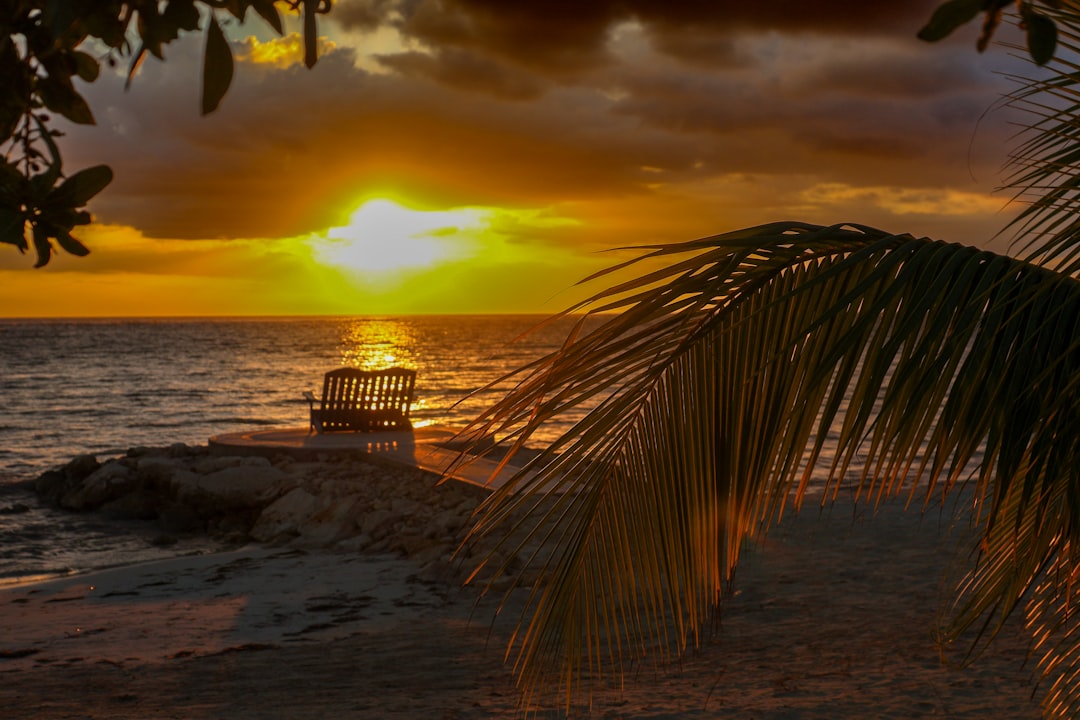


Before You Travel to Jamaica
Five things every smart traveler sorts before booking.
- 1
Passport valid 6+ months from entry date
Most countries refuse entry on passports expiring within six months. Renew now if you're close.
- 2
Visa requirements for Jamaica
Some are visa-free, some require an e-visa filed days ahead, some need an embassy appointment.
- 3
Travel insurance booked
A hospital visit in Jamaica can run $4,000-15,000 without cover. Credit card insurance usually excludes alcohol-related incidents.
- 4
eSIM data plan ready before landing
Airport SIM kiosks need your passport and overcharge tourists. Install an eSIM in 60 seconds, online before you fly.
- 5
Accommodation reserved in the right district
The wrong neighborhood means a 45-minute taxi every night. Map the venues first, then book.
City Guides in Jamaica
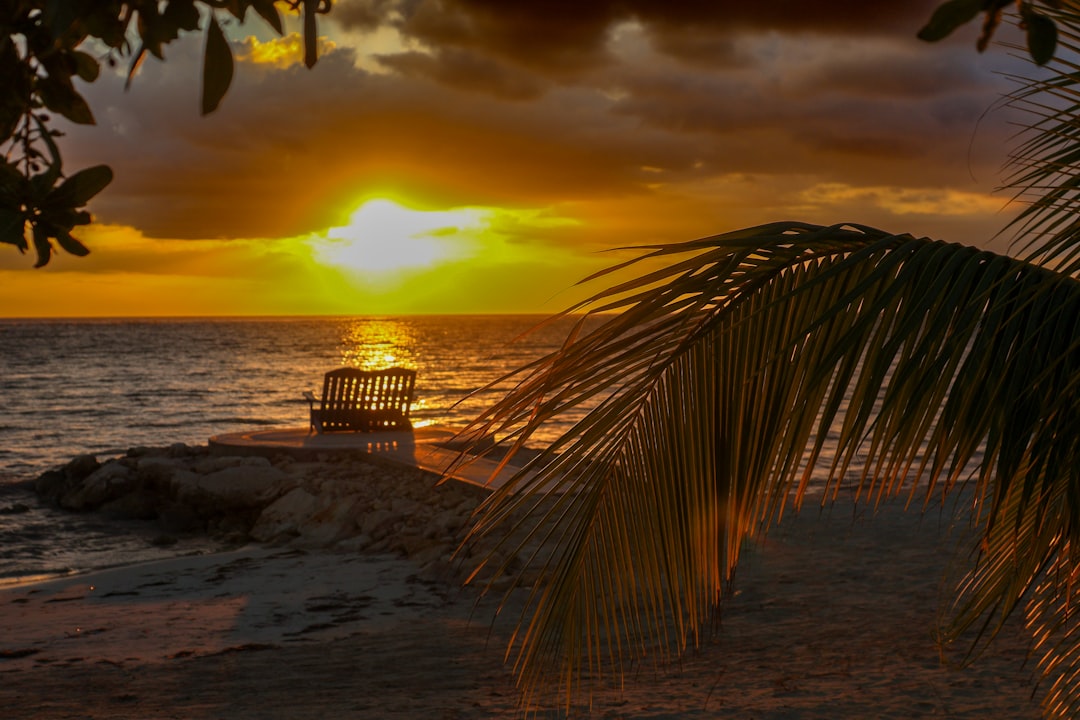
Kingston
City guide to nightlife in Kingston, Jamaica's capital, covering New Kingston clubs, dancehall sessions, safety warnings, and cultural context.
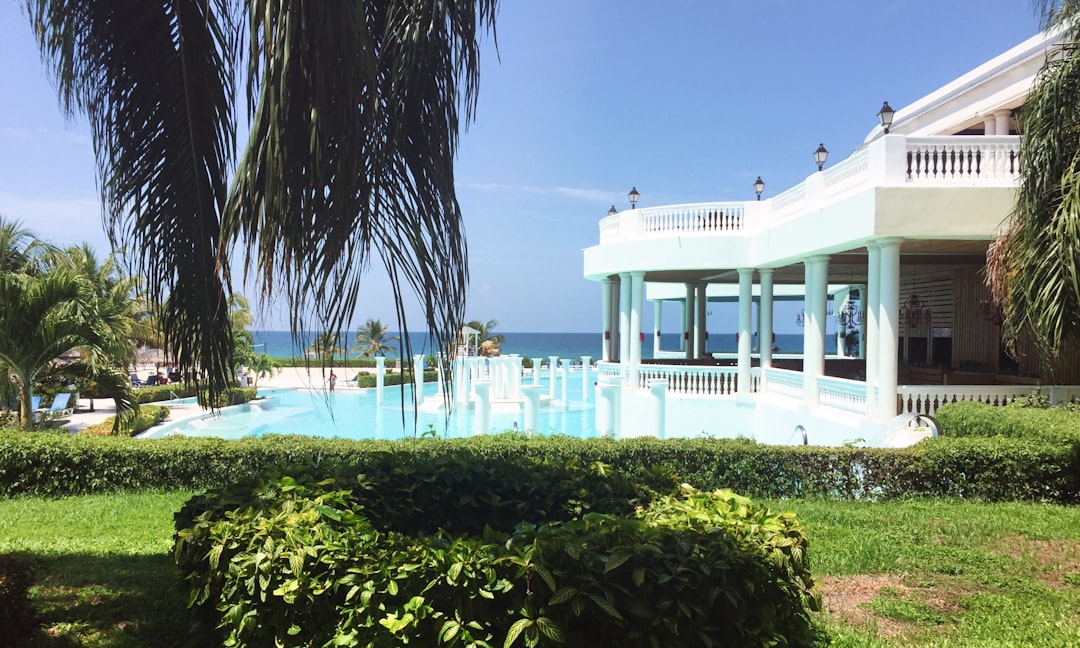
Montego Bay
City guide to nightlife in Montego Bay, covering the Hip Strip, beach bars, safety warnings, and practical tips for visitors.
Compare hotels in Jamaica
Hotels, hostels, and short-term rentals across the country's main nightlife cities.
Legal Framework
Prostitution is illegal in Jamaica under the Sexual Offences Act. The law criminalizes both selling and buying sexual services, with penalties including fines and imprisonment. Related activities like soliciting, operating a brothel, and living off the earnings of sex work carry separate charges.
Information verified through local contacts as of March 2026.
In practice, enforcement is inconsistent. Tourist areas see minimal police intervention against consensual adult activity between visitors and locals. The gap between law and reality is wide, particularly in resort towns like Montego Bay and Negril. Police tend to focus resources on violent crime rather than vice enforcement.
Jamaica's government has periodically discussed decriminalization, but no legislative changes have advanced. International human rights organizations have documented concerns about exploitation within the informal sex trade, particularly affecting vulnerable populations.
Enforcement Reality
The Jamaica Constabulary Force prioritizes violent crime, gang activity, and drug trafficking over vice enforcement in most areas. In tourist zones, officers maintain a visible presence focused on protecting visitors from robbery and harassment rather than policing consensual activity.
Periodic crackdowns do occur. These typically follow media attention or pressure from international organizations. During these operations, both workers and clients can face arrest. Foreigners detained for solicitation will face Jamaican courts, and the process can be slow and expensive.
Resort security staff generally look the other way regarding guests' personal choices. However, hotel management reserves the right to refuse entry to unregistered guests, and some all-inclusive properties enforce strict guest-only policies after dark.
Cultural Context
Jamaica's relationship with sexuality is complex and sometimes contradictory. Dancehall music, the island's dominant cultural export, is explicit and sexually charged. Dance moves, lyrics, and party culture celebrate physical expression openly. Yet Jamaican society maintains conservative religious values rooted in Christianity, creating tension between public culture and private morality.
This duality shapes nightlife. A dancehall session at 2 AM can be intensely physical and suggestive, while the same community may hold conservative views about sex work during daylight hours. Visitors should understand this contrast rather than assume one attitude represents the whole culture.
Homosexuality remains heavily stigmatized in Jamaica. Same-sex activity between men is technically illegal under colonial-era buggery laws. LGBTQ+ visitors should exercise extreme caution and discretion. Violence against LGBTQ+ individuals has been documented by international human rights groups.
Dating Culture
Jamaican dating culture is direct and expressive. Physical attraction is communicated openly, and compliments flow freely in both directions. Men are expected to initiate, and confidence is valued over subtlety. Women appreciate effort but can spot inauthenticity quickly.
Foreign men receive mixed reception. Some Jamaican women are genuinely interested in relationships with visitors. Others view tourists primarily as financial opportunities, and the line between dating and transactional relationships can be deliberately blurred. Age gaps of five to ten years don't raise eyebrows. Larger gaps attract attention and assumptions.
Family ties run deep. Meeting someone's family can happen quickly and doesn't always signal serious commitment. It may simply reflect the social nature of Jamaican life, where family is woven into daily routines. Refusing to meet family after several dates could be read as disrespectful.
Jamaican Patois is the everyday language. While most Jamaicans speak English, conversation often shifts into Patois, which can be difficult for visitors to follow. Learning a few Patois phrases shows cultural respect and usually gets a warm response.
Dating Apps
Tinder is the most widely used dating app in Jamaica, particularly in Kingston and Montego Bay. Badoo also has a significant user base. Caribbean Cupid targets the international dating market and attracts both genuine users and scam profiles.
Many Jamaicans prefer direct communication through Instagram and WhatsApp over dating apps. Sending a DM on Instagram is a common way to express interest. WhatsApp is the default messaging platform, and exchanging numbers happens early in conversations.
Scam profiles exist on all platforms. Be cautious of anyone who requests money before meeting, suggests meeting at a specific venue (possible setup with accomplices), or pushes for personal information early. Video call before meeting in person. Choose a public location for first meetings.
Key Cities
Montego Bay is Jamaica's primary tourist nightlife destination. The Hip Strip along Gloucester Avenue concentrates bars, restaurants, and entertainment venues within walking distance of major hotels. Beach bars and open-air clubs define the scene.
Kingston has Jamaica's most authentic nightlife, anchored by dancehall sessions, live music venues, and a growing restaurant bar scene in the New Kingston commercial district. It's less tourist-oriented and requires more local knowledge to enjoy safely.
Negril draws a relaxed beach crowd to its Seven Mile Beach bars, but nightlife options are limited and spread out compared to Montego Bay or Kingston.
Safety Considerations
Jamaica has one of the highest homicide rates in the Caribbean, and violent crime affects both locals and visitors:
- Stay within established tourist zones, especially after dark
- Use only licensed taxis or hotel-arranged transport. Never accept rides from unofficial drivers
- Do not walk on beaches alone at night. Armed robbery on isolated stretches is documented
- Keep valuables in hotel safes. Don't wear expensive jewelry or flash electronics
- Carry only the cash you need for the evening
- Save emergency number 119 (police) and your hotel's number in your phone
- Be cautious with marijuana. While possession of small amounts was decriminalized in 2015, buying from street dealers can lead to robbery or confrontation
- Travel insurance with medical evacuation is strongly recommended. Jamaica's public hospitals are overcrowded
Common Scams
Drink spiking occurs in Jamaica. Criminals target tourists in bars and clubs, particularly those drinking alone. Victims are robbed after losing consciousness or becoming disoriented. Never leave drinks unattended. Accept drinks only from bartenders you watched prepare them.
Beach vendor pressure. Aggressive vendors on tourist beaches may use intimidation to pressure purchases, then demand inflated prices. A firm "no thank you" and walking away is the correct response.
Romance scams. Individuals cultivate relationships with tourists over days or weeks, then request money for emergencies, family medical bills, or travel. Wire transfers to people you've recently met are almost always scams.
Fake tour guides. Unlicensed "guides" approach tourists in Montego Bay and Ocho Rios offering excursions at low prices. Some lead victims to isolated areas for robbery. Book tours only through hotels or licensed operators.
Taxi overcharging. Unlicensed taxis quote inflated fares, sometimes 3-5x the normal rate. Agree on the price before getting in, or use hotel taxis with fixed rates.
What Not to Do
- Do not walk alone on beaches or unlit streets after dark
- Do not accept drinks, food, or marijuana from strangers
- Do not display expensive watches, jewelry, or electronics
- Do not engage with anyone who appears underage. Jamaican law treats offenses against minors severely
- Do not resist armed robbery. Comply and report to police afterward
- Do not assume that tourist areas are completely safe. Stay alert at all times
- Do not make homophobic or derogatory comments about local culture. Respect goes both ways
- Do not carry your passport when going out at night. Leave it in the hotel safe and carry a photocopy
Sources
- U.S. Department of State: Jamaica Travel Advisory - Entry requirements, safety alerts, and local law summary
- UK Foreign, Commonwealth & Development Office: Jamaica Travel Advice - Safety, health, and legal information for travelers
- Australian Government Smartraveller: Jamaica - Travel advisory and practical information
Get the Legal Status PDF, 50 countries
Newsletter signup coming soon. Check back shortly.
Emergency Information: Jamaica
- Emergency:
- 119
- Tourist Police:
- Jamaica Constabulary Force Tourism Liaison Unit operates in major resort areas
- Embassy Note:
- Most embassies and consulates are located in Kingston. Some maintain honorary consuls in Montego Bay.
Related Destinations
Antigua and Barbuda
A guide to nightlife in Antigua and Barbuda, covering St. John's bar scene, English Harbour venues, local laws, costs, safety, and cultural norms on this twin-island Caribbean nation.
Aruba
Aruba's nightlife centers on the resort strip along Palm Beach, with hotel bars, casinos, and a handful of clubs. Prostitution is illegal, the scene is small, and safety requires basic awareness. A guide to going out on the island.
Bahamas
The Bahamas nightlife revolves around Nassau and Paradise Island, where casino resorts, beach clubs, and downtown bars create a scene that ranges from high-end to local. Cable Beach and Bay Street offer distinct experiences at Caribbean-high prices.
Barbados
Barbados nightlife centers on the south coast's Saint Lawrence Gap, a short strip of bars and clubs catering to tourists and locals alike. Expect high prices, a safe atmosphere by Caribbean standards, and a small but consistent scene shaped by rum culture and soca music.
Similar Countries in Other Regions
Countries with a similar overall score to Jamaica (2.8) but in different parts of the world.
Egypt
2.8North Africa / Middle East
Nightlife exists beneath the surface in Cairo and resort towns like Sharm el-Sheikh. Officially illegal with real enforcement risk, but a scene persists for those who know where to look.
Ireland
2.8Western Europe
Dublin's pub culture, late-night clubs, and the reality of Ireland's 2017 sex purchase ban. A safe, expensive destination where nightlife centers on drinking culture rather than adult entertainment.
Sweden
2.8Scandinavia
Stockholm's upscale Stureplan clubs and Södermalm's indie bars set against Sweden's Nordic model, where selling sex is legal but buying is a criminal offence carrying fines or prison time.
Was this guide helpful?