
Neighborhoods to Explore
Explore each area for detailed nightlife guides
District Map of Montego Bay
Pick a district to recenter the map and see hotels nearby.
Where to stay in Montego Bay
Compare hotels and rentals across the city's nightlife districts.
See places to stay and current pricesOverview
Montego Bay is Jamaica's second-largest city and its primary tourist destination, handling roughly 70% of the island's visitor arrivals through Sangster International Airport. The city splits into two distinct worlds: the resort-lined coast and commercial tourist strip that visitors know, and the sprawling urban center where most of the city's 110,000 residents live. Nightlife concentrates almost entirely in the tourist zone.
Research conducted through direct venue visits and local interviews.
The Hip Strip along Gloucester Avenue runs parallel to the coast and serves as the main entertainment corridor. Hotels, bars, restaurants, and souvenir shops line both sides for about a mile. It's walkable, well-lit, and has a visible police presence at night. Beyond this strip, the city becomes significantly less safe after dark.
Legal Context
Jamaica criminalizes prostitution under the Sexual Offences Act. In Montego Bay's tourist zone, enforcement against consensual adult activity is minimal. Police presence along the Hip Strip focuses on preventing robbery, harassment, and drug dealing rather than policing private behavior between adults.
The resort areas operate under their own informal rules. Hotel security controls guest access, and management policies vary. Some properties allow unregistered guests, others enforce strict guest-only rules after certain hours. All-inclusive resorts tend to be more restrictive.
Periodic vice operations do occur, particularly when international media attention increases or ahead of major tourism seasons. During these sweeps, both workers and clients can face detention.
Key Areas
Hip Strip / Gloucester Avenue. The main tourist nightlife corridor with bars, restaurants, and clubs concentrated in a walkable stretch. This is where the overwhelming majority of visitor nightlife occurs.
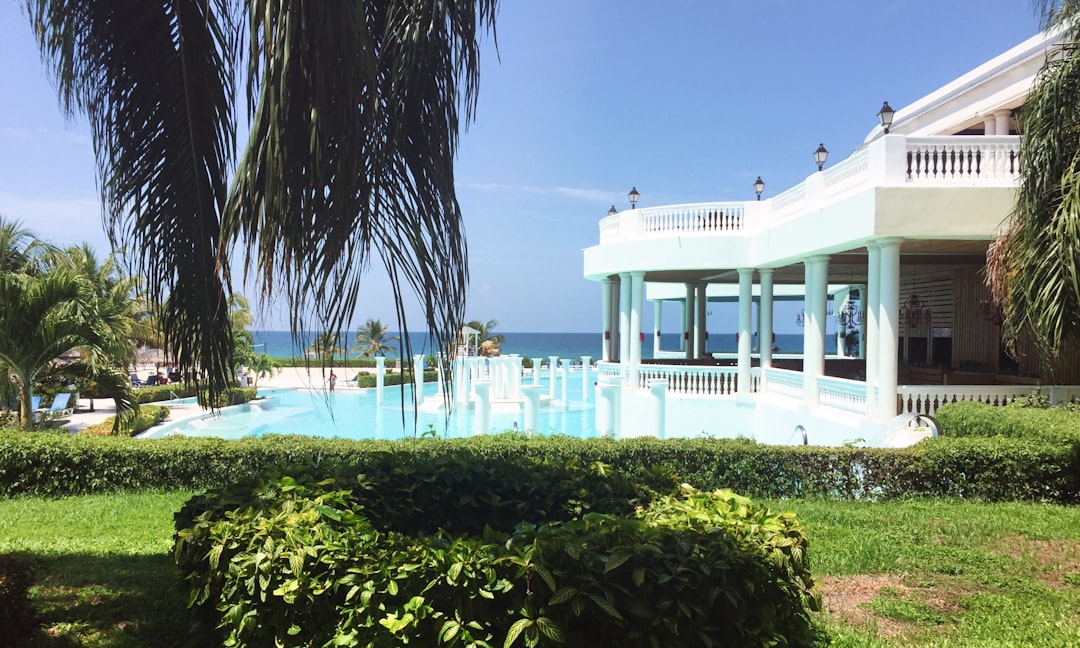
Rose Hall. East of the city center, this area has several large resorts with their own entertainment programs. Nightlife here is resort-based and controlled.
Downtown / Sam Sharpe Square. The commercial center of the city. Active during the day but not recommended for tourists after dark. Street crime is a genuine concern in this area.
Margaritaville Beach. Technically part of the Hip Strip, this venue and the surrounding beach area function as a self-contained entertainment zone.
Safety
Montego Bay requires genuine caution. It's not the same risk level as Kingston, but it's far from a carefree resort bubble:
Beach robbery is the most common violent crime against tourists. Do not walk on any beach alone after dark. Armed robberies on isolated stretches of sand, even near major hotels, are regularly reported. Travel in groups and stick to well-lit areas.
- Stay on the Hip Strip and in resort areas after dark. Do not venture into downtown or residential areas at night
- Use only JUTA (Jamaica Union of Travellers Association) licensed taxis or hotel-arranged transport
- Do not accept rides from unlicensed drivers, regardless of how friendly they seem
- Keep a low profile with valuables. Leave jewelry and expensive watches at the hotel
- Carry only the cash you plan to spend
- Be aware that marijuana sellers on the Hip Strip can become aggressive. A firm refusal is appropriate
- Save the Montego Bay police number and your hotel's front desk number in your phone
- Travel with a companion whenever possible after dark
Costs and Pricing
Montego Bay is expensive. Tourist prices run 2-3x what locals pay in other parts of the city.
Drinks. A Red Stripe beer at a tourist bar costs JMD 800-1,200 (USD 5-8, EUR 5-7). Craft cocktails and frozen drinks run JMD 1,500-2,500 (USD 10-16, EUR 9-15). A bottle of Appleton rum at a club costs JMD 8,000-12,000 (USD 52-78, EUR 48-72), compared to about JMD 2,500 (USD 16) at a retail shop.
Cover charges. Many bars have no cover. Nightclubs charge JMD 1,500-3,000 (USD 10-20, EUR 9-18) on weekends. Special events and holiday nights can reach JMD 5,000 (USD 33).
Food. Jerk chicken from a roadside vendor costs JMD 600-1,000 (USD 4-7). A meal at a mid-range tourist restaurant runs JMD 2,500-4,500 (USD 16-29, EUR 15-27). Fine dining at a resort restaurant can hit JMD 8,000-15,000 (USD 52-98) per person.
Transport. A licensed taxi from the airport to the Hip Strip costs JMD 3,000-4,500 (USD 20-29). Short rides along Gloucester Avenue run JMD 750-1,500 (USD 5-10). Route taxis (shared minibuses) cost JMD 150-300 (USD 1-2) but aren't recommended for tourists unfamiliar with the routes.
Hotels. Budget guesthouses start at JMD 10,000 (USD 65) per night. Mid-range hotels run JMD 20,000-35,000 (USD 130-228). Beachfront resorts start at JMD 40,000+ (USD 260+).
Cultural Norms
Montego Bay runs on its own clock. Things start late and move slowly:
- Dinner service begins around 7 PM. Bars pick up at 9-10 PM. Clubs don't fill until midnight
- Dancehall and reggae are the default soundtrack everywhere. Knowing a few popular artists (Shenseea, Skeng, Chronic Law) earns respect
- Jamaicans are direct communicators. Conversations start easily and can feel intense by Northern European standards
- Tipping is expected at bars and restaurants. 10-15% is standard. Some venues add a service charge automatically
- Haggling is normal with street vendors and unlicensed taxi drivers. Not with restaurants or established businesses
Social Scene
The Hip Strip provides a concentrated social environment where meeting people happens naturally. Margaritaville is the highest-traffic venue and draws a mix of tourists and locals who work in tourism. The open-air beach bar format encourages conversation. Pier 1 on the waterfront hosts Friday night events that draw both visitors and Montego Bay residents.
During the day, Doctor's Cave Beach (JMD 1,000 / USD 6.50 admission) is the main tourist beach and a natural gathering spot. The beach club atmosphere creates easy social opportunities. Cornwall Beach nearby is less crowded and has a more local feel.
For a more authentic experience, the Sunday afternoon beach parties at various spots along the coast attract a mixed crowd. Ask hotel staff for current recommendations, as locations rotate.
Reggae Sumfest (usually July) is Montego Bay's premier music festival and the largest reggae event in Jamaica. The festival brings exceptional energy and social opportunity, but also higher prices and larger crowds throughout the tourist zone.
Local Dating Notes
Foreign visitors in Montego Bay will encounter a complex social dynamic. The line between genuine interest and transactional interaction is often deliberately unclear. This isn't unique to Jamaica, but the tourism economy amplifies it. Taking time to establish genuine connections, learning basic Patois greetings, and showing respect for local culture will distinguish you from the revolving door of resort tourists.
Scam Warnings
Romance scams. Individuals cultivate relationships with tourists over the course of a vacation, then maintain contact after departure. Money requests escalate gradually, starting with small amounts for phone credit before moving to rent, medical bills, or emergency funds.
All-inclusive upselling. Some taxi drivers steer tourists toward specific venues where they receive commission. This isn't dangerous but results in overpaying. Choose venues independently.
"Free" beach services. Unofficial vendors offer massages, hair braiding, or boat rides with unclear pricing, then demand inflated payment. Always agree on a price before accepting any service.
Best Times
- Friday and Saturday are the main nightlife nights on the Hip Strip
- 9 PM to midnight: Bars at peak, restaurants busy
- Midnight to 3 AM: Clubs reach capacity
- Sunday: Quieter nightlife, but daytime beach parties are popular
- December to April: Peak tourist season, busiest nightlife, highest prices
- July (Reggae Sumfest): The biggest event of the year
- May to November: Fewer tourists, lower prices, some venues reduce hours
Getting Around
- JUTA licensed taxis: The safest option. Look for the red license plates. Agree on fare before departure
- Hotel transport: Most hotels arrange airport transfers and can call taxis for evening outings
- Walking: Fine along the Hip Strip during the day and early evening. Use taxis for return trips after midnight
- Route taxis: Cheap but confusing for visitors. Not recommended at night
- Rental cars: Useful for daytime exploration but parking near nightlife is limited and break-ins occur
What Not to Do
- Do not walk on beaches alone after dark
- Do not accept rides from unlicensed taxi drivers
- Do not wander beyond the Hip Strip and resort areas at night
- Do not buy marijuana from street dealers. Quality is unreliable and encounters can turn confrontational
- Do not leave drinks unattended in bars or clubs
- Do not flash cash, expensive phones, or jewelry
- Do not engage with anyone who appears underage. Jamaica enforces child protection laws severely
- Do not resist armed robbery. Hand over valuables and report to police immediately
- Do not assume that hotel grounds are completely secure. Lock your room and use the safe
Get the Legal Status PDF, 50 countries
Newsletter signup coming soon. Check back shortly.
Flights to Montego Bay
Compare prices across airlines. Filter by stops, time, and cabin.
Airport transfer to Montego Bay
Pre-booked transfers cost about the same as a metered taxi but cut out the airport queue, the meter argument, and the "no English" routine that takes some drivers to the wrong address. Fixed price quoted before booking, driver tracks your flight, waits with a name sign at arrivals.
Book a KiwiTaxi transferFrequently Asked Questions
Was this guide helpful?