Before You Travel to Sweden
Five things every smart traveler sorts before booking.
- 1
Passport valid 6+ months from entry date
Most countries refuse entry on passports expiring within six months. Renew now if you're close.
- 2
Visa requirements for Sweden
Some are visa-free, some require an e-visa filed days ahead, some need an embassy appointment.
- 3
Travel insurance booked
A hospital visit in Sweden can run $4,000-15,000 without cover. Credit card insurance usually excludes alcohol-related incidents.
- 4
eSIM data plan ready before landing
Airport SIM kiosks need your passport and overcharge tourists. Install an eSIM in 60 seconds, online before you fly.
- 5
Accommodation reserved in the right district
The wrong neighborhood means a 45-minute taxi every night. Map the venues first, then book.
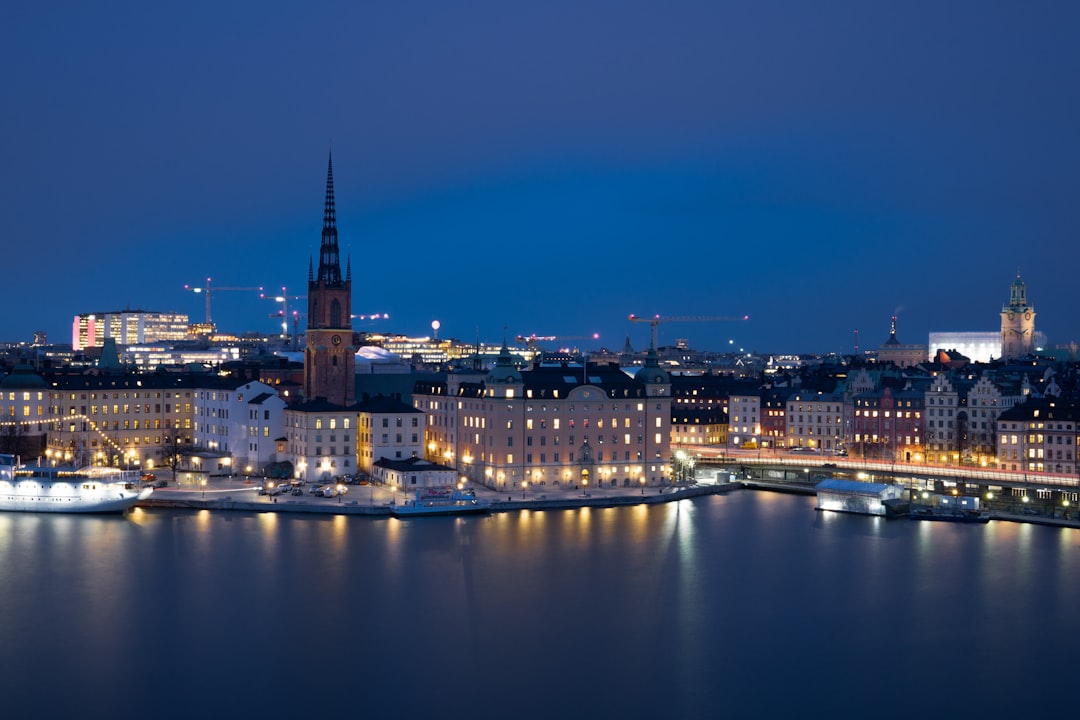
Compare hotels in Sweden
Hotels, hostels, and short-term rentals across the country's main nightlife cities.
Legal Framework
Sweden pioneered the "Nordic model" in 1999 with the Sex Purchase Act (Sexköpslagen), which criminalizes the buyer of sexual services while keeping the seller's actions legal. The law treats sex workers as victims and clients as offenders. Buying sex carries a fine or up to one year in prison, raised from six months in 2011 when the government strengthened penalties.
Last updated after our March 2026 research trip.
Selling sex is not a crime. A person offering sexual services faces no legal penalty for doing so. Operating a brothel, however, is illegal under separate procurement laws (koppleri). Third parties who profit from someone else's sex work, including landlords who knowingly rent to sex workers, can face prosecution.
Strip clubs and adult entertainment venues operate in a legal grey area. Sweden has no formal licensing framework for sexual entertainment venues comparable to the UK's SEV licenses. Lap dances and similar services exist at some venues but push against undefined legal boundaries. Most nightlife venues stick firmly to conventional entertainment.
Enforcement Reality
Police actively enforce the Sex Purchase Act. Sweden's National Board of Health and Welfare (Socialstyrelsen) reports approximately 500-600 prosecutions per year for sex purchase offences, though the actual number of offences is estimated to be far higher. Penalties typically result in fines proportional to income (dagsböter), though repeat offenders can receive prison sentences.
Online enforcement has increased significantly since 2020. Police monitor advertising platforms and conduct undercover operations. Several high-profile cases have targeted buyers who arranged meetings through websites and messaging apps. Swedish authorities also cooperate with Interpol and Europol on cross-border trafficking cases.
Street-based sex work exists in limited pockets of Stockholm, Gothenburg, and Malmö, but the scale is small compared to countries without buyer criminalization. The government cites reduced street prostitution as evidence the model works. Critics argue activity has simply moved indoors and online, making it harder to monitor and potentially less safe for workers.
Cultural Context
Sweden's approach to sex work reflects a broader feminist policy framework. The 1999 law passed with strong support from women's organizations and left-leaning parties, framing the purchase of sex as a form of gender-based violence. This view remains dominant in Swedish political culture. Public opinion surveys consistently show majority support for the law, and no major political party advocates repeal.
This cultural backdrop means adult entertainment in Sweden is understated compared to neighboring Denmark or Germany. There are no visible red-light districts, no window prostitution, and no FKK-style establishments. Nightlife exists and can be excellent, but it's conventional nightlife. Clubs, bars, live music venues, and lounges form the core of what's available.
Swedes tend to be socially reserved in daytime settings but loosen up significantly at bars and clubs, particularly after a few drinks. Alcohol plays a central role in Swedish socializing, partly because the culture of spontaneous conversation with strangers is weaker here than in Southern Europe or Latin America.
Venue Types
Sweden's nightlife options are standard European categories. Don't expect specialized adult entertainment venues.
Nightclubs range from exclusive Stureplan establishments with strict door policies and bottle service to underground electronic music spaces in converted warehouses. Stockholm's club scene clusters around two poles: the high-end Stureplan area and the more relaxed, alternative Södermalm.
Bars and lounges make up the largest category. Cocktail bars, wine bars, craft beer spots, and neighborhood pubs are spread across Stockholm's islands. Prices are high by any standard. Expect to pay SEK 100-160 (EUR 9-14 / USD 10-16) for a beer and SEK 160-220 (EUR 14-20 / USD 16-22) for a cocktail.
Live music venues host everything from Swedish indie bands to international touring acts. Stockholm has a strong live music tradition, and venues like Debaser and Nalen have reputations that extend well beyond Sweden.
There are no go-go bars, KTV venues, or beer bar strips. Sweden's nightlife is mainstream European nightlife at Scandinavian prices.
Costs
Sweden is one of the most expensive countries in Europe for nightlife. The state alcohol monopoly (Systembolaget) controls all off-premises alcohol sales, and high excise taxes push prices far above the European average.
Beer at a bar or club costs SEK 85-160 (EUR 7.50-14 / USD 8-16). A pint of craft beer at a specialty bar runs SEK 100-140 (EUR 9-12.50 / USD 10-14). Cocktails cost SEK 150-220 (EUR 13-20 / USD 15-22). A glass of wine is SEK 100-160 (EUR 9-14 / USD 10-16). Club entry fees range from free on weekdays to SEK 150-300 (EUR 13-27 / USD 15-30) on weekends, with exclusive venues charging more.
Eating out is expensive too. A casual restaurant meal costs SEK 150-250 (EUR 13-22 / USD 15-25) per person. Mid-range dining runs SEK 250-450 (EUR 22-40 / USD 25-45). Street food options like kebabs and hot dogs cost SEK 60-120 (EUR 5-11 / USD 6-12).
Taxis from Arlanda airport to central Stockholm cost SEK 500-600 (EUR 44-53 / USD 50-60) at fixed rates. Uber operates in Stockholm. Single-trip public transport tickets cost SEK 42 (EUR 3.70 / USD 4.20) via the SL app, and a 24-hour pass costs SEK 175 (EUR 15.50 / USD 17.50).
Hotels in nightlife areas start at SEK 500-800 (EUR 44-71 / USD 50-80) for hostels, SEK 1,200-2,000 (EUR 106-177 / USD 120-200) for mid-range, and SEK 2,500-5,000+ (EUR 221-443 / USD 250-500+) for upscale properties.
Dating Culture
Swedish dating is defined by equality and independence. Splitting the bill on dates is standard and expected. Paying for someone's dinner on a first date can come across as old-fashioned or even controlling. Many Swedes prefer casual, low-pressure first meetings: coffee, a walk, or drinks at a bar rather than a formal dinner.
Physical contact develops slowly. Swedes are not cold, but they are private. Public displays of affection are moderate. Hand-holding is normal; intense physical contact in public gets sideways glances. Consent culture is deeply ingrained. Sweden's consent-based rape law, passed in 2018, explicitly requires that both parties demonstrate willingness through words or clear actions.
The "fika" tradition (coffee and pastries as a social ritual) is a common early-stage dating activity. It's low-stakes, inexpensive, and gives both people an easy exit if the chemistry isn't there. Don't overthink it.
Swedes can seem distant at first, but that reserve drops after a few meetings or, more commonly, a few drinks. Bars and clubs are where Swedish social inhibitions visibly relax. The transformation can be striking if you're used to Scandinavian daytime formality.
Foreign men will find Swedish women educated, independent, and direct. They won't play games, and they expect the same honesty in return. Aggressive approaches or pickup-artist tactics will fail spectacularly. Just be normal, be respectful, and be patient.
Dating Apps
Tinder is the most popular dating app in Sweden by a wide margin. Bumble has a solid user base, particularly in Stockholm. Hinge is gaining ground among professionals and expats. Swedish-developed app Happn, which matches people who've crossed paths in real life, has a niche following in urban areas.
English-language profiles work fine in Stockholm and other major cities. Most Swedes under 40 speak excellent English. Outside the largest cities, Swedish-language profiles perform better.
Response rates are moderate. Swedes tend to be selective but genuine. If someone matches with you, they're probably interested. Ghost culture exists but is less aggressive than in the US. The apps are generally safe and well-moderated.
Key Cities
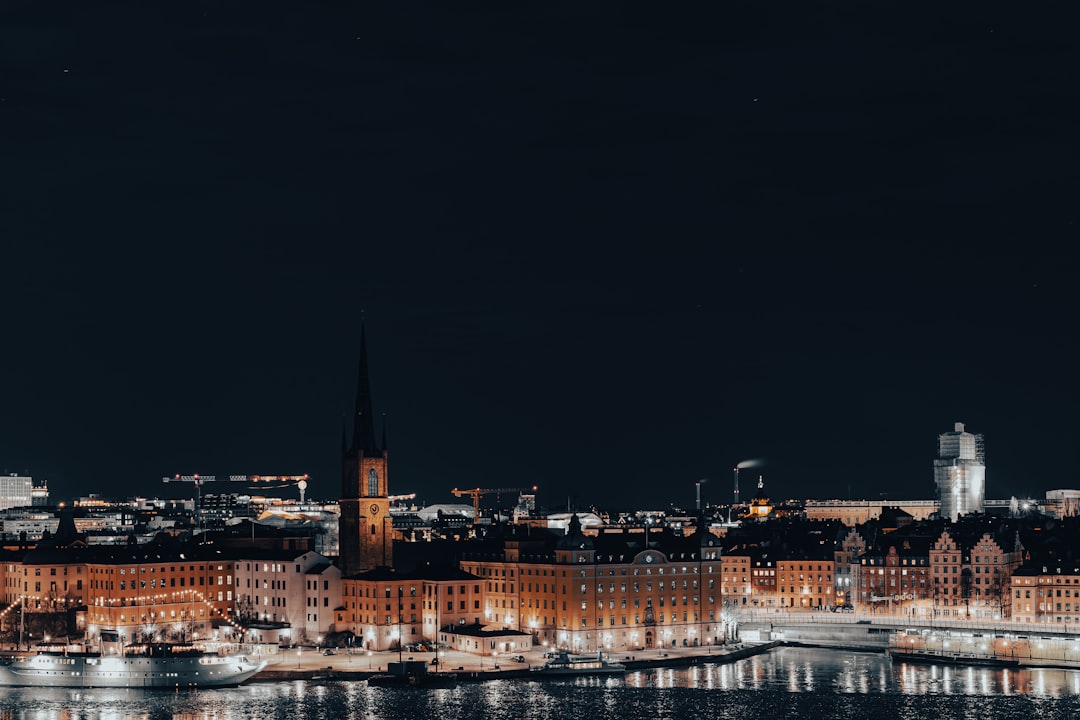
Stockholm is the primary nightlife destination, home to most of Sweden's upscale clubs and the widest variety of venues. The city spreads across 14 islands, with nightlife concentrated on Stureplan in Östermalm and across the southern island of Södermalm. Summer nights, when the sun barely sets, create a unique atmosphere for outdoor drinking.
Gothenburg is Sweden's second city, with a more relaxed and less expensive nightlife scene. Avenyn (Kungsportsavenyn) is the main entertainment boulevard, lined with bars and restaurants. The city's character is more laid-back and less image-conscious than Stockholm.
Malmö sits just across the Öresund bridge from Copenhagen, and some visitors treat the two cities as a combined nightlife destination. Möllevångstorget is the focal point for bars and restaurants, with a younger, more alternative crowd than Stockholm's Stureplan scene.
Safety Considerations
Sweden is one of Europe's safest countries. Violent crime against tourists is rare, and police are professional and approachable. Some practical notes:
- Pickpocketing occurs in tourist areas, particularly on Stockholm's Tunnelbana (subway) and around Gamla Stan
- Drink spiking incidents are reported occasionally at nightclubs. Watch your glass and don't accept drinks from strangers
- Stockholm's public transport runs late but has reduced service after midnight on weekdays. Night buses operate on weekends. The Tunnelbana runs until approximately 1:00 AM on weeknights and 3:00 AM on weekends
- Taxis are safe and regulated. Always use official taxi companies (Taxi Stockholm, Taxi Kurir, Sverige Taxi) or ride-hailing apps. Unlicensed "svart taxi" drivers overcharge tourists near nightlife areas
- Sweden is almost entirely cashless. Cards and mobile payments (Swish) are accepted everywhere. Carry minimal cash
- Emergency services: 112 for all emergencies, 114 14 for non-emergency police
- Winters are dark and cold. Dress appropriately if you're walking between venues in December or January
Common Scams
Sweden has very few nightlife scams compared to most countries covered on this site. The main issues are minor:
Overcharging at unlicensed taxis. Unofficial taxi drivers near Stureplan and other nightlife areas quote flat rates that can be double the metered fare. Always check that the taxi has a visible meter and company identification.
Inflated drink prices at some Stureplan venues. A few clubs in the upscale Stureplan area add premium surcharges that aren't clearly communicated. Bottle service pricing can be opaque. Ask for a price list before ordering.
Fake club promoters. Occasional promoters near Stureplan offer "free entry" or "VIP access" that turns into a mandatory minimum spend once inside. Legitimate venues handle their own door policies.
What Not to Do
- Do not attempt to purchase sexual services. It is a criminal offence carrying fines or imprisonment. Police conduct undercover operations
- Do not assume that Swedish reserve means disinterest. Patience is rewarded
- Do not arrive at clubs before 11 PM on weekends. Stureplan venues don't fill up until midnight
- Do not underestimate the cold. Winter temperatures drop to -10°C and walking between venues in a thin shirt is a genuine health risk
- Do not carry large amounts of cash. Sweden runs on cards and mobile payments
- Do not skip the queue at clubs. Door policies are strict, particularly at Stureplan venues, and queue-jumping will get you turned away
- Do not drink and drive. Sweden's BAC limit is 0.02%, among the strictest in Europe. One beer can put you over the limit
Sources
- U.S. Department of State: Sweden Travel Advisory - Entry requirements, safety alerts, and local law summary
- UK Foreign, Commonwealth & Development Office: Sweden Travel Advice - Safety, health, and legal information for travelers
- Australian Government Smartraveller: Sweden - Travel advisory and practical information
Get the Legal Status PDF, 50 countries
Newsletter signup coming soon. Check back shortly.
Emergency Information: Sweden
- Emergency:
- 112
- Tourist Police:
- 114 14 (non-emergency police)
- Embassy Note:
- Most embassies are located in Stockholm. Some countries maintain honorary consulates in Gothenburg and Malmö.
Related Destinations
Similar Countries in Other Regions
Countries with a similar overall score to Sweden (2.8) but in different parts of the world.
Egypt
2.8North Africa / Middle East
Nightlife exists beneath the surface in Cairo and resort towns like Sharm el-Sheikh. Officially illegal with real enforcement risk, but a scene persists for those who know where to look.
Ireland
2.8Western Europe
Dublin's pub culture, late-night clubs, and the reality of Ireland's 2017 sex purchase ban. A safe, expensive destination where nightlife centers on drinking culture rather than adult entertainment.
Jamaica
2.8Caribbean
Jamaica's nightlife concentrates in Montego Bay's tourist strip and Kingston's club scene. Expect high prices by Caribbean standards, limited safety infrastructure, and a culture where dancehall music shapes everything after dark.
Was this guide helpful?