
Neighborhoods to Explore
Explore each area for detailed nightlife guides
Norrebro
4/5SafeDistrict guide to Norrebro in Copenhagen, covering the alternative bar scene, live music venues, hipster culture, safety, and practical tips for nightlife visitors.
7 nightlife spots listed
Vesterbro
4/5SafeDistrict guide to Vesterbro in Copenhagen, covering Istedgade's red-light history, the Meatpacking District club scene, bars, safety tips, and practical information.
7 nightlife spots listed
District Map of Copenhagen
Pick a district to recenter the map and see hotels nearby.
Where to stay in Copenhagen
Compare hotels and rentals across the city's nightlife districts.
See places to stay and current pricesOverview
Copenhagen is a compact capital city of roughly 800,000 people, expanding to about 1.4 million in the greater metropolitan area. The city center is walkable, bikeable, and well-served by metro, S-trains, and buses. Nearly all adult nightlife concentrates in two neighborhoods on the west side of the city center: Vesterbro and Norrebro.
Our team walked every district covered here.
The city has a well-earned reputation for design, food, and quality of life, but it's also genuinely expensive. A night out in Copenhagen costs roughly double what you'd spend in Berlin or Prague. Locals manage this by pre-drinking at home before heading out, a practice so universal it has its own Danish word: "fordrink." Visitors should plan accordingly.
Legal Context
Copenhagen follows national Danish law. Sex work is legal for individual practitioners. Brothel operation is technically illegal, but enforcement focuses on trafficking cases rather than small-scale operations. The city's Vesterbro district has been the de facto tolerance zone for adult entertainment since the 1960s, and while gentrification has reduced the visible scene significantly, the area retains its character.
The Copenhagen police have a dedicated anti-trafficking unit that works with social service organizations. Street-level enforcement is light-touch for consensual adult activity but aggressive against exploitation.
Key Areas
Vesterbro. The traditional center of Copenhagen's adult entertainment. Istedgade, the main street, was once one of Scandinavia's most notorious red-light strips. Today it's a mix of trendy cafes, ethnic restaurants, sex shops, and the remaining adult venues. The Meatpacking District (Kodbyen) at Vesterbro's southern edge is Copenhagen's primary clubbing destination.
Norrebro. Copenhagen's most multicultural neighborhood, with a thriving alternative bar and live music scene. No adult entertainment per se, but excellent nightlife concentrated along Norrebrogade and the streets surrounding Assistens Cemetery and Sankt Hans Torv.
Costs
Copenhagen is expensive even by Scandinavian standards. Budget accordingly.
- Beer at a bar: DKK 60-80 (EUR 8-11, USD 9-12)
- Cocktails: DKK 100-140 (EUR 13-19, USD 15-21)
- Club entry: DKK 0-150 (EUR 0-20, USD 0-22)
- Casual dinner: DKK 150-250 (EUR 20-33, USD 22-37)
- Metro single ticket: DKK 24 (EUR 3.20, USD 3.50)
- Hostel dorm: DKK 200-400 (EUR 27-53, USD 29-59) per night
- Mid-range hotel: DKK 800-1,500 (EUR 107-200, USD 118-221) per night
Cash is increasingly unnecessary in Copenhagen. Nearly everywhere accepts cards, including contactless payments. Some venues are entirely cashless. MobilePay is the local payment app, but it requires a Danish bank account.
Safety
Copenhagen is extremely safe. Walking alone at night is normal throughout the city center, Vesterbro, and Norrebro.
- Pickpocketing is the primary risk, concentrated around Central Station, Stroget, and tourist attractions
- The area immediately around Central Station (Hovedbanegarden) has some homeless encampments and drug activity. It's not dangerous but can be uncomfortable late at night
- Christiania has its own security dynamics. Cannabis sales in Pusher Street have led to periodic violence between competing groups. Don't photograph the drug trade
- Cyclists are a genuine physical hazard. Stay out of bike lanes. Look left before crossing
- Emergency: 112 for all emergencies, 114 for non-emergency police
Transport
Copenhagen's public transport runs on a zone system operated by DOT. The metro has four lines (M1, M2, M3 Cityringen, M4) and runs 24 hours on weekends. S-trains connect to suburbs. Buses run night routes (marked with 'N') on Friday and Saturday nights.
A Rejsekort (travel card) or the DOT app provides discounted fares compared to single tickets. The Copenhagen Card includes unlimited public transport plus museum entry and can be cost-effective for short visits.
Cycling is the local way to get around. Donkey Republic and Bycyklen are bike-sharing services available to visitors. Copenhagen has separated bike lanes on virtually every major street.
Bolt and Viggo are the main ride-hailing apps. Traditional taxis are available but expensive. A typical cross-city taxi ride costs DKK 150-250 (EUR 20-33, USD 22-37).
Common Mistakes
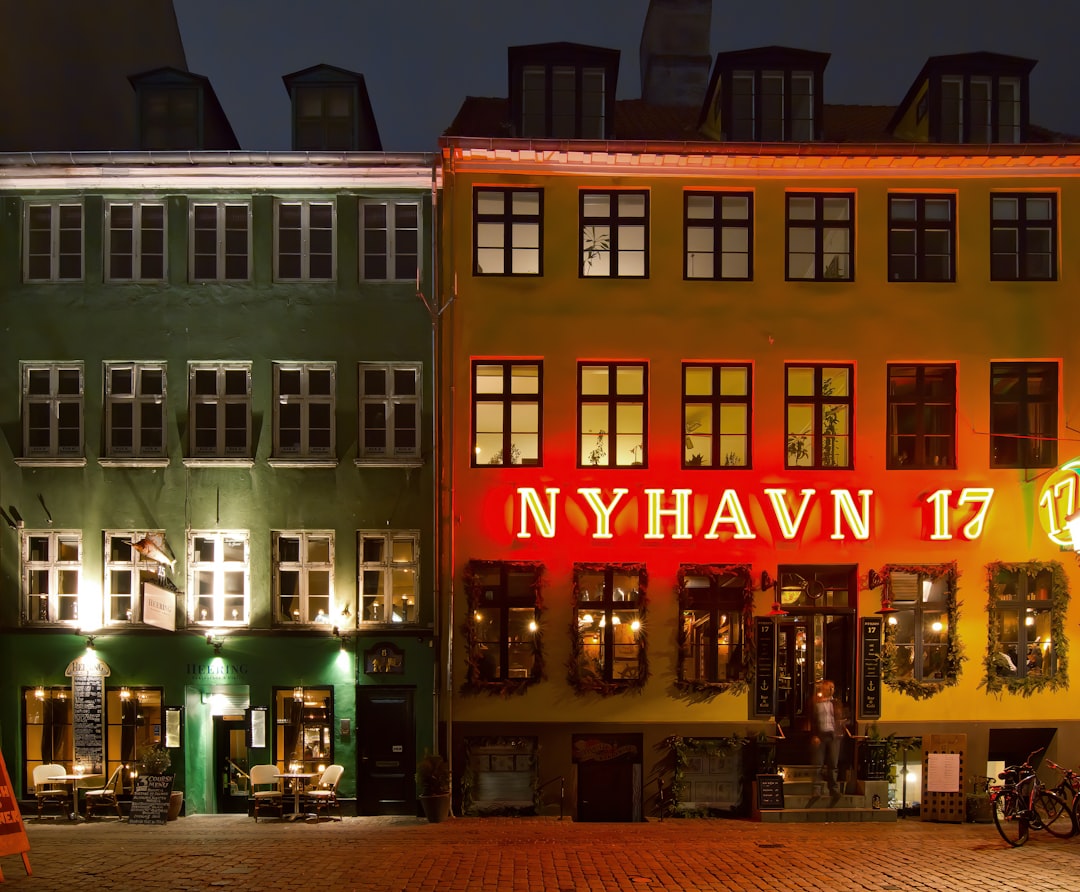
Tourists in Copenhagen commonly make a few avoidable errors. Eating near Nyhavn's colorful waterfront is charming but overpriced; walk ten minutes in any direction for better food at lower prices. Not reserving restaurant tables in advance means missing Copenhagen's best dining, as popular spots book up days or weeks ahead. Underestimating distances on foot leads to fatigue; renting a bike solves this immediately.
Trying to visit Christiania on a Sunday, when Pusher Street is often closed, is a wasted trip. Assuming that friendly Danish service means American-style tipping is expected leads to awkward moments; rounding up is sufficient. And packing only for cold weather ignores the reality that Copenhagen summers are genuinely warm, with July temperatures regularly reaching 25C.
Get the Legal Status PDF, 50 countries
Newsletter signup coming soon. Check back shortly.
Flights to Copenhagen
Compare prices across airlines. Filter by stops, time, and cabin.
Airport transfer to Copenhagen
Pre-booked transfers cost about the same as a metered taxi but cut out the airport queue, the meter argument, and the "no English" routine that takes some drivers to the wrong address. Fixed price quoted before booking, driver tracks your flight, waits with a name sign at arrivals.
Book a KiwiTaxi transferRelated Guides
Norrebro
District guide to Norrebro in Copenhagen, covering the alternative bar scene, live music venues, hipster culture, safety, and practical tips for nightlife visitors.
Read guideVesterbro
District guide to Vesterbro in Copenhagen, covering Istedgade's red-light history, the Meatpacking District club scene, bars, safety tips, and practical information.
Read guideFrequently Asked Questions
Was this guide helpful?