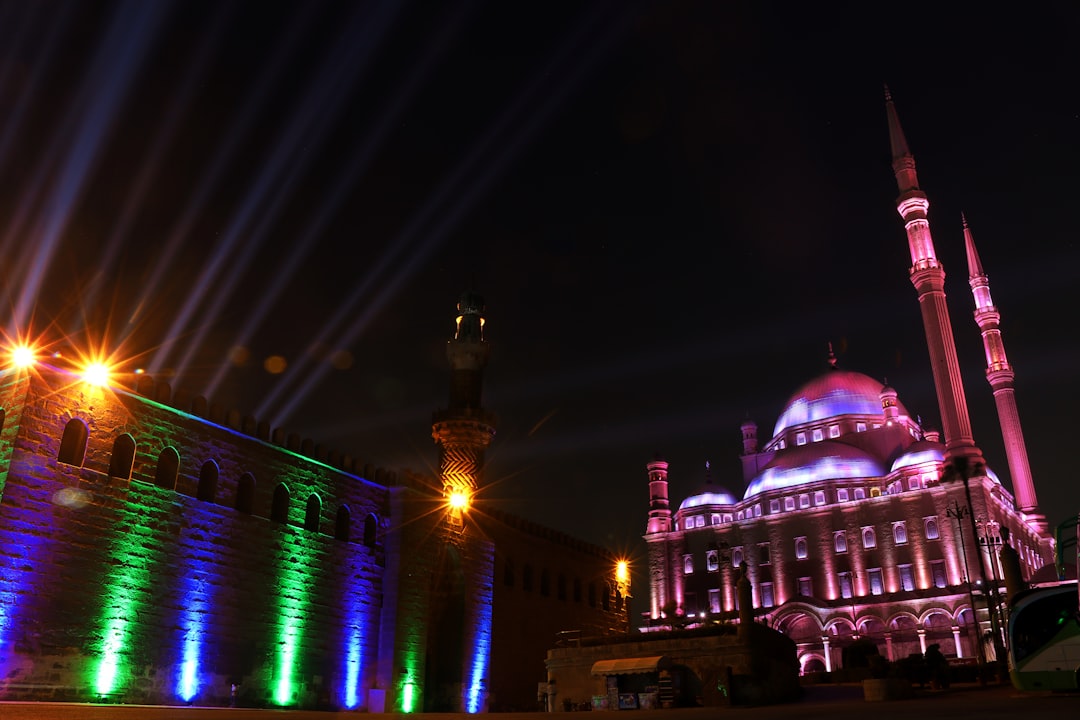

The Key Neighborhoods
Detailed guides for every area
District Map of Cairo
Pick a district to recenter the map and see hotels nearby.
Where to stay in Cairo
Compare hotels and rentals across the city's nightlife districts.
See places to stay and current pricesOverview
Cairo is a megacity of over 22 million people, a sprawling, chaotic, ancient urban center that never truly sleeps. The nightlife that exists here operates in the spaces between Egypt's conservative social norms and the desires of its wealthy elite, Gulf visitors, and international community. There are no neon-lit entertainment districts or open red-light areas. What exists is discreet, stratified by class, and concentrated in a few upscale neighborhoods.
Research conducted through direct venue visits and local interviews.
Zamalek, an island in the Nile, is the primary venue for international-grade nightlife. Mohandiseen and Heliopolis offer additional options. These neighborhoods contain the hotels, rooftop bars, and private clubs where Cairo's social scene unfolds behind the facades of luxury establishments.
Legal Context
Egypt's anti-prostitution law (Law 10 of 1961) is enforced with real consequences. The morality police (Al-Adab) conduct operations, make arrests, and prosecute cases. Foreign nationals are not exempt and face deportation plus criminal charges if caught in morality-related incidents. This is not theoretical; arrests happen regularly.
Alcohol is legal and available at licensed venues, hotels, and specialty liquor stores. There are no prohibition-era dynamics around drinking. The restrictions are around sexual conduct and public morality, which the authorities treat seriously.
Understanding the difference between Egypt and countries where illegality is nominal is critical. The legal risk here is genuine.
Key Areas
Zamalek. The leafy Nile island that houses embassies, luxury residences, and Cairo's most upscale nightlife venues. Rooftop bars, restaurant-lounges, and hotel nightclubs attract a well-heeled crowd.
Mohandiseen. A dense commercial neighborhood on the west bank of the Nile. It has a mix of restaurants, cafes, hookah bars, and some nightlife venues that attract a more middle-class crowd.
Downtown (Wust al-Balad). Cairo's historic center has a few old-school bars and jazz clubs, including the famous Odeon Palace Hotel bar. The atmosphere here is grittier and more authentic than Zamalek.
Safety
Cairo requires specific safety awareness:
- Sexual harassment of women (including foreign women) is pervasive in public spaces
- Traffic is genuinely dangerous; crossing streets requires assertiveness and local knowledge
- Use Uber or Careem exclusively for nighttime transport; never hail random taxis at night
- Avoid large crowds and demonstrations; protests can turn volatile quickly
- Keep a copy of your passport with you; police checkpoints are common at night
- The tourist police (dial 126) can assist with tourist-related issues
- Medical care at private hospitals (As-Salam International, Dar Al Fouad) is good; carry travel insurance
Costs and Pricing
Cairo's nightlife costs reflect the two-tier economy:
- Local beer (Stella, Sakara) at a bar: EGP 100-200 ($2-4 USD)
- Imported beer at a hotel bar: EGP 200-400 ($4-8 USD)
- Cocktails at upscale venues: EGP 300-600 ($6-12 USD)
- Nightclub entry: EGP 500-1,500 ($10-30 USD)
- Hookah (shisha) at a cafe: EGP 50-150 ($1-3 USD)
- Uber ride across Cairo: EGP 100-250 ($2-5 USD)
Note: The Egyptian pound has experienced significant devaluation. Prices in USD fluctuate with the exchange rate. Check current rates before budgeting.
Cultural Norms
Egyptian social norms in nightlife contexts:
- Dress conservatively in public areas; smart casual is the minimum for upscale venues
- Physical contact between men and women in public is inappropriate outside of international hotel environments
- Alcohol consumption is acceptable at licensed venues but drunkenness in public draws strong disapproval
- Ramadan (dates shift annually) significantly affects nightlife; venues close during fasting hours, and discretion is especially important
- Tipping (baksheesh) is expected everywhere; carry small bills
- Photography in nightlife venues is generally unwelcome and can create problems
Social Scene
Cairo's social scene is layered and access-dependent. The city has a lively upper-class social world that outsiders don't easily enter.
Hotel bars. The Marriott on Zamalek, the Four Seasons Nile Plaza, the Grand Nile Tower, and the Kempinski have bars that serve as social hubs. These are the safest and most accessible venues for foreign visitors.
Nile boats. Floating restaurants and bars on the Nile offer dinner cruises with music and dancing. These are popular for social events and offer a unique Cairo experience.
Cafes and hookah lounges. Shisha cafes are the backbone of Egyptian social life. They stay open late, and conversation flows naturally. Al Fishawy in Khan el-Khalili is the most famous, though it's tourist-heavy.
Private parties. Much of Cairo's actual social activity happens at private gatherings in apartments and villas. Access requires local connections.
Local Dating Notes
Dating in Cairo requires navigating complex social territory. Egyptian women who date openly face social judgment, which means discretion is paramount. Meeting through mutual friends or social circles is the most natural path. Foreign men dating Egyptian women will encounter family scrutiny quickly; this isn't a culture where casual dating is the norm. Coffee shops and public spaces are the safest meeting points.
Scam Warnings
The "student" approach: Young Egyptians approach foreign tourists claiming to be art students or tour guides, eventually leading to shops where overpriced goods are sold under high pressure. Politely decline all unsolicited guide offers.
Taxi overcharging: Meters are unreliable or "broken." Use Uber or Careem exclusively. If you must use a taxi, agree on the fare before getting in and have the exact amount ready.
Perfume and papyrus shops: Aggressive shopkeepers in tourist areas invite visitors for "free tea" then pressure them to buy overpriced products. A firm "la, shukran" (no, thank you) is sufficient.
Best Times
Cairo's nightlife runs year-round but is affected by seasonal factors. Summer (June-September) is brutally hot, with temperatures exceeding 40C. Evenings are warm, and outdoor venues are popular. Winter (December-February) is mild and the most comfortable season. Ramadan (dates shift each year) transforms the city's schedule; nightlife shifts to post-iftar hours, and some venues close entirely.
Thursday and Friday nights (the Egyptian weekend) are the busiest. Venues typically open around 9 PM and can run until 3-4 AM on weekends.
Getting Around
- Uber/Careem: The recommended transport option. Affordable and reliable
- Cairo Metro: Clean and efficient but not useful for nightlife areas (limited coverage)
- Taxis: White taxis have meters; black and white taxis are older and unmetered. Uber is safer
- Walking: Limited viability due to traffic, broken sidewalks, and safety concerns at night
- Nile boats/ferries: Useful for crossing between Zamalek and the east bank
What Not to Do
- Do not drink alcohol in public spaces or non-licensed venues
- Do not use dating apps without understanding the surveillance environment
- Do not photograph people without permission, especially women
- Do not criticize the government, military, or president in any setting
- Do not travel during Ramadan without understanding how it changes daily life
- Do not walk alone in non-tourist areas after dark
- Do not assume that Cairo's cosmopolitan elite represent broader Egyptian attitudes
Get the Legal Status PDF, 50 countries
Newsletter signup coming soon. Check back shortly.
Flights to Cairo
Compare prices across airlines. Filter by stops, time, and cabin.
Airport transfer to Cairo
Pre-booked transfers cost about the same as a metered taxi but cut out the airport queue, the meter argument, and the "no English" routine that takes some drivers to the wrong address. Fixed price quoted before booking, driver tracks your flight, waits with a name sign at arrivals.
Book a KiwiTaxi transferFrequently Asked Questions
Was this guide helpful?