Before You Travel to Belgium
Five things every smart traveler sorts before booking.
- 1
Passport valid 6+ months from entry date
Most countries refuse entry on passports expiring within six months. Renew now if you're close.
- 2
Visa requirements for Belgium
Some are visa-free, some require an e-visa filed days ahead, some need an embassy appointment.
- 3
Travel insurance booked
A hospital visit in Belgium can run $4,000-15,000 without cover. Credit card insurance usually excludes alcohol-related incidents.
- 4
eSIM data plan ready before landing
Airport SIM kiosks need your passport and overcharge tourists. Install an eSIM in 60 seconds, online before you fly.
- 5
Accommodation reserved in the right district
The wrong neighborhood means a 45-minute taxi every night. Map the venues first, then book.
City Guides in Belgium
Compare hotels in Belgium
Hotels, hostels, and short-term rentals across the country's main nightlife cities.
Legal Framework
Belgium legalized sex work in 2022 with the passage of a full decriminalization law that took effect in 2024. The legislation treats sex work as a legitimate profession, granting workers access to employment contracts, social security, health insurance, and pension contributions. This places Belgium among Europe's most progressive regulatory environments alongside Germany and the Netherlands.
Our field team visited Belgium most recently in March 2026.
Third-party involvement is regulated rather than criminalized. Licensed operators can run establishments, and sex workers can hire managers, accountants, and security personnel legally. Advertising is permitted within defined limits. The law criminalizes coercion, trafficking, and exploitation of minors while normalizing consensual adult sex work.
Window prostitution operates legally in several Belgian cities, most prominently in Brussels's Rue d'Aerschot area near Gare du Nord and in Antwerp's Schipperskwartier. These are licensed operations subject to municipal regulations on hours, hygiene, and building standards.
Enforcement Reality
Belgium's enforcement approach has shifted dramatically since the 2022 law. Police focus on trafficking, exploitation, and underage involvement rather than consensual adult sex work. Municipal authorities issue licenses for establishments and window locations, and compliance inspections occur regularly.
Brussels' red-light area near Gare du Nord operates openly with municipal oversight. Windows display on Rue d'Aerschot and surrounding streets during regulated hours. The police presence is visible but oriented toward public safety rather than suppression.
Enforcement quality varies by municipality. Brussels, Antwerp, and Ghent have developed sophisticated regulatory frameworks. Smaller municipalities are still adapting to the new legal landscape. The Belgian federal structure (with its French-speaking, Dutch-speaking, and bilingual regions) adds administrative complexity.
Cultural Context
Belgian attitudes toward adult entertainment reflect the country's pragmatic, consensus-driven culture. The 2022 law passed with broad parliamentary support, reflecting a public that views regulation as preferable to prohibition. The Belgian approach values harm reduction, worker rights, and practical governance over moral positioning.
The country's bilingual divide creates subtle cultural differences. Flemish (Dutch-speaking) Belgium tends toward more structured, commercially organized nightlife. Wallonia (French-speaking) Belgium leans toward the informal, French-influenced model. Brussels, officially bilingual, combines both and adds a heavy international layer from the EU institutions and NATO headquarters.
Beer culture is central to Belgian social life. With over 1,500 distinct beer varieties and a UNESCO-recognized beer culture, socializing here revolves around cafes and bars where beer selection is treated with the same reverence that wine gets in France or Italy.
Venue Types
Window prostitution is the most visible form of regulated adult entertainment. In Brussels, Rue d'Aerschot near Gare du Nord hosts a concentration of illuminated windows where workers display and negotiate through the glass. The system is similar to Amsterdam's De Wallen but smaller and less tourist-oriented.
Bars and cafes form the backbone of Belgian nightlife. Brussels alone has an estimated 4,000 bars, from traditional "bruine kroegen" (brown cafes) to modern cocktail bars. Beer is the primary social lubricant, with Belgian ales, Trappist beers, and lambics served in venue-specific glassware.
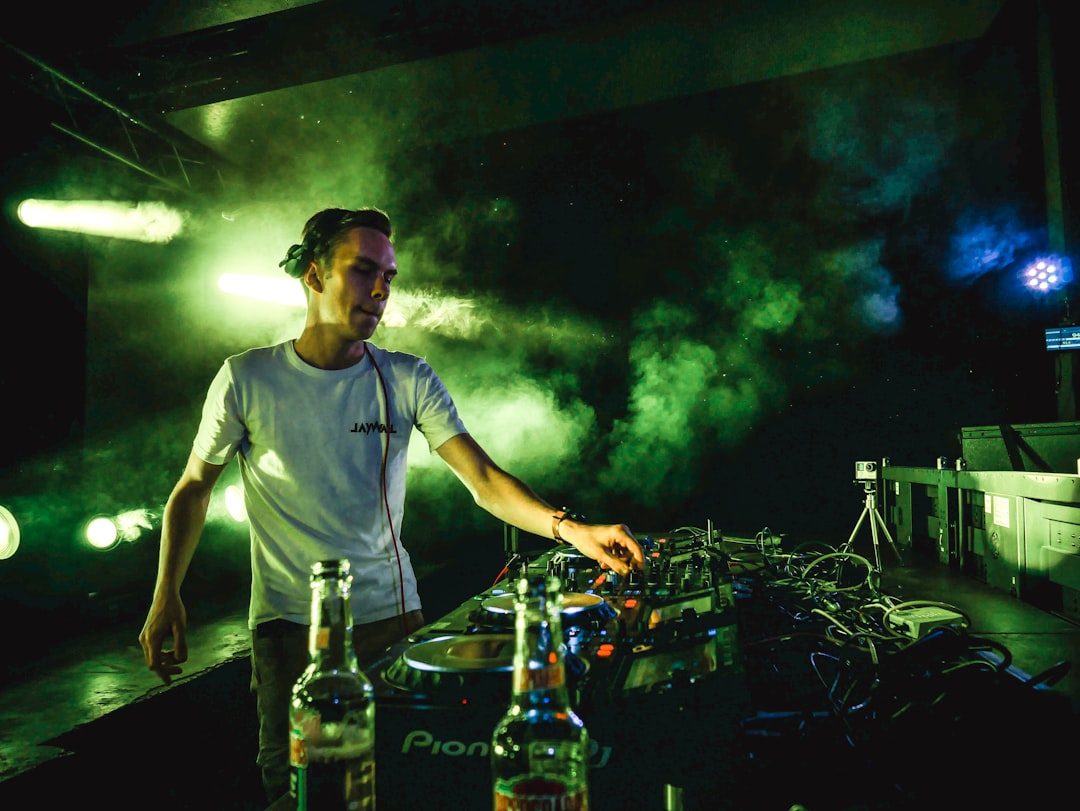
Nightclubs operate in Brussels, Antwerp, and Ghent, ranging from mainstream pop venues to internationally recognized techno clubs. Fuse in Brussels is one of Europe's oldest techno clubs, operating since 1994.
Strip clubs operate under entertainment licenses in Brussels. Venues concentrate near the Grand Place and in parts of Ixelles. Entry is typically free, with drink minimums and private dance fees.
Costs
Belgium is expensive, in line with France and the Netherlands. Brussels prices dominate the national picture.
Beer at a standard cafe costs EUR 3-5 for a standard 25cl glass. Specialty and Trappist beers run EUR 5-9. Wine costs EUR 5-8 per glass. Cocktails range from EUR 10-15 at mainstream bars to EUR 14-20 at upscale venues. Club entry costs EUR 5-20.
Food is varied and generally good value compared to drinks. Moules-frites (mussels and fries) at a standard brasserie costs EUR 18-25. A frituur (fry stand) serves a large portion of fries for EUR 3-5. Waffles from street vendors run EUR 2-5. A full restaurant dinner costs EUR 25-40 per person.
Brussels' metro costs EUR 2.40 per ride. A 10-ride pass is EUR 16.00. The STIB network (metro, tram, bus) covers the entire Brussels region. Taxis are metered and expensive; Uber operates and is typically cheaper.
Hotels: EUR 25-40 for hostels, EUR 80-150 for mid-range, EUR 150-350+ for upscale. The EU quarter drives up prices on weekdays (reverse of most cities), with rates dropping on weekends when EU staff leave.
Dating Culture
Belgian dating culture is understated and gradual. Belgians don't do the aggressive pursuit common in Southern Europe or the structured "dating" format of the US. Relationships develop through repeated social contact, often within friend groups, workplace connections, or shared activities.
The Flemish-Walloon divide extends to dating. Flemish Belgians tend to be more reserved on first meeting, practical in their approach, and less performative about romance. French-speaking Belgians are warmer on the surface, more likely to flirt openly, and bring a touch of French social charm to interactions.
Brussels, as the bilingual capital and EU seat, has a massive international population. Dating here often crosses national and linguistic lines. English works as a lingua franca in the capital, though making an effort in French or Dutch (depending on which part of the city you're in) earns respect.
Splitting the bill is standard, especially among younger Belgians. Insisting on paying the full bill can be perceived as either generous or patronizing, depending on context. Follow your companion's lead.
Dating Apps
Tinder is the dominant platform. Bumble has a growing presence, especially among the international community in Brussels. Happn works well in dense urban areas. For serious relationships, Parship and eDarling have established user bases.
Brussels's international population means multilingual profiles are common. A profile in English reaches the broadest audience in the capital. In Flanders, Dutch helps. In Wallonia, French is expected.
Key Cities
Brussels has the largest and most diverse nightlife, reflecting its international character. The Ixelles neighborhood, Saint-Gery area, and Gare du Nord vicinity each offer distinct experiences. The EU quarter adds a specific expat nightlife dynamic driven by eurocrats and lobbyists.
Antwerp has a fashion-forward nightlife scene and its own red-light district (Schipperskwartier). The area around the Grote Markt and the trendy Zuid neighborhood concentrate the best bars and clubs.
Ghent is a university city with a strong, student-driven nightlife along the Korenlei, Sint-Pietersplein, and Overpoort areas. Prices are lower than Brussels.
Bruges is primarily a tourist destination with limited nightlife beyond a handful of bars around the Markt. It's a day-trip city, not a nightlife destination.
Safety Considerations
Belgium is generally safe. Brussels requires more awareness than smaller Belgian cities, but violent crime targeting tourists is uncommon.
- The area around Gare du Nord and Gare du Midi has higher street crime rates than central Brussels. Transit through these areas purposefully
- The Matonge neighborhood (part of Ixelles) has a lively atmosphere but occasional petty crime
- Pickpockets work the Grand Place, Manneken Pis area, and Brussels metro, especially line 1
- The Molenbeek district received significant security attention after the 2015-2016 terrorism events. While substantially improved, it has limited nightlife appeal for visitors
- Belgian police are generally professional. Call 112 for emergencies, 101 for non-emergency police
Common Scams
Brussels bar scams are less common than in Paris but exist. Venues near the Grand Place sometimes employ touts or attractive hosts to draw in tourists, with inflated prices revealed only when the bill arrives. Avoid bars where someone is actively recruiting customers from the doorway.
Fake charity collectors and petition scammers work the Grand Place and surrounding tourist areas, particularly in summer. These are distraction-pickpocket teams.
Street shell games occasionally appear near tourist areas. They are rigged without exception.
What Not to Do
- Don't order "a beer" without specifying. Belgium has over 1,500 beers, and asking for "a beer" in a country that takes its brewing seriously is like ordering "a wine" in Bordeaux. Ask for a recommendation or name a style
- Don't skip the frituur. Belgian fries are a cultural institution, not fast food. Maison Antoine in Brussels is a classic starting point
- Don't assume all of Brussels speaks French. The city is officially bilingual, and starting with "Bonjour" in a Flemish-owned bar can create friction. "Goedenavond" or "Bonsoir" depending on context
- Don't confuse Belgium with the Netherlands. Belgian identity is distinct, and the comparison, while geographically logical, isn't always appreciated
- Don't treat the red-light area as a photo opportunity. Photographing windows or workers is illegal and will result in confrontation from both workers and police
- Don't visit Brussels only for EU institutions. The city has genuine character beneath the bureaucratic surface
Sources
- U.S. Department of State: Belgium Travel Advisory - Entry requirements, safety alerts, and local law summary
- UK Foreign, Commonwealth & Development Office: Belgium Travel Advice - Safety, health, and legal information for travelers
- Australian Government Smartraveller: Belgium - Travel advisory and practical information
Get the Legal Status PDF, 50 countries
Newsletter signup coming soon. Check back shortly.
Emergency Information: Belgium
- Emergency:
- 112
- Embassy Note:
- Most embassies are located in Brussels, which also serves as the de facto EU capital. Consulates exist in Antwerp, Ghent, and Liege.
Also Worth Considering
France
Paris nightlife from Pigalle's cabarets to the Champs-Elysees clubs, plus the Riviera scene. Legal, regulated, and expensive with a deep entertainment tradition.
Germany
Hamburg's Reeperbahn, Berlin's FKK clubs, and Frankfurt's Bahnhofsviertel. Fully legal and regulated, expensive but transparent, with Europe's most organized adult entertainment industry.
Ireland
Dublin's pub culture, late-night clubs, and the reality of Ireland's 2017 sex purchase ban. A safe, expensive destination where nightlife centers on drinking culture rather than adult entertainment.
Luxembourg
Luxembourg's nightlife is compact but sophisticated, centered on the Clausen valley in Luxembourg City. High prices reflect the country's wealth, but the bar scene delivers quality over quantity.
Similar Countries in Other Regions
Countries with a similar overall score to Belgium (3.0) but in different parts of the world.
South Africa
3.0Southern Africa
Cape Town's Long Street bars, Johannesburg's Sandton clubs, and a nightlife scene shaped by post-apartheid culture, high inequality, and genuine safety concerns that demand preparation.
United Kingdom
3.0Northern Europe
London's Soho and Manchester's Northern Quarter offer distinct nightlife corridors shaped by Britain's complex semi-legal framework, where paying for sex is legal but soliciting, brothels, and kerb-crawling are not.
Botswana
3.0Southern Africa
One of Africa's safest and most stable nations, where Gaborone's modest nightlife offers a relaxed bar scene in a country better known for safaris than nightclubs.
Was this guide helpful?