

Before You Travel to South Africa
Five things every smart traveler sorts before booking.
- 1
Passport valid 6+ months from entry date
Most countries refuse entry on passports expiring within six months. Renew now if you're close.
- 2
Visa requirements for South Africa
Some are visa-free, some require an e-visa filed days ahead, some need an embassy appointment.
- 3
Travel insurance booked
A hospital visit in South Africa can run $4,000-15,000 without cover. Credit card insurance usually excludes alcohol-related incidents.
- 4
eSIM data plan ready before landing
Airport SIM kiosks need your passport and overcharge tourists. Install an eSIM in 60 seconds, online before you fly.
- 5
Accommodation reserved in the right district
The wrong neighborhood means a 45-minute taxi every night. Map the venues first, then book.
City Guides in South Africa
Cape Town
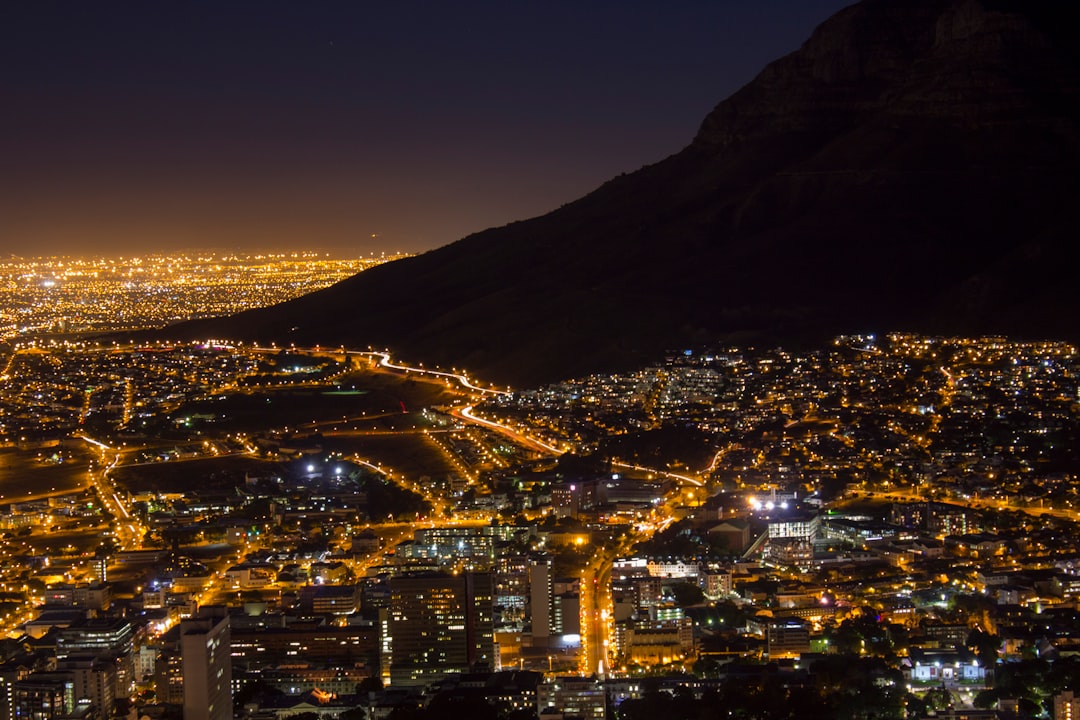
City guide to adult nightlife in Cape Town, covering Long Street, Sea Point, safety concerns, and cultural context for the Mother City's after-dark scene.
Johannesburg
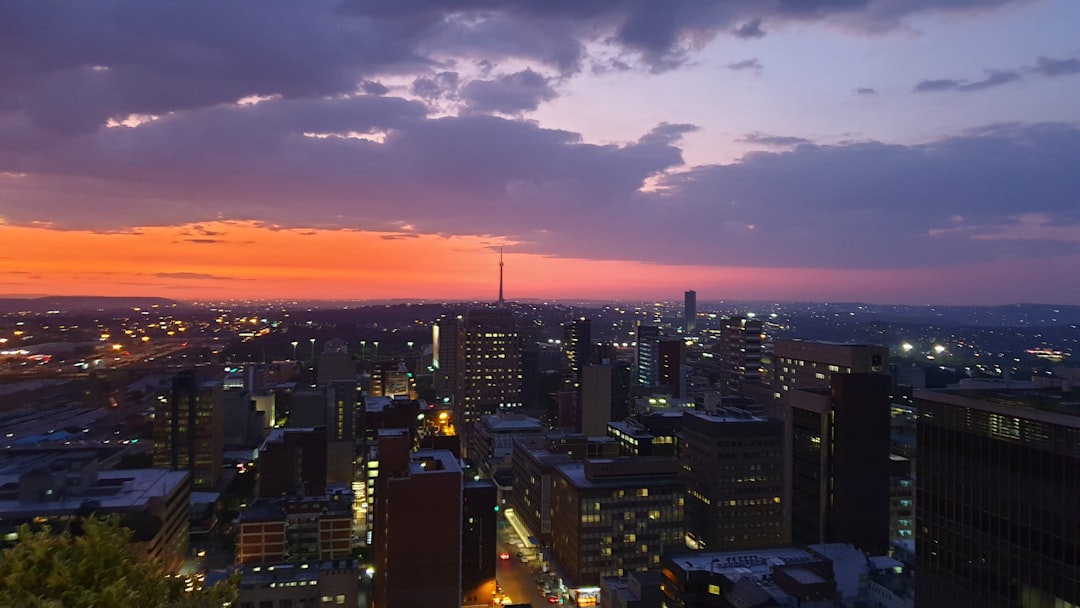
City guide to adult nightlife in Johannesburg, covering Sandton's upscale clubs, Maboneng's arts scene, safety planning, and cultural context for Africa's richest city.
Compare hotels in South Africa
Hotels, hostels, and short-term rentals across the country's main nightlife cities.
Legal Framework
Prostitution is illegal in South Africa under the Sexual Offences Act of 1957 and the Criminal Law (Sexual Offences and Related Matters) Amendment Act of 2007. The law criminalizes both the selling and buying of sex, along with brothel-keeping and living off the earnings of sex work. Penalties include fines and imprisonment of up to three years.
Based on on-the-ground reporting from March 2026.
Reform efforts have been ongoing for over a decade. The South African Law Reform Commission has studied decriminalization models, and several advocacy groups push for legal change. As of 2026, the law remains unchanged.
Enforcement Reality
Enforcement is inconsistent. Police in major cities rarely target private, consensual adult encounters. Street-level sex work draws more police attention, particularly in residential areas where complaints accumulate. Operations against trafficking receive the most resources and public attention.
Corruption complicates enforcement. Reports of police demanding bribes from sex workers are well documented by human rights organizations. For travelers, the practical risk of prosecution for private behavior between consenting adults is low, but the legal risk is real. Don't assume tolerance equals legality.
Bars and clubs operate under normal liquor licensing laws. Adult entertainment venues exist in gray areas, often licensed as bars or lounges.
Cultural Context
South Africa's relationship with adult entertainment reflects its broader social complexity. Eleven official languages, deep racial and economic divides, and a post-apartheid identity still being negotiated all shape how nightlife operates in practice.
Conservative Christian values hold strong influence in many communities, particularly outside major cities. Urban centers like Cape Town and Johannesburg are more liberal, with active LGBTQ+ scenes and relatively open attitudes toward nightlife. The contrast is sharp. A 30-minute drive can take you from a cosmopolitan club district to a deeply traditional community.
HIV/AIDS awareness remains high. South Africa has one of the world's highest HIV prevalence rates (approximately 13% of the total population). Condom use is not optional; it's a non-negotiable safety measure. Free condoms are widely distributed, and antiretroviral treatment is available through public health facilities.
Dating Culture
South African dating norms vary significantly by community and city. In Cape Town, the dating scene resembles Western European patterns, with casual dates, split bills, and progressive gender roles being common among younger, urban populations. Johannesburg's dating culture leans slightly more traditional, though the city's cosmopolitan character means you'll encounter a wide range of expectations.
Race and class dynamics are real. Interracial dating is legal and increasingly common, but it still draws attention in some settings, particularly outside major urban areas. A relationship that goes unnoticed in Camps Bay might attract stares in a small Free State town. Context awareness matters.
South Africans are direct communicators by African standards. This is good news. People will generally tell you what they think and what they want. False politeness is less common than in some Asian or Latin American dating cultures.
Common mistakes to avoid:
- Assuming everyone shares the same cultural norms in a country with this much diversity
- Ignoring the very real economic power dynamics that shape many relationships
- Displaying wealth openly, which creates both attraction and risk
- Underestimating how seriously South Africans take personal safety awareness
- Being unaware of or insensitive to the country's racial history and ongoing dynamics
Dating Apps
Tinder dominates the South African market and works well in both Cape Town and Johannesburg. Bumble has a growing user base, particularly among professionals in urban areas. Badoo sees more activity in smaller cities and townships.
English proficiency is high on dating apps. Most urban South Africans are bilingual or multilingual, and English is the default language for app profiles in major cities.
Scams exist but are less sophisticated than in Southeast Asian markets. The most common pattern involves requests for airtime (prepaid phone credit) or small money transfers early in the conversation. Block and move on. Catfishing with stolen photos is also reported, so video calls before meeting are wise.
A Tinder subscription runs approximately ZAR 120-180 per month (roughly $7-10 USD, 6-9 EUR).
Key Cities
Cape Town offers the country's most tourist-friendly nightlife, concentrated along Long Street and the Sea Point/Green Point strip. The setting is spectacular, the crowd is international, and safety is manageable with normal precautions.
Johannesburg is the economic capital with a nightlife scene that rewards those willing to plan ahead. Sandton's upscale clubs attract a wealthy, well-dressed crowd. Maboneng's arts district has emerged as a creative nightlife hub with a grittier, more authentic feel.
Safety Considerations
Safety is the single most important factor for nightlife in South Africa. Crime rates are high by global standards. This is not a reason to avoid the country, but it demands specific preparation:
- Use Uber or Bolt for all transport. Do not walk between venues at night, even for short distances
- Keep your phone and wallet concealed. Visible smartphones are snatch targets
- Do not carry large amounts of cash. Cards are widely accepted
- Stay in groups after dark whenever possible
- Choose accommodations in well-known safe areas (Camps Bay, Sea Point, Sandton, Rosebank)
- Save emergency numbers: police 10111, ambulance 10177, private ambulance Netcare 082 911
- Medical care in private hospitals is excellent. Public facilities are overstretched
Common Scams
The sob story: Someone approaches with an elaborate personal emergency needing immediate cash. Decline and move on.
Fake parking attendants: Unofficial car guards demand payment for "watching" your car. A small tip (ZAR 5-10) avoids confrontation, but Uber eliminates this issue entirely.
ATM shoulder surfing: Criminals observe PIN entry, then distract and swap cards. Use ATMs inside banks or shopping centers.
Drink spiking: Occurs in nightlife districts. Watch your glass at all times. Accept drinks only from bartenders.
What Not to Do
- Do not walk alone at night in any city, regardless of distance
- Do not flash expensive jewelry, watches, or electronics
- Do not leave belongings visible in parked cars
- Do not resist during a robbery. Hand over what's demanded. Nothing you carry is worth your life
- Do not drive after drinking. DUI enforcement is real and penalties are stiff
- Do not engage with anyone who appears underage. Report concerns to police at 10111
- Do not assume that tourist areas are immune from crime
Sources
- U.S. Department of State: South Africa Travel Advisory - Entry requirements, safety alerts, and local law summary
- UK Foreign, Commonwealth & Development Office: South Africa Travel Advice - Safety, health, and legal information for travelers
- Australian Government Smartraveller: South Africa - Travel advisory and practical information
Get the Legal Status PDF, 50 countries
Newsletter signup coming soon. Check back shortly.
Emergency Information: South Africa
- Emergency:
- 10111
- Embassy Note:
- Most embassies are in Pretoria. Several countries maintain consulates in Cape Town and Johannesburg.
More in This Region
Botswana
One of Africa's safest and most stable nations, where Gaborone's modest nightlife offers a relaxed bar scene in a country better known for safaris than nightclubs.
Namibia
A sparsely populated Southern African country where Windhoek's small but sociable bar scene reflects German colonial heritage, good safety standards, and moderate costs.
Zambia
A Southern African nation where nightlife centers on Lusaka's growing bar scene and Livingstone's tourist strip near Victoria Falls, with low costs and uneven safety.
Zimbabwe
A Southern African nation where economic hardship shapes a modest nightlife scene, with Harare offering the main options alongside Bulawayo's smaller bar circuit.
Similar Countries in Other Regions
Countries with a similar overall score to South Africa (3.0) but in different parts of the world.
Belgium
3.0Western Europe
Brussels nightlife from the Gare du Nord's red-light windows to Ixelles' cocktail bars. Legal and regulated, expensive, with a distinct bilingual cultural divide.
United Kingdom
3.0Northern Europe
London's Soho and Manchester's Northern Quarter offer distinct nightlife corridors shaped by Britain's complex semi-legal framework, where paying for sex is legal but soliciting, brothels, and kerb-crawling are not.
Mauritius
3.0Indian Ocean
Indian Ocean island nation with a safe, tourism-driven economy where a small but steady nightlife scene operates in Port Louis and the resort town of Grand Baie.
Was this guide helpful?