
Before You Travel to Zambia
Five things every smart traveler sorts before booking.
- 1
Passport valid 6+ months from entry date
Most countries refuse entry on passports expiring within six months. Renew now if you're close.
- 2
Visa requirements for Zambia
Some are visa-free, some require an e-visa filed days ahead, some need an embassy appointment.
- 3
Travel insurance booked
A hospital visit in Zambia can run $4,000-15,000 without cover. Credit card insurance usually excludes alcohol-related incidents.
- 4
eSIM data plan ready before landing
Airport SIM kiosks need your passport and overcharge tourists. Install an eSIM in 60 seconds, online before you fly.
- 5
Accommodation reserved in the right district
The wrong neighborhood means a 45-minute taxi every night. Map the venues first, then book.
City Guides in Zambia
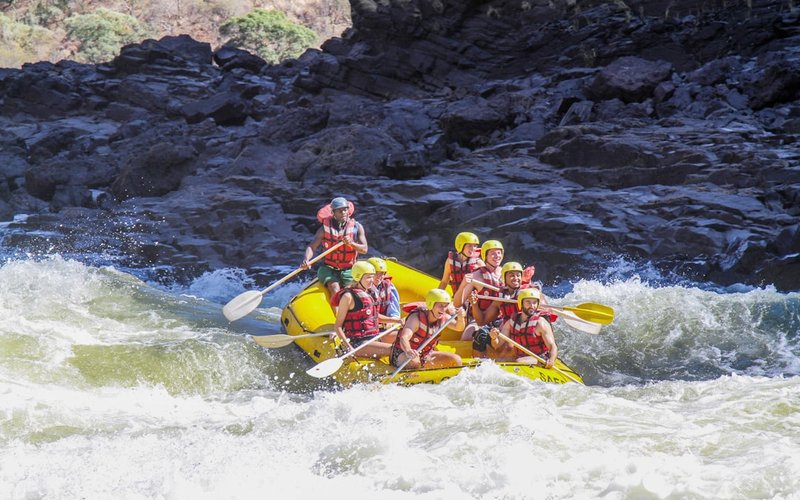
Livingstone
City guide to nightlife in Livingstone, the gateway to Victoria Falls, covering tourist bars, backpacker haunts, and practical tips for Zambia's tourism capital.
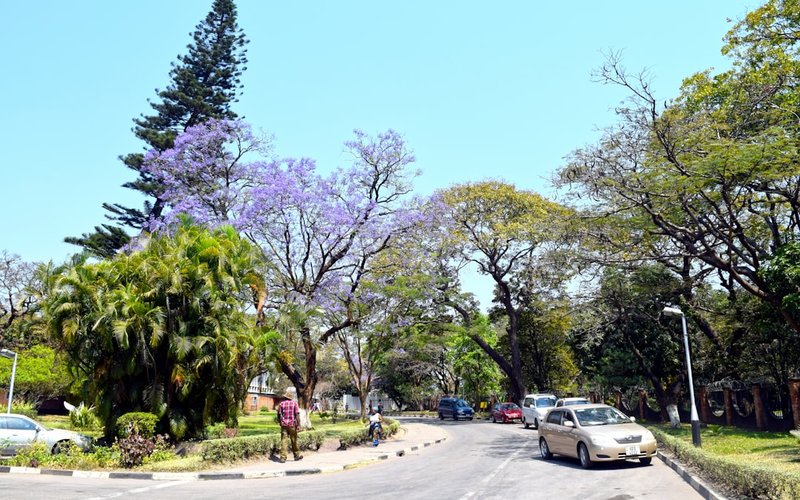
Lusaka
City guide to nightlife in Lusaka, covering the Cairo Road entertainment strip, bar scene, safety tips, and practical details for Zambia's capital.
Compare hotels in Zambia
Hotels, hostels, and short-term rentals across the country's main nightlife cities.
Legal Framework
Zambia's Penal Code (Chapter 87) criminalizes prostitution, brothel-keeping, and living on the earnings of sex work. Sections 140 through 149 cover offenses related to prostitution and carry sentences of up to five years' imprisonment. The law targets both sex workers and those who profit from organized commercial sex activity.
Information verified through local contacts as of March 2026.
No licensing or regulatory framework exists for any aspect of the industry. Zambia has ratified the Protocol to Prevent, Suppress and Punish Trafficking in Persons, and the Anti-Human Trafficking Act of 2008 imposes penalties of up to 25 years for trafficking offenses.
The legal position is unambiguous. All forms of commercial sex work are prohibited.
Enforcement Reality
Police enforcement is sporadic and largely driven by individual officer discretion. Periodic raids occur in known areas of Lusaka, particularly around Cairo Road and certain guest houses. These tend to increase before major political events or international conferences hosted in the capital.
Corruption plays a significant role. Officers frequently solicit bribes rather than pursuing formal charges. Sex workers report regular shakedowns, creating an environment where the industry operates with tacit acceptance in certain areas despite the legal prohibition.
Foreign visitors in mainstream nightlife venues are unlikely to attract police attention. Risk increases considerably when engaging with street-based solicitation or informal establishments outside recognized entertainment areas. Drug enforcement is taken seriously; cannabis possession can lead to imprisonment with mandatory minimum sentences.
Cultural Context
Zambia is a deeply Christian country. Over 95% of the population identifies as Christian, and religious values shape social expectations around relationships and sexuality. Public discussion of sex work is considered inappropriate, and social stigma is intense.
Lusaka has developed a more permissive nightlife culture within certain neighborhoods, driven by economic growth and a young urban population. The gap between public morality and private behavior is wide. But outside the capital's entertainment areas, conservative norms dominate.
Livingstone operates differently because of its tourism economy. The town near Victoria Falls caters to international visitors, and bars and restaurants in the tourist zone have a more relaxed atmosphere. That tolerance doesn't extend to the residential areas of town.
Dating Culture
Zambian dating norms are traditional. Men are expected to initiate, pay for dates, and demonstrate financial stability. In urban Lusaka, younger professionals use dating apps like Tinder and Badoo, though the user base is small compared to East African cities.
Foreign men receive attention, particularly in Lusaka's nightlife areas. Some of this is genuine interest; some is financially motivated. The distinction isn't always clear. Standard precautions apply: meet in public, avoid sending money before meeting, and keep expectations grounded.
Romance scams on dating platforms exist but are less sophisticated than those originating from West African countries. The more common pattern is gradual financial requests after an initial meeting in person.
Key Cities
Lusaka is the capital and the only city with anything resembling a structured nightlife scene. A city of roughly 3 million, its bars and clubs concentrate around the Cairo Road corridor and a handful of spots in the Kabulonga and Woodlands suburbs. The scene is modest but growing.
Livingstone exists primarily as the gateway to Victoria Falls. With a population of around 180,000, it has a small collection of tourist-oriented bars, lodges, and restaurants. The nightlife is seasonal and geared toward the international backpacker and safari crowd.
Costs
Zambia is cheap for visitors with foreign currency. The Zambian Kwacha (ZMW) makes nightlife affordable even by African standards.
Beer at a bar costs ZMW 25-60 ($1-2.25 USD / EUR 0.90-2.10). Local spirits run ZMW 15-40 ($0.55-1.50) per measure. Imported spirits are pricier at ZMW 50-120 ($1.85-4.50). Club entry ranges from free to ZMW 100 ($3.75) at top Lusaka venues.
A plate of nshima with relish at a local restaurant costs ZMW 30-80 ($1.10-3). Mid-range restaurant meals run ZMW 100-300 ($3.75-11.25) per person. Upscale dining in Lusaka tops out around ZMW 500-1,000 ($18.75-37.50) per person.
Taxis within Lusaka cost ZMW 50-150 ($1.85-5.60) for most trips. Ride-hailing apps have limited availability; most transport is by negotiated taxi fare.
Hotels start at ZMW 200-500 ($7.50-18.75) for budget, ZMW 500-1,500 ($18.75-56.25) for mid-range, and ZMW 1,500-5,000+ ($56.25-187.50+) for upscale lodges and international chains.
Safety Considerations
Zambia is generally peaceful, but safety concerns in urban areas deserve attention.
- Petty crime is common in Lusaka, particularly pickpocketing and phone snatching in crowded areas and markets
- Armed robbery occurs, especially in poorly lit areas at night. Walking alone after dark in Lusaka is not recommended
- Carjacking happens occasionally. Keep doors locked and windows up when driving at night
- Drink spiking has been reported at bars and clubs frequented by foreigners
- Police corruption means that reporting crimes doesn't always produce results. Keep copies of passport and travel documents separate from originals
- Health infrastructure is limited. Carry basic medical supplies and have evacuation insurance
- Malaria is present throughout Zambia. Take prophylaxis and use repellent, especially during evening outdoor activities
- Emergency number is 999, but response times can be slow. Private security services are common at upscale venues
What Not to Do
- Do not walk alone at night in Lusaka or Livingstone. Use a taxi or hotel transport
- Do not display expensive electronics, jewelry, or large amounts of cash
- Do not carry your passport around; keep a photocopy instead
- Do not drink tap water. Stick to bottled or treated water
- Do not discuss politics in depth with strangers. Zambia has a democratic tradition, but political tensions exist
- Do not assume that tourist-area tolerance extends to residential neighborhoods
- Do not photograph military installations, government buildings, or police without permission
- Do not resist during a robbery. Comply and report afterward
Sources
- U.S. Department of State: Zambia Travel Advisory - Entry requirements, safety, and local law
- UK Foreign, Commonwealth & Development Office: Zambia Travel Advice - Safety and practical information
- Australian Government Smartraveller: Zambia - Travel advisory and health information
Get the Legal Status PDF, 50 countries
Newsletter signup coming soon. Check back shortly.
Emergency Information: Zambia
- Emergency:
- 999
- Embassy Note:
- Most embassies and consulates are located in Lusaka.
Related Destinations
Botswana
One of Africa's safest and most stable nations, where Gaborone's modest nightlife offers a relaxed bar scene in a country better known for safaris than nightclubs.
Namibia
A sparsely populated Southern African country where Windhoek's small but sociable bar scene reflects German colonial heritage, good safety standards, and moderate costs.
South Africa
Cape Town's Long Street bars, Johannesburg's Sandton clubs, and a nightlife scene shaped by post-apartheid culture, high inequality, and genuine safety concerns that demand preparation.
Zimbabwe
A Southern African nation where economic hardship shapes a modest nightlife scene, with Harare offering the main options alongside Bulawayo's smaller bar circuit.
Similar Countries in Other Regions
Countries with a similar overall score to Zambia (3.1) but in different parts of the world.
Australia
3.1Oceania
A heavily regulated market where strip clubs and adult entertainment operate within strict state licensing frameworks. High costs, strong safety standards, and a nightlife scene concentrated in Sydney and Melbourne.
Cameroon
3.1West Africa
A West African nation with a split nightlife culture between French-speaking Douala and Yaounde, where low costs meet uneven safety and a tolerant enforcement environment.
Canada
3.1North America
Canada's nightlife runs from Montreal's liberal club scene to Toronto's regulated entertainment districts. Legal but complex framework, high safety standards, and a diverse social landscape shaped by multiculturalism.
Was this guide helpful?