
Areas Worth Visiting
Each neighborhood has its own character
District Map of Livingstone
Pick a district to recenter the map and see hotels nearby.
Where to stay in Livingstone
Compare hotels and rentals across the city's nightlife districts.
See places to stay and current pricesOverview
Livingstone exists because of Victoria Falls. The town of roughly 180,000 people sits 10 kilometers north of one of the world's most impressive waterfalls, and its economy runs almost entirely on tourism. Mosi-oa-Tunya Road connects the town center to the falls, lined with lodges, tour operators, craft markets, and a handful of restaurants.
Research conducted through direct venue visits and local interviews.
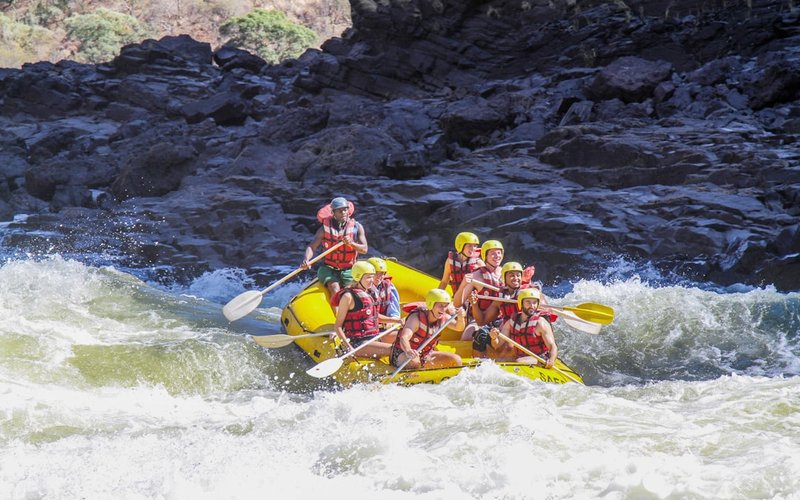
The nightlife is small. A few bars near the falls and in the town center serve the backpacker and adventure tourism crowd. During peak season, these spots fill with an international mix of travelers fresh off rafting trips and bungee jumps. Off-season, things go quiet.
Legal Context
The same national laws apply here as in Lusaka. Prostitution is illegal. Livingstone's nightlife revolves around tourist bars and lodge restaurants. The tourist police presence is higher than in most Zambian towns, and officers generally focus on protecting visitors rather than enforcing vice laws.
Drug laws apply. Cannabis offered by touts near the falls is a police trap in some cases.
Key Areas
Falls Park Area. The stretch along Mosi-oa-Tunya Road between the town and Victoria Falls hosts most of the tourist-oriented bars and restaurants. Lodges with open bars, backpacker joints, and a few standalone restaurants make up the options.
Town center. A few local bars operate in the commercial area of Livingstone town. These cater to residents rather than tourists, with lower prices and a different atmosphere. Not dangerous but basic.
Safety
Livingstone is safer than Lusaka, but tourist-targeted crime exists.
- Petty theft and pickpocketing occur along the main tourist road and at craft markets
- Walking at night along Mosi-oa-Tunya Road is not recommended. The road is unlit in sections, and muggings have been reported
- Use lodge transport or arrange a taxi through your accommodation
- Beware of overly friendly strangers offering "tours" or "deals." These are sometimes setups for theft
- Crocodiles and hippos are present in the Zambezi River. Do not wander near the riverbank at night
Cultural Norms
Livingstone is relaxed by Zambian standards, shaped by decades of international tourism. The vibe in tourist bars is casual and social. Locals working in tourism speak English well and are used to foreign visitors. Tipping in restaurants is appreciated (ZMW 10-20 per meal).
Social Scene
The social scene is transient. Backpackers and safari tourists cycle through on two-to-three-day stays, creating a revolving-door atmosphere. If you're staying longer, the lodge bar staff and activity guides become your social network.
Transportation
- Taxis: Available through lodges or by arrangement. Negotiate fare in advance. Town to falls costs ZMW 50-100 ($1.85-3.75)
- Walking: Fine during daylight along the main road. Not recommended after dark
- Lodge transfers: Most lodges arrange transport to restaurants and activities. Often the safest option
Best Times to Visit
- June-October (dry season): Peak tourist season. The falls are at their most dramatic, bars are full, and the social scene is at its best
- March-May: End of the rainy season. Falls are spectacular but many activities like white-water rafting are suspended due to high water levels
- November-February: Hot, rainy, and the quietest period. Some tourist businesses reduce hours
Get the Legal Status PDF, 50 countries
Newsletter signup coming soon. Check back shortly.
Flights to Livingstone
Compare prices across airlines. Filter by stops, time, and cabin.
Airport transfer to Livingstone
Pre-booked transfers cost about the same as a metered taxi but cut out the airport queue, the meter argument, and the "no English" routine that takes some drivers to the wrong address. Fixed price quoted before booking, driver tracks your flight, waits with a name sign at arrivals.
Book a KiwiTaxi transferFrequently Asked Questions
Was this guide helpful?