
Entertainment Districts
Pick a neighborhood to start exploring
District Map of Lusaka
Pick a district to recenter the map and see hotels nearby.
Where to stay in Lusaka
Compare hotels and rentals across the city's nightlife districts.
See places to stay and current pricesOverview
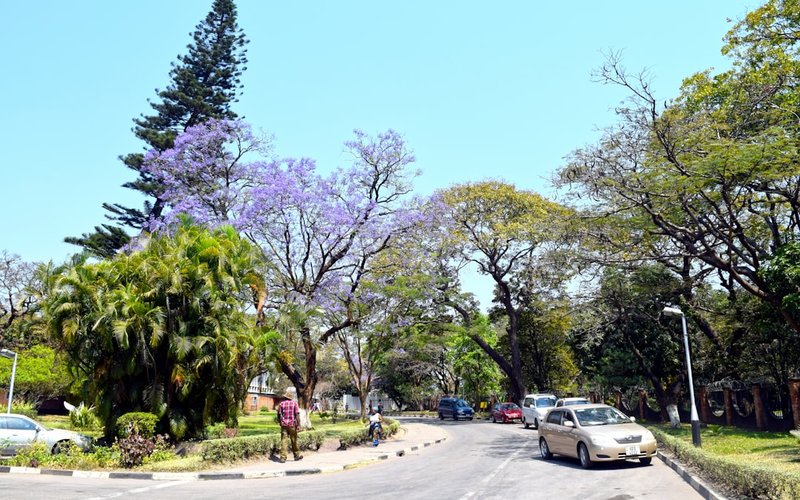
Lusaka sprawls across a flat plateau in central Zambia, a city of roughly 3 million people that serves as the country's political and economic capital. The skyline is low, the traffic congested, and the pace of life faster than most visitors expect from a Southern African capital. Shopping malls and office towers have transformed parts of the city in the past decade, but much of Lusaka retains a raw, unfinished energy.
Prices and venue details confirmed through multiple visits.
Nightlife concentrates in a few nodes. The Cairo Road area in the city center has bars and nightclubs that have operated for decades. The southern suburbs of Kabulonga and Woodlands host newer, more upscale options. On a Friday or Saturday night, the city comes alive later than you'd think.
Legal Context
Zambian law prohibits prostitution and related activities. Lusaka police conduct occasional sweeps in known areas, particularly around Cairo Road and certain guest houses. Mainstream nightlife venues operate as licensed bars and restaurants, and foreign visitors in these settings face no legal complications.
Drug enforcement is strict by regional standards. Cannabis possession carries mandatory minimum sentences. The casual attitude toward cannabis found in some East African countries does not apply here.
Key Areas
Cairo Road Area. The spine of Lusaka's original commercial district and still the heart of the city's more established nightlife. Bars, clubs, and late-night restaurants cluster along and near Cairo Road. The crowd is local, the prices low, and the atmosphere energetic on weekends.
Kabulonga and Woodlands. Lusaka's wealthier southern suburbs have newer bars, restaurants, and a few venues catering to the expat and business community. The atmosphere is quieter and more polished than the Cairo Road scene. Crossroads Shopping Centre is a focal point.
Manda Hill and Arcades area. The malls on the Great East Road have restaurants and bars that serve as early-evening gathering spots. Popular with young professionals for after-work drinks. Limited late-night options.
Safety
Lusaka demands awareness. The city is not dangerous by African standards, but carelessness will catch up with you.
- Armed robbery occurs, particularly in poorly lit areas and side streets at night. Never walk alone after dark
- Pickpocketing is common in crowded areas, especially around bus stations and markets
- Use taxis for all nighttime transport. Negotiate the fare before getting in
- Drink spiking has been reported at venues frequented by foreigners
- Police can be helpful but may also be part of the problem. Carrying a photocopy of your passport satisfies most ID checks
- Mobile phone snatching is common. Keep phones out of sight on the street
- The emergency number 999 connects to police, but response times vary widely
Cultural Norms
Lusaka is conservative by day and loosens up at night, but boundaries still apply.
- Zambians are friendly and social. Conversations start easily in bars, and buying rounds is part of the culture
- Dress casually but cleanly. Upscale venues in Kabulonga may have dress codes, but most bars are relaxed
- Music is central. Zambian hip-hop (Zed hip-hop), gospel, and South African amapiano dominate playlists. Knowing a few local artists earns goodwill
- Respect for elders extends to social settings. Defer to older patrons in conversations
- Tipping is appreciated but not mandatory. ZMW 10-20 ($0.35-0.75) for bartenders is generous by local standards
Social Scene
Bars and clubs in Lusaka range from concrete-floored local joints playing Zambian music at high volume to air-conditioned lounges with cocktail menus. The spectrum is wide, and the experience depends heavily on which end you choose.
Live music has a genuine scene. Zamrock (Zambian rock, a genre from the 1970s) has seen an international revival, though live performances tend toward contemporary Zambian hip-hop and R&B. Sunday sessions at certain venues draw loyal crowds.
The expat community is relatively small compared to Nairobi or Dar es Salaam, anchored by NGO workers, mining sector employees, and diplomatic staff. Expat-friendly bars exist but don't dominate the scene.
Transportation
- Taxis: The primary safe transport after dark. Always negotiate fares in advance. Airport to city center costs ZMW 150-300 ($5.60-11.25)
- Ride-hailing: Ulendo and Yango operate in Lusaka with limited coverage. Download before arrival
- Minibuses: Cheap (ZMW 5-15) but uncomfortable, unreliable, and not recommended after dark
- Driving: Possible but challenging. Roads are potholed, signage is minimal, and driving standards are unpredictable. Night driving is risky
Best Times to Visit
Lusaka's nightlife runs year-round with seasonal patterns.
- Dry season (May-October): Cool, pleasant evenings. The best period overall
- Hot season (September-November): Temperatures peak, and evening outdoor drinking is popular before the rains arrive
- Rainy season (November-April): Heavy afternoon storms, but evenings are usually dry. Some outdoor venues close or move operations indoors
- December-January: Holiday season. Zambians in the diaspora return, and the nightlife peaks. Prices stay flat because this is Zambia
- Friday and Saturday are the main nights. Weekday nightlife is limited outside of hotel bars
Get the Legal Status PDF, 50 countries
Newsletter signup coming soon. Check back shortly.
Flights to Lusaka
Compare prices across airlines. Filter by stops, time, and cabin.
Airport transfer to Lusaka
Pre-booked transfers cost about the same as a metered taxi but cut out the airport queue, the meter argument, and the "no English" routine that takes some drivers to the wrong address. Fixed price quoted before booking, driver tracks your flight, waits with a name sign at arrivals.
Book a KiwiTaxi transferFrequently Asked Questions
Was this guide helpful?