
Before You Travel to Zimbabwe
Five things every smart traveler sorts before booking.
- 1
Passport valid 6+ months from entry date
Most countries refuse entry on passports expiring within six months. Renew now if you're close.
- 2
Visa requirements for Zimbabwe
Some are visa-free, some require an e-visa filed days ahead, some need an embassy appointment.
- 3
Travel insurance booked
A hospital visit in Zimbabwe can run $4,000-15,000 without cover. Credit card insurance usually excludes alcohol-related incidents.
- 4
eSIM data plan ready before landing
Airport SIM kiosks need your passport and overcharge tourists. Install an eSIM in 60 seconds, online before you fly.
- 5
Accommodation reserved in the right district
The wrong neighborhood means a 45-minute taxi every night. Map the venues first, then book.
City Guides in Zimbabwe
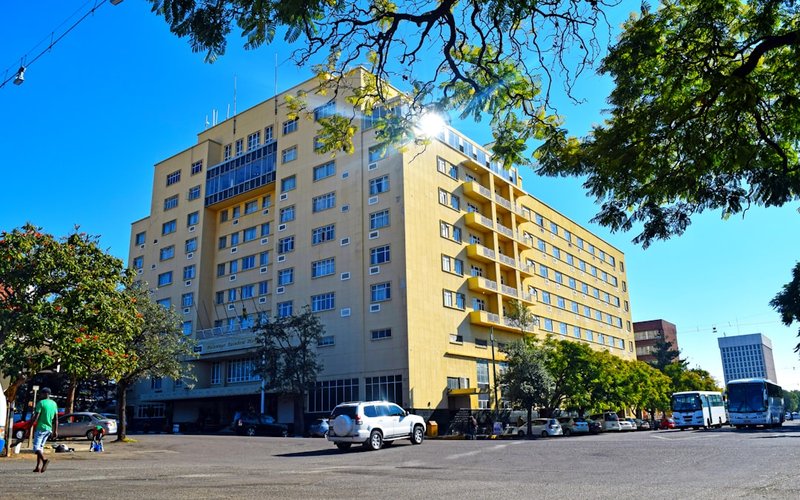
Bulawayo
City guide to nightlife in Bulawayo, Zimbabwe's second city, covering the suburban bar scene, live music culture, and practical tips for visitors.
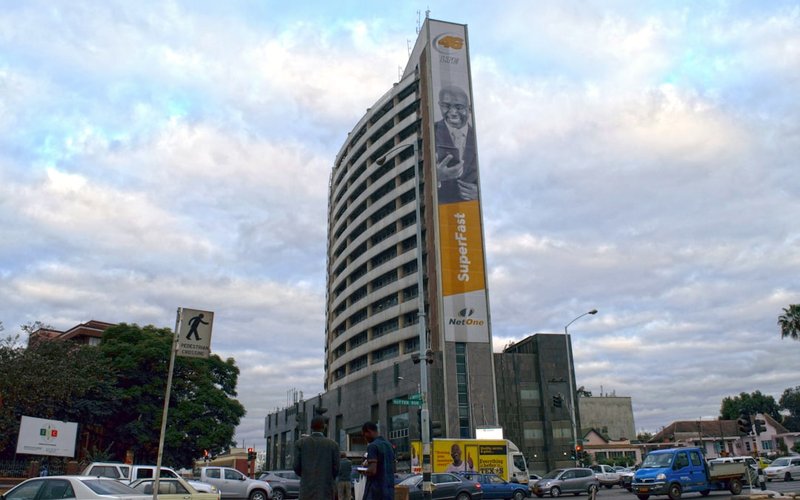
Harare
City guide to nightlife in Harare, covering the Avondale entertainment scene, bar culture, safety precautions, and practical tips for Zimbabwe's capital.
Compare hotels in Zimbabwe
Hotels, hostels, and short-term rentals across the country's main nightlife cities.
Legal Framework
Zimbabwe criminalizes prostitution under the Criminal Law (Codification and Reform) Act of 2004. Section 81 prohibits soliciting for the purposes of prostitution, and Section 82 criminalizes living off the earnings of prostitution. Penalties include fines and imprisonment of up to two years for solicitation and up to seven years for operating a brothel.
Information verified through local contacts as of March 2026.
The law targets all participants, including clients. Section 83 makes it an offense to procure another person for prostitution. No regulatory or licensing system exists.
Zimbabwe has enacted anti-trafficking legislation through the Trafficking in Persons Act of 2014, with penalties of up to life imprisonment for convicted traffickers.
Enforcement Reality
Enforcement is inconsistent and influenced by economic pressures. Zimbabwe's prolonged economic crisis has strained police resources, and prostitution enforcement receives low priority compared to political policing and crime prevention.
Police do conduct periodic sweeps, particularly along Harare's Samora Machel Avenue and in areas around popular hotels. These operations often coincide with political events or election periods. Bribery is common; officers frequently demand payment rather than processing formal arrests.
Foreign visitors in established bars and restaurants face minimal legal risk. The risk profile changes significantly in informal settings, unregistered guest houses, or when engaging with street-based solicitation. Drug laws are strict. Cannabis possession carries serious penalties including imprisonment.
Cultural Context
Zimbabwe's cultural identity is shaped by Shona and Ndebele traditions alongside Christian values introduced during the colonial period. Both frameworks emphasize conservative sexual norms. Public discussion of sex work is considered taboo, and social stigma against those involved in the industry is severe.
Harare's nightlife exists within a narrow space carved out by economic necessity and urban anonymity. The capital's professional class and growing diaspora returnee community support a modest bar and club scene. This doesn't reflect the broader national attitude.
Bulawayo retains a more conservative social character, though its bar culture has deep historical roots tied to the city's industrial past. The city's smaller size means less anonymity and stricter informal social control.
Dating Culture
Traditional gender roles dominate Zimbabwean dating culture. Men are expected to initiate and provide financially in relationships. Lobola (bride price) remains a living tradition, reflecting the economic dimension of relationships.
In Harare, younger Zimbabweans use WhatsApp and social media for dating more than formal dating apps, though Tinder has a small but active user base. The diaspora community has introduced more cosmopolitan attitudes, but expectations around financial generosity from men persist.
Foreign men attract interest, partly for genuine reasons and partly driven by economic desperation. Zimbabwe's ongoing economic difficulties mean that transactional dynamics can enter social interactions quickly. Being direct about expectations early avoids misunderstandings.
Key Cities
Harare is the capital and the only city with a recognizable nightlife scene. Home to roughly 2.5 million people, it has bars, restaurants, and a handful of nightclubs concentrated in the Avondale and Borrowdale areas. The scene is modest but has shown resilience despite economic challenges.
Bulawayo is Zimbabwe's second city with about 1 million residents. Its nightlife is limited to neighborhood bars and a few established venues. The city has a strong cultural identity and a music scene rooted in jazz, mbira, and Ndebele musical traditions.
Costs
Zimbabwe is affordable, though currency situations can be confusing. The country uses both the Zimbabwean Dollar (ZWL) and US Dollar. Many businesses prefer USD, and pricing in this guide reflects that preference where possible.
Beer at a bar costs $1-3 USD. Local spirits run $0.50-2 per measure. Imported spirits and cocktails at upscale Harare venues cost $4-10. Club entry is typically free or up to $5 at premium venues. Special events can charge $10-20.
A basic meal at a local restaurant costs $2-5. Mid-range dining runs $8-20 per person. Upscale restaurants in Harare charge $20-50 per person.
Local transport is cheap. Kombis (minibuses) cost $0.50-1 for most routes. Taxis run $3-10 for cross-city trips. Ride-hailing services have limited availability.
Budget accommodation starts at $15-30 per night. Mid-range hotels cost $40-80. International chains and upscale lodges in Harare charge $100-250 per night.
Safety Considerations
Zimbabwe's safety profile reflects its political and economic situation.
- Street crime, including mugging and pickpocketing, occurs in Harare, especially in the CBD after dark
- Political demonstrations can turn violent with little warning. Avoid crowds and political gatherings
- Police and military checkpoints are common, particularly outside Harare. Carry identification at all times
- Corruption is widespread. Police may demand bribes during traffic stops or at checkpoints. Having small USD notes can resolve situations, though this carries its own risks
- Cash shortages mean ATMs sometimes run empty. Carry enough USD to cover expenses
- Health infrastructure is severely strained. Travel with medications and have evacuation insurance
- Mobile network coverage is generally good in cities but patchy in rural areas
- Emergency number is 999 for police, though response can be slow
What Not to Do
- Do not openly criticize the government or ruling party. This is taken seriously and can result in detention
- Do not photograph government buildings, military installations, or police
- Do not walk in the CBD after dark. Use a taxi or private transport
- Do not carry large amounts of cash visibly
- Do not engage with informal money changers on the street. Use banks or registered bureaux de change
- Do not discuss politics with strangers in bars
- Do not assume that dollar pricing is always in USD. Confirm currency before paying
- Do not resist if confronted by police or criminals. Comply and deal with the situation afterward
Sources
- U.S. Department of State: Zimbabwe Travel Advisory - Safety, entry requirements, and local law
- UK Foreign, Commonwealth & Development Office: Zimbabwe Travel Advice - Current conditions and practical guidance
- Australian Government Smartraveller: Zimbabwe - Travel advisory and health information
Get the Legal Status PDF, 50 countries
Newsletter signup coming soon. Check back shortly.
Emergency Information: Zimbabwe
- Emergency:
- 999
- Embassy Note:
- Most embassies are located in Harare. Bulawayo has limited consular representation.
Also Worth Considering
Botswana
One of Africa's safest and most stable nations, where Gaborone's modest nightlife offers a relaxed bar scene in a country better known for safaris than nightclubs.
Namibia
A sparsely populated Southern African country where Windhoek's small but sociable bar scene reflects German colonial heritage, good safety standards, and moderate costs.
South Africa
Cape Town's Long Street bars, Johannesburg's Sandton clubs, and a nightlife scene shaped by post-apartheid culture, high inequality, and genuine safety concerns that demand preparation.
Zambia
A Southern African nation where nightlife centers on Lusaka's growing bar scene and Livingstone's tourist strip near Victoria Falls, with low costs and uneven safety.
Similar Countries in Other Regions
Countries with a similar overall score to Zimbabwe (3.1) but in different parts of the world.
Australia
3.1Oceania
A heavily regulated market where strip clubs and adult entertainment operate within strict state licensing frameworks. High costs, strong safety standards, and a nightlife scene concentrated in Sydney and Melbourne.
Cameroon
3.1West Africa
A West African nation with a split nightlife culture between French-speaking Douala and Yaounde, where low costs meet uneven safety and a tolerant enforcement environment.
Canada
3.1North America
Canada's nightlife runs from Montreal's liberal club scene to Toronto's regulated entertainment districts. Legal but complex framework, high safety standards, and a diverse social landscape shaped by multiculturalism.
Was this guide helpful?