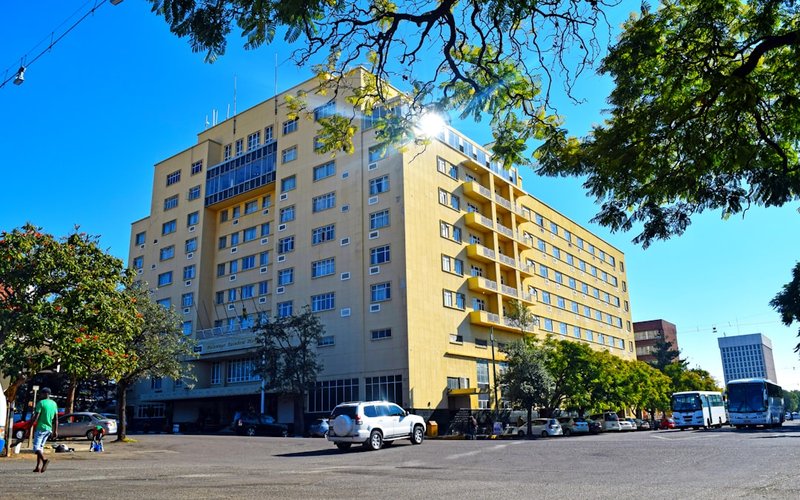

The Key Neighborhoods
Detailed guides for every area
District Map of Bulawayo
Pick a district to recenter the map and see hotels nearby.
Where to stay in Bulawayo
Compare hotels and rentals across the city's nightlife districts.
See places to stay and current pricesOverview
Bulawayo is Zimbabwe's second city, a place with a distinct identity shaped by Ndebele culture and a colonial-era grid of wide streets designed, legend has it, so that a full span of oxen could turn. The city of roughly 1 million people sits in the southwest, closer to Botswana than to Harare, and that distance shows in the culture.
Our team walked every district covered here.
The pace is slower. Bulawayo's nightlife is built around neighborhood bars, braai spots, and a handful of venues that have survived the economic turmoil of the past two decades. What the scene lacks in size it makes up for in character. This city produced some of Zimbabwe's greatest musicians.
Legal Context
The same national laws apply as in Harare. Prostitution is illegal. Bulawayo's nightlife is conventional, centered on licensed bars and restaurants. Police presence in entertainment areas is lighter than in Harare. The city's smaller size means less anonymity.
Key Areas
Suburbs Area. Bulawayo's nightlife spreads across the northern suburbs rather than concentrating in one strip. Bars and restaurants in the Suburbs, Hillside, and Burnside neighborhoods make up the bulk of the options. Weekend live music draws the crowds.
City center. The CBD has a few hotels with bars and some long-running establishments, but like Harare, it empties after business hours and isn't recommended at night.
Safety
Bulawayo is generally safer than Harare, but precautions still apply.
- The CBD should be avoided after dark. Street crime occurs
- Suburban venues are the safer option. Most have security at the entrance
- Use taxis between venues. Walking at night is not recommended even in the suburbs
- Political tensions affect Bulawayo differently. The city has a complicated relationship with the central government, rooted in the Gukurahundi massacres of the 1980s. Avoid political discussions
- Emergency number is 999
Cultural Norms
- Bulawayo has a strong Ndebele cultural identity. Respect for this heritage matters
- The music scene is the pride of the city. Showing genuine interest in local artists goes a long way
- English is widely spoken, but greetings in Ndebele (sawubona, njani) are appreciated
- Social drinking culture is communal. Expect to share tables and conversations
- Dress is casual. No venue in Bulawayo has a strict dress code
Social Scene
Live music is Bulawayo's defining nightlife feature. The city has produced jazz, mbira, and contemporary musicians of national importance. Weekend performances at established venues are social events as much as concerts.
Braai culture is big. Outdoor grilling sessions at bars combine food, drinks, and socializing. Saturday afternoon braais that run into the evening are a Bulawayo tradition.
Transportation
- Taxis: Negotiate in advance. Cross-city trips cost $2-5 USD
- Walking: Possible during daylight in commercial areas but not recommended at night
- Kombis: Available but uncomfortable and not suited for evening use
Best Times to Visit
- April-September: Dry, cool evenings ideal for bar hopping
- October: Hot and building toward the rains. Outdoor venues are lively
- December-January: Holiday season brings energy and returning visitors
- Saturday is the main night. Friday has activity. Weekday options are very limited
Get the Legal Status PDF, 50 countries
Newsletter signup coming soon. Check back shortly.
Flights to Bulawayo
Compare prices across airlines. Filter by stops, time, and cabin.
Airport transfer to Bulawayo
Pre-booked transfers cost about the same as a metered taxi but cut out the airport queue, the meter argument, and the "no English" routine that takes some drivers to the wrong address. Fixed price quoted before booking, driver tracks your flight, waits with a name sign at arrivals.
Book a KiwiTaxi transferFrequently Asked Questions
Was this guide helpful?