
District Guides
Click through for street-level detail
District Map of Harare
Pick a district to recenter the map and see hotels nearby.
Where to stay in Harare
Compare hotels and rentals across the city's nightlife districts.
See places to stay and current pricesOverview
Harare sits on a high plateau at 1,490 meters, giving it a temperate climate that makes evening outings comfortable for most of the year. The city of roughly 2.5 million has weathered hyperinflation, political upheaval, and economic crisis, and its nightlife reflects that resilience. Bars and clubs have opened, closed, and reopened under new names as the economy has fluctuated.
Our team walked every district covered here.
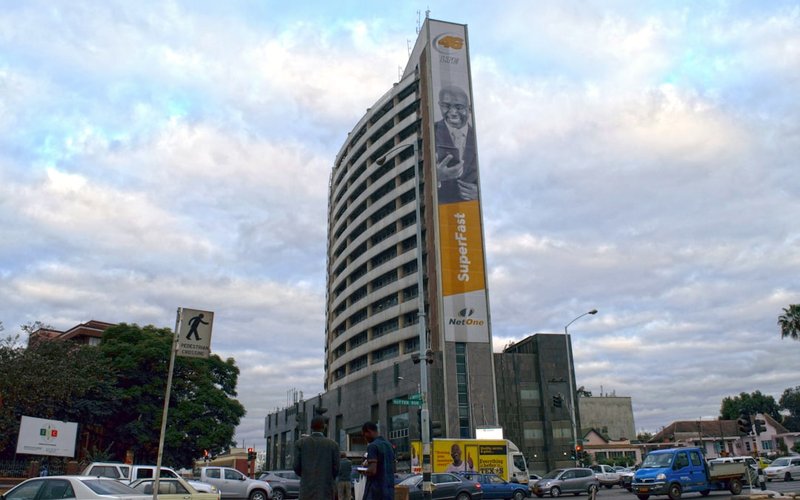
The CBD, once the center of social life, largely empties after office hours. Nightlife has shifted north to the suburbs of Avondale, Borrowdale, and Sam Levy's Village. These areas have tree-lined streets, shopping centers, and a concentration of restaurants and bars that serve as Harare's social hub.
Legal Context
Zimbabwean law prohibits prostitution and related activities. Harare police conduct occasional operations, primarily along Samora Machel Avenue in the CBD and near certain hotels. The suburban nightlife districts operate as conventional licensed premises, and visitors in established bars and restaurants face no legal issues.
Political policing is more of a concern than vice enforcement. Avoid discussions about the government in public, and don't photograph security forces or government buildings.
Key Areas
Avondale Area. Harare's primary nightlife district. The cluster of bars, restaurants, and clubs around Avondale Shopping Centre and along King George Road draws the city's young professionals, returning diaspora, and the expat community. This is where Harare goes out on weekends.
Borrowdale and Sam Levy's Village. Upscale shopping and dining complex in the northern suburbs. Restaurants with bars serve as evening gathering spots. Quieter and more expensive than Avondale, catering to Harare's wealthier residents.
CBD (Samora Machel Avenue). The city center has a few hotels with bars and a historical nightlife reputation, but it's not recommended after dark. Street crime is a real concern once businesses close.
Safety
Harare's safety situation reflects Zimbabwe's broader challenges.
- The CBD is not safe after dark. Mugging and pickpocketing are common once the streets empty
- Northern suburbs (Avondale, Borrowdale) are significantly safer but still require taxi transport between venues
- Police and military checkpoints exist throughout the city. Carry a photocopy of your passport at all times
- Political demonstrations can erupt with little warning. Avoid any gathering that looks political
- Cash shortages mean ATMs sometimes run empty. Carry enough USD for the evening in small bills
- Drink spiking has been reported. Watch your glass
- Emergency number is 999, but private security response (if your accommodation has it) is usually faster
Cultural Norms
Harare's social scene reflects Zimbabwean warmth and hospitality.
- Zimbabweans are socially sophisticated. Education levels are high, English is widely spoken, and conversations in bars tend to be engaging
- Buying rounds is standard practice. Reciprocate when someone buys you a drink
- Music matters. Zimbabwean genres like chimurenga, sungura, and urban grooves have deep cultural roots. Live music venues are the soul of Harare's nightlife
- Dress is casual but clean. Smart casual gets you into most venues
- Tipping $1-2 for bartenders is appreciated and goes a long way in the current economy
Social Scene
Live music defines Harare more than clubs do. The city produced legends like Thomas Mapfumo and Oliver Mtukudzi, and the live music tradition continues at several venues. Weekend shows draw multigenerational crowds.
Bar culture is strong. Zimbabweans socialize over beer, and the communal table dynamic at many bars means you're rarely drinking alone for long.
The diaspora factor is significant. Zimbabweans who left during the economic crisis have returned in waves, bringing international expectations and spending power. This drives quality upward at the venues they frequent.
Transportation
- Taxis: The only recommended transport at night. Negotiate fares before departure. Cross-city trips cost $3-10 USD
- Ride-hailing: InDriver has some presence in Harare. Coverage is limited
- Kombis (minibuses): Very cheap ($0.50-1) but not recommended after dark
- Driving: Possible if you're comfortable with erratic driving standards. Fuel availability has improved but can still be inconsistent
Best Times to Visit
- April-September (dry season): Cool, pleasant evenings. Best overall period
- October-November: Hot and dry. The build-up to the rains brings warm evenings perfect for outdoor bars
- December-March: Rainy season. Afternoon thunderstorms are dramatic but evenings often clear. The holiday period (December-January) brings the diaspora crowd and peak nightlife energy
- Friday and Saturday are the main nights. Thursday has some activity. Weekdays are quiet
Get the Legal Status PDF, 50 countries
Newsletter signup coming soon. Check back shortly.
Flights to Harare
Compare prices across airlines. Filter by stops, time, and cabin.
Airport transfer to Harare
Pre-booked transfers cost about the same as a metered taxi but cut out the airport queue, the meter argument, and the "no English" routine that takes some drivers to the wrong address. Fixed price quoted before booking, driver tracks your flight, waits with a name sign at arrivals.
Book a KiwiTaxi transferFrequently Asked Questions
Was this guide helpful?