

Before You Travel to Mauritius
Five things every smart traveler sorts before booking.
- 1
Passport valid 6+ months from entry date
Most countries refuse entry on passports expiring within six months. Renew now if you're close.
- 2
Visa requirements for Mauritius
Some are visa-free, some require an e-visa filed days ahead, some need an embassy appointment.
- 3
Travel insurance booked
A hospital visit in Mauritius can run $4,000-15,000 without cover. Credit card insurance usually excludes alcohol-related incidents.
- 4
eSIM data plan ready before landing
Airport SIM kiosks need your passport and overcharge tourists. Install an eSIM in 60 seconds, online before you fly.
- 5
Accommodation reserved in the right district
The wrong neighborhood means a 45-minute taxi every night. Map the venues first, then book.
City Guides in Mauritius
Grand Baie
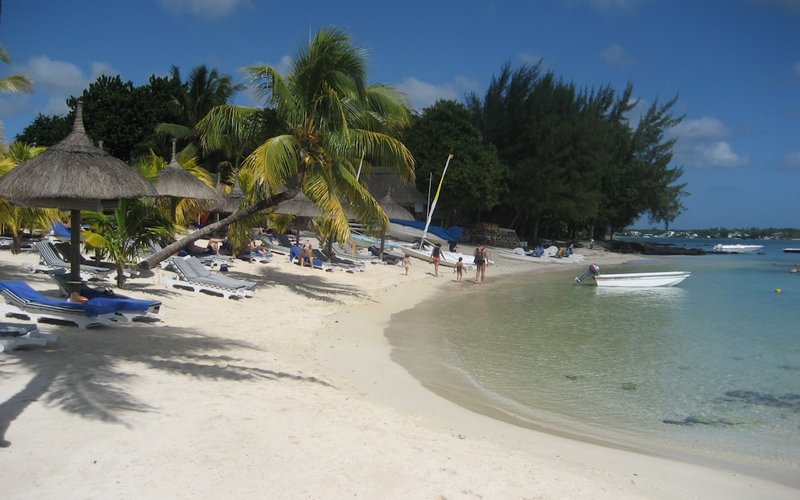
City guide to nightlife in Grand Baie, Mauritius's tourism hub on the northern coast, covering beach bars, clubs, restaurants, and the main entertainment strip.
Port Louis
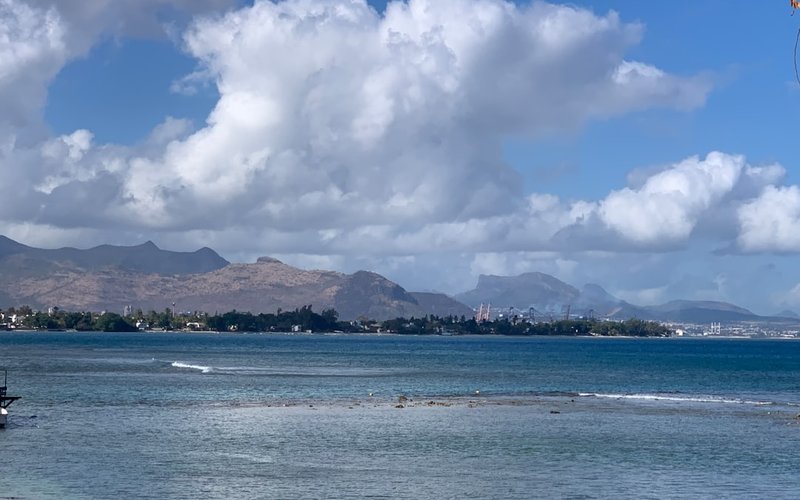
City guide to nightlife in Port Louis, the capital of Mauritius, covering the Caudan Waterfront entertainment area, casino, bars, and practical tips for a safe night out.
Compare hotels in Mauritius
Hotels, hostels, and short-term rentals across the country's main nightlife cities.
Legal Framework
Prostitution is illegal in Mauritius under the Criminal Code, which prohibits soliciting, operating a brothel, and living on the earnings of sex work. Penalties range from fines to imprisonment of up to five years for solicitation and up to eight years for organized prostitution offenses.
Based on on-the-ground reporting from March 2026.
The Combating of Trafficking in Persons Act of 2009 carries severe penalties, including up to 15 years' imprisonment. Mauritius cooperates with international anti-trafficking bodies and monitors its tourism sector for exploitation.
Alcohol is legal and widely available. Mauritius produces its own rum, and bars, restaurants, and clubs serve alcohol without restriction. The legal drinking age is 18.
Enforcement Reality
Enforcement of prostitution laws is selective. Police focus on organized activities and street solicitation in specific areas of Port Louis rather than private, consensual encounters. The tourism industry operates with considerable freedom, and hotel bars and resort venues face virtually no scrutiny regarding the social interactions that take place within them.
Mauritius depends heavily on tourism revenue (contributing roughly 20% of GDP before the pandemic). This economic dependence creates an environment where authorities avoid actions that might discourage visitors. The approach is pragmatic rather than permissive.
Drug enforcement is strict. Mauritius has a serious synthetic drug problem, and police actively target both dealers and users. Possession of even small quantities can result in lengthy imprisonment. The Dangerous Drugs Act carries penalties up to life imprisonment for trafficking.
Cultural Context
Mauritius sits at the crossroads of Indian, African, European, and Chinese cultural influences. About 68% of the population is Indo-Mauritian, with significant Creole (27%), Sino-Mauritian, and Franco-Mauritian minorities. This diversity shapes a society that is generally tolerant but socially conservative on matters of sexuality and relationships.
Hindu and Muslim religious values influence social norms, particularly among the Indo-Mauritian majority. Extended family structures remain strong, and community reputation carries real weight. Port Louis reflects this conservatism. Grand Baie and the resort areas operate with a noticeably different set of social expectations, shaped by international tourism.
Mauritians are multilingual. Kreol Morisien is the lingua franca, with English as the official language and French widely spoken in daily life. Hindi, Bhojpuri, and other languages serve specific communities. Speaking French opens more doors in social settings than English alone.
Sega music, with its African-influenced rhythms and dance, defines Mauritian nightlife culture. Hotel shows and beach bar performances make sega part of the standard tourist experience, but the real scene happens at local bars where the dancing gets faster and the crowd less self-conscious.
Dating Culture
Dating norms in Mauritius vary by community. Indo-Mauritian and Muslim families tend toward conservative expectations, with arranged or family-approved marriages still common. Creole Mauritians generally have more relaxed dating customs, and the younger urban generation across all communities has adopted international dating norms.
Foreign visitors receive positive attention in Grand Baie's bar scene and at resort areas. Interactions are generally straightforward and friendly. Romance scams targeting tourists exist but are less prevalent than in many other island destinations.
Tinder and Badoo have user bases on the island, particularly among the 20-35 age group. The population of 1.3 million limits the pool, but matches happen. Meeting people at bars, beach events, and through hotel social activities remains more natural.
Key Cities
Port Louis is the capital and largest city, with a population of about 150,000. The waterfront Caudan area has undergone significant redevelopment, with restaurants, bars, and a casino creating a concentrated entertainment zone. Nightlife is modest compared to international standards but active on weekends.
Grand Baie is the island's tourism hub on the northern coast. A former fishing village turned resort town, it has the highest concentration of bars, restaurants, and nightclubs outside Port Louis. The scene is tourist-oriented and peaks during the Southern Hemisphere summer (November through April).
Costs
Mauritius uses the Mauritian Rupee (MUR). The economy is relatively developed by African standards, and prices reflect this, particularly in tourist areas.
Beer at a bar costs MUR 100-250 ($2.20-5.50 USD). Cocktails at resort bars or upscale venues run MUR 300-600 ($6.60-13.20). Local Phoenix beer from a shop is MUR 50-80 ($1.10-1.75). Club entry ranges from free to MUR 500-1,000 ($11-22) at top venues, sometimes including a drink.
Restaurant meals cost MUR 400-1,000 ($8.80-22) at mid-range spots, MUR 1,500-3,500 ($33-77) at upscale restaurants. Street food (dholl puri, rotis, fried noodles) is cheap at MUR 30-80 ($0.65-1.75).
Taxis are not metered. A ride from Port Louis to Grand Baie (about 25 km) costs MUR 1,000-1,500 ($22-33). Short trips within Grand Baie cost MUR 200-400 ($4.40-8.80). Ride-hailing apps haven't gained significant traction; hotel-arranged transfers are the reliable option.
Hotels start at MUR 2,000-5,000 ($44-110) for budget guesthouses, MUR 8,000-20,000 ($176-440) for mid-range, and go well above MUR 30,000 ($660+) for the island's famous luxury resorts.
Safety Considerations
Mauritius is one of the safest destinations in the Indian Ocean region. Violent crime targeting tourists is rare, and the general atmosphere is welcoming.
- Petty theft and bag snatching occur occasionally in Port Louis and on beaches. Keep valuables secure
- Grand Baie is generally safe at night, though poorly lit side streets should be avoided when walking alone
- Drink spiking is uncommon but has been reported at tourist bars. Standard precautions apply
- Road accidents are a genuine risk. Mauritius drives on the left, roads are narrow, and driving standards vary. Don't rent a scooter unless you're experienced
- Cyclone season runs from November to April. Storms can be severe and disrupt travel
- Mosquito-borne diseases (dengue) are present. Use repellent, especially at dusk
- Sea currents can be dangerous outside the reef. Swim in designated areas
- Emergency number is 999 for police, 114 for ambulance, 115 for fire
What Not to Do
- Don't assume beach-side resort culture reflects the entire island. Port Louis and residential areas are more conservative
- Don't carry or use drugs. Mauritius has harsh drug laws and active enforcement
- Don't disrespect religious sites. Remove shoes before entering Hindu temples and mosques
- Don't bargain aggressively at markets. Prices are generally fair, and aggressive haggling is considered rude
- Don't swim outside the reef without local guidance. Currents are strong and unpredictable
- Don't skip sunscreen. The tropical sun at this latitude burns quickly
- Don't drive after drinking. Police conduct random breathalyzer checkpoints, and the legal limit is strict
Sources
- U.S. Department of State: Mauritius Travel Advisory - Entry requirements and safety information
- UK FCDO: Mauritius Travel Advice - Safety, health, and local law guidance
- Mauritius Tourism Promotion Authority - Official tourism information
Get the Legal Status PDF, 50 countries
Newsletter signup coming soon. Check back shortly.
Emergency Information: Mauritius
- Emergency:
- 999
- Embassy Note:
- Most embassies and high commissions are in Port Louis. Some countries maintain honorary consulates only.
Similar Countries to Explore
Similar Countries in Other Regions
Countries with a similar overall score to Mauritius (3.0) but in different parts of the world.
Botswana
3.0Southern Africa
One of Africa's safest and most stable nations, where Gaborone's modest nightlife offers a relaxed bar scene in a country better known for safaris than nightclubs.
Belgium
3.0Western Europe
Brussels nightlife from the Gare du Nord's red-light windows to Ixelles' cocktail bars. Legal and regulated, expensive, with a distinct bilingual cultural divide.
South Africa
3.0Southern Africa
Cape Town's Long Street bars, Johannesburg's Sandton clubs, and a nightlife scene shaped by post-apartheid culture, high inequality, and genuine safety concerns that demand preparation.
Was this guide helpful?