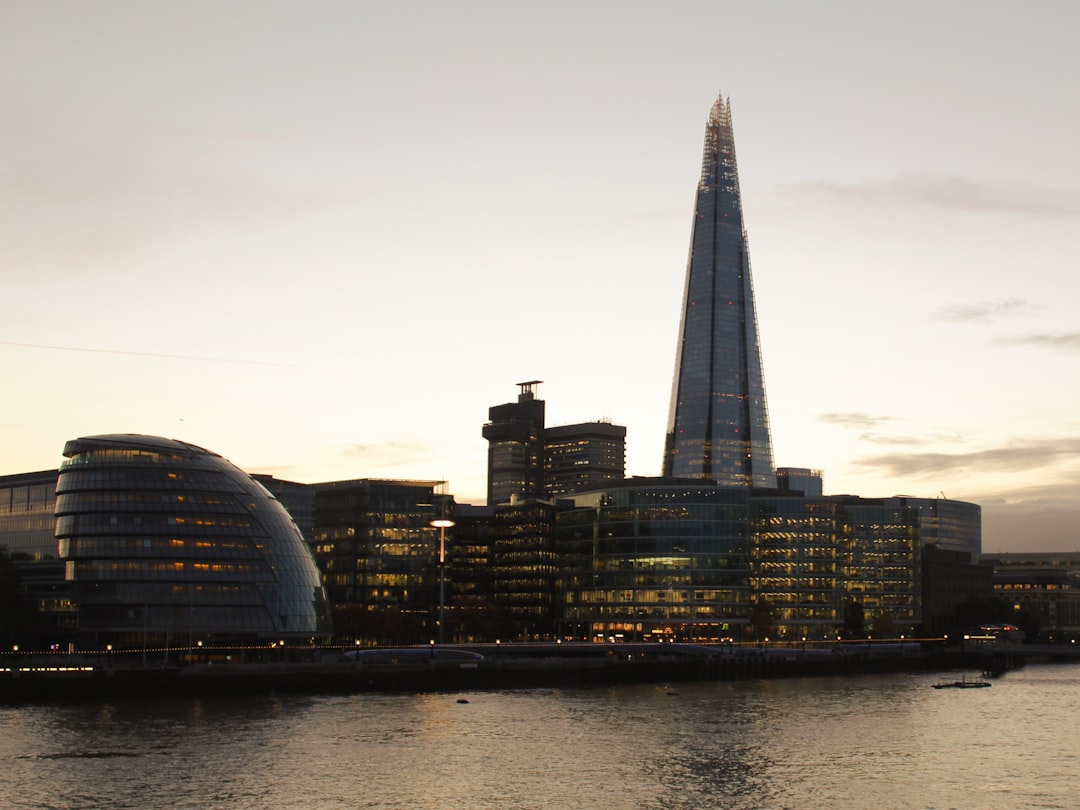


Before You Travel to United Kingdom
Five things every smart traveler sorts before booking.
- 1
Passport valid 6+ months from entry date
Most countries refuse entry on passports expiring within six months. Renew now if you're close.
- 2
Visa requirements for United Kingdom
Some are visa-free, some require an e-visa filed days ahead, some need an embassy appointment.
- 3
Travel insurance booked
A hospital visit in United Kingdom can run $4,000-15,000 without cover. Credit card insurance usually excludes alcohol-related incidents.
- 4
eSIM data plan ready before landing
Airport SIM kiosks need your passport and overcharge tourists. Install an eSIM in 60 seconds, online before you fly.
- 5
Accommodation reserved in the right district
The wrong neighborhood means a 45-minute taxi every night. Map the venues first, then book.
City Guides in United Kingdom
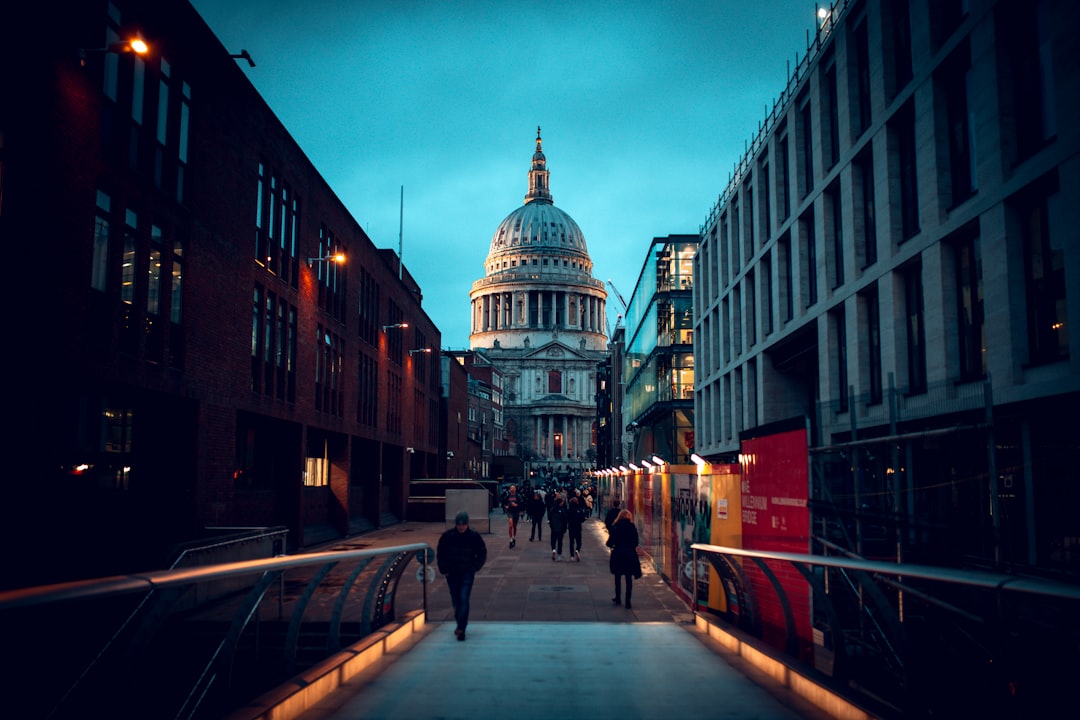
London
City guide to adult nightlife in London, covering Soho, Shoreditch, and other districts with legal context, safety advice, and practical tips.
Manchester
City guide to adult nightlife in Manchester, covering the Northern Quarter, Deansgate, and other districts with legal context, safety advice, and practical tips.
Compare hotels in United Kingdom
Hotels, hostels, and short-term rentals across the country's main nightlife cities.
Legal Framework
The UK's legal position on adult entertainment sits in a grey zone. Paying for sex between consenting adults is itself legal. What surrounds it is not. Soliciting in public, operating a brothel (defined as two or more workers sharing premises), kerb-crawling, and controlling another person for financial gain from sex work are all criminal offences under the Sexual Offences Act 2003 and earlier legislation.
This guide reflects conditions observed during our March 2026 visit.
This creates a contradictory situation. A single worker operating independently from a private flat is acting within the law. Two workers sharing a flat for safety reasons are technically running a brothel. Police enforcement varies enormously by region and by the priorities of local forces.
Enforcement Reality
Enforcement is inconsistent. Metropolitan police forces in London and Manchester tend to focus resources on trafficking, exploitation, and organized crime rather than on consenting adults. Some boroughs take a harm-reduction approach, working with outreach organizations. Others pursue periodic crackdowns, particularly around street-based activity.
The Crown Prosecution Service rarely pursues cases against individual consenting adults. Operations targeting venues typically focus on licensing violations, drug offences, or suspected trafficking. Strip clubs operate under Sexual Entertainment Venue (SEV) licenses issued by local councils, and these are subject to annual renewal and public objection processes.
Scotland has its own legal system. The law is broadly similar, but police and prosecutors operate under separate institutional frameworks. Northern Ireland criminalized the purchase of sex in 2015, making it the only part of the UK where paying for sex is explicitly illegal.
Cultural Context
Britain's relationship with adult entertainment is deeply contradictory. The country has a large and visible nightlife industry, a tabloid culture that simultaneously moralizes about and profits from sexual content, and a political class that periodically campaigns for reform without reaching consensus on which direction reform should take.
Culturally, a night out in Britain revolves around pubs and drinking. The pub closes at 11 PM in many areas (though 24-hour licenses exist in city centers), and the crowd migrates to late-night bars and clubs. Soho in London has been an entertainment district since the 18th century. It went through cycles of tolerance and crackdown, and today functions primarily as a bar and restaurant district with remnants of its adult entertainment past.
Venue Types
Pubs and late-night bars form the backbone of British nightlife. Most social activity starts here. Pubs typically close between 11 PM and midnight, though many city-center venues hold late licenses until 2 AM or beyond.
Nightclubs range from massive superclubs to small basement venues. London's club scene includes world-famous venues like Fabric, Ministry of Sound, and XOYO. Manchester's warehouse scene, anchored by The Warehouse Project, draws crowds from across the country. Entry fees range from GBP 5-30 (USD 6-38, EUR 6-35) depending on the night and DJ.
Strip clubs operate under SEV licenses. London's main concentration is in Shoreditch and around the City fringes. Prices are high: private dances typically cost GBP 20-40 (USD 25-50, EUR 23-47) per song, and VIP rooms run GBP 100-500+ (USD 125-625, EUR 117-585) per session.
Gentlemen's clubs are a distinct category, often serving as upscale cocktail bars with a more relaxed atmosphere than dedicated strip venues. Drink prices reflect the premium positioning.
Live music venues are central to the UK's nightlife identity. London, Manchester, and cities across the country have deep roots in rock, electronic, jazz, and grime music scenes.
Costs
The UK is expensive. London sits among the most costly cities in the world for nightlife.
A pint of beer costs GBP 5-7 (USD 6-9, EUR 6-8) in most London pubs, dropping to GBP 3.50-5 (USD 4.40-6.25, EUR 4-6) in Manchester and other northern cities. Cocktails run GBP 10-16 (USD 12.50-20, EUR 12-19) in London, GBP 8-12 (USD 10-15, EUR 9-14) elsewhere. Wine by the glass costs GBP 6-10 (USD 7.50-12.50, EUR 7-12).
Club entry varies wildly. Some weeknight events are free or GBP 5. Headline DJ nights at Fabric or Ministry of Sound run GBP 15-30 (USD 19-38, EUR 18-35). The Warehouse Project in Manchester charges GBP 20-40 (USD 25-50, EUR 23-47) for most events, more for special lineups.
Food before a night out: fish and chips costs GBP 8-12 (USD 10-15, EUR 9-14), a curry on Brick Lane runs GBP 10-18 (USD 12.50-22.50, EUR 12-21), and pub grub averages GBP 10-16 (USD 12.50-20, EUR 12-19).
Transport: a single Tube journey in Zone 1 costs GBP 2.80 (USD 3.50, EUR 3.28) with Oyster or contactless, capped at GBP 8.10 (USD 10.13, EUR 9.50) per day. Night Tube runs on select lines Friday and Saturday. Black cabs are expensive; Uber is typically 30-50% cheaper. Manchester's Metrolink tram costs GBP 2-4 (USD 2.50-5, EUR 2.35-4.70) per journey.
Hotels in nightlife areas start at GBP 20-40 (USD 25-50, EUR 23-47) for hostel dorms, GBP 60-100 (USD 75-125, EUR 70-117) for budget hotels, GBP 100-180 (USD 125-225, EUR 117-211) for mid-range, and GBP 200-500+ (USD 250-625, EUR 234-585) for upscale.
Dating Culture
British dating follows its own logic. The pub is the social lubricant, and alcohol plays a central role in how people meet and interact. A "date" in Britain often starts informally, sometimes as a group outing where two people gradually pair off rather than a formal one-on-one dinner.
First dates tend to be drinks at a pub or bar. Dinner dates signal higher commitment and typically come later. Splitting the bill is common, especially among younger Britons. The person who suggested the date might offer to pay, but insisting can feel awkward.
British humor runs on sarcasm, self-deprecation, and understatement. Taking things too seriously or being too earnest can feel out of place. At the same time, pushiness or overt aggression is poorly received. The British preference for indirect communication means that interest is often communicated through subtle signals rather than direct statements.
London is extraordinarily international. Over 300 languages are spoken in the city, and dating across cultures is completely normal. Manchester, Birmingham, and other cities are also diverse, though less so than London.
Dating Apps
Tinder dominates the UK market. Bumble holds strong second place, particularly among professionals in London. Hinge has grown rapidly and is now the preferred "relationship app" for many users.
English-language profiles work everywhere. The UK apps market is competitive and well-moderated. Match rates are reasonable in cities but thin out in rural areas. Response times are generally fast compared to many countries, though "ghosting" is common.
Feeld has a significant user base in London for alternative dating. Thursday (the app) gained traction with its weekly-reset model. Grindr is the primary app for the gay scene, with a large active user base across all major cities.
Scams on UK dating apps are relatively rare compared to Southeast Asia or Eastern Europe. Standard catfishing exists. Some users encounter profiles promoting OnlyFans or similar platforms, which has become common enough to be a minor nuisance rather than a genuine threat.
Key Cities
London dominates the UK nightlife scene by sheer volume and variety. Soho is the historic entertainment district. Shoreditch and Dalston anchor the east London bar and club scene. Brixton, Peckham, and Hackney Wick have strong independent venue cultures. The West End holds the mainstream clubs and late-night bars. London's nightlife runs until 3-6 AM depending on the venue, with some clubs operating after-hours until mid-morning.
Manchester punches well above its weight. The Northern Quarter is the indie and alternative scene. Deansgate and Peter Street host the mainstream clubs and bars. The city's music heritage runs deep, from Factory Records and the Hacienda through to the current electronic scene at The Warehouse Project and Gorilla.
Edinburgh has a compact but active scene centered on the Cowgate, Grassmarket, and George Street. The August festival season turns the entire city into one continuous party for a month.
Bristol has a strong independent music scene, particularly around the Triangle, Stokes Croft, and the harbor area. It's a drum and bass stronghold with venues like Motion and Lakota.
Safety Considerations
The UK is generally safe for nightlife, though alcohol-fueled aggression is a known issue in city centers late at night. Friday and Saturday nights between midnight and 3 AM see the highest concentration of alcohol-related incidents.
- Stick to well-lit, busy streets when moving between venues
- Pre-book taxis or use ride-hailing apps. Avoid unlicensed minicabs, which operate illegally outside some clubs
- Drink spiking occurs. Watch your drink, accept drinks only from bartenders, and look out for friends
- Pickpocketing is common on the Tube and in crowded venues, particularly in central London
- Emergency services: 999 for emergencies, 101 for non-urgent police matters
- NHS provides free emergency treatment to all, regardless of nationality
Common Scams
The most common issues for nightlife visitors involve unlicensed minicabs. Drivers wait outside clubs and offer rides, then overcharge or take circuitous routes. Some have no insurance or criminal background checks. Always use licensed black cabs, Uber, or pre-booked minicabs.
Clip joints still exist in small numbers, particularly around Soho and Leicester Square. These venues charge inflated prices for drinks and create pressure to buy rounds. If you're approached on the street and invited to a "special club" or "private bar," decline.
Card skimming at ATMs near nightlife districts has been reported. Use ATMs inside banks or well-lit locations.
In tourist-heavy areas like the West End, some bars operate dynamic pricing or charge premiums that aren't clearly displayed. Check prices before ordering.
What Not to Do
- Do not accept rides from unlicensed minicabs outside clubs
- Do not leave drinks unattended. Spiking is a real concern
- Do not get involved in street altercations. Alcohol-fueled aggression escalates quickly in the UK
- Do not photograph people in venues without consent
- Do not assume that friendliness from bar staff signals anything beyond customer service
- Do not carry large amounts of cash. Card payments are accepted virtually everywhere
- Do not drive in city centers at night. Congestion charges, limited parking, and strict drink-driving laws (80mg/100ml in England, 50mg/100ml in Scotland) make it impractical
- Do not visit Northern Ireland expecting the same legal framework. The law there differs significantly
Sources
- U.S. Department of State: United Kingdom Travel Advisory - Entry requirements, safety alerts, and local law summary
- Australian Government Smartraveller: United Kingdom - Travel advisory and practical information
Get the Legal Status PDF, 50 countries
Newsletter signup coming soon. Check back shortly.
Emergency Information: United Kingdom
- Emergency:
- 999
- Tourist Police:
- 101 (non-emergency police)
- Embassy Note:
- Most embassies are located in central London. Consulates operate in Edinburgh, Belfast, and Cardiff.
Similar Countries to Explore
Finland
Guide to adult nightlife in Finland covering Helsinki's bar districts, legal context, costs, safety, and practical tips for visitors to Northern Europe.
Iceland
Reykjavik's weekend nightlife runs late and loud, but Iceland's small population and Nordic model laws make for a scene that's safe, expensive, and low-key. A guide to what's legal, what's not, and what to expect.
Lithuania
Vilnius nightlife from Old Town bars to Gedimino boulevard clubs. Technically illegal but tolerated, affordable, and one of the Baltics' best-kept nightlife secrets.
Norway
Oslo's waterfront bars and alternative nightlife scene. Selling sex is legal but buying is criminalized, nightlife is small and very expensive, and personal safety is among the best in the world.
Similar Countries in Other Regions
Countries with a similar overall score to United Kingdom (3.0) but in different parts of the world.
Belgium
3.0Western Europe
Brussels nightlife from the Gare du Nord's red-light windows to Ixelles' cocktail bars. Legal and regulated, expensive, with a distinct bilingual cultural divide.
South Africa
3.0Southern Africa
Cape Town's Long Street bars, Johannesburg's Sandton clubs, and a nightlife scene shaped by post-apartheid culture, high inequality, and genuine safety concerns that demand preparation.
Botswana
3.0Southern Africa
One of Africa's safest and most stable nations, where Gaborone's modest nightlife offers a relaxed bar scene in a country better known for safaris than nightclubs.
Was this guide helpful?