
Before You Travel to Norway
Five things every smart traveler sorts before booking.
- 1
Passport valid 6+ months from entry date
Most countries refuse entry on passports expiring within six months. Renew now if you're close.
- 2
Visa requirements for Norway
Some are visa-free, some require an e-visa filed days ahead, some need an embassy appointment.
- 3
Travel insurance booked
A hospital visit in Norway can run $4,000-15,000 without cover. Credit card insurance usually excludes alcohol-related incidents.
- 4
eSIM data plan ready before landing
Airport SIM kiosks need your passport and overcharge tourists. Install an eSIM in 60 seconds, online before you fly.
- 5
Accommodation reserved in the right district
The wrong neighborhood means a 45-minute taxi every night. Map the venues first, then book.
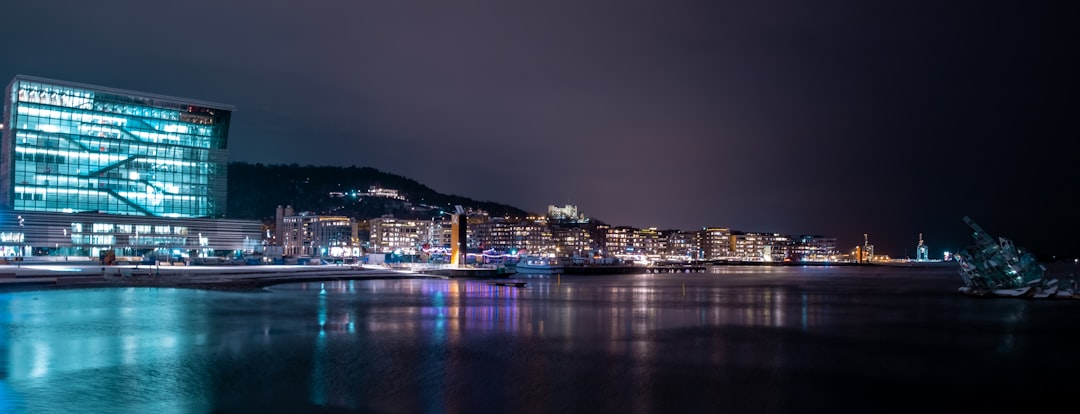
Compare hotels in Norway
Hotels, hostels, and short-term rentals across the country's main nightlife cities.
Legal Framework
Norway adopted the Nordic model for sex work regulation in 2009. Selling sexual services is legal, but buying them is a criminal offense under Section 316 of the Penal Code. This means the person offering services faces no criminal penalty, while the client risks fines or up to one year in prison. Organizing, promoting, or profiting from someone else's sex work is also illegal.
Our field team visited Norway most recently in March 2026.
The law was designed to reduce demand while protecting those who sell sex from prosecution. In practice, it has pushed much of the industry underground or online. Street-based sex work decreased significantly after the law took effect, though indoor arrangements continue through private contacts and online platforms.
Enforcement Reality
Police enforcement focuses primarily on the buying side and on organized networks suspected of trafficking. Individual sellers are not prosecuted, though they may encounter police during operations targeting buyers. Authorities also monitor online advertising platforms and occasionally conduct stings.
Enforcement intensity varies by city and political climate. Oslo sees the most active policing. In smaller cities and towns, enforcement is less visible. The government reviews the law periodically, and public debate about its effectiveness continues. Advocacy groups remain divided on whether the model achieves its stated goals.
Cultural Context
Norwegians approach the topic of sex work with characteristic Nordic pragmatism mixed with strong egalitarian values. The country's gender equality framework heavily influenced the decision to criminalize buying rather than selling. Public discussion tends to focus on trafficking prevention and worker welfare rather than morality.
The nightlife scene in Norway is small by European standards. High alcohol prices, strict licensing laws, and a cultural preference for private gatherings over bar culture all contribute. Norwegians often "pre-game" heavily at home before going out, since bar prices for beer start around NOK 100-120 (roughly USD 9-11 / EUR 8-10) and cocktails run NOK 160-220 (USD 15-20 / EUR 13-18).
Venue Types
Norway doesn't have a developed adult entertainment infrastructure in the way that Germany or the Netherlands does. Strip clubs are rare and operate under tight municipal licensing. Most nightlife takes the form of conventional bars, clubs, and lounges.
The country's alcohol laws shape the entire nightlife ecosystem. Vinmonopolet, the state-owned alcohol monopoly, controls all retail sales of beverages above 4.7% ABV. Bars and restaurants need a municipal license (skjenkebevilling) to serve alcohol, and license categories determine what strength they can serve. Many venues close by 3:00 AM due to licensing restrictions, though some Oslo clubs hold permits for later operation.
Costs
Norway is one of the most expensive countries in the world for nightlife. Alcohol taxation and the state monopoly system keep prices consistently high.
A half-liter of beer at a bar costs NOK 100-130 (USD 9-12 / EUR 8-11). Cocktails run NOK 160-220 (USD 15-20 / EUR 13-18). Wine by the glass starts around NOK 120-150 (USD 11-14 / EUR 10-12). Club entry fees range from free to NOK 200 (USD 18 / EUR 16), with most venues charging NOK 100-150 on weekend nights.
Food is equally expensive. A casual restaurant meal costs NOK 200-350 (USD 18-32 / EUR 16-29). Fast food or kebabs run NOK 120-180 (USD 11-16 / EUR 10-15). Grocery shopping and cooking at your accommodation is the best way to manage food costs.
Hotels in Oslo range from NOK 800-1,200 (USD 73-110 / EUR 66-100) for budget options to NOK 1,500-3,000+ (USD 137-274 / EUR 124-248) for mid-range and upscale. Hostels start around NOK 350-500 (USD 32-46 / EUR 29-41) for a dorm bed.
Dating Culture
Norwegian dating culture is reserved by Southern European or Latin American standards, but that doesn't mean Norwegians are cold. They're simply private. Small talk with strangers is uncommon in daily life, and approaching someone at a cafe or on the street will likely feel awkward for both parties.
Alcohol plays a significant role in Norwegian social dynamics. The cultural reserve drops noticeably in bar and club settings, and many relationships in Norway start during nights out. This isn't surprising given the high cost of socializing, which means people tend to make the most of the occasions when they do go out.
Tinder, Bumble, and Happn all have solid user bases in Oslo and Bergen. English-language profiles work well, since nearly all Norwegians under 40 speak fluent English. Dating apps are the most common way to meet new people, especially for foreigners. First dates tend to be casual: coffee, a walk, or drinks at a bar.
Gender equality shapes dating norms. Splitting the bill is standard. Don't assume you should pay for everything; many Norwegian women find that presumptuous. Physical affection in public is restrained. Consent culture is taken seriously and understood as a baseline, not a formality.
Dating Apps
Tinder dominates the Norwegian dating market. Bumble has a growing user base, particularly among women in their late twenties and thirties. Happn finds its niche in Oslo, where the walkable city centre creates frequent "crossed paths" notifications. Hinge is gaining traction for people looking for relationships rather than casual encounters.
Profile quality matters. Norwegians value authenticity and outdoor lifestyle photos tend to perform well, since hiking, skiing, and cabin culture (hyttekultur) are deeply embedded in national identity. Shirtless gym selfies or overly polished photos read as try-hard.
Response rates can be slow. This isn't disinterest; it's just the Norwegian pace. Don't double-text or push for quick meetups. Patience works better here than persistence.
Key Cities
Oslo is the capital and by far the largest nightlife market. The city's bars and clubs cluster around a few distinct areas, with the waterfront Aker Brygge district and the alternative Grunerlokka neighborhood offering the most concentrated options. Oslo is where you'll find whatever nightlife Norway has to offer, though the scene is modest compared to most European capitals.
Safety Considerations
Norway is one of the safest countries in the world. Violent crime is rare, and nightlife areas are well-policed without feeling over-securitized. Key notes:
- Street crime in entertainment areas is very low
- Pickpocketing occurs occasionally in tourist areas during summer but is uncommon
- Drink spiking is rare but not unknown. Standard precautions apply
- Public transport is safe at all hours. Oslo's T-bane (metro) runs late on weekends
- Emergency services are excellent. Call 112 for police, 113 for ambulance, 110 for fire
- Norway has universal healthcare, but non-EU visitors should carry travel insurance
Common Scams
Nightlife scams are nearly nonexistent in Norway. The regulated environment and high social trust mean clip joints and tourist traps are not part of the landscape. The main financial risk is simply underestimating how expensive everything is.
Watch for inflated prices at venues near the cruise ship terminal in Oslo during summer. Some waterfront restaurants charge premium prices that even exceed Norwegian norms. Check menus before sitting down.
What Not to Do
- Do not underestimate alcohol prices. Budget carefully or you'll spend far more than planned
- Do not drive after drinking. The legal BAC limit is 0.02%, among the strictest in Europe, and penalties include heavy fines and potential imprisonment
- Do not assume that friendliness signals romantic interest. Norwegians are polite but private
- Do not buy drugs. Penalties are strict and enforcement is consistent
- Do not approach sex workers on the street. Buying sexual services is a criminal offense
- Do not photograph people without their consent
- Do not be loud or aggressive in residential areas late at night. Noise complaints are taken seriously
Sources
- U.S. Department of State: Norway Travel Advisory - Entry requirements, safety alerts, and local law summary
- UK Foreign, Commonwealth & Development Office: Norway Travel Advice - Safety, health, and legal information for travelers
- Australian Government Smartraveller: Norway - Travel advisory and practical information
Get the Legal Status PDF, 50 countries
Newsletter signup coming soon. Check back shortly.
Emergency Information: Norway
- Emergency:
- 112
- Embassy Note:
- Most embassies are located in Oslo.
More in This Region
Finland
Guide to adult nightlife in Finland covering Helsinki's bar districts, legal context, costs, safety, and practical tips for visitors to Northern Europe.
Iceland
Reykjavik's weekend nightlife runs late and loud, but Iceland's small population and Nordic model laws make for a scene that's safe, expensive, and low-key. A guide to what's legal, what's not, and what to expect.
Lithuania
Vilnius nightlife from Old Town bars to Gedimino boulevard clubs. Technically illegal but tolerated, affordable, and one of the Baltics' best-kept nightlife secrets.
United Kingdom
London's Soho and Manchester's Northern Quarter offer distinct nightlife corridors shaped by Britain's complex semi-legal framework, where paying for sex is legal but soliciting, brothels, and kerb-crawling are not.
Similar Countries in Other Regions
Countries with a similar overall score to Norway (2.4) but in different parts of the world.
Barbados
2.4Caribbean
Barbados nightlife centers on the south coast's Saint Lawrence Gap, a short strip of bars and clubs catering to tourists and locals alike. Expect high prices, a safe atmosphere by Caribbean standards, and a small but consistent scene shaped by rum culture and soca music.
Bermuda
2.4North Atlantic
A guide to nightlife in Bermuda, covering Hamilton's bar scene, local laws, safety, costs, and cultural norms on this mid-Atlantic island territory.
Oman
2.4Middle East
Oman's conservative Islamic society means adult entertainment is strictly illegal, but Muscat's hotel bars offer a polished, safe nightlife experience for visitors willing to pay premium prices.
Was this guide helpful?