
District Guides
Click through for street-level detail
Aker Brygge
5/5Very SafeDistrict guide to Aker Brygge in Oslo, the waterfront entertainment area with upscale bars, restaurants, and summer terraces along the harbor.
6 nightlife spots listed
Grünerløkka
5/5Very SafeDistrict guide to Grünerløkka in Oslo, the alternative and hipster neighborhood with independent bars, live music venues, craft beer spots, and a creative nightlife scene.
6 nightlife spots listed
District Map of Oslo
Pick a district to recenter the map and see hotels nearby.
Where to stay in Oslo
Compare hotels and rentals across the city's nightlife districts.
See places to stay and current pricesOverview
Oslo is Norway's capital and the country's only city with a nightlife scene of any real size. Around 700,000 people live in the city proper, with the greater metro area reaching about 1.5 million. The nightlife concentrates in a few walkable areas, mostly along the waterfront and in the eastern neighborhoods.
Our team walked every district covered here.
Don't come to Oslo expecting Berlin or Bangkok. The scene is small, expensive, and shaped by Norway's strict alcohol licensing and high prices. Bars typically close by 3:00 AM, and some have earlier last-call times depending on their license category. What Oslo lacks in volume, it makes up for in safety and quality. The bars that do exist tend to be well-run, with good drinks and interesting crowds.
Legal Context
Norway's Nordic model means selling sexual services is legal, but buying them is not. This law applies uniformly across Oslo. Police conduct periodic operations targeting buyers, and online platforms advertising sexual services are monitored.
Bars and nightclubs operate under the skjenkebevilling system, where the municipality grants alcohol serving licenses with specific conditions. License categories determine what types and strengths of alcohol a venue can serve and until what time. Most venues hold licenses allowing service until 3:00 AM. A small number of clubs have extended permits to 3:30 AM.
Key Areas
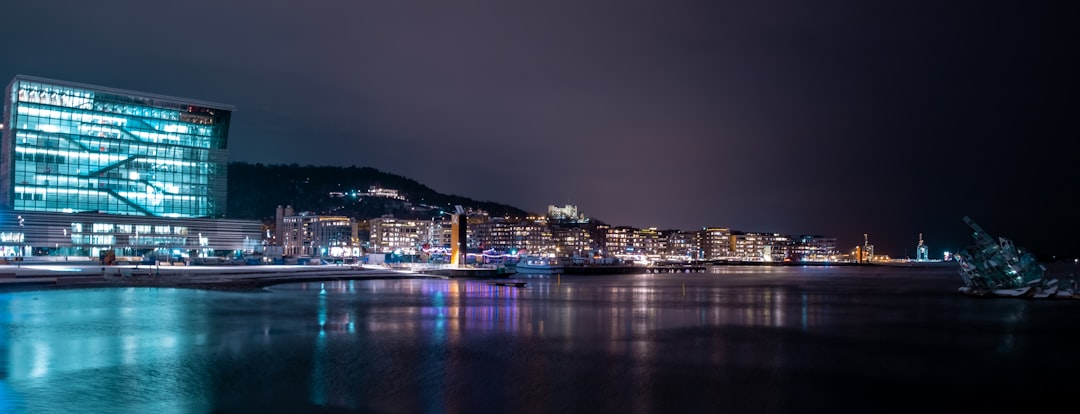
Aker Brygge. The redeveloped waterfront west of City Hall is Oslo's most polished nightlife zone. Former shipyard buildings house upscale bars, restaurants, and a few clubs. The crowd skews older and wealthier. Summer brings outdoor terraces along the harbor.
Grünerløkka. East of the Akerselva river, this former working-class neighborhood is now Oslo's creative and alternative hub. Independent bars, live music venues, and craft beer spots line the streets around Olaf Ryes plass and Thorvald Meyers gate. Younger, more diverse crowd than Aker Brygge.
Karl Johans gate and city centre. Oslo's main boulevard has bars and clubs, mostly geared toward a younger weekend crowd. The area around Youngstorget square has several popular venues. Can get rowdy on Friday and Saturday nights by Norwegian standards, though "rowdy" here would be considered calm in most other capitals.
Safety
Oslo is exceptionally safe. It's one of those cities where you can walk alone at 3 AM without concern in virtually any neighborhood.
- Violent crime in nightlife areas is almost unheard of
- Police maintain a low-key but effective presence on weekend nights
- All licensed venues have trained door staff
- Public transport is safe at all hours. The T-bane (metro) runs extended hours on weekends
- Well-lit streets throughout the central city
- Emergency: 112 for police, 113 for ambulance, 110 for fire
The most common issue for visitors is petty theft during summer tourist season, particularly near Oslo S (the central station) and on crowded trams. Keep valuables secure, and you'll have no problems.
Cultural Norms
Norwegian social culture has a reputation for being reserved, and it's earned. Don't expect strangers to strike up conversation at a bar the way they might in Dublin or Rio. Alcohol loosens things up considerably, and the social atmosphere in bars after 11 PM is noticeably warmer than the sober Norwegian baseline.
A few things to understand:
- Pre-gaming (vorspiel) at home before going out is the norm, not the exception. Norwegians do this to save money
- Splitting the bill is standard. Don't insist on paying for everyone
- Personal space matters. Don't stand too close or touch people you don't know
- Norwegians are direct. If someone isn't interested, they'll let you know clearly
- Tipping is not expected but rounding up or adding 5-10% for good service is appreciated
Social Scene
Oslo's social life revolves around activities as much as bars. The outdoor culture, hiking groups, and sports clubs create meeting opportunities that complement the nightlife scene.
Cafe culture. Oslo has excellent coffee culture. Tim Wendelboe, Fuglen, and Supreme Roastworks are popular spots where people linger and socialize during the day. Coffee shops double as social hubs in a way that bars don't during daylight hours.
The pub scene. Traditional Norwegian pubs (often called "brown bars" for their dark wood interiors) offer a warmer, more social atmosphere than trendy cocktail spots. Lorry, Palace Grill, and Cafe Sara have been fixtures for decades.
Summer activities. From May through August, Oslo transforms. The islands in the Oslofjord (Hovedoya, Gressholmen, Langoyene) are accessible by ferry and draw social crowds. Sorenga seawater pool is free and packed with locals. Outdoor concerts at places like Oya Festival create natural social environments.
Dating in Oslo
Dating apps dominate. Tinder and Bumble are the primary platforms, with Hinge growing. English-speaking profiles work well since English fluency is near-universal among younger Norwegians.
First dates tend to be low-key: a coffee at Fuglen, a walk along the Akerselva, or drinks at a casual bar. Don't overplan or overspend. Norwegians value authenticity over grand gestures, and an expensive restaurant on a first date can feel like too much too soon.
Scam Warnings
Oslo has almost no nightlife-related scams. The biggest financial surprise for visitors is the cost of everything, which isn't a scam but simply the Norwegian price level.
One thing to watch: some waterfront restaurants near Aker Brygge and the cruise terminal have tourist-oriented pricing that goes above even normal Oslo levels. Check the menu before sitting down if you're near the harbor.
Best Times
- Friday and Saturday 11 PM to 2:30 AM: Peak nightlife hours
- Thursday nights: Growing popularity, especially around Grunerlokka
- Summer (June to August): Outdoor terraces, extended daylight (the sun barely sets), and the best atmosphere
- Winter (November to February): Cozy indoor bar culture, fewer tourists, locals reclaim the nightlife scene
- 17th of May (Constitution Day): The biggest party day in Norway. The entire city celebrates. Book accommodation months ahead
Getting Around
- T-bane (metro): Six lines covering most of the city. Runs until about 1:00 AM on weekdays, later on weekends. Connects the city centre to residential areas efficiently
- Trams: Lines 11, 12, 13, and 17 serve key nightlife areas including Aker Brygge and Grunerlokka
- Buses: Night buses (nattbuss) operate on weekends after the T-bane stops
- Ruter app: Buy all public transport tickets through the Ruter app. Single tickets cost NOK 42 (USD 3.80 / EUR 3.50). A 24-hour pass costs NOK 121 (USD 11 / EUR 10)
- Taxis: Expensive. A short ride across the city centre costs NOK 200-300 (USD 18-27 / EUR 16-25). Oslo Taxi and Uber both operate
- Walking: The central city is compact and walkable. Aker Brygge to Grunerlokka is about 30 minutes on foot
What Not to Do
- Do not underestimate the cost of alcohol. A night out can easily exceed NOK 2,000 (USD 183)
- Do not drive after drinking. Norway's 0.02% BAC limit is among the world's strictest
- Do not attempt to buy sexual services. It's a criminal offense with real enforcement
- Do not be aggressive or confrontational. Norwegians have zero tolerance for it, and bouncers will remove you immediately
- Do not assume bars are open past 3 AM. Check closing times before heading out
- Do not skip the vorspiel. Pre-gaming at home or at your accommodation is the financially smart move
- Do not litter or smoke where prohibited. Fines are enforced
Get the Legal Status PDF, 50 countries
Newsletter signup coming soon. Check back shortly.
Flights to Oslo
Compare prices across airlines. Filter by stops, time, and cabin.
Airport transfer to Oslo
Pre-booked transfers cost about the same as a metered taxi but cut out the airport queue, the meter argument, and the "no English" routine that takes some drivers to the wrong address. Fixed price quoted before booking, driver tracks your flight, waits with a name sign at arrivals.
Book a KiwiTaxi transferFrequently Asked Questions
Related Guides
Aker Brygge
District guide to Aker Brygge in Oslo, the waterfront entertainment area with upscale bars, restaurants, and summer terraces along the harbor.
Read guideGrünerløkka
District guide to Grünerløkka in Oslo, the alternative and hipster neighborhood with independent bars, live music venues, craft beer spots, and a creative nightlife scene.
Read guideWas this guide helpful?