Aker Brygge
Semi-Legal5/5Very SafeDistrict guide to Aker Brygge in Oslo, the waterfront entertainment area with upscale bars, restaurants, and summer terraces along the harbor.

Where to stay near Aker Brygge
Hotels walking distance from the venues on this page.
See places to stay and current pricesBars and Clubs Worth Checking
Reviewed and rated by our team
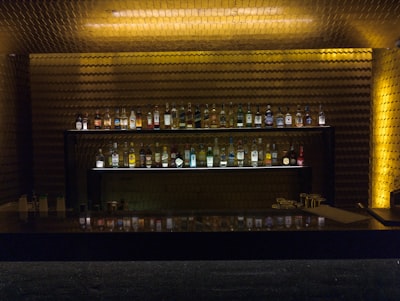
Aker Brygge Rorbua
Nautical-themed pub right on the wharf serving Norwegian seafood and beers. Rustic wood interior with harbor views and a popular outdoor terrace in summer.
Lekter'n
Floating bar on a barge in the Aker Brygge harbor. Open-air seating directly on the water. Seasonal operation from May through September. One of Oslo's most popular summer spots.
Skuret
Cocktail bar in a converted dockside warehouse with exposed brick walls and industrial fixtures. Inventive cocktail menu that changes seasonally. Attracts a late-twenties to forties crowd.
Amundsen Bryggeri & Spiseri
Craft brewery and restaurant at the Tjuvholmen end of Aker Brygge. Brews its own beer on-site. Spacious interior with views of the fjord and outdoor seating in warmer months.
The Thief Bar
Rooftop cocktail bar at The Thief hotel on Tjuvholmen. Panoramic harbor views and a curated cocktail list. Upscale dress code and crowd. One of Oslo's most exclusive evening spots.
Cargo
Multi-room nightclub and bar on the waterfront with a large outdoor terrace. DJs play house and electronic music on weekends. One of the few proper clubs in the Aker Brygge area.
Overview and Location
Aker Brygge stretches along Oslo's western waterfront, occupying the site of the former Akers Mekaniske Verksted shipyard that closed in 1982. The redevelopment turned industrial buildings into a mixed-use district of restaurants, bars, shops, and residential spaces. It's the kind of place that looks designed for Instagram, and it is, but the bars are good enough to justify the aesthetic.
This guide is based on multiple evenings spent in Aker Brygge.
The area connects directly to Tjuvholmen, a newer extension built on reclaimed land at the western tip. Together, these two zones form Oslo's most concentrated waterfront entertainment strip. On a summer evening, the terraces fill with people facing the harbor, watching ferries depart for the islands while spending what in most countries would be a week's bar budget in a single night.
Legal Status
Aker Brygge venues operate under standard Norwegian alcohol licensing (skjenkebevilling) granted by Oslo municipality. Most bars and restaurants hold licenses allowing service until 1:00 AM or 2:00 AM. A handful of venues, particularly those with nightclub-style operations, hold extended permits to 3:00 AM.
The area has no adult entertainment venues in the traditional sense. This is a mainstream bar and restaurant district. Norway's laws on buying sexual services apply everywhere, though they're not particularly relevant to the Aker Brygge nightlife experience, which revolves around drinking, dining, and socializing.
Costs and Pricing
Aker Brygge sits at the top end of Oslo's already expensive nightlife. Waterfront location and upscale positioning mean prices here regularly exceed city averages.
- Beer: NOK 110-140 (USD 10-13 / EUR 9-12) for a half-liter
- Cocktails: NOK 180-250 (USD 16-23 / EUR 15-21) per drink
- Wine by the glass: NOK 140-190 (USD 13-17 / EUR 12-16)
- Club entry: NOK 100-200 (USD 9-18 / EUR 8-16) on weekends, some venues free on weeknights
- Food: Main courses at waterfront restaurants run NOK 250-500 (USD 23-46 / EUR 21-41)
Pre-gaming before coming here isn't just common, it's practically mandatory unless your budget is genuinely unlimited. Buy wine or beer from a grocery store (up to 4.7% ABV) or from Vinmonopolet (the state alcohol shop) and drink at your accommodation before heading out.
Street-Level Detail
Walking along the waterfront promenade from City Hall toward Tjuvholmen, you'll pass the main commercial center of Aker Brygge first. The ground-floor restaurants and bars face the harbor, with terraces extending onto the boardwalk. During summer evenings, these terraces are packed from around 6 PM onward. Finding an outdoor seat without a reservation after 7 PM on a Friday in July is essentially impossible.
The indoor areas are equally polished. Converted warehouse spaces with high ceilings, exposed steel beams, and oversized windows looking out over the water. The design language is consistent across the district: Scandinavian minimalism meets industrial heritage.
Tjuvholmen, at the western end, feels newer and even more upscale. The Thief hotel anchors this section, with its rooftop bar drawing a well-dressed crowd. The Astrup Fearnley Museum of Modern Art sits at the tip of the peninsula, and the surrounding boardwalk attracts strollers and drinkers in equal measure.
On weekday evenings, the crowd is largely local professionals in their thirties and forties. Weekends bring a broader mix, including tourists and younger groups from other parts of Oslo. The overall atmosphere is relaxed and confident, not rowdy. You won't see fights or stumbling crowds here.
Safety
Aker Brygge is one of the safest nightlife areas in one of the safest cities in Europe. Concerns about personal safety are minimal.
- The waterfront promenade is well-lit and busy until late
- Security staff at venues are professional and rarely tested
- CCTV coverage throughout the district
- Police patrol occasionally but there's rarely anything for them to do
- The walk back to central Oslo along the waterfront is safe at any hour
- No history of drink spiking or targeted crime against tourists
The only practical safety note: watch your step near the water after drinking. The harbor edge has railings in most places, but not everywhere. Falling into the Oslofjord after midnight would be cold, dangerous, and embarrassing.
Cultural Norms
Aker Brygge attracts a well-heeled crowd, and the social norms reflect that. People dress well without being formal. Smart casual is the standard: clean jeans or chinos, a decent shirt or top, good shoes. You won't be turned away for wearing sneakers, but you'll feel out of place in athletic wear or beach clothes.
The social atmosphere is more reserved than at Grunerlokka's bars. Conversations between strangers happen but aren't the default. This is a place where people come with friends or dates, not to meet new people at random. That said, the summer terraces create a more relaxed dynamic, and striking up a conversation with neighbors at a communal table is acceptable when the outdoor seating gets tight.
Tipping isn't expected but rounding up your bill or leaving 5-10% for good service is a nice gesture. Card payment is universal. Many venues have gone entirely cashless, and you can pay with Vipps (Norway's mobile payment app), credit card, or Apple/Google Pay at almost every establishment.
Practical Information
Getting there: Tram lines 12 and 13 stop at Aker Brygge, right at the edge of the district. The National Theatre T-bane station is a 10-minute walk east. From Oslo S (the central train station), it's a 15-20 minute walk along the waterfront, which is pleasant in decent weather.
Best times: Summer evenings from June through August are when Aker Brygge is at its best. The outdoor terraces are the main draw. Friday and Saturday nights between 9 PM and 1 AM see peak activity. Winter evenings are quieter but the indoor bars stay busy on weekends.
Booking: Restaurants along the waterfront fill up fast on summer weekends. Book ahead through the venue's website or through Yelp/Google if you want a table. Bar seating is generally first-come, first-served.
Nearby areas: Tjuvholmen connects directly to the west. The City Hall and Radhusplassen are a short walk east. From there, you can continue to the Youngstorget area in the city centre for a different nightlife atmosphere.
Get the Legal Status PDF, 50 countries
Newsletter signup coming soon. Check back shortly.
Frequently Asked Questions
Related Guides
Oslo Overview
City guide to nightlife in Oslo, covering the waterfront Aker Brygge district, alternative Grünerløkka, safety advice, and practical tips for Norway's capital.
Read guideGrünerløkka
District guide to Grünerløkka in Oslo, the alternative and hipster neighborhood with independent bars, live music venues, craft beer spots, and a creative nightlife scene.
Read guideWas this guide helpful?