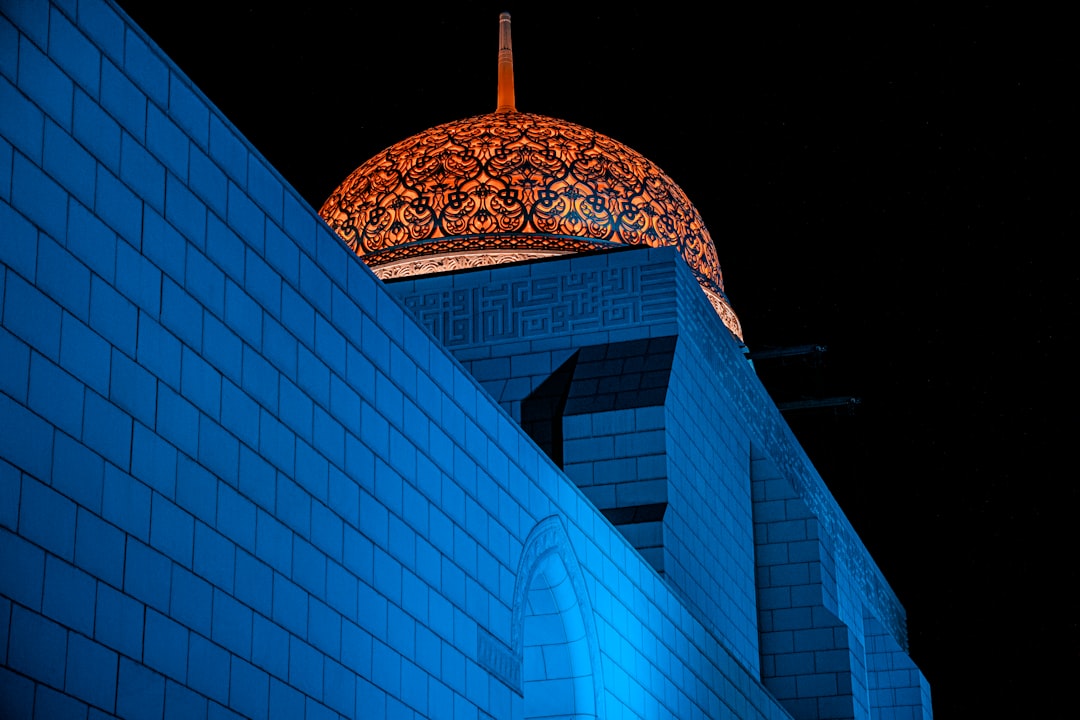


Before You Travel to Oman
Five things every smart traveler sorts before booking.
- 1
Passport valid 6+ months from entry date
Most countries refuse entry on passports expiring within six months. Renew now if you're close.
- 2
Visa requirements for Oman
Some are visa-free, some require an e-visa filed days ahead, some need an embassy appointment.
- 3
Travel insurance booked
A hospital visit in Oman can run $4,000-15,000 without cover. Credit card insurance usually excludes alcohol-related incidents.
- 4
eSIM data plan ready before landing
Airport SIM kiosks need your passport and overcharge tourists. Install an eSIM in 60 seconds, online before you fly.
- 5
Accommodation reserved in the right district
The wrong neighborhood means a 45-minute taxi every night. Map the venues first, then book.
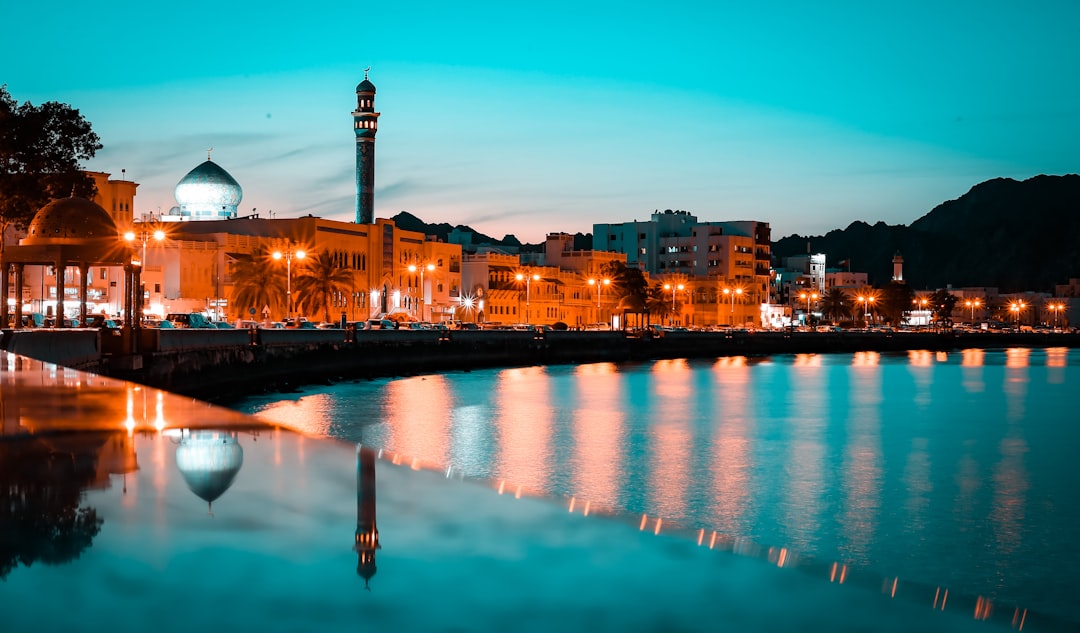
Compare hotels in Oman
Hotels, hostels, and short-term rentals across the country's main nightlife cities.
Legal Framework
Prostitution and all forms of commercial sex work are illegal in Oman under the Penal Code (Royal Decree 7/2018). Penalties include imprisonment of up to three years, fines, and deportation for foreign nationals. The law criminalizes both the provider and the client. Operating a brothel or facilitating prostitution carries even heavier sentences.
Our field team visited Oman most recently in March 2026.
Oman's legal system blends civil law with Sharia (Islamic law). The country has no tolerance zones, no licensing framework, and no gray areas. The Sultanate treats these offenses as both criminal matters and violations of public morality.
Alcohol is legal for non-Muslim visitors in licensed venues only, which means hotel bars and restaurants. Purchasing alcohol for personal consumption requires a permit that's generally unavailable to tourists. Public intoxication is a criminal offense.
Enforcement Reality
Oman enforces its laws more quietly than some Gulf neighbors, but enforcement is real. The Royal Oman Police maintain a visible presence in tourist areas, and undercover operations occur in hotel zones. The country's small population of roughly 4.5 million and its tight-knit social structure mean that illegal activity is harder to conceal than in larger Gulf states.
Deportation is the standard outcome for foreign nationals convicted of morality offenses. The process typically involves detention, trial, imprisonment, and then permanent removal from the country. Consular access is provided but the legal system moves on its own timeline.
Digital communications are monitored. The Telecommunications Regulatory Authority has the authority to intercept communications, and messaging apps don't guarantee privacy. Explicit solicitation through any digital platform carries the same legal weight as in-person solicitation.
Cultural Context
Oman is among the most traditional societies in the Gulf region. Sultan Haitham bin Tariq has continued the modernization efforts of his predecessor, Sultan Qaboos, but social conservatism runs deep. The Omani population is predominantly Ibadi Muslim, a distinct school of Islam known for its moderate theology but conservative social expectations.
Public behavior is expected to reflect modesty. Dress codes in public spaces require covered shoulders and knees for both men and women. Physical contact between unmarried men and women in public spaces draws disapproval and can prompt police intervention. Omanis value politeness, restraint, and respect for local customs.
The expatriate community makes up roughly 40% of the population, concentrated in Muscat. Expat social life revolves around hotel bars, private house parties, and embassy events. This parallel social world operates within the legal framework but with more relaxed interpersonal norms behind closed doors.
Dating Culture
Dating in Oman exists but operates under significant constraints. Omani nationals rarely date foreigners openly, and cross-cultural relationships carry social consequences for the Omani partner. The expatriate community dates more freely, though public displays of affection remain off-limits.
Tinder and Bumble function in Oman, but the user base is small compared to the UAE. Most profiles belong to expats or visiting professionals. Conversations should remain appropriate, as explicit content can have legal implications if reported.
Meeting people happens most naturally at hotel bars and through social networks within the expat community. Sports clubs, gym communities, and workplace connections are the primary avenues for organic social contact. Don't expect the rapid, app-driven social scene found in Dubai or Abu Dhabi.
Key Cities
Muscat is the capital and the only city with a meaningful nightlife scene. Hotel bars in the Qurum and Al Khuwair areas serve as the social hubs for expatriates and visitors. The city is clean, safe, and quiet by Gulf standards.
Salalah, in the south, has a handful of hotel bars but no real nightlife scene. Visitors go for the Khareef season (monsoon) from June to September, not for evening entertainment.
Costs
Oman is expensive for nightlife, though slightly cheaper than Dubai or Abu Dhabi. The Omani Rial (OMR) is pegged to the US dollar at roughly 0.385 OMR per dollar.
Beer at a hotel bar costs OMR 3-5 ($7.80-13 / EUR 7.15-11.90). Cocktails run OMR 4-8 ($10.40-20.80 / EUR 9.50-19). Wine by the glass costs OMR 3-7 ($7.80-18.20 / EUR 7.15-16.65). A full evening out with dinner and drinks typically runs OMR 30-60 ($78-156 / EUR 71.50-143) per person.
Hotels in Muscat range from OMR 25-50 ($65-130) for mid-range to OMR 80-200+ ($208-520+) for luxury properties. Budget accommodation is limited.
Taxis are metered but not always. Ride-hailing apps (Mwasalat Taxi and OTaxi) operate in Muscat. A cross-city trip costs OMR 3-8 ($7.80-20.80).
Safety Considerations
Oman is one of the safest countries in the Middle East and globally. Violent crime against tourists is extremely rare. The main risks are legal, not physical:
- Public intoxication is a criminal offense. Take a taxi back to your hotel
- Drug possession carries severe penalties, including lengthy imprisonment. Some prescription medications legal elsewhere are banned in Oman. Check the list before traveling
- Photography restrictions apply to government buildings, military installations, and individuals (especially women) without consent
- Driving under the influence carries immediate arrest and imprisonment
- Disrespecting the Sultan, the national flag, or Islam can result in prosecution
- Emergency number is 9999 for all services
What Not to Do
- Do not engage in or solicit any illegal activity. Enforcement is real and penalties are severe
- Do not drink alcohol outside licensed hotel venues
- Do not appear intoxicated in public, including hotel lobbies and parking areas
- Do not photograph Omani women without explicit permission
- Do not wear revealing clothing in public spaces outside hotel pools and beaches
- Do not import alcohol, pork products, or religious materials without authorization
- Do not make derogatory comments about Oman, Islam, or the Sultan, including on social media
- Do not assume that Oman's relaxed atmosphere means relaxed laws. The country is peaceful precisely because rules are followed
Sources
- U.S. Department of State: Oman Travel Advisory - Entry requirements, safety alerts, and local law summary
- UK Foreign, Commonwealth & Development Office: Oman Travel Advice - Safety, health, and legal information for travelers
- Australian Government Smartraveller: Oman - Travel advisory and practical information
Get the Legal Status PDF, 50 countries
Newsletter signup coming soon. Check back shortly.
Emergency Information: Oman
- Emergency:
- 9999
- Embassy Note:
- Most embassies are located in Muscat's diplomatic quarter in Al Khuwair.
Similar Countries to Explore
Bahrain
Guide to adult nightlife in Bahrain covering Manama's hotel bars, Juffair district, legal context, costs, and practical tips for visitors.
Israel
Guide to adult nightlife in Israel covering Tel Aviv's bar districts, legal context, costs, safety warnings about the ongoing conflict, and practical tips.
Jordan
Jordan's nightlife revolves around Amman's hotel bars and upscale lounges in a conservative society where alcohol is legal but adult entertainment is not. A guide to the legal scene, safety, and cultural expectations.
Kuwait
Kuwait is a completely dry country with no legal alcohol. Nightlife revolves around cafes, shisha lounges, and entertainment venues. A guide to what's available, cultural norms, and what to avoid.
Similar Countries in Other Regions
Countries with a similar overall score to Oman (2.4) but in different parts of the world.
Barbados
2.4Caribbean
Barbados nightlife centers on the south coast's Saint Lawrence Gap, a short strip of bars and clubs catering to tourists and locals alike. Expect high prices, a safe atmosphere by Caribbean standards, and a small but consistent scene shaped by rum culture and soca music.
Bermuda
2.4North Atlantic
A guide to nightlife in Bermuda, covering Hamilton's bar scene, local laws, safety, costs, and cultural norms on this mid-Atlantic island territory.
Iceland
2.4Northern Europe
Reykjavik's weekend nightlife runs late and loud, but Iceland's small population and Nordic model laws make for a scene that's safe, expensive, and low-key. A guide to what's legal, what's not, and what to expect.
Was this guide helpful?