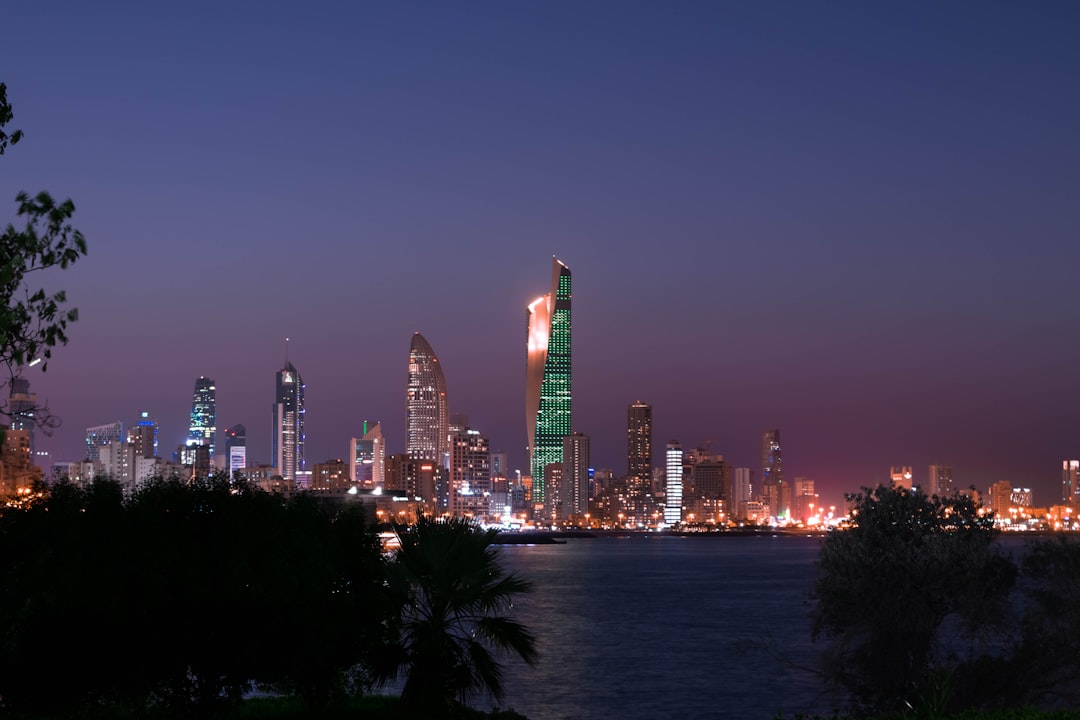


Before You Travel to Kuwait
Five things every smart traveler sorts before booking.
- 1
Passport valid 6+ months from entry date
Most countries refuse entry on passports expiring within six months. Renew now if you're close.
- 2
Visa requirements for Kuwait
Some are visa-free, some require an e-visa filed days ahead, some need an embassy appointment.
- 3
Travel insurance booked
A hospital visit in Kuwait can run $4,000-15,000 without cover. Credit card insurance usually excludes alcohol-related incidents.
- 4
eSIM data plan ready before landing
Airport SIM kiosks need your passport and overcharge tourists. Install an eSIM in 60 seconds, online before you fly.
- 5
Accommodation reserved in the right district
The wrong neighborhood means a 45-minute taxi every night. Map the venues first, then book.
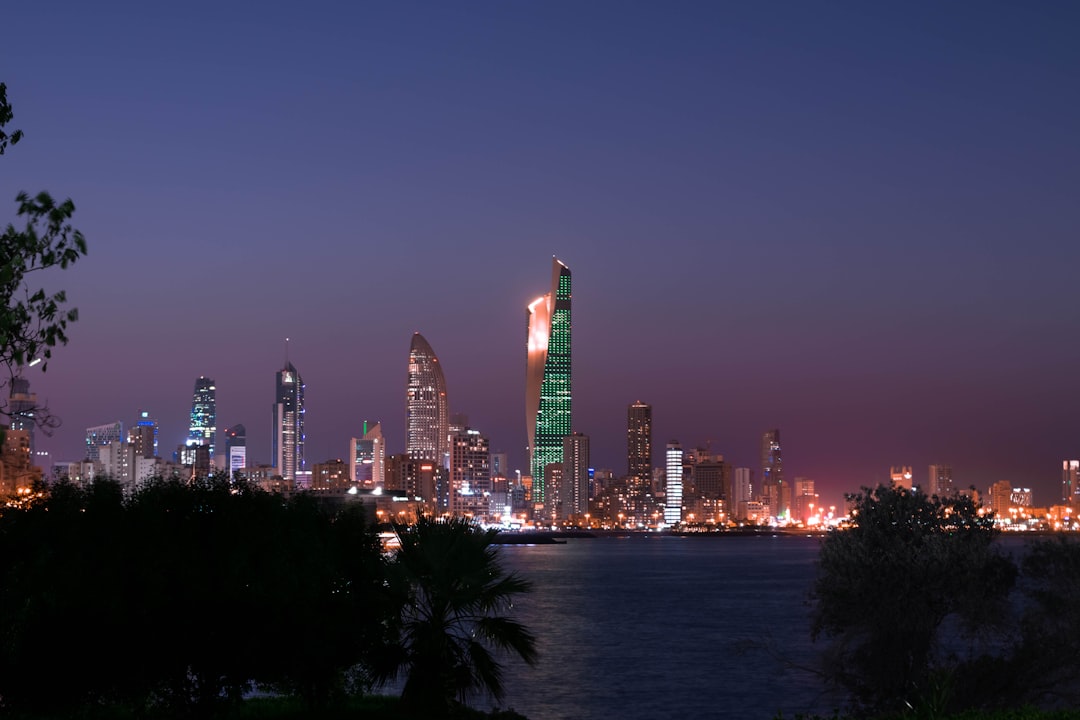
Compare hotels in Kuwait
Hotels, hostels, and short-term rentals across the country's main nightlife cities.
Legal Framework
Adult entertainment and prostitution are illegal in Kuwait under the Penal Code (Law No. 16 of 1960) and subsequent amendments. Penalties include imprisonment, fines, and deportation. The law applies to all persons within Kuwait's borders.
Information verified through local contacts as of March 2026.
Kuwait is one of the few countries in the world that is completely dry. The sale, purchase, importation, and consumption of alcohol are all illegal. There are no licensed bars, no hotel exceptions, and no duty-free alcohol allowances. This makes Kuwait fundamentally different from neighboring Gulf states like the UAE, Qatar, and Bahrain, where alcohol is available in licensed hotel venues.
Enforcement Reality
Kuwait enforces its alcohol ban strictly. Police conduct regular inspections, and customs authorities screen luggage for prohibited items. Possession of alcohol carries penalties of up to one year in prison and fines. Repeat offenses bring heavier sentences.
Laws against adult entertainment are similarly enforced. Undercover operations target both in-person solicitation and online platforms. Deportation follows conviction for foreign nationals, often preceded by a prison sentence.
Kuwait's security apparatus is well-developed. CCTV coverage is extensive in commercial areas, and digital communications are monitored. Social media posts that violate public morality laws can result in prosecution even after you've left the country.
Cultural Context
Kuwait is a constitutional monarchy governed under a mix of civil law and Sharia. Kuwaiti society is conservative, though it maintains a more active political discourse than most Gulf states. The National Assembly (parliament) gives elected representatives real legislative power, and public debate on social issues is more open than in some neighboring countries.
That said, public behavior follows traditional Islamic norms. Modest dress is expected in public spaces. Shorts above the knee and sleeveless tops draw disapproving looks and potentially official attention, particularly for men. Women face fewer dress restrictions than in Saudi Arabia but should cover shoulders and knees in public.
The population is roughly 70% expatriate, with large communities from South Asia, Southeast Asia, Egypt, and the Levant. Social life for most expats revolves around private gatherings, shopping malls, and cafes. Without alcohol, the social dynamic differs sharply from other Gulf capitals.
During Ramadan, all eating, drinking, and smoking in public during daylight hours is prohibited. Cafes close during the day but come alive after iftar (the evening meal breaking the fast).
Dating Culture
Dating in Kuwait is restricted by law and custom. Unmarried cohabitation is illegal. Public displays of affection can lead to complaints and police involvement. Even sitting together in a cafe as an unmarried mixed-gender pair can draw attention in more conservative neighborhoods, though this is less of an issue in modern commercial areas and malls.
Kuwaiti nationals rarely date foreigners openly. The expatriate community socializes in private, at malls, and through community groups. Social gatherings happen in people's homes rather than public venues.
Gender segregation is less formal than in Saudi Arabia but still influences daily life. Some restaurants have family sections separate from singles sections. Government offices and some public spaces maintain gender-separated lines.
Dating Apps
Tinder and Bumble have a presence in Kuwait, used primarily by the expatriate community. The user base is small. Many profiles are cautious, with limited photos and vague descriptions reflecting the conservative environment.
Any form of paid companionship is illegal. Exercise extreme caution with any interactions that cross professional boundaries.
Key Cities
Kuwait City is the country's only significant destination for evening entertainment. The city's cafe culture, shisha lounges, and mall-based entertainment centers are concentrated in areas like Salmiya, the Avenues Mall complex, and the waterfront corniche. Don't come expecting a conventional nightlife scene; it doesn't exist here.
Safety Considerations
Kuwait is generally safe for visitors. Violent crime rates are low, and street crime targeting tourists is uncommon. The primary risks are legal and cultural:
- Alcohol possession or consumption is a criminal offense. There are no exceptions for tourists or hotel guests
- Drug offenses carry severe penalties, including long prison sentences
- Public intoxication is impossible to explain legally since alcohol itself is banned
- Photographing government buildings, military installations, or people without consent can lead to arrest
- Disrespecting Islam or Kuwait's Emir is a criminal offense
- Blasphemy laws are enforced and carry prison sentences
Common Scams
Overpriced goods. Some shops in tourist areas inflate prices for visitors. Compare prices and shop at established retailers.
Fake electronics. Counterfeit phones and electronics are sold in some markets. Buy from authorized dealers.
Taxi meters. Insist on the meter or agree on a price before getting in. Uber operates in Kuwait and provides transparent pricing.
What Not to Do
- Do not bring alcohol into Kuwait. Not even in your luggage, not even from duty-free
- Do not consume or possess alcohol in any form. There are no legal exceptions
- Do not carry any controlled substances, including some prescription medications legal elsewhere
- Do not photograph people without consent, especially women
- Do not engage in public displays of affection
- Do not criticize Islam, the Emir, or Kuwait's government
- Do not eat, drink, or smoke in public during Ramadan daylight hours
- Do not wear revealing clothing in public spaces
- Do not assume that rules are flexible because you're a tourist. They aren't
Sources
- U.S. Department of State: Kuwait Travel Advisory - Entry requirements, safety alerts, and local law summary
- UK Foreign, Commonwealth & Development Office: Kuwait Travel Advice - Safety, health, and legal information for travelers
- Australian Government Smartraveller: Kuwait - Travel advisory and practical information
Get the Legal Status PDF, 50 countries
Newsletter signup coming soon. Check back shortly.
Emergency Information: Kuwait
- Emergency:
- 112
- Embassy Note:
- Most embassies are located in Kuwait City's diplomatic area in Daiya and surrounding neighborhoods.
Also Worth Considering
Bahrain
Guide to adult nightlife in Bahrain covering Manama's hotel bars, Juffair district, legal context, costs, and practical tips for visitors.
Israel
Guide to adult nightlife in Israel covering Tel Aviv's bar districts, legal context, costs, safety warnings about the ongoing conflict, and practical tips.
Jordan
Jordan's nightlife revolves around Amman's hotel bars and upscale lounges in a conservative society where alcohol is legal but adult entertainment is not. A guide to the legal scene, safety, and cultural expectations.
Lebanon
Beirut's legendary nightlife scene operates in the shadow of ongoing regional instability. A city once called the Paris of the Middle East still draws visitors, but security conditions demand serious caution.
Similar Countries in Other Regions
Countries with a similar overall score to Kuwait (1.9) but in different parts of the world.
Maldives
1.9South Asia
Nightlife guide to the Maldives, covering Islamic law restrictions, resort-only alcohol access, safety, and what visitors should know about entertainment options.
Barbados
2.4Caribbean
Barbados nightlife centers on the south coast's Saint Lawrence Gap, a short strip of bars and clubs catering to tourists and locals alike. Expect high prices, a safe atmosphere by Caribbean standards, and a small but consistent scene shaped by rum culture and soca music.
Bermuda
2.4North Atlantic
A guide to nightlife in Bermuda, covering Hamilton's bar scene, local laws, safety, costs, and cultural norms on this mid-Atlantic island territory.
Was this guide helpful?