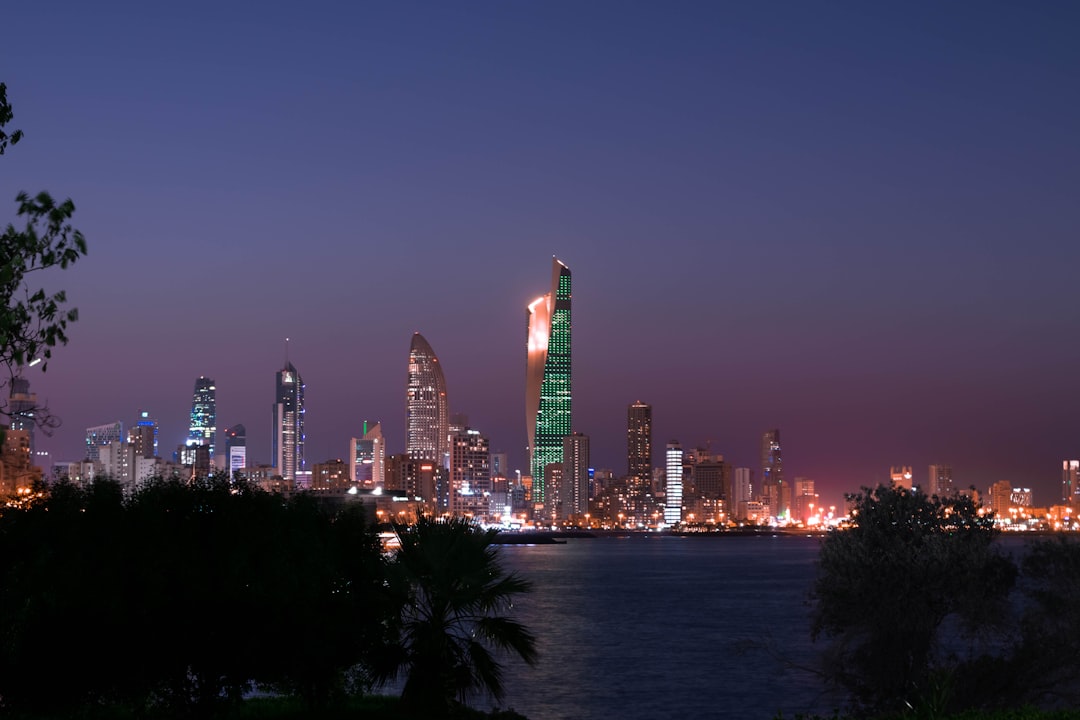
Where the Nightlife Is
Tap a district for venues, prices, and safety info
The Avenues
4/5SafeDistrict guide to The Avenues mall entertainment complex in Kuwait City, covering cafes, lounges, dining, and entertainment in the country's largest shopping destination.
5 nightlife spots listed
Salmiya
4/5SafeDistrict guide to Salmiya's cafe and shisha scene in Kuwait City, covering the main strip, waterfront cafes, and the closest thing Kuwait has to a going-out district.
5 nightlife spots listed
District Map of Kuwait City
Pick a district to recenter the map and see hotels nearby.
Where to stay in Kuwait City
Compare hotels and rentals across the city's nightlife districts.
See places to stay and current pricesOverview
Kuwait City is the capital and dominant urban center of a country that takes a different approach to nightlife than any of its Gulf neighbors. There are no bars. There are no clubs in the conventional sense. Alcohol is completely illegal. If you're looking for a night out with drinks and dancing, Kuwait is not the destination.
We spent 3 days in Kuwait City researching this guide.
What Kuwait City does offer is a developed cafe and shisha culture, massive shopping complexes that stay open past midnight, waterfront promenades, and a social scene that operates entirely without alcohol. For travelers who don't drink or who want to experience Gulf culture without the Western nightlife overlay found in Dubai or Doha, Kuwait has its own rhythm.
Legal Context
Kuwait's alcohol ban is total and non-negotiable. Unlike Qatar, Bahrain, or the UAE, there are no hotel exemptions, no licensed venues, and no personal import permits. Possession of alcohol in any form is a criminal offense carrying up to one year in prison.
Adult entertainment is illegal under Kuwaiti law. Penalties include imprisonment, fines, and deportation. Enforcement is consistent, and police conduct operations targeting both solicitation and online activity.
Cafes and restaurants close at various times depending on the area. Most shisha lounges stay open until midnight or 1:00 AM. Malls close between 10:00 PM and midnight depending on the day.
Key Areas
The Avenues. Kuwait's flagship shopping and entertainment complex is one of the largest malls in the Middle East. With over 1,100 stores, dozens of restaurants, an ice rink, a bowling alley, and multiple cinema complexes, it functions as Kuwait City's de facto entertainment district. Open until midnight most nights, later on weekends.
Salmiya. This coastal neighborhood is Kuwait City's most cosmopolitan area. Salem Al Mubarak Street and the surrounding blocks are lined with cafes, shisha lounges, and restaurants that draw a younger, more diverse crowd than other parts of the city. It's the closest thing Kuwait has to a "going out" district.
The Corniche (Arabian Gulf Road). The waterfront road from Kuwait Towers south to Salmiya is lined with parks, walkways, and cafes. Evening strolls along the corniche are a local tradition, and several standalone cafes and restaurants along the route stay open late.
Souq Mubarakiya. Kuwait's historic market is lively in the evenings with traditional food stalls, spice vendors, and tea shops. It's not nightlife in any conventional sense, but it's a genuine cultural experience and stays busy until 10 PM or later.
Safety
Kuwait City is safe for visitors. Violent crime is rare, and street crime targeting tourists is uncommon. Specific considerations:
- No alcohol-related incidents to worry about, since there's no legal alcohol. But if you've somehow obtained alcohol illegally, you face arrest
- Traffic is the single biggest physical safety risk. Kuwait has one of the highest traffic fatality rates in the Gulf. Use ride-hailing apps rather than driving yourself, especially at night
- Petty theft is uncommon but occurs in crowded markets and malls. Keep valuables secure
- Sandstorms can reduce visibility to near zero. They're seasonal (mostly March to August) and can strand you outdoors. Check weather reports
- Save 112 (general emergency) in your phone
Cultural Norms
Kuwait is more conservative in daily life than Dubai or Doha:
- Dress modestly at all times in public. Shorts above the knee and sleeveless tops on men draw negative attention
- Gender mixing in public is normal in malls and modern cafes, but some traditional restaurants and government offices maintain separate sections
- Shisha smoking is a major social activity. It's normal to spend two to three hours at a shisha lounge. Rushing is considered rude
- Kuwaiti hospitality is genuine. If invited to tea or coffee by a local, it's polite to accept. Declining repeatedly is mildly offensive
- Photography etiquette is strict. Never photograph people, especially women, without explicit consent
- Friday is the holy day. Many businesses close Friday morning and open in the afternoon
Getting Around
- Uber/Careem: Both operate in Kuwait City and are the easiest way to get around at night
- Kuwait Public Transport (KPTC) Buses: Functional but limited evening service. Not practical for nighttime use
- Taxis: Available but not always metered. Agree on a price before getting in, or use a ride-hailing app
- Driving: Rental cars are available and roads are good, but Kuwait's driving culture is aggressive. Speeding and lane-cutting are common
- Walking: Practical within Salmiya's cafe district and inside mall complexes. Impractical between neighborhoods due to heat and urban planning that favors cars
What Not to Do
- Do not bring alcohol into Kuwait or attempt to purchase it. There are no exceptions
- Do not possess or consume any controlled substances
- Do not wear revealing clothing in public
- Do not eat, drink, or smoke in public during Ramadan daylight hours
- Do not photograph people without consent
- Do not criticize Islam, the Emir, or Kuwait's government
- Do not engage in public displays of affection
- Do not expect conventional nightlife. Adjust your expectations before arriving
Get the Legal Status PDF, 50 countries
Newsletter signup coming soon. Check back shortly.
Flights to Kuwait City
Compare prices across airlines. Filter by stops, time, and cabin.
Airport transfer to Kuwait City
Pre-booked transfers cost about the same as a metered taxi but cut out the airport queue, the meter argument, and the "no English" routine that takes some drivers to the wrong address. Fixed price quoted before booking, driver tracks your flight, waits with a name sign at arrivals.
Book a KiwiTaxi transferFrequently Asked Questions
Related Guides
The Avenues
District guide to The Avenues mall entertainment complex in Kuwait City, covering cafes, lounges, dining, and entertainment in the country's largest shopping destination.
Read guideSalmiya
District guide to Salmiya's cafe and shisha scene in Kuwait City, covering the main strip, waterfront cafes, and the closest thing Kuwait has to a going-out district.
Read guideWas this guide helpful?