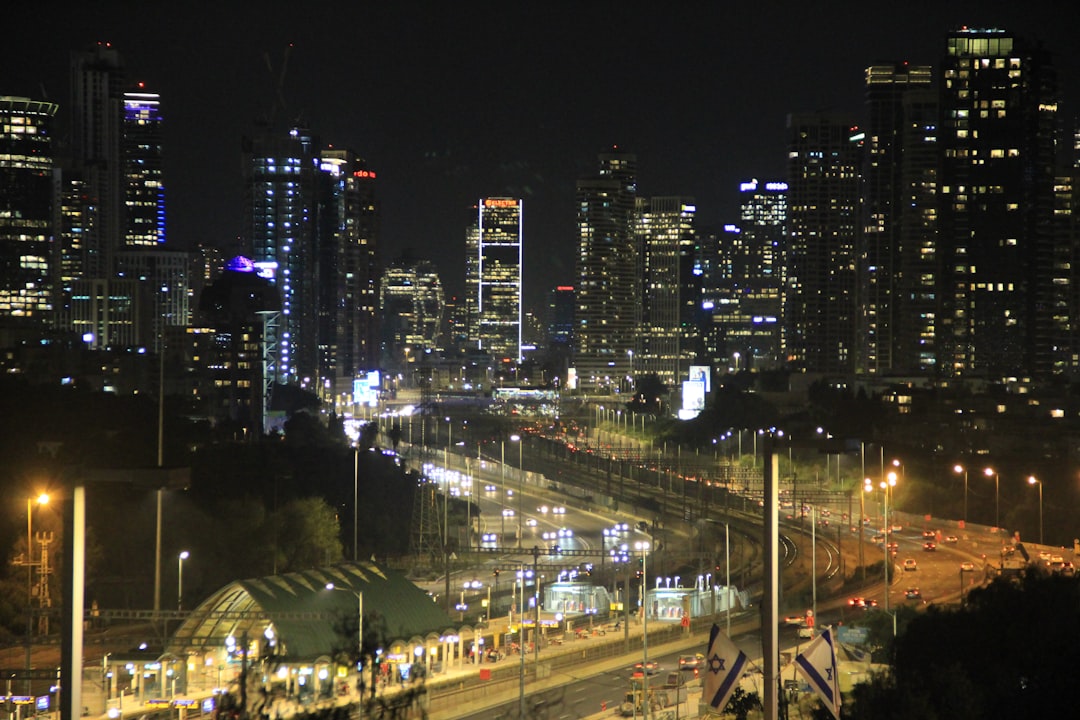


Before You Travel to Israel
Five things every smart traveler sorts before booking.
- 1
Passport valid 6+ months from entry date
Most countries refuse entry on passports expiring within six months. Renew now if you're close.
- 2
Visa requirements for Israel
Some are visa-free, some require an e-visa filed days ahead, some need an embassy appointment.
- 3
Travel insurance booked
A hospital visit in Israel can run $4,000-15,000 without cover. Credit card insurance usually excludes alcohol-related incidents.
- 4
eSIM data plan ready before landing
Airport SIM kiosks need your passport and overcharge tourists. Install an eSIM in 60 seconds, online before you fly.
- 5
Accommodation reserved in the right district
The wrong neighborhood means a 45-minute taxi every night. Map the venues first, then book.
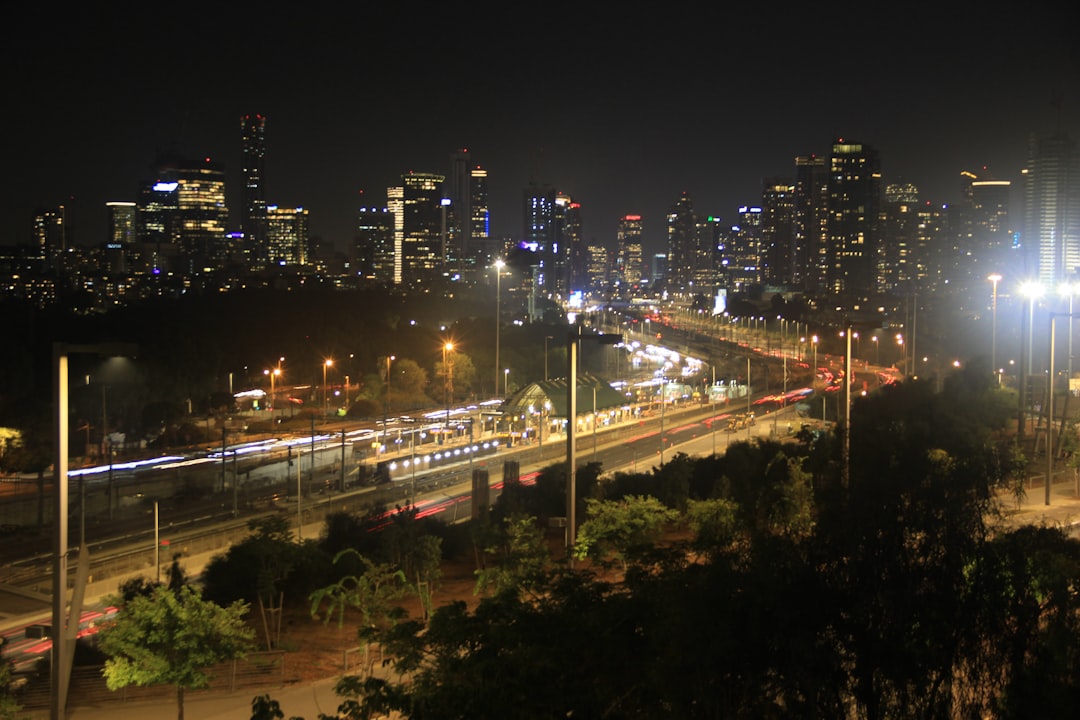
Compare hotels in Israel
Hotels, hostels, and short-term rentals across the country's main nightlife cities.
Legal Framework
Prostitution itself is not criminalized in Israel. Selling sex is legal, but buying sex was criminalized in 2020 under the Prohibition of Consumption of Prostitution Law. This law penalizes clients with fines starting at 2,000 ILS (approximately 550 USD) for a first offense. The law also criminalizes advertising sexual services and operating brothels.
Based on on-the-ground reporting from March 2026.
The legislation was modeled on the Nordic model (also used in Sweden and France), which aims to reduce demand by penalizing buyers while treating sex workers as victims rather than criminals. In practice, the law's enforcement has been uneven. Resources for enforcement are limited, and prosecution rates remain low relative to the scale of the industry.
Strip clubs, massage parlors offering sexual services, and escort operations continue to operate in various forms. The legal framework creates a gray area where the industry persists despite the buyer-facing criminalization.
Enforcement Reality
CRITICAL SECURITY WARNING: Israel is currently in an active conflict zone. Military operations, rocket attacks, and security incidents are ongoing. Before planning any travel to Israel, check your government's travel advisory. Many governments advise against all but essential travel to parts of Israel and against all travel to areas near the Gaza border, the West Bank, and southern Lebanon border areas.
Enforcement of the 2020 prostitution law has been limited. Police have conducted some stings targeting buyers, but these operations are sporadic rather than systematic. The police focus primarily on trafficking, exploitation, and organized crime networks controlling segments of the industry.
Tel Aviv, where most of the nightlife scene concentrates, has a pragmatic enforcement culture. Police presence in nightlife districts targets public disorder, drug offenses, and violence rather than consensual adult activity behind closed doors. Bar and club operations face regulation through licensing and noise ordinances rather than morality enforcement.
The security situation has redirected law enforcement resources away from vice enforcement. Police and military focus on security threats, and the nightlife industry operates with less regulatory attention than it would during peacetime.
Cultural Context
Israel's cultural landscape is complex and contradictory. It's a technologically advanced, socially liberal democracy with a significant religious conservative population. Tel Aviv represents one extreme: openly progressive, LGBTQ-friendly, and secular, with a nightlife culture that rivals European capitals. Jerusalem represents another extreme entirely, with religious conservatism and modest cultural expectations.
Military service is mandatory for most Israelis (three years for men, two for women), and the shared experience shapes social dynamics. Israelis are famously direct in communication, which extends to dating and nightlife interactions. What feels rude by American or European standards is simply normal Israeli directness.
The concept of "balagan" (beautiful chaos) describes much of Israeli social life. Plans are fluid, schedules are suggestions, and spontaneity is valued over structure. Nightlife starts late and runs later. Don't expect anything to happen before 11 PM.
Venue Types
Israel's nightlife scene is concentrated almost entirely in Tel Aviv. The types of venues include:
- Bars and pubs: From dive bars to craft cocktail spots, Tel Aviv has hundreds lining the streets of Florentin, Rothschild Boulevard, and the port area
- Nightclubs: Large-scale dance clubs with international DJ bookings, particularly along the beach and in industrial areas south of the city center
- Rooftop bars: Hotel rooftops and purpose-built terraces overlooking the Mediterranean
- Beach bars: Seasonal and year-round spots along the Tel Aviv coastline
- Live music venues: Rock, jazz, and electronic music in intimate settings
Costs
Israel is expensive. A beer at a Tel Aviv bar costs 30-45 ILS (8-12 USD). Cocktails run 50-75 ILS (14-21 USD). Club cover charges range from 50-150 ILS (14-42 USD) on weekends, often including one drink. A bottle of mid-range vodka at a club costs 600-1,000 ILS (165-275 USD).
Dining before going out adds 100-200 ILS (28-55 USD) per person at a decent restaurant. Taxis within Tel Aviv cost 30-80 ILS (8-22 USD). A full night out including dinner, drinks at two venues, and transport runs 300-500 ILS (83-138 USD) easily.
Hotels in Tel Aviv are expensive by regional standards. Budget options start around 350 ILS (97 USD) per night. Mid-range hotels in nightlife-adjacent areas run 600-1,200 ILS (165-330 USD).
Dating Culture
Israeli dating culture is shaped by two forces: mandatory military service and the country's direct communication style. Most Israelis enter the dating scene at 21 after army service, more mature and worldly than typical Western 21-year-olds. The shared military experience creates instant common ground in social situations.
Directness defines Israeli romantic interaction. If someone isn't interested, they'll tell you plainly. If they are, they'll also make it clear. Games and ambiguity aren't part of the culture. This can be refreshing or jarring depending on what you're used to.
Family pressure to settle down is real, particularly among more traditional communities. But in Tel Aviv's secular bubble, casual dating is normalized and accepted. The city's young professional class dates actively, and foreign visitors aren't unusual in the dating pool.
Foreign men receive mixed reactions. Israelis are curious about outsiders but also skeptical. The country's security situation breeds a watchfulness that can read as coldness initially. Genuine conversation and humor break through the surface faster than in most countries.
Dating Apps
Tinder is the dominant dating app in Israel, with high usage rates in Tel Aviv. Bumble has a growing presence. Israeli-developed apps like JSwipe target the Jewish dating market but are used by secular Israelis as well. OkCupid maintains a following among the more intellectual crowd.
Profile quality tends to be high. Israelis are comfortable with self-presentation and create profiles that are direct about intentions. Swiping culture is active; matches and conversations move quickly compared to slower-paced markets.
All international apps work without restriction. English-language profiles are common in Tel Aviv, less so in other cities.
Key Cities
Tel Aviv is the nightlife capital and the only city worth visiting for this purpose. The city packs an extraordinary density of bars and clubs into a compact area along the Mediterranean coast. Rothschild Boulevard and Florentin in the south have the trendiest bars. The Allenby Street corridor and HaYarkon Street area near the beach have a grittier, more eclectic scene. The port area (Namal) in the north has larger clubs and restaurants.
Other Israeli cities have minimal nightlife worth noting. Jerusalem has a small bar scene centered on Machane Yehuda market area, but it's modest and conservative. Haifa has a few university-area bars. Eilat has a tourist beach bar scene. None compare to Tel Aviv.
Safety Considerations
The overriding safety concern in Israel is the ongoing military conflict. This supersedes all nightlife-related safety advice. Rocket attacks can reach Tel Aviv, and security incidents can occur without warning. Every visitor should:
- Register with their embassy before traveling
- Download the Home Front Command app for real-time rocket alerts
- Know the location of the nearest bomb shelter (miklat) at all times
- Follow Israeli military (IDF) guidance immediately during alerts
- Avoid areas near Gaza, the West Bank, and the northern border
For nightlife-specific safety:
- Tel Aviv is generally safe for nightlife in terms of crime. Petty theft exists but violent crime against tourists is rare
- Drink prices are transparent at reputable venues
- Drug use in the club scene carries real legal consequences. Police conduct operations at major clubs
- Political arguments can escalate quickly. Avoid discussing the conflict in bars
- Security checks at club entrances (bag searches, metal detectors) are standard and serious. Cooperate fully
- Keep your phone charged and with you. Rocket alert apps only work if your phone is on
Common Scams
Overcharging at beach bars: Some beachfront venues don't display prices and charge tourists premium rates. Always ask for a menu with prices before ordering.
Fake taxi meters: Some taxi drivers quote inflated flat rates or claim their meter is broken. Insist on the meter or use Gett (Israel's ride-hailing app) or Uber.
Currency confusion: New arrivals sometimes confuse denominations of Israeli shekels. Familiarize yourself with the bills before paying in cash at bars.
Israel has relatively few nightlife-specific scams compared to other countries in the region. The direct culture extends to business interactions, and blatant overcharging is less common than in some neighboring countries.
What Not to Do
- Do not ignore rocket alert sirens. Move to the nearest shelter immediately. You have 90 seconds in Tel Aviv
- Do not travel to areas near active conflict zones for any reason
- Do not discuss the Israeli-Palestinian conflict in nightlife settings unless you're prepared for intense reactions
- Do not take photos of military installations, checkpoints, or security personnel
- Do not carry drugs. Israeli drug laws are strict and enforced, particularly at clubs
- Do not try to bargain in bars or clubs. Prices are fixed
- Do not drive after drinking. Israel has strict DUI enforcement with a 0.05% BAC limit
- Do not leave bags unattended. Unattended items trigger security responses
- Do not visit on Shabbat (Friday evening to Saturday evening) expecting full nightlife. Many venues close, though Tel Aviv is the most secular city and maintains some options
Sources
- U.S. Department of State: Israel Travel Advisory - Entry requirements, safety alerts, and local law summary
- UK Foreign, Commonwealth & Development Office: Israel Travel Advice - Safety, health, and legal information for travelers
- Australian Government Smartraveller: Israel - Travel advisory and practical information
Get the Legal Status PDF, 50 countries
Newsletter signup coming soon. Check back shortly.
Emergency Information: Israel
- Emergency:
- 100
- Embassy Note:
- Most embassies are in Tel Aviv. Some countries maintain consulates in Jerusalem and Haifa.
Related Destinations
Bahrain
Guide to adult nightlife in Bahrain covering Manama's hotel bars, Juffair district, legal context, costs, and practical tips for visitors.
Jordan
Jordan's nightlife revolves around Amman's hotel bars and upscale lounges in a conservative society where alcohol is legal but adult entertainment is not. A guide to the legal scene, safety, and cultural expectations.
Kuwait
Kuwait is a completely dry country with no legal alcohol. Nightlife revolves around cafes, shisha lounges, and entertainment venues. A guide to what's available, cultural norms, and what to avoid.
Lebanon
Beirut's legendary nightlife scene operates in the shadow of ongoing regional instability. A city once called the Paris of the Middle East still draws visitors, but security conditions demand serious caution.
Similar Countries in Other Regions
Countries with a similar overall score to Israel (3.1) but in different parts of the world.
Belize
3.1Central America
Belize's nightlife revolves around beach bars and island venues, with San Pedro on Ambergris Caye leading the scene. Expect a laid-back Caribbean atmosphere, moderate prices, and a small but friendly bar scene.
Malta
3.1Mediterranean
Malta's nightlife centers on Paceville in St. Julian's, a compact party district packed with bars, clubs, and late-night venues serving tourists and locals on a Mediterranean island.
Morocco
3.1North Africa
Marrakech and Casablanca offer a nightlife scene hidden beneath conservative Islamic culture. Alcohol flows in hotel bars and upscale clubs, but discretion is everything.
Was this guide helpful?