Before You Travel to Morocco
Five things every smart traveler sorts before booking.
- 1
Passport valid 6+ months from entry date
Most countries refuse entry on passports expiring within six months. Renew now if you're close.
- 2
Visa requirements for Morocco
Some are visa-free, some require an e-visa filed days ahead, some need an embassy appointment.
- 3
Travel insurance booked
A hospital visit in Morocco can run $4,000-15,000 without cover. Credit card insurance usually excludes alcohol-related incidents.
- 4
eSIM data plan ready before landing
Airport SIM kiosks need your passport and overcharge tourists. Install an eSIM in 60 seconds, online before you fly.
- 5
Accommodation reserved in the right district
The wrong neighborhood means a 45-minute taxi every night. Map the venues first, then book.
City Guides in Morocco
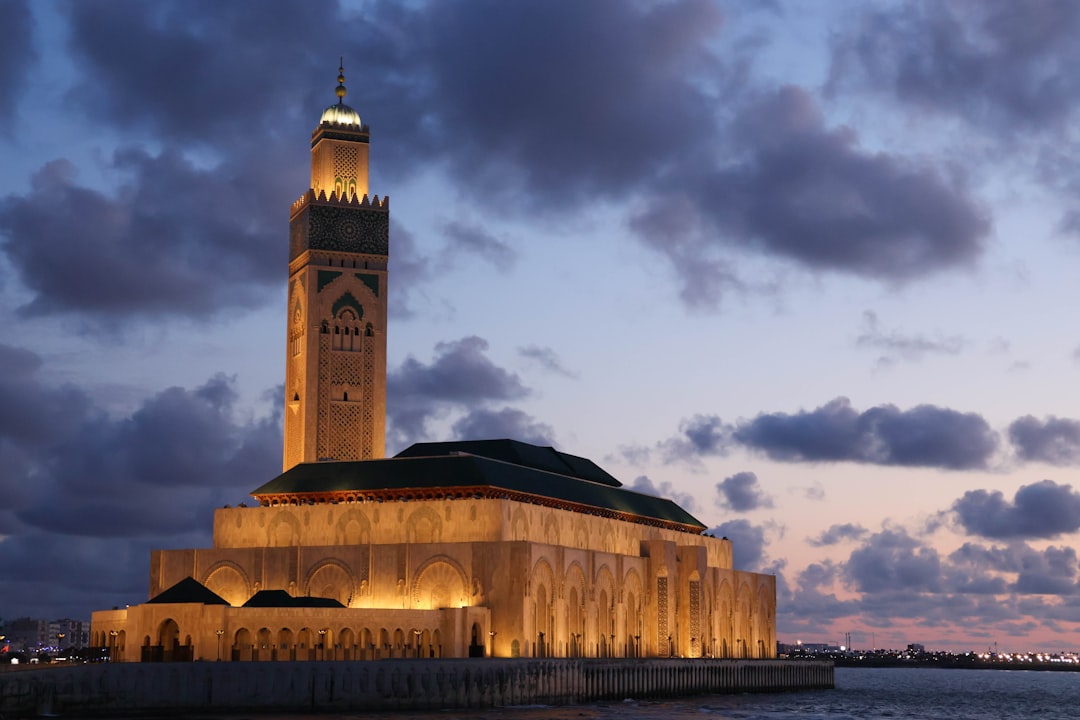
Casablanca
City guide to adult nightlife in Casablanca, covering the Ain Diab corniche, safety tips, cultural context, and practical information.
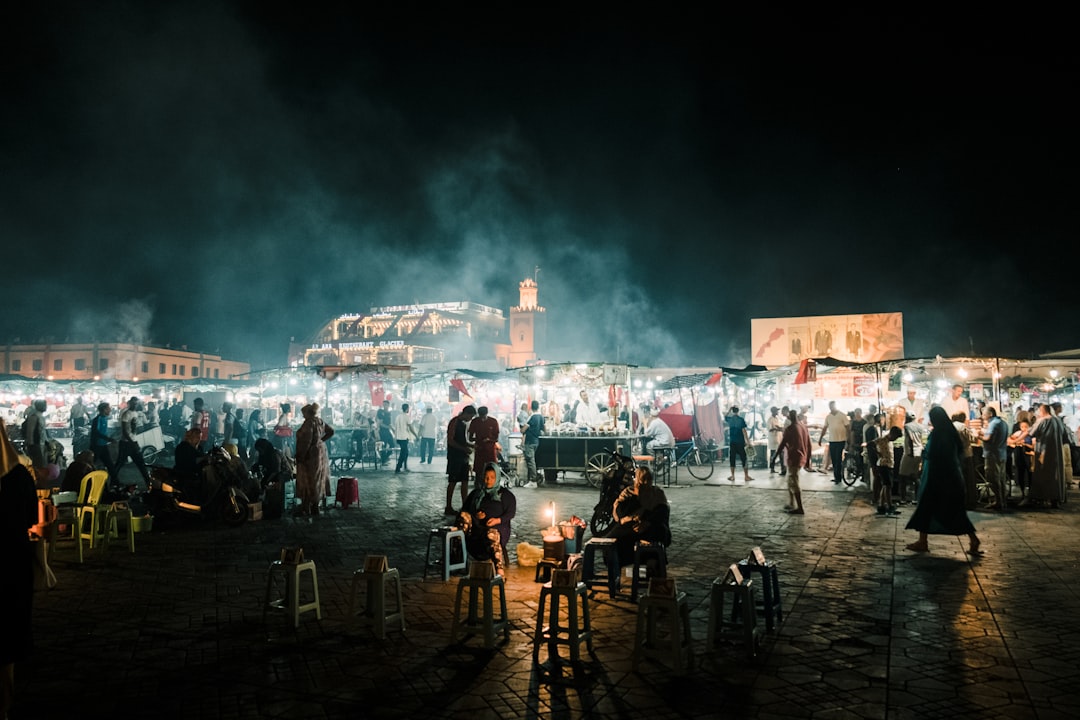
Marrakech
City guide to adult nightlife in Marrakech, covering Gueliz and Hivernage districts, safety warnings, cultural norms, and practical tips.
Compare hotels in Morocco
Hotels, hostels, and short-term rentals across the country's main nightlife cities.
Legal Framework
Prostitution is illegal in Morocco under Article 490 of the Penal Code. The law criminalizes both the sale and purchase of sexual services, with penalties of one month to one year in prison. Extramarital sex itself is a criminal offense under the same statute, which means any sexual encounter outside marriage technically violates Moroccan law, regardless of whether money changes hands.
This guide reflects conditions observed during our March 2026 visit.
Operating a brothel or facilitating prostitution carries heavier penalties of two to ten years' imprisonment. Trafficking and exploitation of minors are treated with particular severity, with sentences reaching up to 30 years.
Alcohol is legal for non-Muslims. Licensed hotels, restaurants, and bars can serve alcohol to foreign tourists and non-Muslim Moroccans. Some neighborhoods in major cities have dedicated liquor stores. But public intoxication is an offense, and drinking during Ramadan in public spaces draws police attention.
Enforcement Reality
The gap between law and practice is enormous. Morocco has a visible and well-known adult entertainment scene operating in plain sight, particularly in Marrakech, Casablanca, Agadir, and Tangier. High-end hotel bars and nightclubs serve as meeting points. Escort services operate through social media and word of mouth. Authorities generally look the other way unless a public complaint forces action.
Police priorities focus on drug trafficking, organized crime, and public order rather than consensual adult encounters conducted discreetly in private settings. That said, periodic crackdowns happen. These tend to target street-level activity and lower-end establishments rather than upscale hotel bars.
Foreign tourists receive more leniency than locals in practice, but this is not a legal protection. A Moroccan citizen involved in an encounter with a foreigner faces harsher social and legal consequences. This power imbalance matters and should inform your behavior.
Cultural Context
Morocco is a Muslim-majority country where religion shapes daily life, social expectations, and the legal system. Friday prayers empty the streets. Ramadan transforms the rhythm of entire cities. The call to prayer sounds five times daily from mosques in every neighborhood.
Sexual conservatism runs deep. Public displays of affection between unmarried couples draw stares and potential police attention. Same-sex relations are criminalized under Article 489, with penalties of six months to three years. These laws are enforced, particularly against Moroccan citizens.
The contradiction is visible. Marrakech's luxury hotels host DJ-driven pool parties where alcohol flows and Western dress codes apply. Step outside the hotel gates and you're in a country where holding hands with someone you're not married to can technically land you in a police station.
Tourism is a pillar of Morocco's economy. The government wants foreign visitors, their spending, and the jobs that come with it. This creates an implicit tolerance for behaviors that would be prosecuted if a Moroccan citizen engaged in them on the street.
Dating Culture
Moroccan dating culture operates on two tracks. The public, traditional track involves family introductions, chaperoned meetings, and eventual marriage. The private, modern track exists in cities among younger, educated Moroccans who date more freely but keep it discreet.
Gender dynamics lean traditional. Men approach. Men pay. The expectation is clear and consistent across social classes. Women who date openly risk social judgment, which means relationships develop behind closed doors.
Foreign men attract attention. Some of it is genuine curiosity. Some of it is financial. Morocco's economic reality means that relationships between foreign men and local women often carry an economic dimension, whether stated or not. The average monthly salary in Morocco hovers around 5,000 MAD (approximately 460 EUR / 500 USD), which contextualizes the economic gap.
Age gaps are less scrutinized than in Western Europe, but a 50-year-old man with a 20-year-old woman in Marrakech's Jemaa el-Fnaa square still attracts knowing glances from locals. Discretion matters.
French is the language of business and educated social life. Arabic (Darija) is the everyday language. English works in tourist hotels but breaks down quickly outside them. Speaking French opens doors that English leaves closed.
Dating Apps
Tinder has the largest user base in Morocco's cities. Badoo is popular across a wider demographic. Muzz (formerly MuzMatch) caters to Muslims seeking marriage-track relationships and has significant usage.
Many Moroccan women keep their profiles minimal or don't show their face in photos due to social stigma around dating apps. This isn't necessarily a red flag; it reflects cultural reality.
Scam profiles exist on all platforms. Requests for money, elaborate stories about financial emergencies, and profiles that quickly suggest meeting at a specific venue are warning signs. Video call before meeting. Meet in a public place. Tell someone where you're going.
Same-sex features on apps carry real risk in Morocco. The Article 489 criminal prohibition is enforced. Caution is warranted.
Key Cities
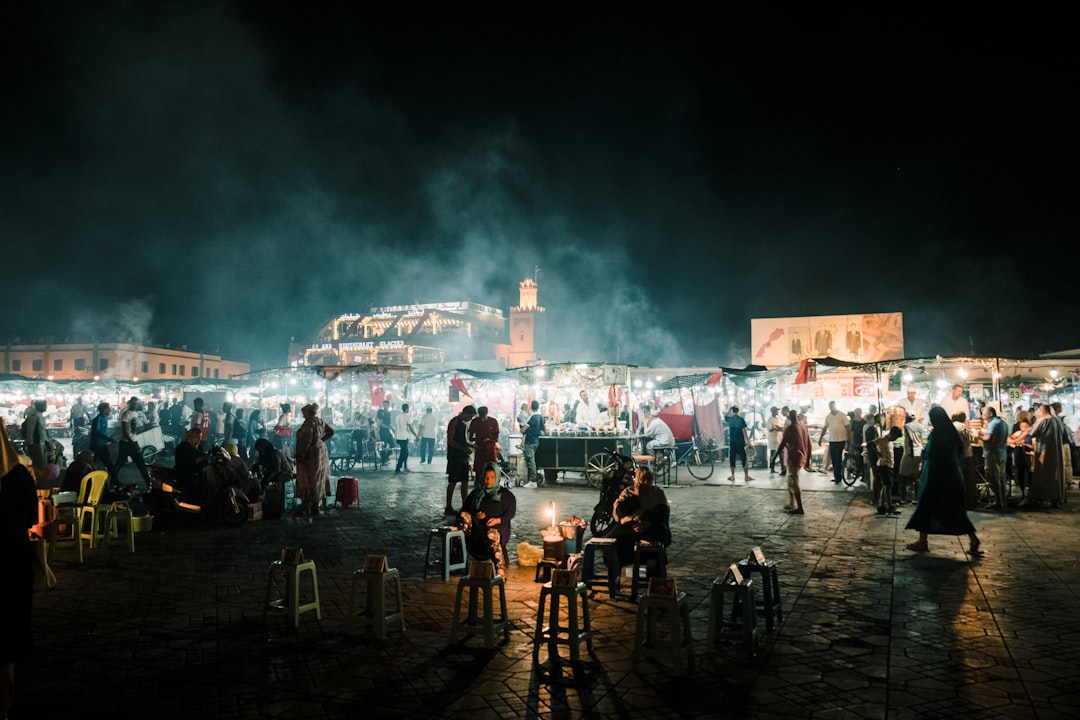
Marrakech draws the most nightlife-oriented tourism. The Gueliz district has modern bars and clubs, while the Hivernage neighborhood concentrates upscale hotel lounges and nightclubs. The medina stays traditional, but Jemaa el-Fnaa transforms nightly into an open-air spectacle of food stalls, musicians, and street performers.
Casablanca is Morocco's economic capital with a more cosmopolitan feel. The Ain Diab corniche along the Atlantic coast concentrates the city's beach clubs, nightclubs, and upscale restaurants. Boulevard de la Corniche is the main nightlife strip.
Agadir is a beach resort city popular with European package tourists. Its nightlife caters to this crowd, with hotel bars and clubs along the beachfront.
Tangier sits at the northern tip of Africa, 14 kilometers from Spain across the Strait of Gibraltar. Its location has historically made it a crossroads city with a relatively liberal character.
Safety Considerations
Morocco is safer than many travelers expect, but nightlife requires specific precautions:
- Petty theft and pickpocketing are common in medinas and tourist areas, especially after dark
- Do not carry large amounts of cash. Keep your phone secure. Use a money belt or front pocket
- Unofficial guides ("faux guides") approach tourists constantly, especially in Marrakech and Fez. A firm "la, shukran" (no, thank you) works better than ignoring them
- Cannabis (kif) is widely available but illegal. Police use drug possession to shake down tourists. Don't buy from strangers who approach you
- Save the emergency number (19 for police, 15 for ambulance) in your phone
- Avoid walking alone in the medina after midnight. Stick to well-lit streets in the ville nouvelle
- Travel insurance with medical coverage is strongly recommended. Morocco's private clinics are decent, but public hospitals vary widely in quality
Common Scams
The "my shop is just here" scam. In Marrakech and Fez, a friendly local offers directions, then leads you through a maze of alleys to a shop where you face aggressive sales pressure. Alternatively, the "guide" demands payment for the assistance you didn't ask for. Decline firmly and walk away.
Taxi overcharging. Petit taxis in Moroccan cities have meters. Many drivers refuse to use them with tourists. Agree on a price before getting in, or insist on the meter. A ride within central Marrakech should cost 15-30 MAD (1.40-2.75 EUR / 1.50-3 USD).
Restaurant bill inflation. Some tourist-area restaurants present inflated bills, add items you didn't order, or serve food without stating prices. Always ask for a menu with prices. Review the bill carefully.
Drug setup scam. Someone offers you drugs, then an "undercover police officer" appears and demands a fine. Both individuals are working together. Don't accept substances from strangers.
Romance scams. Individuals who target tourists in nightlife areas may be working with accomplices. The pattern involves gaining trust, moving to a private location, and then robbery. Meet new people in public spaces and don't share your accommodation address until you've established genuine trust over multiple meetings.
What Not to Do
- Do not publicly disrespect Islam, the King, or Morocco's territorial integrity (especially regarding Western Sahara). These are criminal offenses
- Do not display excessive public affection with someone you're not married to
- Do not photograph people without permission, especially women
- Do not carry or use drugs. The penalties are real and the prison conditions are harsh
- Do not walk through the medina at night without knowing your route
- Do not assume that hotel staff, drivers, or guides are being genuinely helpful when they recommend specific venues or shops. Commission structures drive most recommendations
- Do not drink alcohol in public spaces outside licensed establishments
- Do not engage with anyone who appears underage. Moroccan law and international law treat this with extreme severity
Sources
- U.S. Department of State: Morocco Travel Advisory - Entry requirements, safety alerts, and local law summary
- UK Foreign, Commonwealth & Development Office: Morocco Travel Advice - Safety, health, and legal information for travelers
- Australian Government Smartraveller: Morocco - Travel advisory and practical information
Get the Legal Status PDF, 50 countries
Newsletter signup coming soon. Check back shortly.
Emergency Information: Morocco
- Emergency:
- 19
- Tourist Police:
- Tourist Police (Brigade Touristique) operates in Marrakech, Casablanca, and major tourist cities
- Embassy Note:
- Most embassies are in Rabat. Consulates operate in Casablanca and sometimes Marrakech.
Nearby Alternatives
Similar Countries in Other Regions
Countries with a similar overall score to Morocco (3.1) but in different parts of the world.
Belize
3.1Central America
Belize's nightlife revolves around beach bars and island venues, with San Pedro on Ambergris Caye leading the scene. Expect a laid-back Caribbean atmosphere, moderate prices, and a small but friendly bar scene.
Israel
3.1Middle East
Guide to adult nightlife in Israel covering Tel Aviv's bar districts, legal context, costs, safety warnings about the ongoing conflict, and practical tips.
Malta
3.1Mediterranean
Malta's nightlife centers on Paceville in St. Julian's, a compact party district packed with bars, clubs, and late-night venues serving tourists and locals on a Mediterranean island.
Was this guide helpful?