
Neighborhoods to Explore
Explore each area for detailed nightlife guides
Galerias de Paris
4/5SafeDistrict guide to Galerias de Paris in Porto, the city's main nightlife street packed with bars, cocktail spots, and live music venues in the Clerigos neighborhood.
10 nightlife spots listed
Ribeira
4/5SafeDistrict guide to Ribeira in Porto, the UNESCO World Heritage waterfront along the Douro River known for port wine bars, riverside dining, and scenic nightlife.
10 nightlife spots listed
District Map of Porto
Pick a district to recenter the map and see hotels nearby.
Where to stay in Porto
Compare hotels and rentals across the city's nightlife districts.
See places to stay and current pricesOverview
Porto is Portugal's second city and it wears that status well. Unlike Lisbon, which has spent the last decade absorbing waves of digital nomads and mass tourism, Porto retains a rougher, more local character. The University of Porto enrolls over 30,000 students, and their presence keeps drink prices low and bars honest. You can have a full night out here for what a single round costs in Barcelona.
Prices and venue details confirmed through multiple visits.
The city's relationship with port wine defines much of its identity. Vila Nova de Gaia, the municipality directly across the Douro River, houses the cellars of every major port house. Tastings at Taylor's, Graham's, or Sandeman cost EUR 5-15. But Porto's nightlife goes well beyond wine culture. Galerias de Paris, a single street in the Clerigos neighborhood, concentrates dozens of bars into a few hundred meters. On weekends, the street fills with people, the music spills out of doorways, and the whole block becomes an open-air party that runs until 4 AM.
Don't expect Lisbon's scale. Porto's clubs are smaller, the scene more concentrated. That's part of the appeal. It's a city where you can walk between every major nightlife zone in 20 minutes.
Legal Context
Portugal decriminalized personal drug use in 2001, a policy that applies to all substances in quantities deemed for personal consumption. Possession of small amounts results in a referral to a "dissuasion commission" rather than criminal charges. Selling remains illegal and prosecuted.
Prostitution itself is legal in Portugal. Organized prostitution, including brothel-keeping and pimping, is illegal under Article 169 of the Penal Code. In practice, indoor sex work operates through classified ads and online platforms with limited police interference. Porto has less visible street-based sex work than Lisbon. The areas around Rua de Cedofeita and certain blocks near Sao Bento station see some activity after midnight, but the scale is minimal compared to other European cities.
Key Areas
Galerias de Paris. This is where Porto's nightlife lives. A short street running parallel to Rua de Clerigos, it's packed with bars of every variety: craft cocktail spots, dive bars, live music joints, and places that serve nothing but beer and shots. On Thursday through Saturday nights, the crowd overflows onto the sidewalks and the street itself becomes pedestrian by default. Most bars have no cover charge. Drinks are absurdly cheap by Western European standards, with beers at EUR 1-2 and cocktails at EUR 5-7. The energy starts building around 11 PM and peaks between 1 AM and 3 AM.
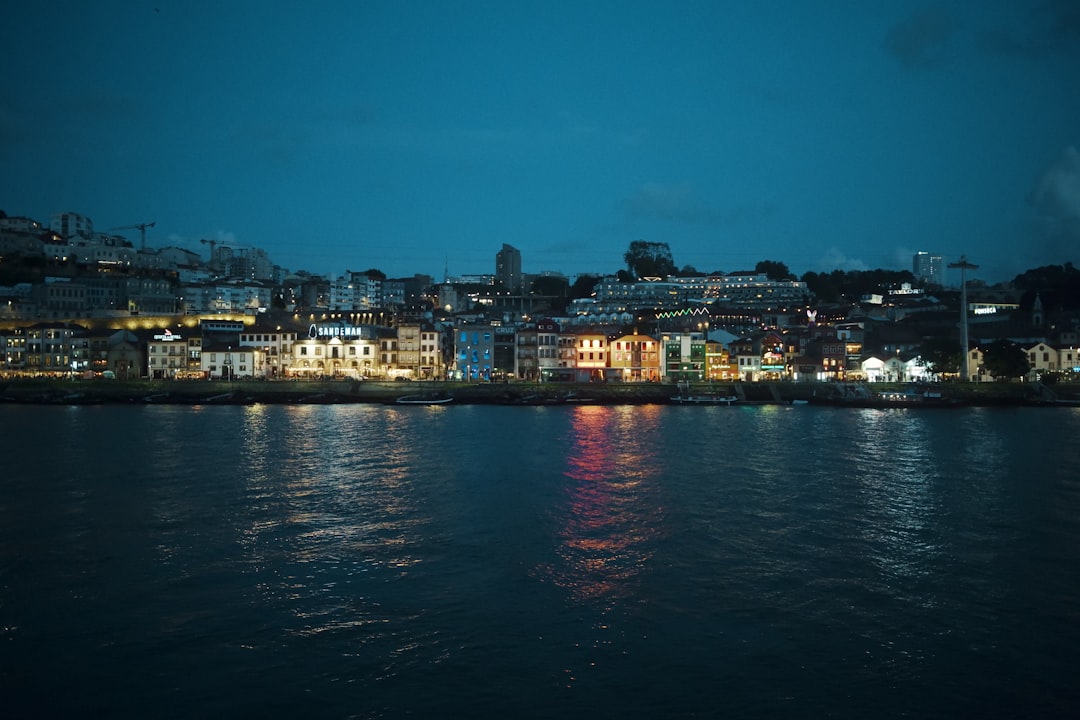
Ribeira. Porto's UNESCO-listed waterfront district along the Douro is the city's postcard image. The narrow streets and colorful buildings attract tourists during the day, and at night the riverside restaurants and bars take over. This isn't a club zone. Ribeira is where you go for a long dinner with port wine, or to sit on the Cais da Ribeira with a beer and watch the lights of Vila Nova de Gaia across the water. Prices here are 30-40% higher than Galerias de Paris because the location commands a premium. Still cheap by international standards.
Cedofeita. North of the main nightlife strip, this neighborhood has become Porto's alternative and creative quarter. Independent galleries, vintage shops, and third-wave coffee roasters fill the ground floors of faded 19th-century buildings. At night, Cedofeita draws a crowd that skews artsy and international. Bars here are quieter than Galerias de Paris, more suited to conversation than dancing. Rua de Miguel Bombarda is the commercial spine, while the side streets hide smaller spots that locals guard jealously. Expect craft beer for EUR 2-4 and natural wine by the glass for EUR 4-6.
Safety
Porto is one of Europe's safest cities for nightlife. Violent crime against tourists is rare, and even petty crime rates sit below the European average. That said, basic precautions still apply.
- Pickpocketing exists but is far less organized than in Lisbon, Barcelona, or Rome. The highest-risk areas are the Sao Bento train station, crowded tram stops, and Ribeira during peak tourist hours
- Sao Bento station area after midnight can feel uneasy. Small-scale drug dealing occurs on surrounding streets. Walk with purpose and stick to lit roads
- The Douro riverfront has low railings in sections, and the cobblestones get dangerously slippery when wet. Watch your footing after rain, especially after drinking
- Emergency services are reliable. Dial 112 for police, fire, or ambulance. Hospital de Santo Antonio is the main central hospital. EU citizens should carry an EHIC or GHIC card
Costs
Porto is remarkably affordable. It's one of the few Western European cities where a student budget can still sustain a genuine social life.
Drinks. A Super Bock or Sagres draft (imperial) costs EUR 1-1.50 at local bars, EUR 2-3 in tourist spots. Cocktails run EUR 5-8 at most bars on Galerias de Paris. Port wine by the glass starts at EUR 2-3 in bars, EUR 5-15 for guided tastings across the river in Gaia. A bottle of decent Douro wine at a restaurant costs EUR 8-15.
Food. A francesinha, Porto's legendary meat sandwich drowning in cheese and beer sauce, costs EUR 8-12 at a proper restaurant. Menu do dia (daily set lunch) runs EUR 7-10 including drink. Dinner at a mid-range restaurant costs EUR 15-25 per person. Tascas (traditional taverns) serve petiscos (Portuguese tapas) for EUR 3-6 per plate.
Transport. Andante card single rides cost EUR 1.20 for Zone 2. A 24-hour pass costs EUR 7. Taxis from the airport to the center cost EUR 20-25 fixed rate. Uber and Bolt operate and are often cheaper than taxis.
Social Scene
University students set the tone. Porto's academic year runs from September through June, and during term time the bars on Galerias de Paris are full of locals, not tourists. Queima das Fitas, the graduation festival in early May, turns the entire city into a week-long street party with parades, concerts, and around-the-clock drinking. It's Porto's equivalent of a citywide homecoming.
Port wine culture creates natural social settings. The tasting rooms in Vila Nova de Gaia are low-pressure environments where striking up conversation with strangers is normal. Graham's terrace, with its panoramic view of Porto's skyline, is particularly good for this.
Erasmus exchange students form a large community. Organized pub crawls and language exchange events happen multiple nights per week during the academic year. The international crowd gathers at bars on Rua da Galeria de Paris and around Praca de Carlos Alberto.
Best Times
- September through November is the sweet spot. Students are back, the weather is still warm (18-25°C), and summer tourist crowds have thinned
- Queima das Fitas (early May) is the single biggest party week. Book accommodation early
- Sao Joao (June 23-24) is Porto's patron saint festival. The entire city celebrates with plastic hammers, grilled sardines, sky lanterns, and bonfires. Nobody sleeps. It's unlike anything else in Portugal
- July and August bring tourists and warm weather but fewer students. Temperatures hit 30-35°C and the city's granite buildings trap heat
- Winter (December through February) is quiet, rainy, and cold by Portuguese standards (5-12°C). Nightlife continues but at reduced intensity
Getting Around
- Metro: Six lines connecting the airport, city center, and suburbs. Runs 6:00 AM to 1:00 AM. The airport line (E) reaches Trindade station in 25 minutes for EUR 2
- Buses (STCP): Cover areas the metro misses. Night buses are limited, so plan accordingly
- Walking: Porto is compact but hilly. The climb from Ribeira to the Clerigos area is steep and sustained. Good footwear matters, especially on wet cobblestones
- Uber and Bolt: Both operate widely. A cross-city ride rarely exceeds EUR 6-8. Often faster than waiting for a bus at night
- Tram: Three heritage lines remain. Line 1 along the Douro is scenic but slow. These are tourist attractions, not serious transport
What Not to Do
- Do not skip the francesinha. It's heavy, messy, and absolutely worth it. Cafe Santiago and Bufete Fase are local favorites
- Do not confuse Porto with Lisbon. Locals take pride in being a distinct city with its own identity. Comparing the two unfavorably won't make friends
- Do not drive in the old town. Streets are narrow, parking is nonexistent, and the one-way system was designed to punish outsiders
- Do not walk Ribeira's cobblestones in smooth-soled shoes, especially after rain. People slip and injure themselves regularly
- Do not show up to Galerias de Paris before 11 PM on weekends. The bars are open but empty. Porto starts late
- Do not assume everyone speaks English outside the tourist center. A few words of Portuguese go a long way. "Obrigado" (thank you) is the minimum
Get the Legal Status PDF, 50 countries
Newsletter signup coming soon. Check back shortly.
Flights to Porto
Compare prices across airlines. Filter by stops, time, and cabin.
Airport transfer to Porto
Pre-booked transfers cost about the same as a metered taxi but cut out the airport queue, the meter argument, and the "no English" routine that takes some drivers to the wrong address. Fixed price quoted before booking, driver tracks your flight, waits with a name sign at arrivals.
Book a KiwiTaxi transferRelated Guides
Galerias de Paris
District guide to Galerias de Paris in Porto, the city's main nightlife street packed with bars, cocktail spots, and live music venues in the Clerigos neighborhood.
Read guideRibeira
District guide to Ribeira in Porto, the UNESCO World Heritage waterfront along the Douro River known for port wine bars, riverside dining, and scenic nightlife.
Read guideFrequently Asked Questions
Was this guide helpful?