Ruysdaelkade
Legal & Regulated4/5SafeDistrict guide to the Ruysdaelkade window district in Amsterdam's De Pijp neighborhood, the city's smallest and quietest red-light area.

Where to stay near Ruysdaelkade
Hotels walking distance from the venues on this page.
See places to stay and current pricesBest Nightlife Spots in the Area
Popular clubs, bars, and venues nearby
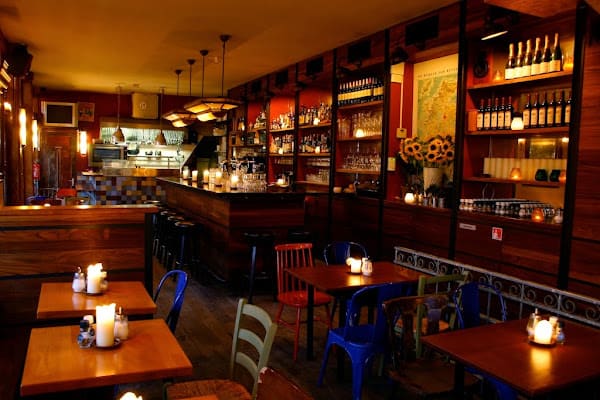
Cafe Binnen Buiten
A 1930s brown café overlooking the canal with one of De Pijp's best waterside terraces. Serves craft beers on tap, cocktails, and simple Dutch bar food like bitterballen.
Ruysdaelkade 115
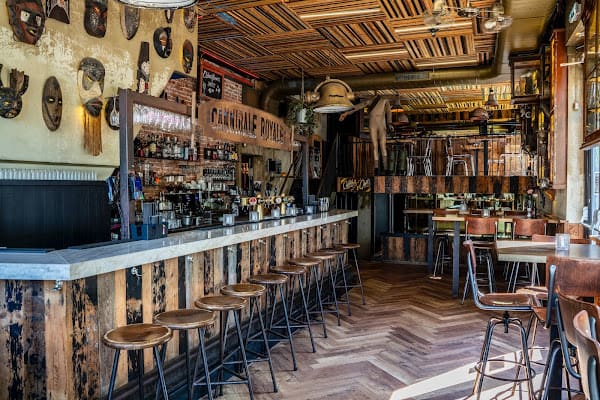
Cannibale Royale
Dark, moody brasserie with a full cocktail bar that draws a local crowd after dark. Known for smoked meats and burgers alongside an exotic craft beer selection.
Ruysdaelkade 149
Café De Biergriet
Traditional Dutch neighborhood pub with a solid beer list, darts, and a no-frills atmosphere. A locals' hangout where the focus is on cold pints and conversation.
Ruysdaelkade 169
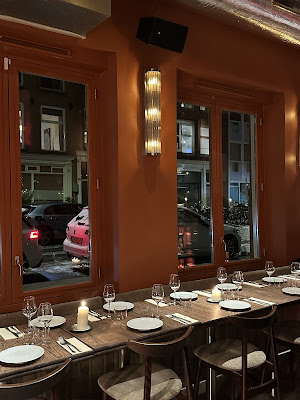
Dame aan de Kade
Neighborhood bar and restaurant with a 1970s retro interior, natural wines, and a subtle disco ball on the ceiling. Mediterranean small plates and a relaxed, unpretentious crowd.
Ruysdaelkade 169-H
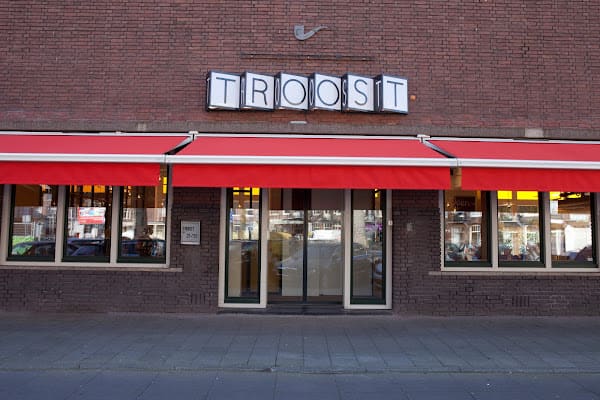
Brouwerij Troost De Pijp
Craft brewery housed in a converted convent just off Ruysdaelkade, producing its own beers on site. The taproom serves house-brewed IPAs and lagers alongside pub-style burgers.
Cornelis Troostplein 21
Overview and Location
Ruysdaelkade is Amsterdam's third and smallest red-light window area. It sits in the De Pijp neighborhood, a residential district south of the city center that's become one of Amsterdam's most popular places to live. The windows line a stretch of the Ruysdaelkade canal, roughly between Stadhouderskade to the north and Van Woustraat to the south. If you didn't know they were there, you could easily walk past without noticing.
Prices confirmed through direct visits in February 2026.
The setting is pure residential Amsterdam. Houseboats bob in the canal. Locals cycle past with groceries. Families push strollers along the sidewalk. The red-lit windows sit at street level in the same canal-side buildings where people live on the upper floors. There are roughly 30 to 40 window units here, a fraction of De Wallen's 300-plus.
De Pijp was once a working-class immigrant neighborhood, but decades of gentrification have turned it into one of Amsterdam's most desirable areas. The Albert Cuypmarkt, the city's famous daily street market, runs just a few blocks north. Wine bars, specialty coffee shops, and organic grocery stores have replaced the rough edges. The window district survives amid all of this, a holdover from an earlier era that the city continues to license and regulate.
How It Works
The system is identical to De Wallen. Licensed sex workers rent window spaces and sit behind glass doors illuminated by red lights. Interested clients approach the door, make eye contact, and knock. A brief conversation covers services and price. If both parties agree, the curtain closes and the session takes place in the room behind the window.
Workers here hold the same municipal licenses required throughout Amsterdam. They must be at least 21, hold EU citizenship or legal residency, and register with the city. The windows are inspected by municipal authorities just like those in De Wallen or Singelgebied.
Pricing
Prices at Ruysdaelkade follow Amsterdam's standard window rates. A session of 15 to 20 minutes typically costs EUR 50 to 100. Most workers quote EUR 50 to 70 as a starting rate, sometimes slightly lower than the busiest windows in De Wallen where tourist demand pushes rates higher. Payment is in cash, agreed before the curtain closes.
The Quiet Atmosphere
This is what makes Ruysdaelkade genuinely different from De Wallen. There are no tour groups. No bachelor parties stumbling through. No souvenir shops, no cannabis coffee shops, no peep shows, no neon-lit bars competing for attention. It's just a row of windows on a quiet canal in a residential neighborhood.
On a weekday evening, you might be the only person walking the stretch. Weekend nights see a bit more foot traffic, but nothing approaching the crush of bodies that packs De Wallen's narrow alleys on a Saturday. The absence of a tourist infrastructure means the area operates as a straightforward workplace rather than an attraction.
For workers, the quieter setting means less harassment and fewer incidents with drunk tourists. For visitors, it means a calmer, more discreet experience without the performance aspect that De Wallen can take on during peak hours.
Most windows are active from the early evening through the late night hours, roughly 7 PM to 2 AM. Activity levels vary by day and season.
Safety
Ruysdaelkade is safe. De Pijp is one of Amsterdam's better neighborhoods, well-populated at all hours and far from any high-crime area. The canal-side street is well-lit, and the residential density means there are always people around.
- Pickpocketing is minimal here compared to De Wallen. The lack of tourist crowds removes the opportunity
- Canal edges are unprotected, as everywhere in Amsterdam. Watch your step if you've been drinking
- Bicycle traffic is heavy in De Pijp. Stay alert when crossing the road near the canal
- The area has CCTV coverage as part of Amsterdam's monitoring of all licensed red-light zones
There's no meaningful crime risk specific to this area. Standard Amsterdam awareness applies.
What Not to Do
Ruysdaelkade sits in a neighborhood where people raise children, walk dogs, and go about their daily routines. The rules that apply in De Wallen are even more important here because of the residential context.
- Do not photograph or film workers. This rule is absolute across all Amsterdam red-light zones
- Do not loiter in groups. You're standing on a residential street, not touring an attraction
- Keep your voice down. Families live in the buildings above and beside the windows
- Do not knock on windows unless you intend to inquire about services
- Do not treat the area as a curiosity to gawk at. Respect the workers and the neighborhood
- Do not park cars or leave bikes blocking the narrow canal-side sidewalk
The residents of Ruysdaelkade have coexisted with the window district for decades. That coexistence works because visitors behave with restraint. Don't be the reason it breaks down.
Getting There
Ruysdaelkade is easy to reach from central Amsterdam. Tram lines 3, 4, and 12 all serve the De Pijp area, with stops within a 5-minute walk of the windows. From Centraal Station, the tram ride takes about 15 minutes. Walking from the Albert Cuypmarkt takes about 5 minutes heading south.
The nearest metro station is De Pijp on the North-South line, which connects directly to Centraal Station and Amsterdam Zuid. From the station exit, it's a 5-minute walk west to the canal.
Nearby Areas
De Wallen is Amsterdam's main red-light district, about 2.5 kilometers north. It has roughly 300 window spaces and the full tourist infrastructure. See the De Wallen district guide for details.
Singelgebied is Amsterdam's second window area, near the Singel canal in the city center. It's larger than Ruysdaelkade and known for its concentration of blue-lit windows.
Albert Cuypmarkt runs daily just a few blocks north. It's Amsterdam's largest outdoor market and a good spot for cheap food before or after visiting the area. Market hours are roughly 9 AM to 5 PM, Monday through Saturday.
Get the Legal Status PDF, 50 countries
Newsletter signup coming soon. Check back shortly.
Frequently Asked Questions
Related Guides
Amsterdam Overview
City guide to adult nightlife in Amsterdam, covering De Wallen, safety, cultural norms, and practical advice.
Read guideDe Wallen
District guide to De Wallen (Red Light District) in Amsterdam, covering window prostitution, street layout, safety, and visitor etiquette.
Read guideSingelgebied
District guide to Singelgebied in Amsterdam, a quieter window prostitution area near the Singel canal with practical tips.
Read guideWas this guide helpful?