Bairro Alto
Legal & Regulated4/5SafeGuide to Bairro Alto, Lisbon's famous nightlife quarter with narrow streets packed with small bars, fado houses, and late-night drinking spots.

Where to stay near Bairro Alto
Hotels walking distance from the venues on this page.
See places to stay and current pricesBars and Clubs Worth Checking
Reviewed and rated by our team
Pavilhão Chinês
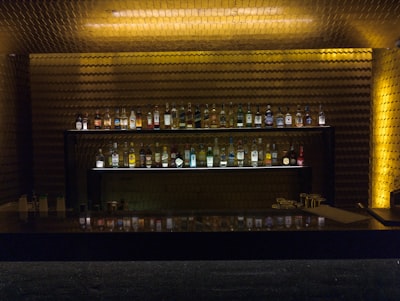
One of Lisbon's most photographed bars, Pavilhao Chines fills five rooms with glass cases holding thousands of collectibles, from lead soldiers to vintage toys to model airplanes. The drinks are well-made and the pool table in the back draws regulars.
Rua Dom Pedro V 89, 1250-093 Lisboa
Pensão Amor
Set inside a former brothel on the border of Bairro Alto and Cais do Sodre, Pensao Amor kept the building's provocative history as its design theme. The rooms feature erotic art, vintage furniture, and burlesque performances on select nights.
Rua do Alecrim 19, 1200-292 Lisboa
A Tasca do Chico
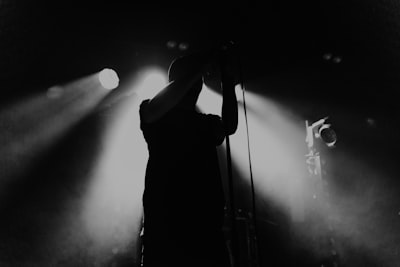
Tiny fado bar where local performers sing traditional Portuguese ballads in an intimate, standing-room-only setting. Reservations are not accepted, so arriving before 9 PM is the only way to guarantee a spot inside.
Rua do Diário de Notícias 39, 1200-141 Lisboa
TOPO Chiado
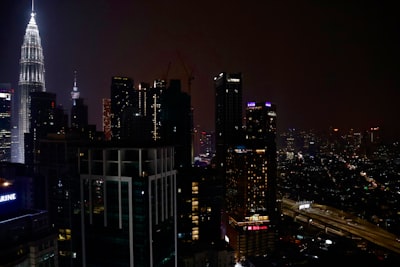
Rooftop bar on top of the Armazens do Chiado shopping center with panoramic views over the Tagus River and the Baixa district. It operates as a cocktail bar in the evening and the terrace fills quickly on warm nights.
Terraços do Carmo, Largo do Carmo, 1200-092 Lisboa
Portas Largas
One of Bairro Alto's original bars and still one of the most popular, Portas Largas packs a small interior with loud music while most of the crowd stands outside on the street with drinks in hand. It's a good starting point for a night in the neighborhood.
Rua da Atalaia 105, 1200-038 Lisboa
Cinco Lounge
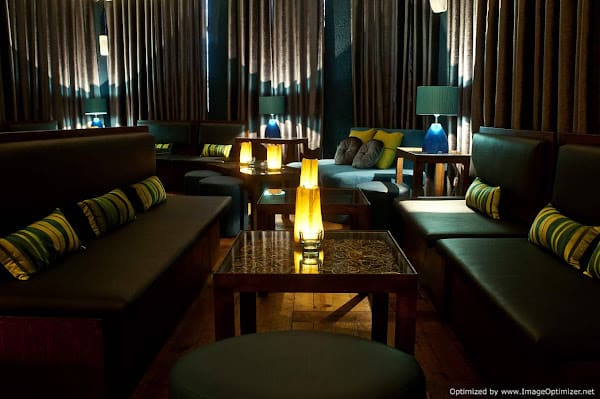
Cocktail bar with over 100 drinks on the menu and bartenders who take the craft seriously. Low lighting, a relaxed lounge layout, and a calmer pace than the street-bar chaos a few blocks away. Cocktails run higher than the area average but are worth it for a slower start to the evening.
Rua Ruben A. Leitao 17A, 1200-392 Lisboa
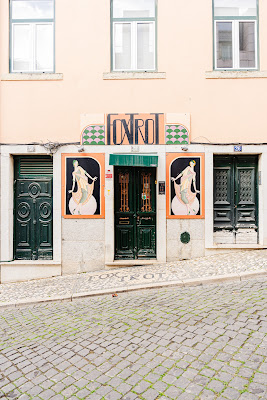
Foxtrot
Art Deco basement bar styled as a 1920s speakeasy on a quiet street near Bairro Alto. Entry is through an unmarked door with a buzzer, and the interior holds a long bar, a small pool table, and a courtyard. Classic cocktails dominate the menu and the soundtrack leans toward traditional jazz.
Travessa Santa Teresa 28, 1200-405 Lisboa
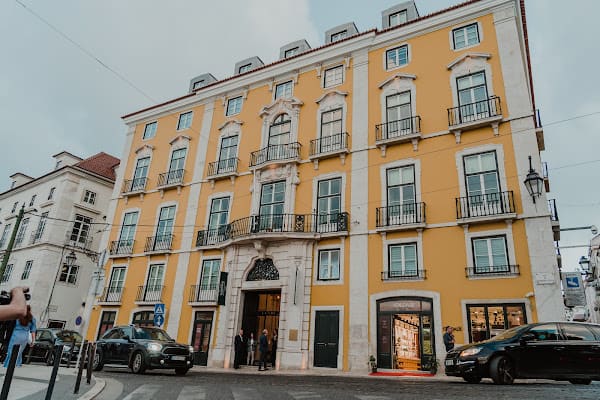
Solar do Vinho do Porto
Wine bar run by the Port and Douro Wines Institute inside the 18th-century Palacio Ludovice across from the Sao Pedro de Alcantara viewpoint. Over 150 port wines are available by the glass, from young tawnies to vintage bottles, served in a high-ceilinged room with leather armchairs.
Rua de Sao Pedro de Alcantara 45, 1250-237 Lisboa
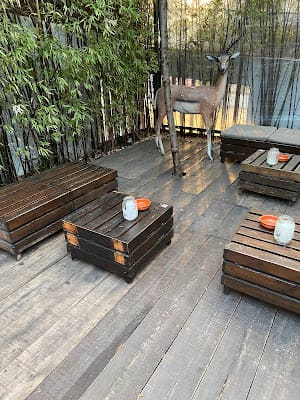
Park Bar
Rooftop bar built on top of a multi-storey car park on the southern edge of Bairro Alto. The terrace looks out over the Tagus River and the 25th of April Bridge, and DJs or live musicians play most evenings from around 10 PM. The entry through the parking garage stairwell is part of the experience.
Calcada do Combro 58, 1200-115 Lisboa
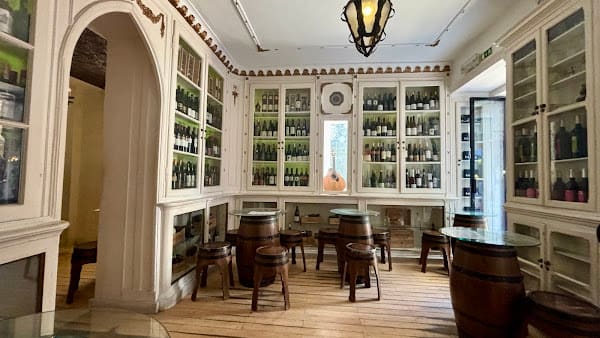
The Old Pharmacy
Wine bar set inside a preserved 19th-century pharmacy on Rua do Diario de Noticias. The original glass cabinets now display over 200 Portuguese wines, and wine barrels serve as tables. Staff wear lab coats and walk guests through regional selections by the glass.
Rua do Diario de Noticias 73, 1200-141 Lisboa
We visited every venue listed below in person.
Overview and Location
Bairro Alto occupies a hillside grid in central Lisbon, sitting above the Baixa shopping district and alongside the more upscale Chiado quarter. The neighborhood covers roughly 20 square blocks of narrow, mostly pedestrian streets built on a 16th-century grid plan. By day it's a quiet residential area with laundry hanging from windows, small grocery shops, and pensioners sitting in doorways. After sunset, the transformation is total.
From Thursday through Saturday, starting around 10 PM, over 100 small bars open their doors and the streets fill with thousands of people. Most venues are tiny, holding 20-30 people at best, which means the crowd overflows onto the cobblestones. The entire neighborhood becomes one continuous outdoor party, with people carrying drinks between bars and congregating at intersections. This is how Lisbon has done nightlife for decades, and the formula hasn't changed.
Legal Status
Portugal decriminalized the possession and use of all drugs in 2001, a policy that extends to Lisbon's nightlife districts. Personal use amounts are treated as administrative offenses rather than criminal ones. This doesn't mean drugs are legal; dealing remains a serious criminal offense, and police maintain a presence in Bairro Alto specifically to target dealers who approach tourists.
Prostitution itself is legal in Portugal for individual adults acting independently. Organized prostitution, pimping, and brothel operation are criminal offenses. Bairro Alto is not an adult entertainment district in any specific sense. It's a general nightlife area where the primary activity is drinking at bars and socializing on the street. You won't encounter the kind of explicit adult venues found in Amsterdam or Hamburg here. The neighborhood's character is social and communal rather than transactional.
Costs and Pricing
Bairro Alto remains remarkably affordable by Western European standards. A draft beer (imperial) costs EUR 1.50-3 at the majority of bars. Portuguese wine by the glass runs EUR 2-4, and the house wines are often genuinely good. Cocktails range from EUR 5-10, with the more polished venues at the Chiado end pushing toward the higher figure. Shots are EUR 2-4 at most spots.
Very few bars charge a cover. Some of the music venues and fado houses have a minimum consumption requirement, typically EUR 10-15 per person, which is easy to meet. Pavilhao Chines prices its drinks slightly above average for the area but nothing unreasonable.
Street food vendors operate on the main streets during peak hours, selling bifanas (pork sandwiches) for EUR 3-4 and pastries for EUR 1-2. For a sit-down meal before heading out, the restaurants along Rua da Misericordia and Rua do Loreto serve Portuguese classics for EUR 10-18 per plate.
Transport to Bairro Alto from most central hotels is a EUR 5-8 Uber ride. The Elevador da Gloria funicular connects the neighborhood to Restauradores square below, running until about 11 PM on weekends.
Street-Level Detail
The heart of the action runs along three parallel streets: Rua da Atalaia, Rua do Diario de Noticias, and Rua do Norte. On a busy Saturday night you'll find it difficult to walk through the intersections where these streets cross Rua da Barroca and Travessa da Cara. The crowd is dense, friendly, and multinational.
Pavilhao Chines at Rua Dom Pedro V 89 sits at the northern edge of the district. It's been serving cocktails surrounded by its eccentric collections since 1986. The five rooms feel like a museum crossed with a gentleman's club, and the bartenders take the craft seriously. This is a place to sit and drink properly rather than stand outside.
A Tasca do Chico on Rua do Diario de Noticias is one of Lisbon's most authentic fado experiences. The tiny room goes silent when the singer begins, and the emotional intensity is genuine. Don't talk during performances. It's considered deeply disrespectful.
Portas Largas on Rua da Atalaia is where many people start their evening. It's been operating since the early days of Bairro Alto's nightlife scene and draws an inclusive, high-energy crowd. The bar itself is secondary to the scene outside.
Safety
Bairro Alto is one of Lisbon's safer nightlife areas, and Lisbon itself is one of Europe's safest capitals. Violent crime against tourists is extremely rare here. The main risk is pickpocketing, which increases in proportion to the crowd size on busy nights.
Keep your phone in a front pocket or a zipped bag. Don't leave drinks unattended. The cobblestone streets are uneven and slippery, particularly after rain or when wet with spilled drinks, so watch your footing on the hills.
Drug dealers approach tourists on the streets, particularly around Rua da Barroca and the Miradouro de Sao Pedro de Alcantara viewpoint. Most are selling fake or very low-quality products. Engaging with them is inadvisable, not only because of the legal risks but because some work in coordination with pickpocket teams. A firm "no" and continued walking is sufficient.
The streets empty out fairly quickly after 2-3 AM when bars close. If you're heading to clubs in Cais do Sodre afterward, the walk downhill takes about 10 minutes through well-lit streets, but an Uber is a better option late at night.
Some street dealers in Bairro Alto sell pressed herbs or oregano disguised as cannabis. Others offer cocaine that is largely caffeine or baking soda. Beyond the obvious quality issue, police do operate plainclothes patrols in the area, and being caught in a transaction can result in fines or temporary detention regardless of what the substance actually is.
Cultural Context
Bairro Alto's nightlife dates back to the 1980s when the first wave of small bars opened in converted ground-floor residences. The neighborhood's status as Lisbon's drinking quarter is now firmly established but it remains residential. Actual families live above the bars, and noise complaints have led to earlier closing times in recent years. Most bars now shut at 2 AM on weekdays and 3 AM on weekends, with police enforcing these limits.
The crowd is genuinely mixed. Portuguese university students, Erasmus exchange students, tourists, and older locals drinking at their regular spots all share the same streets. It doesn't have the exclusivity or pretension of nightlife districts in Paris or Milan. Nobody checks what you're wearing.
Fado, the traditional Portuguese music genre recognized by UNESCO, has deep roots in this neighborhood. Several bars feature live performances, with A Tasca do Chico being the most well-known. The music is emotional and melancholic, and audiences are expected to remain quiet during songs. If you're unfamiliar with fado, experiencing it in Bairro Alto is worthwhile.
Best Times
- 10 PM to 2 AM, Thursday through Saturday: Peak drinking hours on the streets
- Friday and Saturday after midnight: Maximum crowd density
- 9 PM onward: Best arrival time for fado at A Tasca do Chico
- Summer evenings (June through September): The outdoor drinking culture is at its best
- Festas de Lisboa (June): The entire city celebrates with street parties, sardines, and music
- Monday through Wednesday: Quiet; many bars are closed or half-empty
What Not to Do
- Do not buy drugs from street dealers; the products are usually fake and police patrol the area
- Do not leave drinks unattended at any venue
- Do not talk during fado performances
- Do not carry valuables in back pockets on crowded nights
- Do not block residential doorways when standing outside bars
- Do not assume bars are open on Monday or Tuesday; many close early in the week
Get the Legal Status PDF, 50 countries
Newsletter signup coming soon. Check back shortly.
Frequently Asked Questions
Related Guides
Lisbon Overview
City guide to nightlife in Lisbon, covering Bairro Alto, Cais do Sodre, Santos, safety, costs, and practical tips for Portugal's capital.
Read guideCais do Sodré
Guide to Cais do Sodre, Lisbon's main clubbing district featuring Pink Street, Lux Fragil, and late-night venues open until dawn.
Read guideIntendente
Guide to Intendente, Lisbon's formerly notorious red-light district now undergoing rapid gentrification with creative bars, live music, and a gritty character.
Read guideWas this guide helpful?