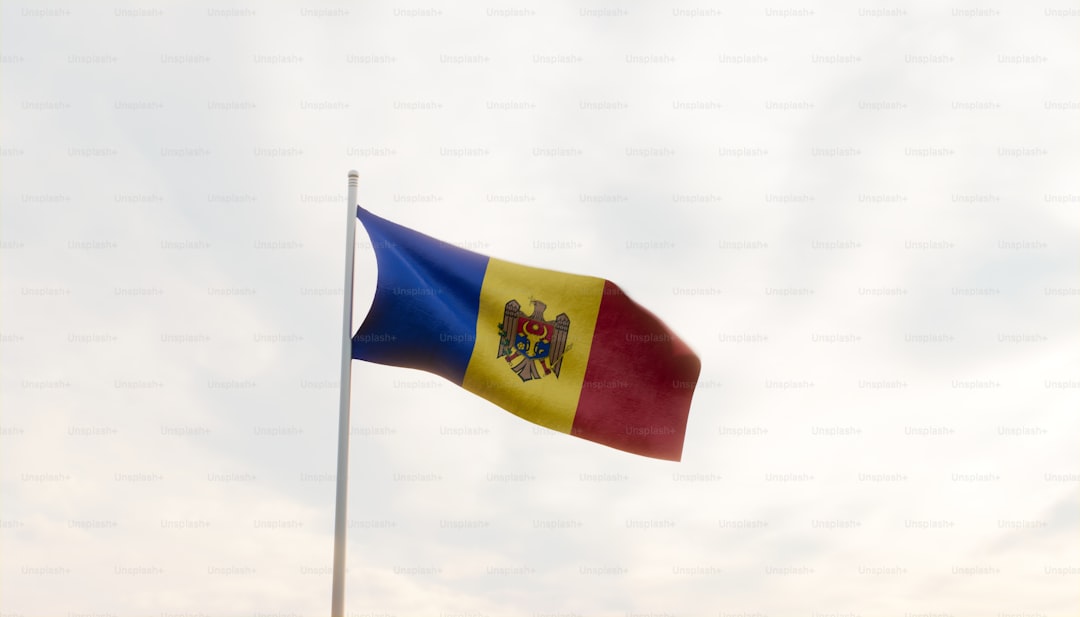
Before You Travel to Moldova
Five things every smart traveler sorts before booking.
- 1
Passport valid 6+ months from entry date
Most countries refuse entry on passports expiring within six months. Renew now if you're close.
- 2
Visa requirements for Moldova
Some are visa-free, some require an e-visa filed days ahead, some need an embassy appointment.
- 3
Travel insurance booked
A hospital visit in Moldova can run $4,000-15,000 without cover. Credit card insurance usually excludes alcohol-related incidents.
- 4
eSIM data plan ready before landing
Airport SIM kiosks need your passport and overcharge tourists. Install an eSIM in 60 seconds, online before you fly.
- 5
Accommodation reserved in the right district
The wrong neighborhood means a 45-minute taxi every night. Map the venues first, then book.
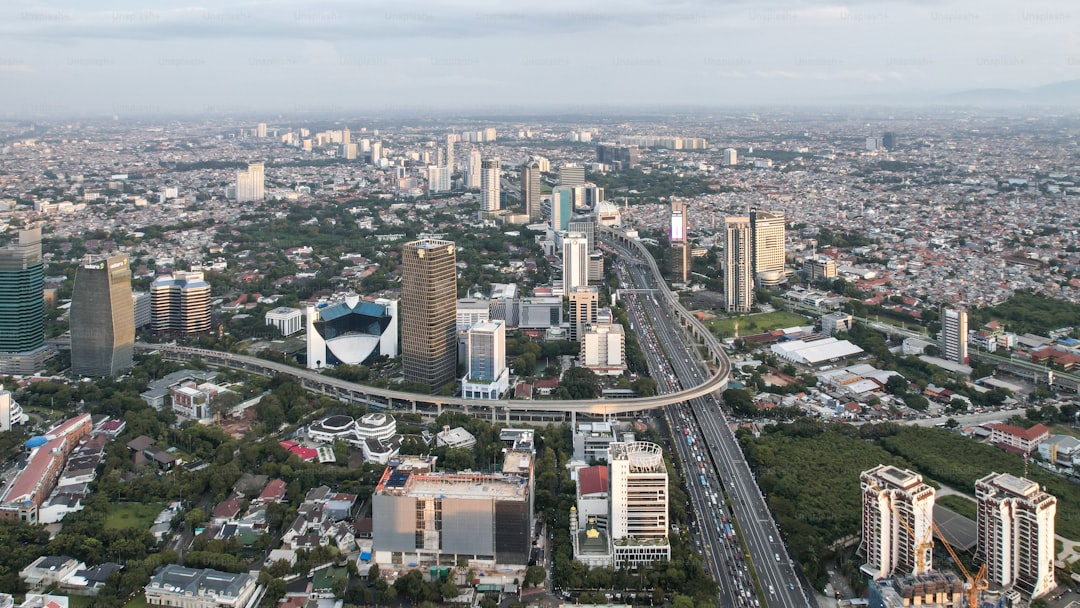
Compare hotels in Moldova
Hotels, hostels, and short-term rentals across the country's main nightlife cities.
Legal Framework
Prostitution is illegal in Moldova under Article 89 of the Contraventional Code, which punishes both soliciting and engaging in sex work with fines. The penalty for a first offense is a fine of 1,500 to 3,000 MDL (roughly $80-160 USD). Repeat offenses carry higher fines. Pimping, brothel operation, and trafficking are criminal offenses under the Criminal Code, with prison sentences of up to 15 years for trafficking convictions.
Our field team visited Moldova most recently in March 2026.
Moldova has been under international scrutiny for human trafficking since the 1990s, when the country became a significant source country for trafficking victims after the Soviet collapse. The government has responded with progressively stronger anti-trafficking legislation, including the Law on Preventing and Combating Trafficking in Human Beings (2005) and subsequent amendments. The US State Department's Trafficking in Persons Report has tracked Moldova's progress, noting improvement from Tier 3 to Tier 2 over the past decade.
The legal framework targets the organized side of the industry while individual activity exists in a tolerated gray area. Police have limited resources and tend to prioritize trafficking cases over consensual adult activity.
Enforcement Reality
Enforcement in Moldova is uneven and shaped by resource constraints. The Moldovan police force is underfunded compared to EU standards, and corruption remains a documented issue. Individual sex work is technically punishable, but police rarely pursue it unless public complaints force action or it connects to organized crime.
In Chisinau, certain areas are known for visible sex work, particularly around the train station and along some peripheral boulevards. Police conduct periodic sweeps of these areas, usually driven by political pressure rather than sustained enforcement policy. The sweeps typically result in fines rather than detention.
The trafficking dimension is taken more seriously. Moldova cooperates with international organizations including the IOM, OSCE, and La Strada International on anti-trafficking efforts. The Center for Combating Trafficking in Persons (CCTIP) operates as a specialized police unit and handles the most serious cases. For visitors, the practical implication is that individual, consensual interactions in private settings are unlikely to attract police attention, while anything involving organized venues carries more risk.
Cultural Context
Moldova is Europe's least-visited country and one of its poorest, with a GDP per capita of roughly $5,500 USD. These facts shape everything about the nightlife experience. There's no tourist infrastructure to speak of, no party districts designed for foreigners, and no English-language signage outside a handful of central Chisinau establishments. What you'll find instead is an authentic Eastern European social scene that hasn't been packaged for external consumption.
Moldovan culture is heavily influenced by Romania (the countries share a language and much of their history) but also carries strong Russian and Soviet imprints. Russian is widely spoken, especially among older generations and in the eastern regions. In Chisinau's bars and clubs, you'll hear both Romanian and Russian, with English spoken unevenly among younger people.
The Orthodox Church holds significant cultural authority, and social conservatism runs deeper than in neighboring Romania. Public attitudes toward the adult industry are disapproving in official discourse but pragmatic in practice. The economic reality, with average monthly salaries around $400-500 USD, creates pressures that the legal framework doesn't address.
Moldovan hospitality is genuine and intense once you're past the initial reserve. Invitations to drink, eat, and socialize come quickly and are meant sincerely. Refusing a toast is considered impolite. Wine culture is deeply rooted; Moldova has one of the highest ratios of vineyard acreage to land area in the world.
Dating Culture
Dating in Moldova follows Eastern European patterns with local specifics. Men are expected to pay, open doors, and demonstrate initiative. Moldovan women tend to be direct about their expectations and don't engage in the ambiguity common in Western dating culture.
Tinder works in Chisinau, though the user base is smaller than in EU capitals. Many profiles are bilingual (Romanian and Russian) or Russian-only. English-language profiles attract attention partly because they're unusual. Badoo has a larger user base in Moldova than Tinder. Some profiles on all platforms are associated with commercial activity, which is common across Eastern European dating apps.
Romanian language ability is a significant advantage. Even basic phrases demonstrate effort and distinguish you from the Russian-speaking visitors who make up most of Moldova's small tourist flow. If you speak Romanian, you speak Moldovan; the languages are identical despite political sensitivities around the naming.
Physical appearance matters in Moldovan dating culture. Both men and women dress up for dates, and showing up in casual clothes to a restaurant may be seen as disrespectful. Moldovan women are known across Eastern Europe for their attractiveness, and the dating scene reflects a culture where appearance and presentation are taken seriously.
Key Cities
Chisinau is the only city with a developed nightlife scene. Home to roughly 700,000 people (including suburbs), it contains virtually all of the country's bars, clubs, and entertainment venues. The city center around Stefan cel Mare Boulevard and the surrounding streets host the main concentration of nightlife.
Balti, Moldova's second city with about 100,000 people, has a handful of bars and clubs but nothing that justifies a specific visit for nightlife.
Tiraspol, the capital of the breakaway region of Transnistria, is a curiosity for travelers interested in Soviet nostalgia. It has a few bars and clubs, but visiting Transnistria requires crossing an unofficial border and navigating a self-declared state that isn't recognized internationally. It's an experience, but not a nightlife destination.
Safety Considerations
Moldova requires more caution than most European destinations. It's not dangerous in the way that active conflict zones are, but petty crime, corruption, and the lack of tourist infrastructure create risks that travelers in more developed countries don't face.
- Petty theft and pickpocketing occur in Chisinau, particularly around the central market, bus stations, and in crowded venues
- Police corruption is documented. Officers may attempt to extract informal payments, especially from foreign visitors. Carry a photocopy of your passport and keep the original secured at your accommodation
- Taxi scams are common. Always agree on a price before getting in, or use ride-hailing apps. Yandex Go works in Chisinau
- ATM skimming has been reported. Use machines inside banks, not standalone units on the street
- The Transnistria region has its own security dynamics. Travel there is possible but requires research and awareness of the local situation
- Stray dogs are present in Chisinau's outskirts and can be aggressive at night
- Roads are poorly maintained, and driving standards are erratic. Walking at night requires attention to uneven sidewalks and limited street lighting outside the center
Medical facilities in Chisinau are functional but below EU standards. Travel insurance with evacuation coverage is recommended. For serious medical issues, hospitals in Bucharest or Kyiv may offer better options.
Common Scams
Bar overcharging is the most common scam affecting foreign visitors. Some establishments present one menu to locals and another to foreigners, or add items to the bill. Always check prices before ordering and review the bill carefully.
The "friendly local" scam exists in a mild form. Strangers who approach you speaking English and suggest visiting a specific bar should be treated with caution, though this is less organized than the equivalent scam in Budapest or Prague.
Fake police officers have been reported occasionally. Real Moldovan police carry identification and won't demand immediate cash payment. If stopped, ask to see credentials and offer to resolve any issue at the nearest police station.
Get the Legal Status PDF, 50 countries
Newsletter signup coming soon. Check back shortly.
Emergency Information: Moldova
- Emergency:
- 112
- Embassy Note:
- Foreign embassies are located in central Chisinau.
Nearby Alternatives
Bulgaria
Sofia's underground clubs and Sunny Beach's mega-venues make Bulgaria a growing Eastern European nightlife destination. Cheap drinks, attractive women, and a legal gray area that keeps things loosely unregulated.
Poland
A rising nightlife destination in Central Europe with legal but unregulated adult entertainment, affordable prices in PLN, and a growing club scene in Warsaw and Krakow.
Romania
Bucharest's Old Town packs cheap drinks and loud clubs into a walkable strip. Romania's nightlife runs late, costs little, and draws a young crowd across its university cities.
Russia
Moscow's elite nightclubs, Saint Petersburg's bar streets, and a widespread but technically illegal adult entertainment scene across Russia's two main cities.
Similar Countries in Other Regions
Countries with a similar overall score to Moldova (3.7) but in different parts of the world.
Japan
3.7East Asia
Tokyo's Kabukicho, Osaka's Tobita Shinchi, and a unique world of soaplands, hostess bars, and fuzoku. Expensive but exceptionally high quality, with a culture unlike anywhere else.
Greece
3.7Southern Europe
Athens, Mykonos, and Crete offer Mediterranean nightlife with beautiful women. The escort scene is smaller than Western Europe but growing, with summer island parties as a bonus.
Kazakhstan
3.7Central Asia
A guide to nightlife in Kazakhstan, Central Asia's largest economy with a growing club and bar scene in Almaty. Technically illegal but widely tolerated adult entertainment, moderate costs, and a mix of Russian and Kazakh cultural influences.
Was this guide helpful?