
Before You Travel to Romania
Five things every smart traveler sorts before booking.
- 1
Passport valid 6+ months from entry date
Most countries refuse entry on passports expiring within six months. Renew now if you're close.
- 2
Visa requirements for Romania
Some are visa-free, some require an e-visa filed days ahead, some need an embassy appointment.
- 3
Travel insurance booked
A hospital visit in Romania can run $4,000-15,000 without cover. Credit card insurance usually excludes alcohol-related incidents.
- 4
eSIM data plan ready before landing
Airport SIM kiosks need your passport and overcharge tourists. Install an eSIM in 60 seconds, online before you fly.
- 5
Accommodation reserved in the right district
The wrong neighborhood means a 45-minute taxi every night. Map the venues first, then book.
City Guides in Romania
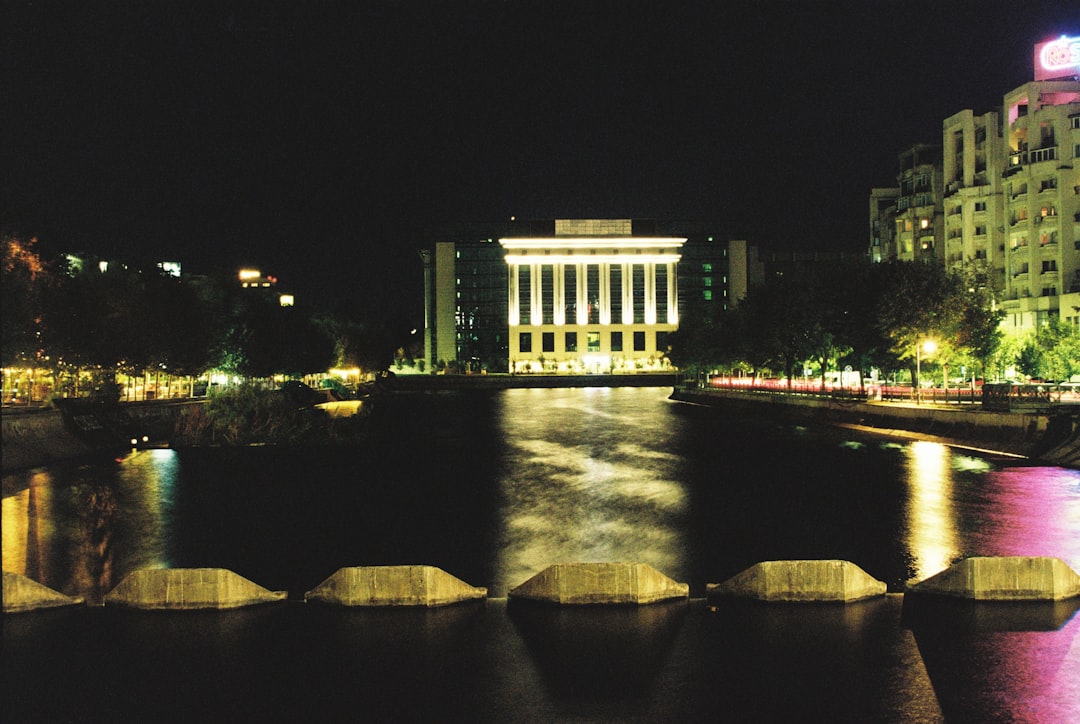
Bucharest
City guide to nightlife in Bucharest, covering Old Town's bar strip, upscale Floreasca clubs, student areas, safety advice, and cultural context.
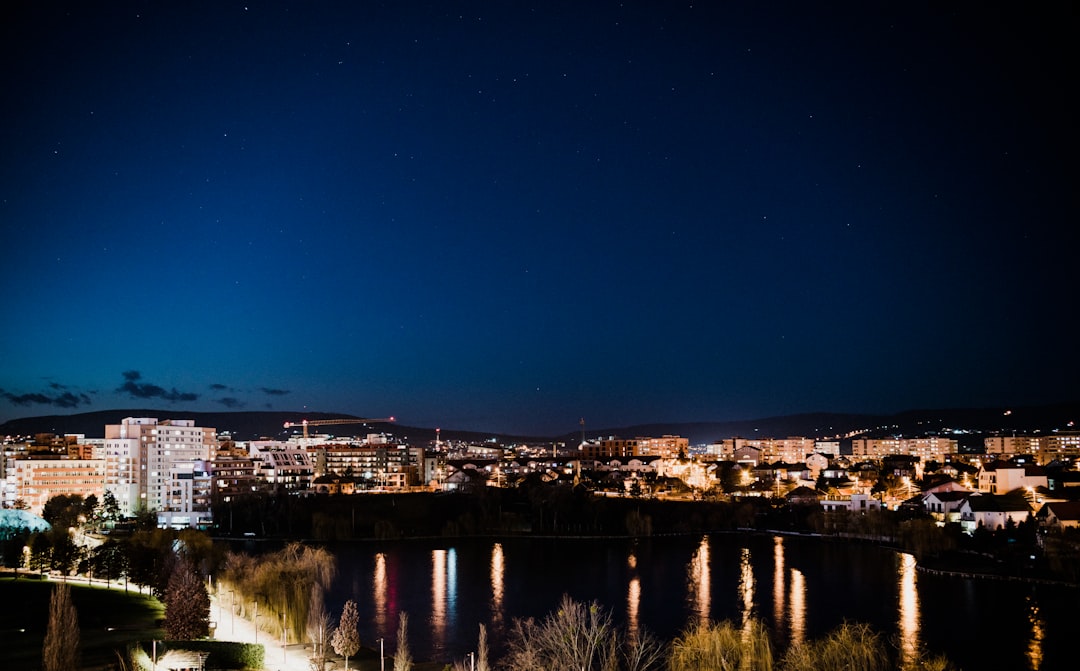
Cluj-Napoca
City guide to nightlife in Cluj-Napoca, Romania's university town with a compact bar district, cheap drinks, and the annual Untold Festival.
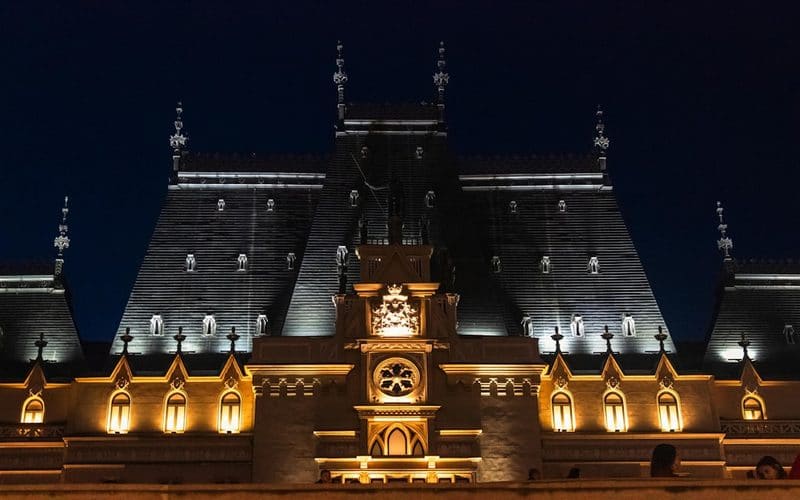
Iași
City guide to nightlife in Iași, Romania's cultural capital and student city, with a massive university population, cheap drinks, and a nightlife scene shaped by Moldova-border conservatism and 60,000 students.
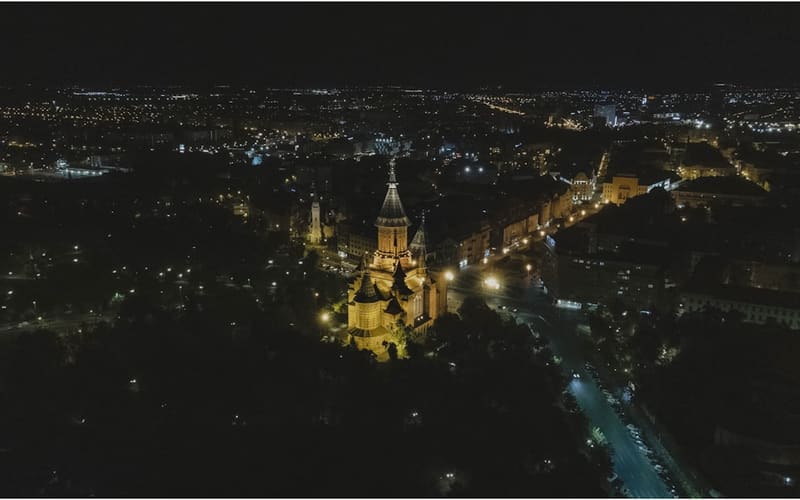
Timișoara
City guide to nightlife in Timișoara, Romania's third-largest city and 2023 European Capital of Culture, with a university-driven bar scene, affordable drinks, and a relaxed Banat atmosphere.
Compare hotels in Romania
Hotels, hostels, and short-term rentals across the country's main nightlife cities.
Legal Framework
Romania does not criminalize sex work itself, but the legal situation is far from straightforward. The Romanian Penal Code does not punish adults who sell sexual services. Buying sex is also not a criminal offense for the client. What the law does target is everything around the transaction: pimping, running a brothel, and profiting from another person's sex work all carry prison sentences of two to seven years under Articles 213 and 216 of the Criminal Code.
Information verified through local contacts as of March 2026.
This creates a system where individual, independent sex work exists in a legal vacuum. It's not prohibited, but it receives no regulatory protection either. There are no licensing requirements, no mandatory health checks, and no designated areas. Sex workers cannot form cooperatives, register businesses, or access workplace protections. They exist outside the formal economy entirely.
Romania has no red-light district comparable to Amsterdam or Hamburg. Street solicitation is handled as a public order issue rather than a criminal one. Advertising sexual services online occupies a gray area that authorities rarely pursue unless trafficking is suspected.
Enforcement Reality
Police priorities in Romania center on human trafficking and organized exploitation. Romania is identified by Europol and the EU Anti-Trafficking Directive as both a source and transit country for trafficking, and this shapes enforcement at every level. The Directorate for Investigating Organised Crime and Terrorism (DIICOT) handles trafficking cases, and these investigations receive real resources.
Street-level enforcement is inconsistent. Officers in Bucharest may disperse groups engaged in visible solicitation, particularly near Gara de Nord or along certain stretches of Calea Victoriei, but arrests of individual sex workers are rare. The approach varies significantly between cities. Cluj-Napoca sees very little visible enforcement, while Bucharest's police respond to neighborhood complaints.
Online activity receives minimal attention from law enforcement unless a complaint links it to exploitation. Dating apps and escort websites operate openly, and most interactions happen through these channels rather than on the street. Police treat these platforms as low priority unless trafficking indicators appear.
Cultural Context
Romanian society holds conservative attitudes toward sex work, shaped by strong Orthodox Christian influence. Roughly 81% of the population identifies as Romanian Orthodox, and the church's position on sexual morality carries weight in public discourse. Open discussion of the sex industry is uncommon in mainstream media, and political figures avoid the topic.
Underneath this conservatism sits a pragmatic acceptance that the industry exists. Bucharest's nightlife economy grew rapidly after EU accession in 2007, fueled by cheap flights from Western Europe and a young population eager to build a modern entertainment scene. The Old Town (Centru Vechi) transformed from a crumbling historic quarter into one of Eastern Europe's densest nightlife strips in under a decade.
Romanian culture values personal appearance highly. Both men and women invest in grooming, fashion, and fitness at rates that surprise many Western European visitors. This isn't vanity for its own sake; it reflects a cultural emphasis on presentation and self-respect that runs deep. Gyms are packed. Salons stay busy. Looking good isn't optional here, it's expected.
The country's rapid modernization since the fall of communism in 1989 created generational divides. Younger Romanians, especially in Bucharest and Cluj-Napoca, are cosmopolitan, well-traveled, and socially liberal by regional standards. Older generations and rural communities remain far more traditional.
Dating Culture
Romanian dating follows patterns that sit between Western European casualness and the more formal traditions of the Balkans. Men are expected to pay on first dates. This isn't debatable in most social circles, and offering to split will be interpreted as disinterest or cheapness. Flowers are common on early dates, but always bring an odd number (even numbers are for funerals).
Romanians are direct in communication once comfortable, but the initial approach matters. Cold approaches in public rarely work well. Social circle introductions, mutual friends, and dating apps are the primary channels for meeting people. Showing genuine interest in Romania, its food, its culture, its mountains and countryside, goes further than flashy spending.
Family matters. Romanian families are close-knit, and parental opinions carry real weight in relationship decisions. Meeting the family signals serious intentions, so don't accept the invitation casually. Sunday lunch at the parents' house is a big deal.
Public displays of affection are moderate. Hand-holding and brief kisses are fine in urban areas. Anything beyond that draws stares outside of nightlife districts. Cluj-Napoca's student population is more relaxed about this than Bucharest's mixed-age streets.
Dating Apps
Tinder dominates in both Bucharest and Cluj-Napoca, with a large and active user base among people in their twenties and thirties. Bumble has gained ground since 2024, particularly among women who prefer to initiate contact. Badoo still sees use, especially outside the two major cities. Hinge has a small but growing presence in Bucharest.
English works well on dating profiles in Bucharest, where younger Romanians speak it fluently. In smaller cities, mixing in a few Romanian phrases helps. Romanians on dating apps tend to be responsive and willing to meet relatively quickly if the conversation flows. Extended texting marathons aren't the norm.
Watch for profiles that push you toward a specific bar or restaurant. While Romania doesn't have the same organized "pretty girl" scam infrastructure as Budapest, isolated versions exist in Bucharest's Old Town. Choose the meeting location yourself, and pick somewhere you already know.
Key Cities
Bucharest is Romania's capital and its only true metropolitan nightlife center. With two million residents, the city concentrates the country's club scene, live music venues, and after-hours culture in a compact area. The Old Town handles most of the tourist-facing nightlife, while neighborhoods like Floreasca and Herastrau cater to a wealthier local crowd.
Cluj-Napoca is Romania's second city for nightlife, powered by a massive student population (over 100,000 university students during the academic year). The scene is smaller and cheaper than Bucharest, centered on the old town's compact bar strip. The annual Untold Festival, held each August, temporarily turns Cluj into one of Europe's largest electronic music events.
Timisoara, Constanta, and Iasi each have localized nightlife scenes, but none approach the scale or variety found in Bucharest and Cluj-Napoca.
Safety Considerations
Romania is a safe country for travelers by European standards. Violent crime rates are low, and the risks that affect visitors are primarily financial.
- Pickpocketing occurs in crowded areas, particularly on Bucharest's public transport (the M2 metro line and buses serving Gara de Nord)
- Taxi scams remain Romania's most common tourist complaint. Always use Bolt or Uber rather than hailing cabs, especially at airports and train stations
- Drink spiking happens in nightlife areas, though less frequently than in some Western European cities. Watch your glass
- Stray dogs were a well-known hazard in Bucharest but aggressive population management has reduced the problem significantly since 2013
- Romanian hospitals in Bucharest and Cluj-Napoca provide adequate emergency care, though private clinics (MedLife, Regina Maria) offer better service for non-emergencies
- Dial 112 for all emergencies. English-speaking operators are available
Common Scams
Taxi overcharging: This is Romania's signature tourist scam. Unlicensed or rigged-meter taxis at Bucharest's Otopeni Airport and Gara de Nord train station charge five to ten times the correct fare. The solution is simple: use Bolt or Uber exclusively. If you must take a taxi, use only vehicles displaying company names (Speed Taxi, Meridian) and confirm the meter is running at the standard rate of 1.69 RON per kilometer within Bucharest.
Overcharging in Old Town: Some terraces in Bucharest's Centru Vechi add undisclosed service charges or charge premium prices without displaying menus. Check menu prices before ordering, and review the bill before paying.
The helpful stranger: Near Gara de Nord, individuals may offer unsolicited help with directions or tickets, then demand payment. Decline politely and keep walking.
ATM skimming: Use ATMs inside bank branches (BRD, BCR, Banca Transilvania) rather than standalone machines in tourist areas.
What Not to Do
- Do not take taxis from airport arrivals or train station queues. Use Bolt or Uber
- Do not carry large amounts of cash. Card acceptance is widespread in Bucharest and Cluj-Napoca
- Do not leave drinks unattended in nightlife venues
- Do not mistake Romanian friendliness for romantic interest. Romanians are warm and hospitable by nature
- Do not disrespect Orthodox churches or religious sites. Remove hats, dress modestly, and keep voices low
- Do not assume everyone speaks English outside of Bucharest and Cluj-Napoca. Download Google Translate with the Romanian language pack
- Do not buy counterfeit goods or engage with street vendors selling suspicious items near tourist sites
- Do not engage with anyone who appears underage. Report concerns to police at 112
Sources
- U.S. Department of State: Romania Travel Advisory - Entry requirements, safety alerts, and local law summary
- UK Foreign, Commonwealth & Development Office: Romania Travel Advice - Safety, health, and legal information for travelers
- Australian Government Smartraveller: Romania - Travel advisory and practical information
Get the Legal Status PDF, 50 countries
Newsletter signup coming soon. Check back shortly.
Emergency Information: Romania
- Emergency:
- 112
- Tourist Police:
- 021-9544
- Embassy Note:
- Most foreign embassies are in Bucharest's Sector 1, along or near Kiseleff and Aviatorilor boulevards.
Other Options in the Area
Bulgaria
Sofia's underground clubs and Sunny Beach's mega-venues make Bulgaria a growing Eastern European nightlife destination. Cheap drinks, attractive women, and a legal gray area that keeps things loosely unregulated.
Moldova
Moldova's nightlife is concentrated in Chisinau, where Soviet-era infrastructure meets a growing bar scene. Low prices, attractive women, and minimal tourist infrastructure define the experience.
Poland
A rising nightlife destination in Central Europe with legal but unregulated adult entertainment, affordable prices in PLN, and a growing club scene in Warsaw and Krakow.
Russia
Moscow's elite nightclubs, Saint Petersburg's bar streets, and a widespread but technically illegal adult entertainment scene across Russia's two main cities.
Similar Countries in Other Regions
Countries with a similar overall score to Romania (3.7) but in different parts of the world.
Greece
3.7Southern Europe
Athens, Mykonos, and Crete offer Mediterranean nightlife with beautiful women. The escort scene is smaller than Western Europe but growing, with summer island parties as a bonus.
Kazakhstan
3.7Central Asia
A guide to nightlife in Kazakhstan, Central Asia's largest economy with a growing club and bar scene in Almaty. Technically illegal but widely tolerated adult entertainment, moderate costs, and a mix of Russian and Kazakh cultural influences.
Latvia
3.7Baltics
Riga's Old Town bars and craft cocktail scene draw stag parties and solo travelers alike. Low-key nightlife, affordable drinks, and a walkable capital with Baltic charm and a permissive attitude.
Was this guide helpful?