
The Key Neighborhoods
Detailed guides for every area
District V
3/5ModerateDistrict guide to District V (Belvaros-Lipotvaros) in Budapest, the downtown tourist district along the Danube with bars, clubs, and tourist-oriented nightlife.
5 nightlife spots listed
District IX
3/5ModerateDistrict guide to District IX (Ferencvaros) in Budapest, covering the adult entertainment venues and massage parlors in the area south of the city center.
5 nightlife spots listed
District VI
3/5ModerateDistrict guide to District VI (Terezvaros) in Budapest, covering the strip club scene along Terez korut and Nagymező utca.
5 nightlife spots listed
District VII
3/5ModerateDistrict guide to District VII (Erzsebetvaros) in Budapest, the Jewish Quarter and ruin bar district that serves as the city's main nightlife hub.
6 nightlife spots listed
District VIII
2/5RiskyDistrict guide to District VIII (Jozsefvaros) in Budapest, a grittier district with street-level adult activity and an evolving nightlife scene.
5 nightlife spots listed
District Map of Budapest
Pick a district to recenter the map and see hotels nearby.
Where to stay in Budapest
Compare hotels and rentals across the city's nightlife districts.
See places to stay and current pricesOverview
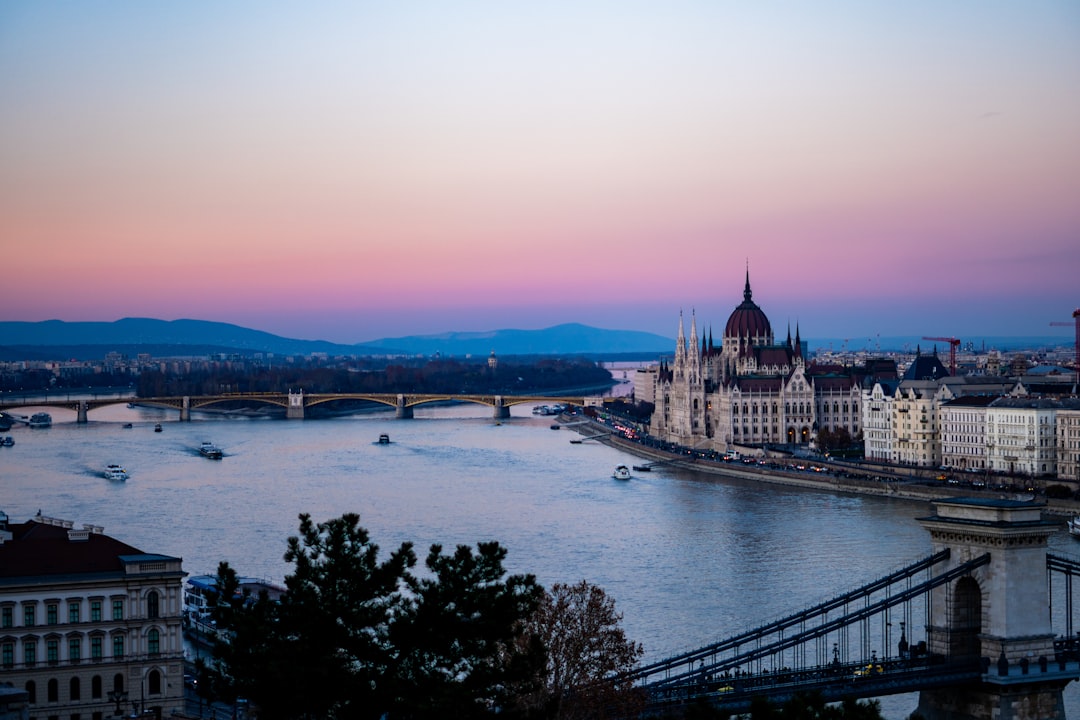
Budapest straddles the Danube, with hilly Buda on the west bank and flat Pest on the east. Nearly all of the city's nightlife concentrates on the Pest side, spread across three main districts. The ruin bars of District VII put Budapest on Europe's party map in the early 2000s, and the city hasn't slowed down since. Around 12 million tourists visit annually, many drawn specifically by the nightlife and the thermal bath culture.
Local contacts verified current conditions for this guide.
The city offers a rare combination: genuinely interesting nightlife at Central European prices. A full evening in the ruin bar district costs what you'd spend on two cocktails in London or Paris. That value proposition, combined with cheap flights from across Europe, has made Budapest a top destination for stag parties, weekend trips, and extended stays. But the affordability comes with a caveat. The tourist-oriented areas have developed a scam ecosystem that specifically targets foreign visitors, and understanding it is the difference between a great trip and an expensive lesson.
Legal Context
Hungary legalized and regulated prostitution in 1999. Adults over 18 can work individually within designated "tolerance zones," but Budapest has never officially mapped those zones. The result is a system that's legal in theory and unregulated in practice.
Brothels and pimping are criminal offenses under Hungarian law. Establishments that offer sexual services usually register as massage studios, wellness centers, or private clubs. Police don't aggressively target these venues unless trafficking is suspected. The focus stays on organized crime, not individual activity.
For visitors, the practical takeaway is straightforward: the industry exists openly, enforcement is light, but the gray areas mean that consumer protections are minimal. You're largely on your own to verify that a venue operates honestly.
Key Areas
District VII (Erzsebetvaros) is the ruin bar district and Budapest's main nightlife zone. Centered on Kazinczy utca and the surrounding streets of the historic Jewish Quarter, it packs dozens of bars, clubs, and late-night venues into a compact, walkable area. Szimpla Kert, the original ruin bar, opened here in 2002 and launched an entire subculture. The district is lively every night of the week during summer and on weekends year-round.
District V (Belvaros-Lipotvaros) is the downtown tourist core. Vaci utca, Budapest's main pedestrian shopping street, runs through it. The nightlife here is more tourist-oriented and expensive than District VII. This is also ground zero for the "pretty girl" bar scam. The Danube promenade, Parliament building, and St. Stephen's Basilica are all here, making it the area where tourists spend the most time and where scam operators concentrate their efforts.
District VIII (Jozsefvaros) is grittier and less polished. The area around Rakoczi ter and the streets near Keleti train station have traditionally been associated with street-level sex work and lower-end nightlife. The district has been gentrifying slowly, with new bars and restaurants opening alongside the older establishments. It requires more caution than Districts V or VII.
Safety
Budapest is safe by European standards. Violent crime against tourists is uncommon, and the well-lit central areas see regular police presence. The real risks are financial.
- The "pretty girl" bar scam is the single biggest threat to your wallet. Women approach men on the street or through dating apps and steer them to bars that charge 10,000-50,000 HUF per round. This has been documented for over 20 years and remains active
- Pickpocketing is common on the M2 metro line, tram 2 (the Danube tram), and in crowded tourist areas
- Currency confusion trips up visitors. At roughly 400 HUF to 1 EUR, a bill of 20,000 HUF is about EUR 50, not the fortune it sounds like. Some establishments exploit this
- Taxi overcharging has decreased since Bolt became standard, but street taxis near Keleti station still try it. Use Bolt
- Don't carry more cash than you plan to spend. Leave backup cards and extra money at your accommodation
Cultural Norms
Budapest mixes old-world Hungarian customs with a young, cosmopolitan energy. A few things to know:
- Ruin bar culture is casual. There's no dress code, no VIP pretension, and most venues don't charge entry
- Thermal baths are social institutions, not just tourist attractions. Szechenyi and Rudas draw locals for long sessions of soaking and conversation. The Saturday night "sparty" (spa party) events at Szechenyi cater to tourists
- Tipping 10% is standard at restaurants and bars. Rounding up is acceptable at casual spots
- Hungarians are proud of their cuisine. Saying something positive about the food, and meaning it, builds rapport faster than anything else
- English is widely spoken in the tourist areas and by younger Hungarians. Older residents and those outside the center speak less
Social Scene
The ruin bars are Budapest's signature social experience. Szimpla Kert is the most famous, a maze of rooms across multiple floors filled with mismatched furniture, art installations, and a crowd that ranges from backpackers to local couples. It's busy every night and turns into a farmers' market on Sunday mornings. Instant-Fogas is bigger and more club-oriented. Anker't has a huge courtyard that's perfect in summer. Dozens more fill the streets between Kazinczy utca and Kiraly utca.
Beyond the ruin bars, Budapest's social scene includes a thriving craft beer scene (try Eleszto or Csak a jo sor), wine bars serving Hungarian wines at reasonable prices (Doblo, Palack), and a cafe culture that dates back to the early 1900s. The Danube promenade on summer evenings is a social venue in itself, with people gathering to drink, talk, and watch the city light up.
The expat community in Budapest is large and active. Meetup groups, language exchange events, and InterNations gatherings run weekly. The city's low cost of living compared to Western Europe has attracted digital nomads and remote workers, and this crowd clusters in District VII's cafes and coworking spaces.
Dating Apps
Tinder has the largest user base in Budapest, and English-language profiles work well. Bumble is growing, particularly among professionals. Badoo pulls in a broader demographic. Be alert for the bar scam operating through dating apps. If a match pushes hard for a specific venue, it's not a date; it's a setup. Choose the meeting place yourself, always.
Scam Warnings
The "pretty girl" bar scam: Budapest's most notorious tourist scam has operated for over 20 years. Attractive women approach foreign men on Vaci utca, in tourist bars, or through Tinder and Bumble. They chat, flirt, then suggest going to a bar they know. The venue charges outrageous prices: a single round of drinks can run 30,000-100,000 HUF (EUR 75-250). Bouncers ensure you pay, and credit card machines are ready. The women work on commission. This scam has been widely reported by Budapest police, travel advisories, and media outlets across Europe. If someone you've just met suggests a specific bar, walk away.
Clip joint drink pricing: Even without the scam scenario, some bars near Vaci utca and around Deak Ferenc ter charge dramatically inflated prices for drinks. Always check the menu before ordering. If there's no visible menu, leave.
Fake thermal bath tickets: Touts near the baths sell "discounted" tickets that are either counterfeit or for a different bath than advertised. Buy tickets at the official counters or online.
Best Times
Budapest nightlife peaks Thursday through Saturday. Ruin bars open around 4-6 PM and stay busy until 3-4 AM on weekends. Sunday through Wednesday is quieter but still active in District VII during summer.
Spring (April through May) and autumn (September through October) are the best months for visiting. Summer brings peak crowds and heat that makes ruin bar courtyards uncomfortable on the hottest days. Winter nightlife is indoor-focused but active, and the Christmas markets on Vorosmarty ter draw big crowds in December.
Getting Around
- Metro: Four lines (M1-M4). M1 runs under Andrassy ut, M2 connects Keleti station to the center, M3 runs north-south through Pest, M4 connects Buda to Keleti. Service runs until about 11:30 PM
- Trams: Extensive network. Tram 4/6 runs along the Grand Boulevard and operates 24 hours
- Night buses: Cover the main routes after metro closure
- Bolt: The standard ride-hailing option. Reliable and cheaper than taxis
- Walking: Central Pest is flat and compact. You can walk from District V to District VII in 10 minutes
What Not to Do
- Do not follow strangers to bars they recommend
- Do not use Vaci utca restaurants without checking prices first. Many are tourist traps charging triple the going rate
- Do not exchange money at street-level offices. Use OTP, K&H, or Erste bank ATMs
- Do not carry large amounts of cash in nightlife areas
- Do not leave drinks unattended
- Do not swim in thermal baths while heavily intoxicated. Heat plus alcohol causes dangerous dehydration
- Do not take taxis from the street. Use Bolt
- Do not assume a "free entry" club is free. The drinks will compensate
Get the Legal Status PDF, 50 countries
Newsletter signup coming soon. Check back shortly.
Flights to Budapest
Compare prices across airlines. Filter by stops, time, and cabin.
Airport transfer to Budapest
Pre-booked transfers cost about the same as a metered taxi but cut out the airport queue, the meter argument, and the "no English" routine that takes some drivers to the wrong address. Fixed price quoted before booking, driver tracks your flight, waits with a name sign at arrivals.
Book a KiwiTaxi transferRelated Guides
District V
District guide to District V (Belvaros-Lipotvaros) in Budapest, the downtown tourist district along the Danube with bars, clubs, and tourist-oriented nightlife.
Read guideDistrict IX
District guide to District IX (Ferencvaros) in Budapest, covering the adult entertainment venues and massage parlors in the area south of the city center.
Read guideDistrict VI
District guide to District VI (Terezvaros) in Budapest, covering the strip club scene along Terez korut and Nagymező utca.
Read guideDistrict VII
District guide to District VII (Erzsebetvaros) in Budapest, the Jewish Quarter and ruin bar district that serves as the city's main nightlife hub.
Read guideDistrict VIII
District guide to District VIII (Jozsefvaros) in Budapest, a grittier district with street-level adult activity and an evolving nightlife scene.
Read guideFrequently Asked Questions
Was this guide helpful?