The Key Neighborhoods
Detailed guides for every area
District Map of Chisinau
Pick a district to recenter the map and see hotels nearby.
Where to stay in Chisinau
Compare hotels and rentals across the city's nightlife districts.
See places to stay and current pricesOverview
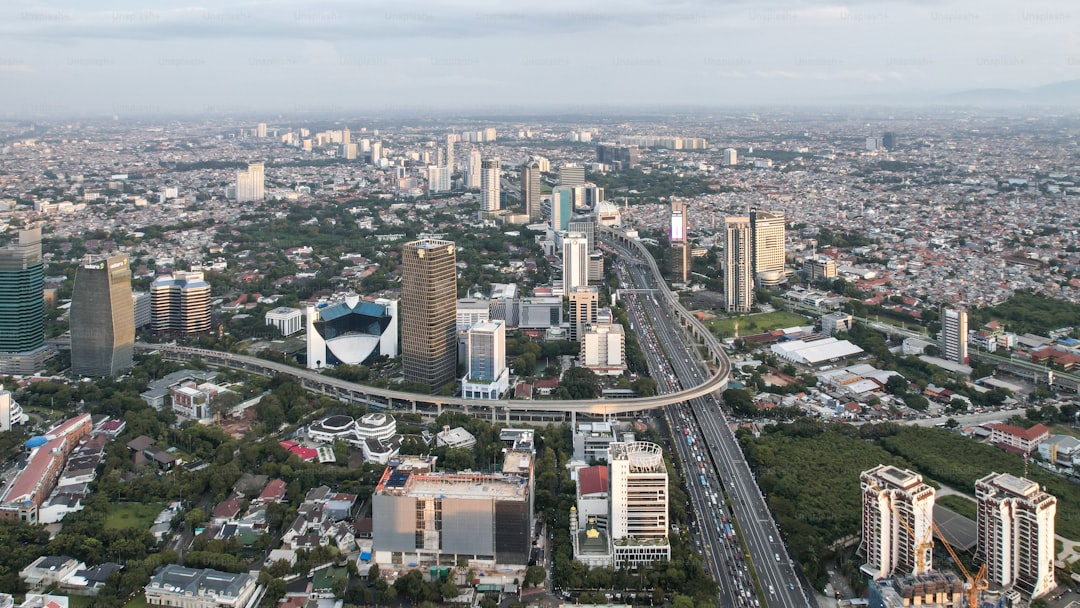
Chisinau sprawls across a gentle landscape of low hills and parks, with Soviet-era apartment blocks radiating outward from a center that mixes 19th-century architecture with Stalinist municipal buildings. Stefan cel Mare Boulevard, the main north-south artery, runs through the heart of the city and serves as the anchor for most nightlife activity. The cathedral, the national theatre, and the main government buildings all sit along or near this boulevard, and so do many of the city's bars and clubs.
Research conducted through direct venue visits and local interviews.
The city doesn't feel like a tourist destination because it isn't one. Moldova receives fewer tourists than any other European country, and Chisinau's nightlife exists primarily for locals. This has advantages: prices are rock-bottom by European standards, the social scene is authentic, and you won't encounter the tourist-targeting scams common in more visited Eastern European capitals. It also means limited English, minimal tourist infrastructure, and a level of roughness that travelers accustomed to EU-standard cities may find challenging.
Legal Context
Prostitution is illegal in Moldova, but enforcement is inconsistent and focused on organized operations rather than individual activity. In Chisinau, the industry operates semi-openly, with some establishments serving as thinly veiled fronts. Police are aware of these operations and generally leave them alone unless trafficking is suspected or political pressure requires a visible response.
For nightlife visitors, the practical implications are minimal. Chisinau's bars and clubs are legitimate entertainment venues. The adult entertainment that exists is low-profile and not integrated into the mainstream nightlife scene in the way it might be in Thailand or Germany.
Key Areas
Stefan cel Mare Boulevard and the streets branching off it form the main nightlife zone. The stretch between the National Theatre and Cathedral Park concentrates the highest density of bars, lounges, and clubs. This is where most of Chisinau's going-out culture takes place.
Valea Morilor Park area, centered on a large artificial lake southwest of the center, has a few waterfront restaurants and seasonal outdoor bars. It's popular for daytime leisure and early evening drinks in summer but doesn't sustain late-night activity.
Botanica district, a large residential area south of the center, has a handful of neighborhood bars and clubs that cater to locals. Prices are lower than in the center, but the venues are harder to find without local knowledge.
Safety
Chisinau requires more awareness than most European capitals. It's not a dangerous city for travelers who take precautions, but the risks are real and different from what you'd encounter in an EU country.
- Petty theft occurs around the central market, bus stations, and in crowded venues. Don't carry more than you need
- Police may stop foreign-looking pedestrians and ask for documents. Carry a photocopy of your passport. Some officers may attempt to extract informal fines; stay calm, ask for their badge number, and suggest resolving any issue at the station
- Taxi overcharging is common for foreigners. Use Yandex Go or agree on prices before riding. A cross-city trip should cost 50-100 MDL
- Avoid walking alone in poorly lit areas after dark, particularly the areas around the train station and the outskirts of the center
- Stray dogs are present and can be aggressive, especially in parks at night
- ATM skimming has been reported. Use machines inside bank branches
Cultural Norms
Chisinau's nightlife culture is Eastern European in character. People dress up for going out; showing up in casual tourist gear at a nicer bar or club will stand out. Men in collared shirts and women in heels are the standard at the better venues, though the more casual bars in the center accept anything.
The drinking culture centers on wine and cognac rather than beer, reflecting Moldova's winemaking tradition. Refusing a drink when offered can be considered rude, and toasting is a ritual with specific etiquette. The first toast is always to the host or the person who invited you.
Russian and Romanian operate in parallel in social settings. Starting a conversation in Romanian signals cultural awareness, while Russian works just as effectively for communication. English is understood at most central venues but shouldn't be assumed.
Practical Information
- Getting there: Chisinau International Airport (KIV) is 15 km south of the center. Taxis to the center cost 150-250 MDL. Buses and minibuses (rutiere) run from the airport
- Getting around: The center is walkable. Public transport (buses and trolleybuses) costs 3-6 MDL per ride. Yandex Go is the primary ride-hailing app
- Best nights: Friday and Saturday. Thursday has some activity at the main venues
- Timing: Dinner typically starts at 19:00-20:00. Bars fill from 21:00. Clubs don't peak until midnight and run until 4-6 AM
- Currency: Moldovan Leu (MDL). ATMs dispense MDL; some venues accept EUR but at poor rates. Cards are accepted at most central venues but carry cash as backup
- Language tip: Download Romanian and Russian offline language packs. Google Translate works for basic communication
Get the Legal Status PDF, 50 countries
Newsletter signup coming soon. Check back shortly.
Flights to Chisinau
Compare prices across airlines. Filter by stops, time, and cabin.
Airport transfer to Chisinau
Pre-booked transfers cost about the same as a metered taxi but cut out the airport queue, the meter argument, and the "no English" routine that takes some drivers to the wrong address. Fixed price quoted before booking, driver tracks your flight, waits with a name sign at arrivals.
Book a KiwiTaxi transferFrequently Asked Questions
Was this guide helpful?