Areas Worth Visiting
Each neighborhood has its own character
Studentski Grad
3/5ModerateGuide to Studentski Grad (Student City), Sofia's cheap nightlife district near the university campus with budget clubs, student bars, and a young local crowd.
5 nightlife spots listed
Vitosha Boulevard
3/5ModerateGuide to Vitosha Boulevard, Sofia's main nightlife strip with cocktail bars, nightclubs, live music venues, and the city's most popular evening social scene.
6 nightlife spots listed
District Map of Sofia
Pick a district to recenter the map and see hotels nearby.
Where to stay in Sofia
Compare hotels and rentals across the city's nightlife districts.
See places to stay and current pricesOverview
Sofia sits in a valley at the foot of Vitosha Mountain, a city of 1.3 million that holds most of Bulgaria's economic activity and nightlife infrastructure. The capital doesn't have the instant recognition of Prague or Budapest, and that works in its favor. Prices remain genuinely low by European standards, the club scene is strong for a city its size, and the tourist crowds haven't arrived in numbers large enough to distort the experience.
Prices and venue details confirmed through multiple visits.
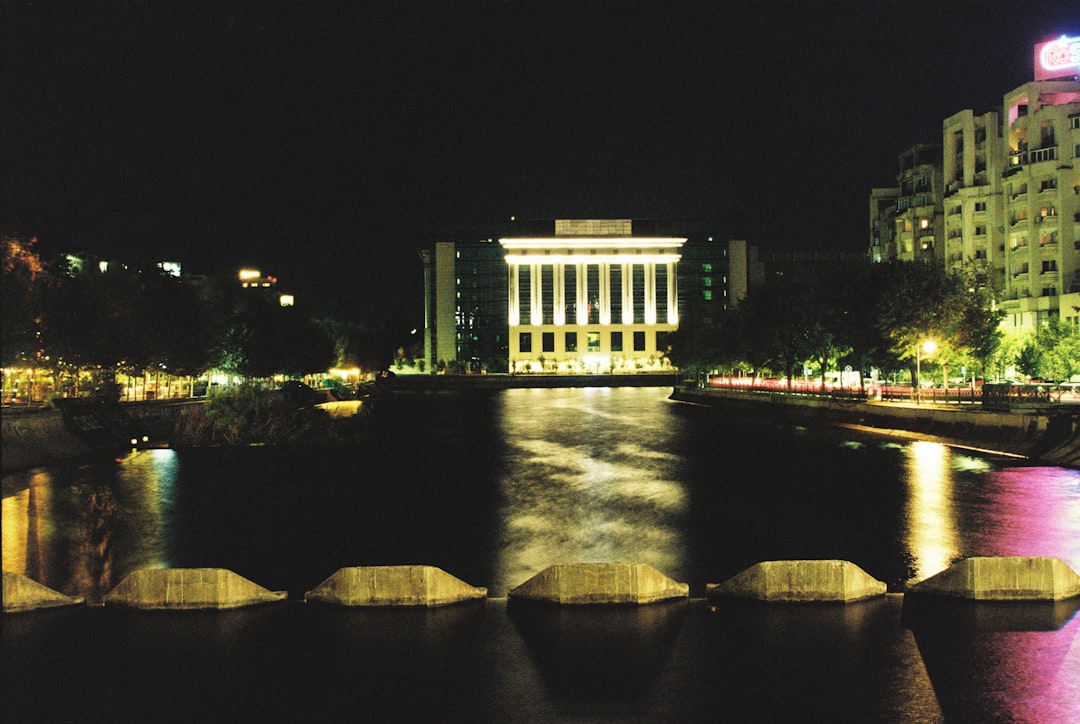
The nightlife geography is straightforward. Vitosha Boulevard runs like a spine through the center, lined with cafes, restaurants, and bars that transition from daytime shopping to evening drinking as the sun goes down. Walk south from the NDK building and you'll pass a dozen viable spots within fifteen minutes. Studentski Grad, a few kilometers southeast, packs a different kind of energy into its campus-adjacent blocks: cheaper, louder, and younger.
Sofia rewards visitors who arrive without expectations borrowed from other Eastern European capitals. It's not trying to be Prague. The city has its own rhythm. Locals start their evenings with rakia (grape or plum brandy) at a mehana, move to cocktail bars around 10 PM, and don't think about clubs until midnight.
Legal Context
Bulgaria's approach to adult entertainment sits in legal ambiguity. Selling and buying sex between consenting adults is not criminalized. Operating a brothel, pimping, and trafficking are all criminal offenses carrying serious penalties. The gap between these positions creates a gray zone that most participants understand and work within.
In Sofia, enforcement focuses on organized crime and trafficking networks rather than individual transactions. The National Police occasionally raids massage parlors and unlicensed operations, usually in response to EU pressure or domestic media coverage. These actions produce temporary disruption, not permanent change. Workers face no criminal penalties, and clients face none either in practice.
Online platforms have become the primary marketplace, following the pattern across Eastern Europe. This shift has moved activity further from police attention while creating its own set of verification and safety challenges for both parties.
Key Areas
Vitosha Boulevard and surrounds. The pedestrianized stretch of Vitosha Boulevard between Sveta Nedelya Square and the NDK (National Palace of Culture) is Sofia's main commercial and social artery. By evening, the restaurants and cafes give way to bars, cocktail lounges, and small clubs along the boulevard and its side streets. The scene here is mainstream and mixed: couples, friend groups, tourists, and business travelers. Entry is free at most bars, and drinks cost BGN 8-16 (EUR 4-8) for cocktails.
Studentski Grad (Student City). Located about four kilometers southeast of the center, this district surrounds Sofia University's campus housing. Cheap bars, student clubs, and fast-food joints line the main streets. Cover charges rarely exceed BGN 10 (EUR 5), and drinks cost half what you'd pay on Vitosha. The crowd is predominantly 18-25, local, and out to have a good time on a budget. Transport back to the center at 3 AM requires a taxi since buses stop running.
NDK area. The blocky communist-era palace at the southern end of Vitosha Boulevard anchors a cluster of larger nightclubs and event venues. Yalta Club, one of Sofia's biggest, sits nearby. The park around NDK is a popular hangout spot on warm evenings, with street vendors selling beer and snacks. After dark, stick to the lit pathways and the commercial streets rather than cutting through the park.
Lozenets. This residential neighborhood south of the center has quietly developed an upscale bar and restaurant scene along streets like Knyaz Boris I and around the Doctors' Garden park. Prices are slightly higher than Vitosha, the crowd is older (late 20s to 40s), and the atmosphere feels more local. Good for a quieter start to the evening.
Safety
Sofia is safer than its reputation suggests. Violent crime against tourists is rare, and most nightlife areas feel comfortable after dark. That said, certain precautions matter.
- Pickpocketing is the primary risk, concentrated on trams (especially lines 1 and 7), the metro during peak hours, and around the Serdika ruins where tourist foot traffic is heavy. Keep valuables in front pockets
- The park around NDK and Yuzhen Park (South Park) get dark and poorly patrolled after midnight. Stick to lit streets when walking between venues
- Stray dogs are a real concern in some neighborhoods, particularly around Studentski Grad and residential areas at the city's edges. They're generally not aggressive individually but can be unpredictable in packs
- Sofia's taxi situation has improved but still requires caution. Yellow Taxi (02 91 119) is the most reliable company. Avoid taxis parked outside clubs at closing time with no visible company markings
- For emergencies, call 112. Pirogov Hospital on Totleben Boulevard handles trauma and emergencies. For better care, City Clinic (private) on Okolovrastno Shose is worth the taxi ride
Costs and Pricing
Sofia offers exceptional value for nightlife.
Drinks. Beer at a bar costs BGN 3-6 (EUR 1.50-3). A half-liter of Bulgarian beer like Zagorka or Kamenitza at a casual bar runs BGN 3-4 (EUR 1.50-2). Cocktails cost BGN 8-16 (EUR 4-8) at mainstream venues. Rakia, the national spirit, costs BGN 4-8 (EUR 2-4) per glass. Wine by the glass runs BGN 5-10 (EUR 2.50-5).
Food. Street banitsa (cheese-filled pastry) costs BGN 2-3 (EUR 1-1.50). A meal at a traditional mehana runs BGN 15-25 (EUR 8-13) per person with drinks. Upscale restaurants charge BGN 30-60 (EUR 15-30) per person.
Transport. Metro and bus tickets cost BGN 1.60 (EUR 0.80). A taxi from the center to Studentski Grad runs BGN 6-10 (EUR 3-5). Airport transfers by official taxi cost BGN 10-15 (EUR 5-8).
Accommodation. Hostel dorms start at BGN 20-30 (EUR 10-15). Mid-range hotels run BGN 80-150 (EUR 40-75). Upscale options cost BGN 200-400 (EUR 100-200). Prices don't fluctuate seasonally the way coastal Bulgaria does.
Nightlife costs. Club entry ranges from free to BGN 30 (EUR 15) for big events. Bottle service at premium clubs runs BGN 100-300 (EUR 50-150) for a bottle with mixers. Adult entertainment services through online platforms start at BGN 200-400 (EUR 100-200) per hour.
Social Scene
Sofia's social culture operates on personal connections. Bulgarians form tight friend groups and go out in packs. Solo visitors won't find the instant social openness of, say, a hostel bar in Bangkok. But shared spaces like the bars on Vitosha, the cafes around Serdika, and the smoking areas of clubs create natural conversation points.
The city has a small but growing expat community, concentrated in the tech sector and digital nomad scene. Coworking spaces like Puzl and Betahaus function as social hubs during the day and sometimes host evening events. The international crowd tends to gravitate toward the same handful of bars on and near Vitosha Boulevard.
Dating apps work well in Sofia. Tinder has the largest user base, and the swipe-to-meeting pipeline moves quickly. Coffee dates at specific cafes are the norm for first meetings. Bulgarian women in Sofia tend to be direct about their expectations and schedule. If they're interested, they'll make time.
Language isn't a major barrier in central Sofia. Most people under 35 speak functional English. Russian is widely understood by older generations. Even basic Bulgarian phrases earn significant goodwill. "Mersi" (thanks) and "nazdrave" (cheers) cover most social situations.
Getting Around
- Metro: Two lines cross in the center, covering the main areas and reaching the airport (Line 1). Runs 5:00 AM to midnight. Clean, safe, and cheap at BGN 1.60 per ride
- Trams and buses: Cover areas the metro doesn't, but service frequency drops after 11 PM. Night buses run on select routes
- Taxis: Metered and relatively cheap. Yellow Taxi (02 91 119) and OK Supertrans are the most reliable companies. Fares start at BGN 0.70 plus BGN 0.79 per kilometer. Always confirm the meter is running
- Ride apps: Uber doesn't operate in Bulgaria. TaxiMe and Yellow Taxi apps work as alternatives and show fare estimates
- Walking: The center is compact and walkable. Vitosha Boulevard to Serdika is a 10-minute walk. NDK to the Doctors' Garden takes 15 minutes. Sidewalks can be uneven, and crosswalk discipline from drivers is poor
- Airport: Sofia Airport is 10 kilometers east of the center. Metro Line 1 reaches it in about 20 minutes (BGN 1.60). Official airport taxis cost BGN 10-15 to the center
Scam Warnings
Clip joint scam near Serdika and NDK. Friendly locals approach solo foreign men and suggest going for a drink at a place they know. Inside, women sit at your table and order drinks. The bill reaches BGN 500-2,000. Security ensures payment. This scam targets tourist-heavy zones around the Serdika ruins, NDK, and the lower end of Vitosha Boulevard. Never accept bar invitations from people who approach you on the street.
Taxi scams from the airport involve drivers from unofficial companies parked alongside licensed cabs. They quote flat rates of BGN 30-50 for a trip that should cost BGN 10-15. Only use OK Supertrans (the official airport company) or order via the Yellow Taxi app.
Exchange office traps on Vitosha Boulevard display attractive rates in large print, then charge high commissions in small print. The difference can cost you 10-20% of your exchange. Use bank ATMs instead. They give fair rates and charge a small, transparent fee.
What Not to Do
- Don't accept bar invitations from strangers on the street, especially near Serdika or Vitosha Boulevard
- Don't exchange money at street-level exchange offices; use bank ATMs
- Don't take unmarked taxis from the airport or bus station
- Don't walk through NDK park or South Park after midnight; use the surrounding streets
- Don't leave drinks unattended in any club or bar
- Don't assume prices in Studentski Grad apply everywhere; Vitosha and club venues charge more
- Don't confuse the Bulgarian head-nodding convention: a nod can mean "no" and a shake can mean "yes" in traditional usage
- Don't underestimate the cold in winter months; bring a proper coat if visiting between November and March
Get the Legal Status PDF, 50 countries
Newsletter signup coming soon. Check back shortly.
Flights to Sofia
Compare prices across airlines. Filter by stops, time, and cabin.
Airport transfer to Sofia
Pre-booked transfers cost about the same as a metered taxi but cut out the airport queue, the meter argument, and the "no English" routine that takes some drivers to the wrong address. Fixed price quoted before booking, driver tracks your flight, waits with a name sign at arrivals.
Book a KiwiTaxi transferRelated Guides
Studentski Grad
Guide to Studentski Grad (Student City), Sofia's cheap nightlife district near the university campus with budget clubs, student bars, and a young local crowd.
Read guideVitosha Boulevard
Guide to Vitosha Boulevard, Sofia's main nightlife strip with cocktail bars, nightclubs, live music venues, and the city's most popular evening social scene.
Read guideFrequently Asked Questions
Was this guide helpful?