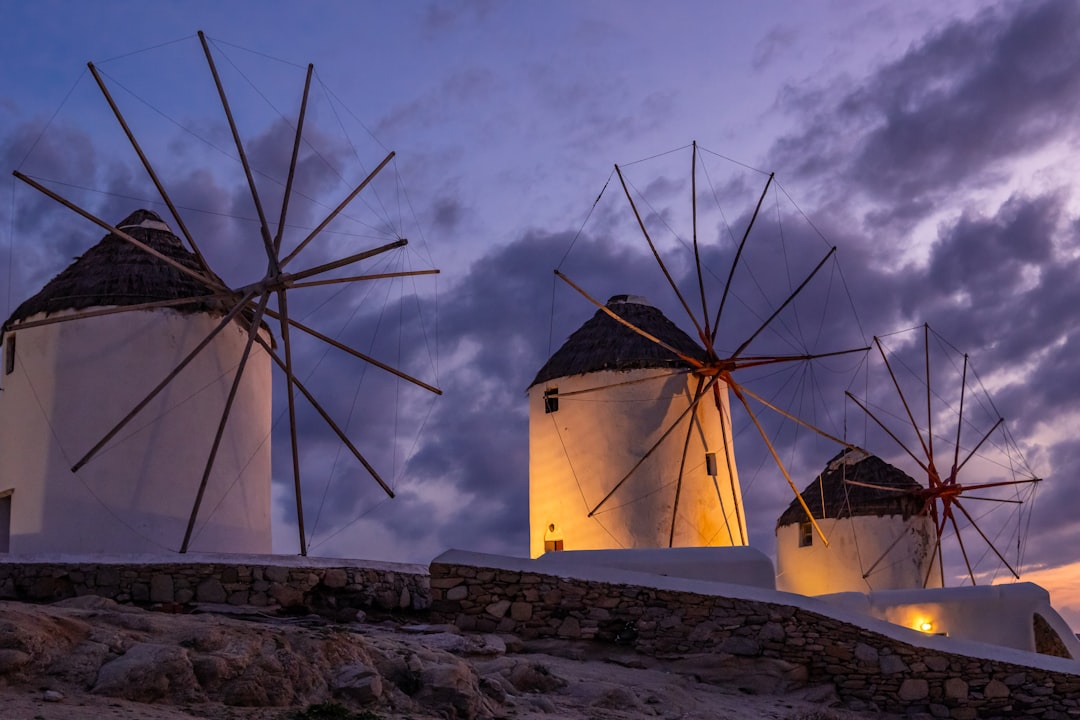

Areas Worth Visiting
Each neighborhood has its own character
Mykonos Town
4/5SafeDistrict guide to Mykonos Town (Chora), the island's main nightlife center with bars, clubs, and late-night venues along the harbor and narrow streets.
11 nightlife spots listed
Paradise Beach
4/5SafeGuide to Paradise Beach on Mykonos, the island's famous party beach with major beach clubs, DJ events, and all-day parties from June through September.
10 nightlife spots listed
District Map of Mykonos
Pick a district to recenter the map and see hotels nearby.
Where to stay in Mykonos
Compare hotels and rentals across the city's nightlife districts.
See places to stay and current pricesOverview
Mykonos has been Greece's premier party island since the 1960s, when international jet-setters first discovered its white-washed Cycladic villages and reliable summer winds. Decades later, the island draws roughly two million visitors per year to a landmass of just 85 square kilometers. The nightlife economy runs on a strict seasonal clock: venues open in May, peak in July and August, and shut down by late October. Visit in January and you'll find a quiet fishing island with fewer than 10,000 permanent residents.
Local contacts verified current conditions for this guide.
Two distinct nightlife zones define the experience. Mykonos Town (Chora) is the historic center, packed with cocktail bars, clubs, and late-night restaurants along its narrow marble lanes. The south-coast beaches, particularly Paradise and Super Paradise, operate large-scale beach clubs that run from afternoon into the early morning hours. Most visitors split their time between both.
Legal Context
Prostitution in Greece is legal and regulated under a licensing system. Sex workers must register, carry a health card, and work from licensed premises. In practice, enforcement varies by location, and Mykonos doesn't have a visible licensed scene. The island's nightlife revolves around its bar, club, and beach club circuit rather than any specific adult entertainment district.
Greek law sets the legal drinking age at 18, though enforcement on the island is inconsistent during peak season. Drug laws are strict by European standards. Possession of even small amounts of cannabis can result in arrest and prosecution, and Greek courts don't treat tourists with particular leniency.
Key Areas
Mykonos Town (Chora)
The old town is where most of the nightlife concentrates between June and September. Little Venice, a row of 18th-century buildings hanging over the waterfront, fills up with cocktail bars that charge EUR 15-22 per drink for the sunset views. Worth it once. Behind the waterfront, the labyrinth of whitewashed alleys contains dozens of small bars, many without signs.
Clubs in Chora typically don't get going until midnight or later. Cavo Paradiso, Skandinavian Bar, and Astra are among the more established names, though the lineup shifts year to year as venues rebrand or change ownership. Cover charges range from EUR 20-40 and usually include one drink. The narrow streets become packed after 1:00 AM, and the crowd spills between venues until sunrise.
Noise ordinances technically exist. Police occasionally enforce them around 3:00 AM, which means some bars lower their music while the party moves to after-hours spots or beach clubs.
Paradise Beach
About 6 kilometers south of Chora, Paradise Beach has hosted organized beach parties since the 1970s. Tropicana and Paradise Club are the main venues, running afternoon DJ sets that build into full-scale parties by evening. A sunbed costs EUR 30-60 depending on the row, and cocktails run EUR 18-25.
The crowd here skews younger and louder than in town. Foam parties, organized drink specials, and international DJs are standard programming from July through August. Bus and boat services connect Paradise Beach to Chora, running until late at night during peak season.
Super Paradise Beach
One cove east of Paradise, Super Paradise has long been associated with Mykonos's LGBTQ+ scene, though the beach is now mixed and welcoming to everyone. Jackie O' Beach Club is the anchor venue, with parties running daily in peak season. Expect similar pricing to Paradise Beach, with slightly smaller crowds and a more relaxed daytime atmosphere.
Access is by water taxi from Platis Gialos (EUR 8-10), by bus, or via a steep winding road that's tricky on a scooter after dark.
Costs
Mykonos ranks among the most expensive islands in the Mediterranean. Here's what to expect in peak season:
- Cocktails at beach clubs: EUR 18-25
- Beer at a bar in Chora: EUR 8-12
- Club entry: EUR 20-40, typically includes one drink
- Sunbed at a beach club: EUR 30-60
- Dinner for two: EUR 80-150 at a mid-range restaurant
- Hotel room: EUR 150-300 per night for basic accommodation; luxury options exceed EUR 500
- ATV rental: EUR 30-50 per day
Prices drop roughly 30% in the shoulder months of June and September. Some travelers base themselves on Tinos or Syros, both a short ferry ride away, to cut accommodation costs while still accessing Mykonos for nightlife.
Safety
Mykonos is safe. Violent crime against tourists is extremely rare, and the island's small police force is visible during summer months. That said, a few risks deserve attention:
- Drink spiking happens at large parties and beach clubs. Don't leave drinks unattended, and watch for symptoms like sudden dizziness or confusion that feel disproportionate to how much you've consumed
- Overcharging is the most common complaint. Always check the menu price before ordering, and review your bill carefully. Some venues add service charges without clear disclosure
- Road safety is a real concern. Narrow roads, sharp turns, no street lighting outside Chora, and drunk tourists on ATVs are a bad combination. Multiple injuries occur every season
- Swimming risks increase at unpatrolled beaches, especially after drinking. Currents around the southern beaches can be strong
- Medical facilities are limited to the Mykonos Health Center in Chora. Serious injuries or illnesses require evacuation to Athens by helicopter or ferry, which can take hours
Social Scene
Mykonos draws an international crowd that's wealthy, young to middle-aged, and here to socialize. Italians, French, Americans, Brazilians, and British visitors dominate during peak months. The island has been a global LGBTQ+ destination since the 1970s, and this history shapes the overall culture. Attitudes are relaxed and open. Same-sex couples display affection freely, and mixed gay/straight socializing is normal rather than notable.
Beach clubs function as the primary social setting during daylight hours. A sunbed at Tropicana or Jackie O' puts you in close proximity to other travelers for hours at a time, which makes conversation easy. By evening, the social energy shifts to Chora's bars. Little Venice at sunset is where most groups start before dispersing into the back streets.
Dating apps see heavy seasonal usage. Tinder and Grindr are both active, reflecting the island's diverse visitor base. But face-to-face socializing works just as well here because the compact geography and shared party schedule mean you'll run into the same people repeatedly over a few days.
Best Times
- Late June and early September: Good nightlife, warm water, fewer crowds, prices about 30% below peak
- July and August: Full capacity. Every venue is open. Biggest DJ lineups. Highest prices. Book accommodation months in advance
- May and October: Shoulder season. Some venues open, but the full party infrastructure isn't running. Good for a quieter visit
- November through April: Most venues close. The island reverts to a small Cycladic town with limited services. Ferries run less frequently
Nightly, the action in Chora starts around 11:00 PM and runs until 5:00 AM or later. Beach club parties peak between 4:00 PM and midnight.
Getting Around
- ATV/scooter rental: The most popular option, running EUR 30-50 per day. Greek law requires a motorcycle license for scooters over 50cc. Rental agencies don't always check, but insurance won't cover you in an accident without the proper license. Drive carefully, especially at night
- Taxis: Limited supply, high demand. The central taxi stand is at Fabrika Square in Chora. Expect long waits after midnight. Fares aren't metered for most trips; agree on the price before getting in. A ride from Chora to Paradise Beach costs about EUR 15-20
- Water taxis: Run between Chora, Platis Gialos, Paradise Beach, and Super Paradise during summer. Fares range from EUR 8-15 per person. A good option when road transport is unavailable
- Local buses (KTEL): Affordable and reliable during the day, with routes connecting Chora to major beaches. Late-night service exists during peak season but isn't dependable. Fares are EUR 2-3
What Not to Do
- Do not rent an ATV if you have no experience riding one. The roads are narrow, poorly lit, and full of other inexperienced riders
- Do not assume prices at beach clubs without checking first. Menus are sometimes only shown after you've sat down
- Do not leave valuables unattended on the beach. Theft from sunbeds happens
- Do not swim at unpatrolled beaches after drinking, particularly at night
- Do not carry or use drugs. Greek authorities treat drug offenses seriously regardless of nationality
- Do not engage with anyone who appears underage. Report concerns to local police
- Do not skip sunscreen and hydration. Heat exhaustion sends tourists to the health center every week during summer
- Do not expect to find open venues between November and April. The island effectively shuts down
Get the Legal Status PDF, 50 countries
Newsletter signup coming soon. Check back shortly.
Flights to Mykonos
Compare prices across airlines. Filter by stops, time, and cabin.
Airport transfer to Mykonos
Pre-booked transfers cost about the same as a metered taxi but cut out the airport queue, the meter argument, and the "no English" routine that takes some drivers to the wrong address. Fixed price quoted before booking, driver tracks your flight, waits with a name sign at arrivals.
Book a KiwiTaxi transferRelated Guides
Mykonos Town
District guide to Mykonos Town (Chora), the island's main nightlife center with bars, clubs, and late-night venues along the harbor and narrow streets.
Read guideParadise Beach
Guide to Paradise Beach on Mykonos, the island's famous party beach with major beach clubs, DJ events, and all-day parties from June through September.
Read guideFrequently Asked Questions
Was this guide helpful?