
Areas Worth Visiting
Each neighborhood has its own character
Ladadika
4/5SafeDistrict guide to Ladadika in Thessaloniki, the restored warehouse nightlife quarter near the port, with bar recommendations, safety tips, and costs.
10 nightlife spots listed
Valaoritou
4/5SafeDistrict guide to the Valaoritou Street area in Thessaloniki, the city's alternative nightlife zone with indie bars, warehouse clubs, and craft cocktails.
11 nightlife spots listed
District Map of Thessaloniki
Pick a district to recenter the map and see hotels nearby.
Where to stay in Thessaloniki
Compare hotels and rentals across the city's nightlife districts.
See places to stay and current pricesOverview
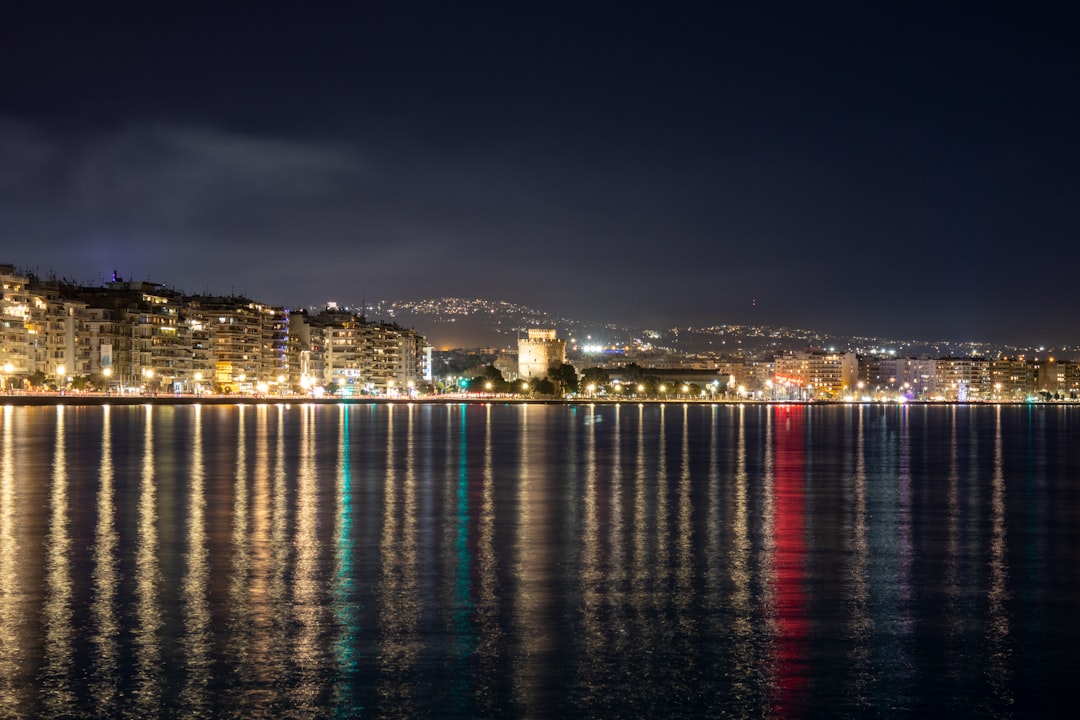
Greece's second city sits on the Thermaic Gulf, built around a sweeping waterfront promenade that runs nearly five kilometers from the port to the Concert Hall. Thessaloniki is home to Aristotle University, the largest university in Greece, and its 70,000+ students shape the character of the city's nightlife more than any other factor. Prices stay low. Energy stays high. And the bars don't empty until sunrise.
Research conducted through direct venue visits and local interviews.
Unlike Athens, where nightlife scatters across dozens of neighborhoods, Thessaloniki concentrates its after-dark activity into a walkable core. You can move between the three main districts in 10-15 minutes on foot. That compactness makes it one of the easiest cities in Southern Europe for a night out, particularly if you're visiting for the first time.
The city has a distinct cultural identity. It was the Ottoman Empire's second city before it became Greece's second city, and traces of that layered history show up in the Byzantine churches, Ottoman hammams, and Sephardic Jewish heritage sites scattered through the center. Thessaloniki residents consider themselves culturally distinct from Athenians, and they're right. The pace is slower, the people are warmer, and the food is better. Ask any local; they'll tell you.
Legal Context
Greece's national framework governs adult entertainment here. Prostitution is legal and regulated under Law 2734/1999, which requires registration, regular health checks, and licensed premises. In practice, enforcement is inconsistent. Licensed brothels exist but represent a small fraction of the industry. Most activity occurs through online platforms and private arrangements, operating in a grey area between the letter of the law and its application.
Street-based solicitation is illegal and carries fines for both parties. Police enforcement fluctuates by neighborhood and political cycle. The red-light activity that once characterized parts of the city center has diminished significantly over the past decade.
Key Areas
Ladadika. The old warehouse district near the port has been converted into Thessaloniki's most popular nightlife zone. Restored neoclassical buildings now house restaurants, bars, and clubs packed side by side along cobblestone pedestrian streets. On Friday and Saturday nights, the entire district fills with people from around 11 PM. The crowd is mixed: students, young professionals, tourists, and groups celebrating name days or engagements. Expect live Greek music pouring out of tavernas alongside DJ sets from rooftop bars.
Valaoritou Street. A few blocks north of Ladadika, this formerly industrial street has become the city's alternative nightlife hub. The bars here skew younger and edgier than Ladadika. Converted warehouses host underground music events, art exhibitions that double as parties, and cocktail bars with exposed brick walls. It's where Thessaloniki's creative class drinks. Valaoritou tends to peak later, around midnight to 3 AM.
Nikis Avenue and the Waterfront. The promenade along the sea stretches from the White Tower to the port, lined with cafes and bars that transition from coffee spots by day to cocktail bars by night. Nikis Avenue runs parallel to the water and has a concentration of upscale bars and late-night spots. The atmosphere here is more relaxed than Ladadika or Valaoritou. Good for a drink with a sea view before heading to the louder districts.
Safety
Thessaloniki is a safe city by European standards. Violent crime against visitors is rare, and the main nightlife districts are well-lit with plenty of foot traffic until early morning.
- Pickpocketing happens in crowded areas, especially around Aristotelous Square and on public buses. Keep your phone secure and don't leave bags unattended at outdoor tables
- The Upper City (Ano Poli) has narrow, poorly lit streets that can feel isolated late at night. Stick to the lower, busier parts of town after midnight unless you know where you're going
- Drink spiking is not a widespread problem, but standard precautions apply. Don't leave your glass unattended
- Stray dogs are common throughout the city. Most are friendly and vaccinated by municipal programs, but give unfamiliar animals space
- Emergency number is 112. The nearest major hospital is AHEPA University Hospital. EU citizens should carry an EHIC card
Costs and Pricing
Thessaloniki is one of Southern Europe's better deals for nightlife.
Drinks. A beer costs EUR 3-4 at most bars, sometimes EUR 2.50 in student joints near the university. Cocktails run EUR 6-10. Wine by the glass is EUR 3-5. A bottle of tsipouro (the local spirit, similar to grappa) at a traditional ouzeri costs EUR 8-15 and comes with free meze plates. That's the best value in town.
Food. Souvlaki wraps cost EUR 2.50-3.50. A full meal at a taverna runs EUR 10-18 per person. Bougatsa (the city's signature custard pastry) costs EUR 2-3 at bakeries open until the early hours. Thessaloniki's food scene punches well above its weight.
Transport. Bus fare is EUR 1. Taxis start at EUR 3.50 and a ride across the nightlife core costs EUR 5-8. The city has no metro (one is under construction, scheduled to open in 2026). Beat and Uber operate here, though coverage is less reliable than in Athens.
Accommodation. Hostel dorms run EUR 15-25. Budget hotels cost EUR 40-70. A decent mid-range hotel in the center goes for EUR 60-120. Prices jump during the Thessaloniki International Film Festival in November and the International Trade Fair in September.
Social Scene
The university dominates Thessaloniki's social life. Aristotle University's campus sits right in the city center, and the surrounding streets are packed with affordable bars, cafes, and souvlaki shops that serve as informal gathering spots. If you're looking to meet people, the barrier to entry is low. Greeks are sociable, and Thessaloniki's student culture makes casual conversation at a bar more natural here than in most European cities.
Language helps but isn't required. Most young Greeks in Thessaloniki speak English well. A few words of Greek go a long way. "Yamas" (cheers) gets you started.
Tinder works. Bumble has a smaller but active user base. The city's real social life, though, happens in person. Bar-hopping through Valaoritou or sitting at a tsipouro table in Ladadika until 3 AM is how locals socialize. Join them.
Best Times
- May, June, September, and October are ideal. Warm evenings, outdoor bars and terraces in full swing, and fewer tourists than the islands
- Summer (July-August) empties the city. Students leave, locals head to Halkidiki beaches, and many bars close or reduce hours. The waterfront stays active, but the energy drops noticeably
- Winter is cold and damp but the bar scene thrives. University is in session, and indoor bars and live music venues fill up. Thessaloniki doesn't hibernate
- Thessaloniki International Film Festival (November) brings cultural energy and international visitors
- Bars start filling at 11 PM, peak around midnight to 2 AM. Clubs don't get going until 1 AM and run until 5 AM or later
Getting Around
- Walking is the best option for nightlife. Ladadika, Valaoritou, and the waterfront are all within a 15-minute walk of each other
- Buses (OASTH): Cover the city but run infrequently after midnight. Not reliable for late-night transport
- Taxis: Readily available. Metered and affordable. Hail one on the street or call through Beat (the dominant ride-hailing app in Greece)
- Airport connection: Bus 01X runs from the airport to the city center (EUR 2, about 45 minutes). A taxi from Makedonia Airport to the center costs EUR 20-25
- No metro as of early 2026, though construction is ongoing and stations are expected to open later this year
What Not to Do
- Don't show up at a bar before 10:30 PM expecting a crowd. You'll drink alone. Thessaloniki runs late
- Don't skip the tsipouro and meze ritual. Ordering tsipouro at a traditional place gets you free appetizer plates with each round. It's the most social way to drink in the city
- Don't confuse Thessaloniki with Athens. Locals take pride in their city's distinct identity and won't appreciate the comparison
- Don't drive in the city center at night. Parking is nonexistent, streets are narrow, and you'll spend more time looking for a spot than actually enjoying yourself
- Don't wander into the upper city alone after 2 AM unless you know the area. Stick to the well-lit lower districts
- Don't ignore the seafront. The Nea Paralia promenade is one of the best urban waterfronts in the Mediterranean and perfect for a late-night walk between bars
Get the Legal Status PDF, 50 countries
Newsletter signup coming soon. Check back shortly.
Flights to Thessaloniki
Compare prices across airlines. Filter by stops, time, and cabin.
Airport transfer to Thessaloniki
Pre-booked transfers cost about the same as a metered taxi but cut out the airport queue, the meter argument, and the "no English" routine that takes some drivers to the wrong address. Fixed price quoted before booking, driver tracks your flight, waits with a name sign at arrivals.
Book a KiwiTaxi transferRelated Guides
Ladadika
District guide to Ladadika in Thessaloniki, the restored warehouse nightlife quarter near the port, with bar recommendations, safety tips, and costs.
Read guideValaoritou
District guide to the Valaoritou Street area in Thessaloniki, the city's alternative nightlife zone with indie bars, warehouse clubs, and craft cocktails.
Read guideFrequently Asked Questions
Was this guide helpful?