Valaoritou
Legal & Regulated4/5SafeDistrict guide to the Valaoritou Street area in Thessaloniki, the city's alternative nightlife zone with indie bars, warehouse clubs, and craft cocktails.

Where to stay near Valaoritou
Hotels walking distance from the venues on this page.
See places to stay and current pricesPlaces to Drink and Dance
The places locals and visitors recommend
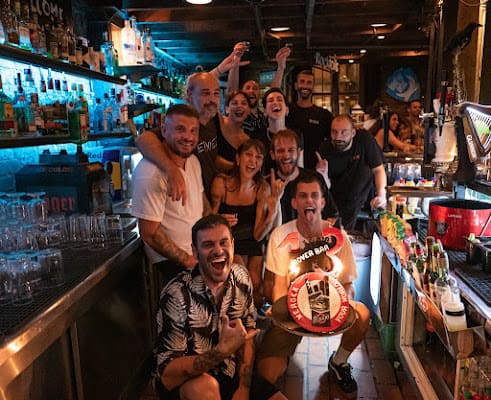
Rover Bar
Indie and alternative bar with a curated vinyl collection and rotating local DJs. Small, packed interior with a loyal crowd of regulars. The outdoor tables on the street fill fast on warm nights.
Valaoritou 22, Thessaloniki 546 25
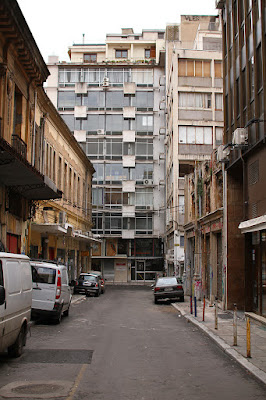
Fragma
Warehouse-style club hosting electronic music nights with local and visiting DJs. Raw concrete interior, solid sound system, and a no-frills approach. Gets going after 1 AM.
Vilara 10, Thessaloniki 546 25
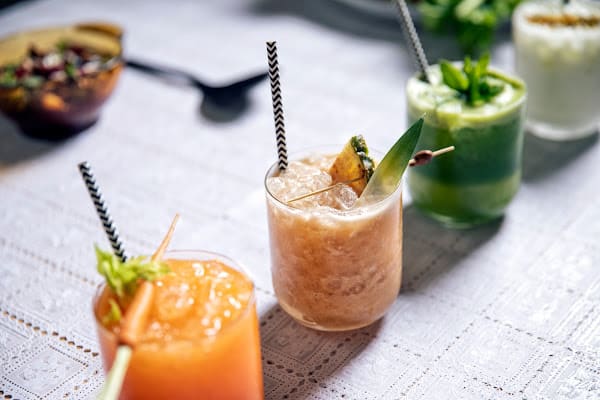
Coo Cocktail Bar
Craft cocktail bar with exposed brick, low lighting, and bartenders who take their work seriously. The menu changes seasonally and uses Greek botanicals. Quieter than the surrounding bars.
Valaoritou 18, Thessaloniki 546 25
Urban House
Two-floor venue mixing DJ sets with occasional live acts. The ground floor is a bar; the basement turns into a dance floor after midnight. Plays house, techno, and funk depending on the night.
Ptolemeon 14, Thessaloniki 546 30
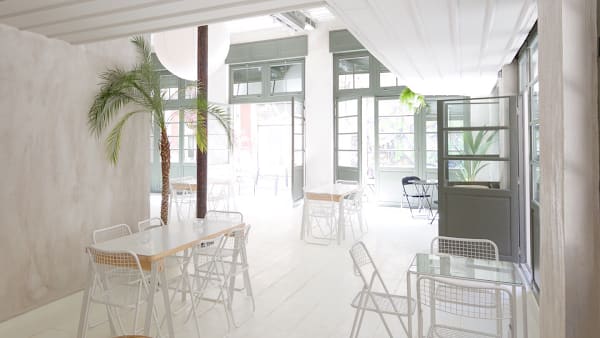
Beerhouse
Craft beer bar with 12 rotating taps featuring Greek microbreweries and European imports. Knowledgeable staff, relaxed vibe, and a good selection of bar snacks. Popular as a warm-up spot before hitting the clubs.
Syngrou 18, Thessaloniki 546 25
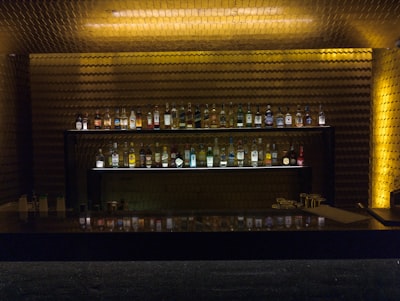
Koo Koo Bar
Graffiti-covered bar at the heart of the Valaoritou strip with a sidewalk terrace that becomes the neighborhood's living room on warm nights. Cheap beer, loud conversation, and an anything-goes dress code.
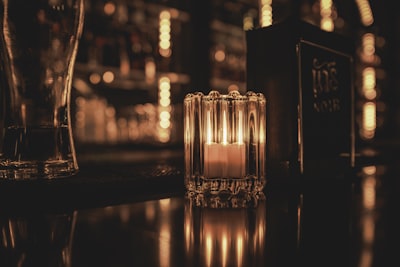
Noel Bar Thessaloniki
Intimate cocktail bar with velvet seating, low light, and a menu of seasonal craft cocktails. The bartenders trained in Athens and bring a capital-city standard to a neighborhood that thrives on informality.
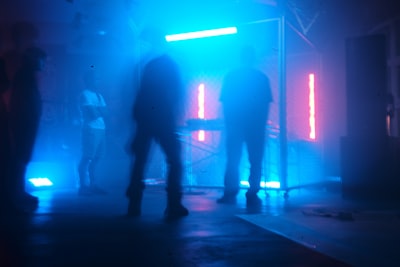
Low Profile Club
Basement club below a Valaoritou bar that programs techno and minimal electronic from midnight to 5 AM. Concrete floors, a single strobe, and a sound system that fills the small room completely.
Vinyl & Wine
Record bar and wine shop hybrid where the owner selects vinyl records to match the wine being poured. Greek natural wines dominate the list. The turntable sits on the bar so you can watch the needle drop.
Eightball Club
Two-room club on Ptolemeon Street running hip-hop and R&B in the main room and house music in the back. Popular with university students on Thursday nights. Cover charge includes one drink.
Lab Art Bar
Gallery-bar hybrid hosting rotating art shows and live painting sessions. The drinks are secondary to the creative atmosphere. Local artists drink here between exhibitions, and the walls change every two weeks.
Overview and Location
Valaoritou Street runs through a formerly industrial quarter about three blocks north of Ladadika and two blocks west of the Aristotelous Square axis. Until the early 2000s, this area was workshops, small warehouses, and wholesale fabric shops. Most closed. What replaced them was something Thessaloniki hadn't really had before: an alternative nightlife scene with its own identity, separate from the mainstream Ladadika strip.
We visited every venue listed below in person.
The district isn't large. Valaoritou Street itself stretches about 300 meters, and the nightlife spills onto a few connecting streets, primarily Vilara, Syngrou, and Ptolemeon. Around 30 bars and small clubs operate in this cluster. Walk through on a Saturday at midnight and you'll find art spilling out of gallery windows, bass thumping from basement venues, and groups of people drinking on sidewalks between bar stops.
Access is simple. From Aristotelous Square, walk northwest for about eight minutes. From Ladadika, head north on any cross street for five minutes. Bus routes stopping on Egnatia Street leave you a two-minute walk away. No taxi ride within the city center costs more than EUR 5-6 to get here.
Legal Status
The same national framework applies here as in the rest of Thessaloniki. Greek law regulates adult entertainment under Law 2734/1999, but Valaoritou functions purely as a bar and club district. There's no red-light activity in this area. Police involvement is minimal and focused on noise complaints from the few remaining residential buildings in the zone. The venues operate as licensed bars, clubs, and cultural spaces.
Occasional friction arises between venue operators and residents over sound levels, particularly in summer when windows are open and outdoor drinking expands onto every available surface. The municipality has mediated these disputes periodically without shutting anything down.
Costs and Pricing
Valaoritou runs cheaper than Ladadika. The clientele is younger, the venues are less polished, and the pricing reflects that.
Drinks. Beer costs EUR 3-4. Cocktails at most bars run EUR 6-8, though Coo Cocktail Bar charges EUR 8-10 for its more elaborate seasonal creations. Wine is EUR 3-5 per glass. Shots of tsipouro or raki go for EUR 2-3 at the no-frills spots. On a budget night, EUR 20 covers several hours of drinking.
Craft beer. Beerhouse and a couple of other spots charge EUR 4-6 for Greek craft brews on tap. The markup is modest compared to craft beer bars in Western Europe, where the same pour would cost EUR 7-9.
Cover charges. Most venues have no cover. Fragma and Urban House charge EUR 5-8 on event nights, sometimes including a drink. Special DJ events occasionally push to EUR 10-12.
Food nearby. Souvlaki stands on Egnatia Street serve wraps for EUR 3-3.50. A gyros plate at a casual place costs EUR 6-8. Late-night bougatsa from bakeries along Egnatia runs EUR 2-3. The district itself has few sit-down restaurants, so eat before you arrive or plan a quick walk to the surrounding streets.
Street-Level Detail
Valaoritou Street itself has the highest density of venues. Rover Bar occupies a narrow space at number 22, its walls covered in gig posters and its speakers playing whatever the bartender feels like that night. Indie rock, post-punk, jazz, electronic: the genre depends on who's behind the bar. A few doors down, Coo Cocktail Bar offers the opposite mood, quiet enough for conversation, with bartenders who treat each drink like a small project.
Walk south toward Vilara and the energy shifts to electronic music. Fragma operates out of a raw concrete space that could pass for a Berlin club if you squinted. No signage outside, just a door and occasionally a bouncer. Inside, the sound system carries deep house and techno for a crowd that shows up after 1 AM and stays until the lights come on at 5.
Ptolemeon Street connects the district to the broader city center and hosts Urban House, which splits its personality between a ground-floor bar and a basement club. Early in the evening it functions as a relaxed drinking spot. After midnight the basement opens and DJs take over.
Some smaller venues in this area operate on a cash-only basis and don't post prices visibly. Ask for a menu or price list before ordering, particularly at places you haven't been to before. Overcharging is uncommon but not impossible, especially if the staff assumes you're a tourist who won't question the bill.
Between the established venues, you'll spot pop-up bars and temporary gallery spaces that open for a few months and disappear. This turnover keeps the district feeling unpredictable, which is part of its appeal. Check local listings on platforms like Parallaxi or Thessaloniki's Facebook event pages to see what's happening on a given night.
Safety
Valaoritou's safety profile is solid. The area is compact, well-trafficked during nightlife hours, and the constant flow of people between venues means you're rarely alone on the main streets.
- Side streets north and west of the main cluster get darker and quieter. If you're walking back toward the city center, stick to Egnatia Street or Syngrou rather than cutting through poorly lit blocks
- Pickpocketing peaks when outdoor crowds are dense on warm weekend nights. Front pockets and zipped bags are standard advice
- Drug offers occasionally happen in this district more than in Ladadika. Decline and move on. Possession of any illegal substance in Greece carries penalties, and the police presence around nightlife districts has increased in recent years
- Glass on sidewalks is common after midnight. The narrow streets collect debris from outdoor drinking. Closed-toe shoes are practical here
- Emergency number is 112. AHEPA University Hospital is about 10 minutes away by taxi. Pharmacies on Egnatia Street operate extended hours
Nearby Areas
Ladadika is a five-minute walk south. It's the natural complement to Valaoritou: more mainstream, more live Greek music, slightly higher prices. Most people who go out in Thessaloniki hit both districts in a single evening.
The Port area sits just west. It's not a nightlife zone, but the walk along the waterfront between Ladadika and the port terminal is pleasant at night. Food trucks and seasonal bars sometimes set up near the passenger terminal in summer.
Egnatia Street runs along the southern edge of the district. This major east-west avenue has fast food, pharmacies, convenience stores, and bus stops that connect to every part of the city. It's your practical lifeline for the area.
Bit Bazaar and the surrounding streets east of Valaoritou hold vintage shops, record stores, and daytime cafes that attract a similar crowd. Worth exploring before nightfall if you arrive early.
Best Times
- Saturday is the biggest night. Every venue operates and the streets between bars become social spaces in their own right
- Friday runs close behind Saturday in terms of energy
- Thursday draws the university crowd, making it surprisingly lively for a weeknight
- Peak hours run from midnight to 3 AM. Arriving before 11 PM means empty bars and bored bartenders
- October through May is the main season. University is in session and the indoor venues thrive
- Summer sees a noticeable drop. Many bars reduce hours or close for August. The student exodus to islands and beaches leaves gaps in the crowd
- Special events like Thessaloniki International Film Festival (November) and the Dimitria Festival (October) bring extra energy to the district
What Not to Do
- Don't compare it to Ladadika out loud. Valaoritou regulars consider the two districts fundamentally different and take some pride in the distinction
- Don't show up before 11 PM expecting atmosphere. The district wakes up late, even by Greek standards
- Don't ignore the basement venues. Some of the best music in Thessaloniki happens below street level in spaces you'd walk past without noticing
- Don't carry large amounts of cash. Card payment works at most established bars, though some smaller spots remain cash-only
- Don't block the narrow sidewalks in groups. The streets are tight and people need to move between venues. Step into a bar or find a wall to lean against
- Don't assume every venue is open every night. Many Valaoritou bars operate Thursday through Saturday only, with some opening Wednesday during peak season. Check social media or walk through the district before committing to a plan
Get the Legal Status PDF, 50 countries
Newsletter signup coming soon. Check back shortly.
Frequently Asked Questions
Related Guides
Thessaloniki Overview
City guide to nightlife in Thessaloniki, Greece's second city, covering Ladadika, the waterfront, safety, and practical tips.
Read guideLadadika
District guide to Ladadika in Thessaloniki, the restored warehouse nightlife quarter near the port, with bar recommendations, safety tips, and costs.
Read guideWas this guide helpful?