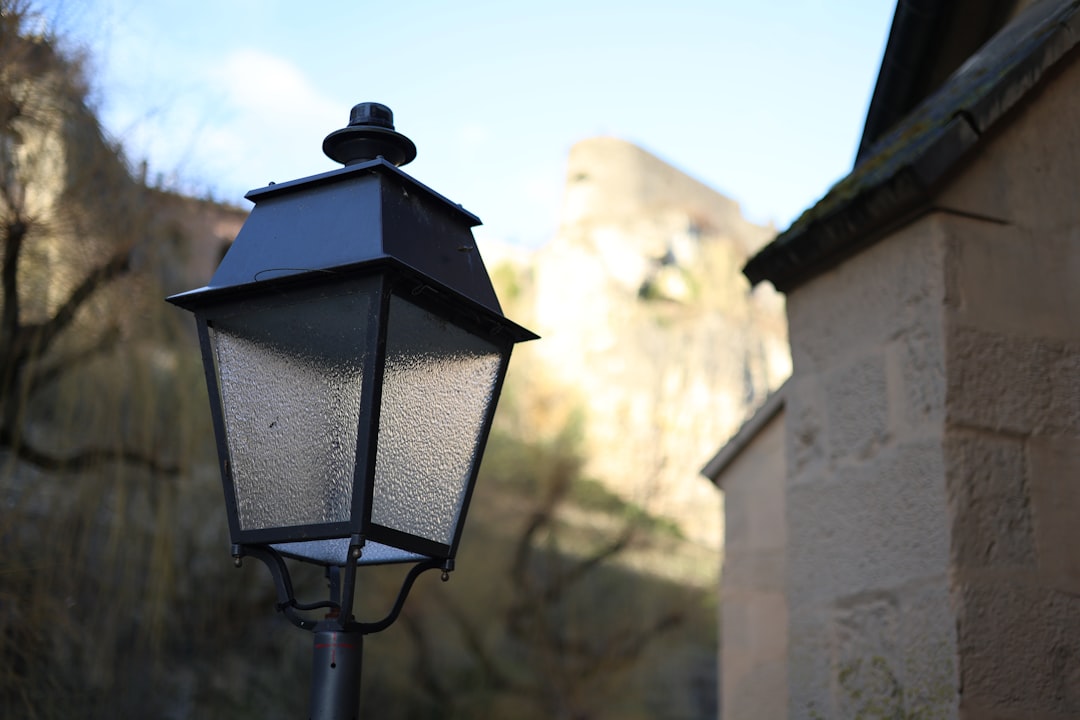

The Key Neighborhoods
Detailed guides for every area
District Map of Luxembourg City
Pick a district to recenter the map and see hotels nearby.
Where to stay in Luxembourg City
Compare hotels and rentals across the city's nightlife districts.
See places to stay and current pricesOverview
Luxembourg City spreads across a series of dramatic gorges and plateaus, with the old town perched on a promontory above the Alzette and Petrusse river valleys. This geography shapes the nightlife: the upper town (Ville Haute) holds upscale restaurants and cocktail bars, while the valley neighborhoods of Clausen and Grund contain the main drinking and club venues. The vertical layout means you'll encounter stairs, elevators, and sloping streets when moving between areas.
Local contacts verified current conditions for this guide.
The city's population is about 130,000, but its role as a financial center and EU institutional hub means that the weekday population swells with commuters from France, Belgium, and Germany. This creates a nightlife scene that's surprisingly active for a city this size, particularly from Tuesday through Thursday when the professional crowd goes out. Weekends can actually be quieter, as many international workers leave for home.
Legal Context
Luxembourg's legal framework for sex work is regulated and clear. Individual sex work by adults is legal under the 2016 amendments to the criminal code. The regulatory requirements include registration and health checks. Brothels and pimping are criminal offenses, while clients face no liability when interacting with independent, consenting adults.
In practice, Luxembourg's small size and efficient administration mean that the system functions relatively smoothly. The adult entertainment scene is small and discreet, reflecting the country's cultural preference for privacy and restraint. There are no red-light districts or prominent adult entertainment zones.
Key Areas
Clausen is the main nightlife valley. Located below the old town along the Alzette river, this former industrial area was redeveloped in the 2000s into a bar and restaurant district. The old Mousel brewery buildings anchor one end, and bars, clubs, and restaurants line the narrow valley road. It's the closest thing Luxembourg has to a dedicated party district.
Grund sits in the adjacent valley and has a mix of restaurants, wine bars, and small venues. It's more romantic and quieter than Clausen, popular for dinner dates and after-dinner drinks. The area is accessible by elevator from the old town or by walking down the winding paths.
Gare Quarter surrounds the central train station and has a more diverse, slightly grittier character than the rest of the city. International restaurants, kebab shops, and budget-friendly bars cater to the train station's foot traffic. It's not a nightlife destination per se, but it offers cheaper options than the old town.
Ville Haute (Old Town) has cocktail bars, wine lounges, and upscale restaurants scattered along the main streets. Place d'Armes and the surrounding pedestrian zone have outdoor terraces that fill in summer. The atmosphere is refined and the prices are high, even by Luxembourg standards.
Safety
Luxembourg City is one of the safest capitals in Europe. Walking alone at night presents essentially no risk in the old town, Clausen, or Grund.
- The Gare area has occasional drug-related activity but is not dangerous for passersby
- Cobblestone streets and the steep terrain between upper town and the valleys can be hazardous after drinking, particularly the Clausen path
- Drink driving enforcement is strict. Police set up checkpoints regularly, particularly on routes out of Clausen. The limit is 0.5 g/L
- Pickpocketing is uncommon but not impossible at crowded events or during the Schueberfouer fair in August-September
Cultural Norms
Luxembourg's nightlife culture is cosmopolitan and somewhat formal by Northern European standards. The financial sector influence means that after-work drinks are often the starting point for a night out, with the crowd at Clausen bars on a Thursday mixing bankers, EU officials, and young professionals from half a dozen countries.
Dress standards lean toward smart-casual. Jeans are fine, but sneakers and sportswear stand out. The crowd generally dresses well, reflecting both the professional demographics and a cultural preference for presentation.
Conversation switches between languages fluidly. Starting in English is perfectly fine, though opening in French shows awareness and is appreciated. Luxembourgish is the national language and a point of pride, but it's rarely used as a social language in nightlife settings.
Practical Information
- Getting around: The old town is walkable. The Pfaffenthal-Kirchberg funicular and the Grund elevator connect the plateau to the valleys. All public transport in Luxembourg is free
- Best nights: Thursday is the biggest going-out night due to the international workforce's schedule. Friday and Saturday evenings are active but can feel quieter than weekdays
- Timing: After-work drinks start around 18:00. Dinner service runs until 22:00. Bars stay open until 1-3 AM. The few clubs open until 4-5 AM on weekends
- Currency: Euro (EUR). Cards accepted everywhere
- Taxis: Use Webtaxi or Colux taxi apps. Prices are high: EUR 20-30 for cross-city trips
Get the Legal Status PDF, 50 countries
Newsletter signup coming soon. Check back shortly.
Flights to Luxembourg City
Compare prices across airlines. Filter by stops, time, and cabin.
Airport transfer to Luxembourg City
Pre-booked transfers cost about the same as a metered taxi but cut out the airport queue, the meter argument, and the "no English" routine that takes some drivers to the wrong address. Fixed price quoted before booking, driver tracks your flight, waits with a name sign at arrivals.
Book a KiwiTaxi transferFrequently Asked Questions
Was this guide helpful?